Kolamba
Kolamba on Kingly Street in Carnaby brings Sri Lankan cooking to one of London's most concentrated dining strips, operating in a West End restaurant scene where South Asian cuisines beyond Indian have historically been underrepresented. The kitchen draws on the coastal and highland traditions of the island, and the format shifts noticeably between a relaxed daytime offer and a more structured evening service. Check our full London restaurants guide for peer context.
Pearl is the En Primeur Club membership app — saves, bookings, and concierge access live there. Same editors, same standards.
- Address
- 21 Kingly St, Carnaby, London W1B 5QA, United Kingdom
- Phone
- +44 20 3815 4201
- Website
- kolamba.co.uk
- Directions
- Get directions
 Saves & bookings on Pearl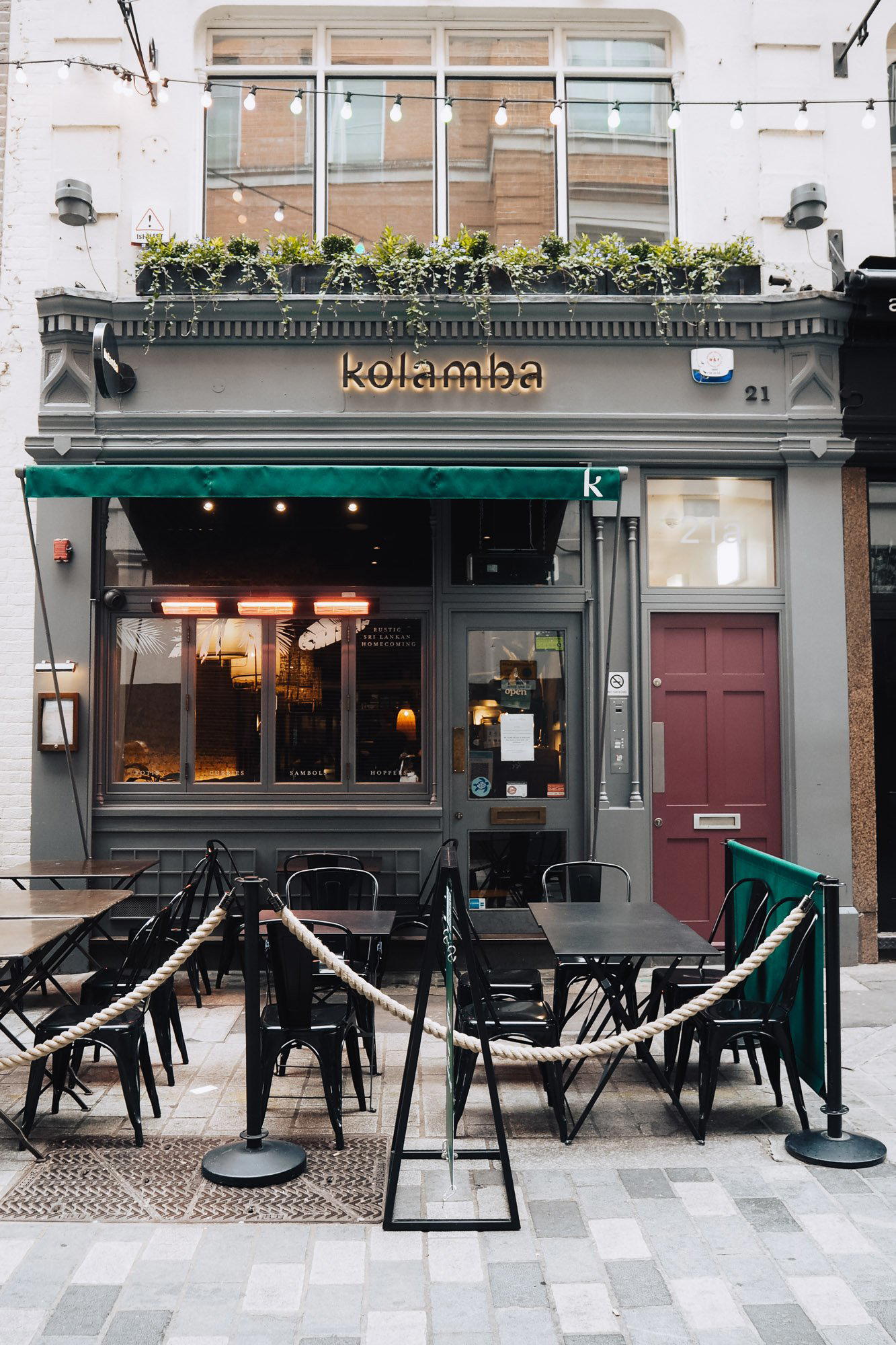
Sri Lankan Cooking in a West End That Rarely Does It Justice
London's West End dining scene is dense with international cuisine, but it has historically skewed toward European fine dining and a handful of dominant Asian traditions. Sri Lankan cooking, which draws on a distinct culinary vocabulary — coconut milk curries, hoppers, sambols, and fish preparations that differ substantially from the South Indian dishes often conflated with them — has had limited representation at the level of craft and intention the cuisine deserves. Kolamba, on Kingly Street in the Carnaby pocket of Soho, occupies that gap. It sits in a neighbourhood that functions as a mid-price corridor between the heavier spending required at three-Michelin-star addresses like CORE by Clare Smyth, Restaurant Gordon Ramsay, and Sketch, The Lecture Room and Library, and the more casual end of the market. That positioning matters: it places Kolamba where the West End's lunch and evening crowds intersect most naturally.
The Lunch-to-Dinner Shift
Few London restaurants illustrate the divide between daytime and evening service as clearly as Kingly Street addresses do. The street draws a lunchtime crowd that is predominantly professional, office workers from the surrounding media and retail businesses, shoppers pausing from Carnaby, and an evening crowd that tends to arrive with more time and appetite for a full sitting. Sri Lankan food is particularly well-suited to this split because the cuisine has strong traditions in both lighter, shareable small formats and longer multi-dish spreads.
At lunch, the format at Kolamba leans toward accessibility: shorter wait times, a tighter selection, and a pace suited to a 60- to 90-minute window. The dishes that work leading in this context are those built around rice and curry combinations, where a single composed plate functions as a complete meal. Sri Lankan rice and curry is genuinely distinct from its Indian equivalents, the coconut milk base, the use of pandan and curry leaves together, and the presence of multiple small accompaniments rather than one dominant sauce give the format its own internal logic.
In the evening, the restaurant opens into a more deliberate experience. The hopper, a bowl-shaped fermented rice flour and coconut milk crêpe, is one of Sri Lankan cooking's most technically specific preparations, and it is the kind of dish that reads differently when you have time to order it properly and work through the accompanying condiments rather than treating it as a quick option. The evening service allows for that slower register, which is where Sri Lankan food tends to express itself with the most complexity.
For the London diner who already has exposure to Indian regional cooking through the city's established South Asian restaurant scene, the evening at Kolamba offers a useful recalibration: the flavour profiles are familiar in category but different in execution, and the menu functions as an argument for treating Sri Lankan cuisine as its own tradition rather than a subset of something adjacent.
Kingly Street and What It Means for This Tier
Carnaby's Kingly Street has become a reliable address for restaurants that sit outside the flagship fine-dining tier but operate with genuine craft intent. The street's format, short, pedestrianised, flanked by independent operators, creates a different ambient register from the neighbouring Regent Street or Oxford Street adjacency. It attracts diners who are choosing deliberately rather than defaulting to convenience, which sets a higher expectation for the kitchen.
The broader West End comparison set for Sri Lankan cooking is thin. London does have a scattering of Sri Lankan operators, but most are concentrated in areas like Tooting or East Ham, where diaspora communities have historically anchored restaurant clusters.
For travellers building a wider UK dining itinerary, the contrast with destination restaurants outside London is worth noting. Properties like L'Enclume in Cartmel, Moor Hall in Aughton, Gidleigh Park in Chagford, Hand and Flowers in Marlow, hide and fox in Saltwood, and The Fat Duck in Bray represent a different category of destination dining entirely, built around tasting menus, rural settings, and extended multi-hour formats. Kolamba operates in the urban casual-to-mid register, where the proposition is about cuisine specificity rather than theatrical production. The two categories serve different travel moments, and it is worth being clear about which you are seeking when planning a London week.
How This Fits a London Visit
For international visitors staying in central London, Kingly Street is a practical choice because of proximity to the West End's hotel concentration. Those using our full London hotels guide will find that many properties in Mayfair, Soho, and Fitzrovia are within walking distance. The street is also accessible from Oxford Circus and Piccadilly Circus tube stations, both on multiple lines.
If you are building an evening around Carnaby, pairing dinner with a visit to one of the nearby cocktail bars is direct, our full London bars guide covers the West End's drinking options in detail. For those interested in London's wider food scene beyond restaurants, our full London experiences guide and full London wineries guide provide context for what else the city offers. And for a full picture of where Kolamba sits in London's restaurant ecosystem, our full London restaurants guide maps the scene across cuisines and price tiers.
For international comparison, diners who track urban restaurants at a global level may find it useful to consider where craft-specific ethnic cuisine restaurants sit in other cities. Atomix in New York City represents one end of what happens when a non-Western cuisine gets treated with fine-dining rigour and earns recognition accordingly. Le Bernardin in New York City, on the other hand, represents the French-lineage fine-dining category that still dominates the top tier internationally. Kolamba operates in neither of those registers, but the broader trend they represent, the serious treatment of specific culinary traditions, is the relevant frame.
Quick reference: Kolamba is located at 21 Kingly St, Carnaby, London W1B 5QA. Nearest tube stations are Oxford Circus and Piccadilly Circus. Book ahead for evening service, particularly for groups, as Kingly Street restaurants at this tier tend to fill on Thursday through Saturday evenings.
How Kolamba London compares with similar nearby venues.
| Venue | Cuisine |
|---|---|
| Lanka | Pastry Shop |
| Dehesa | Tapas Bar |
Continue exploring
More in London
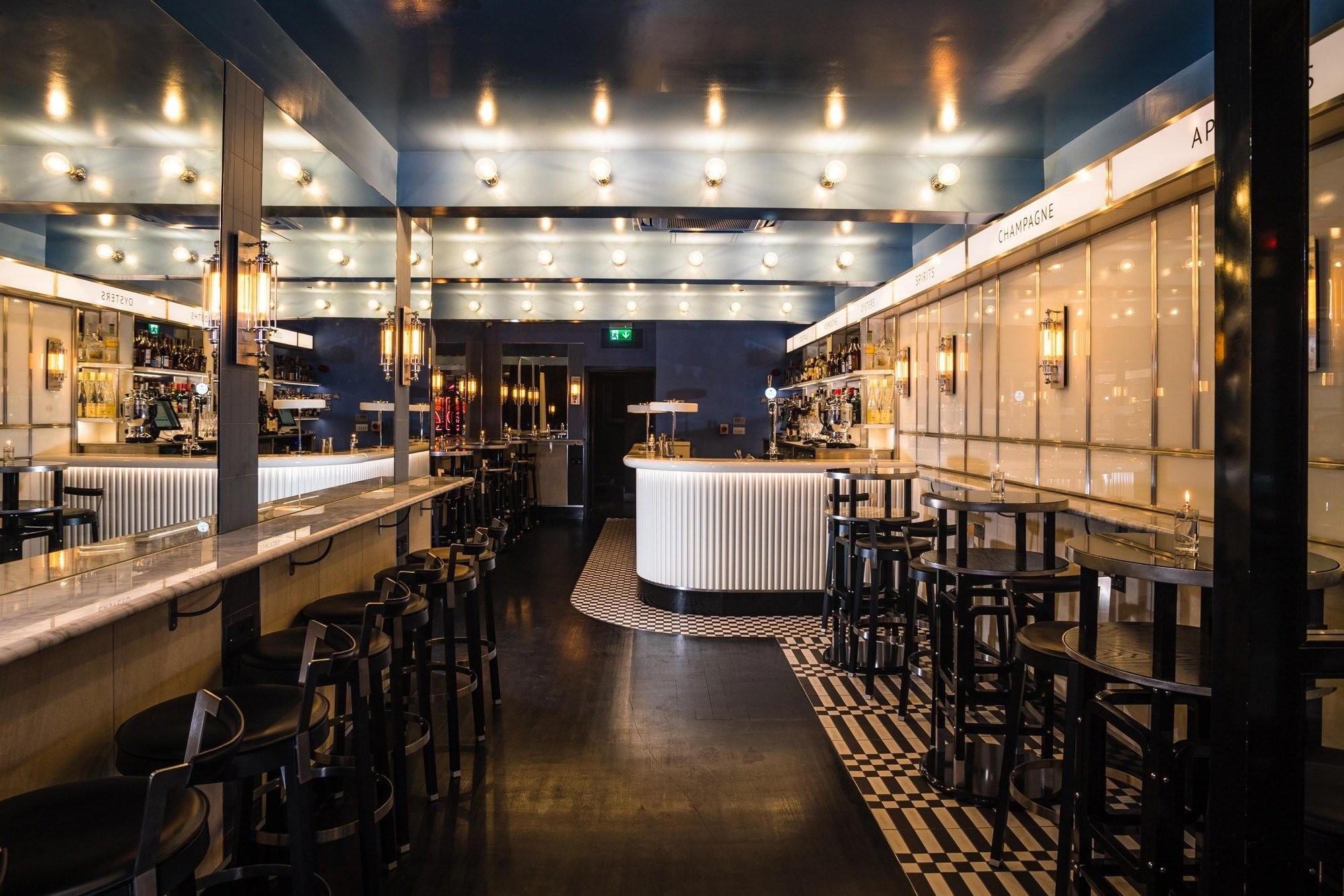
Restaurants in London
Browse all →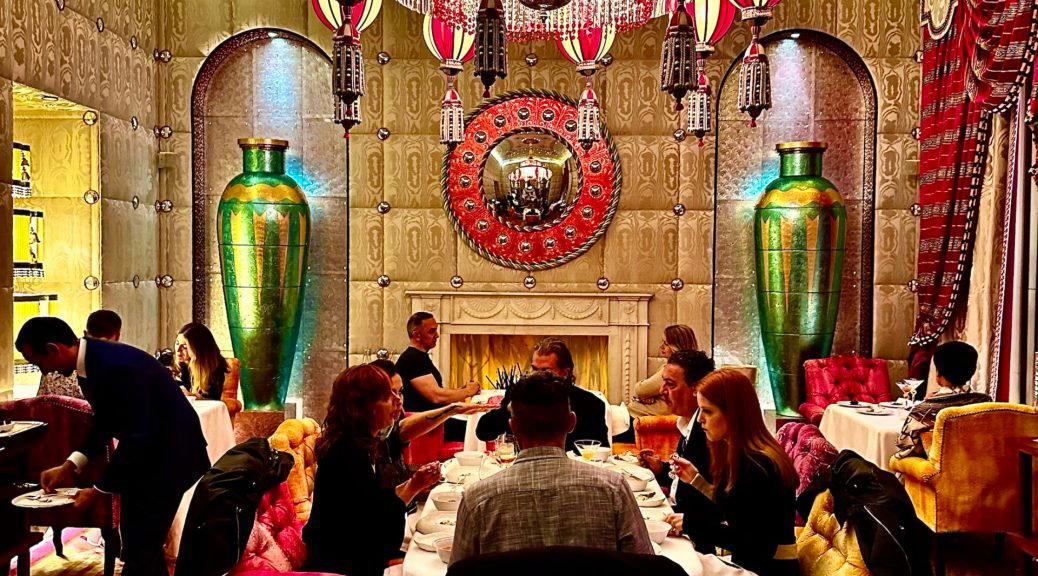
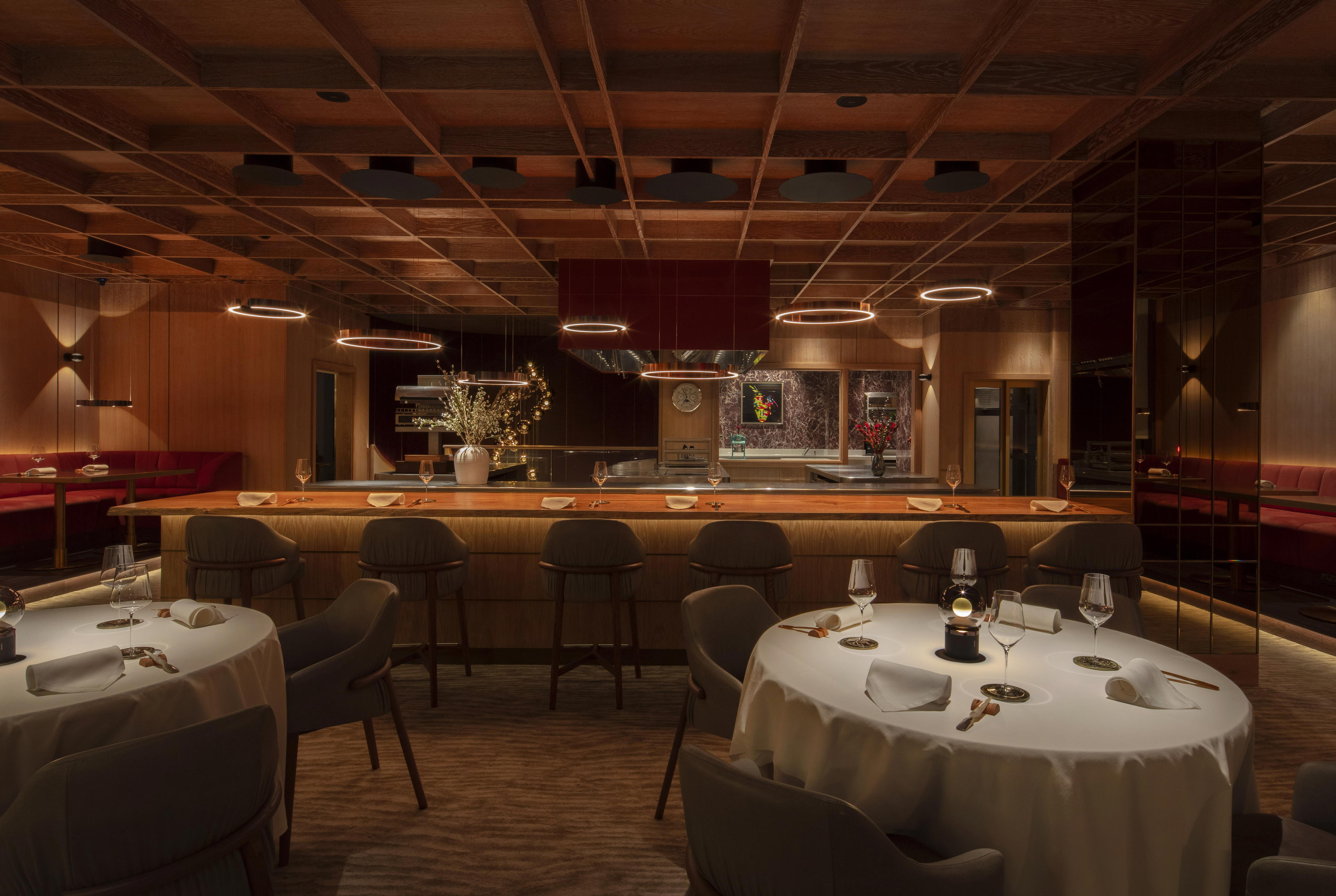
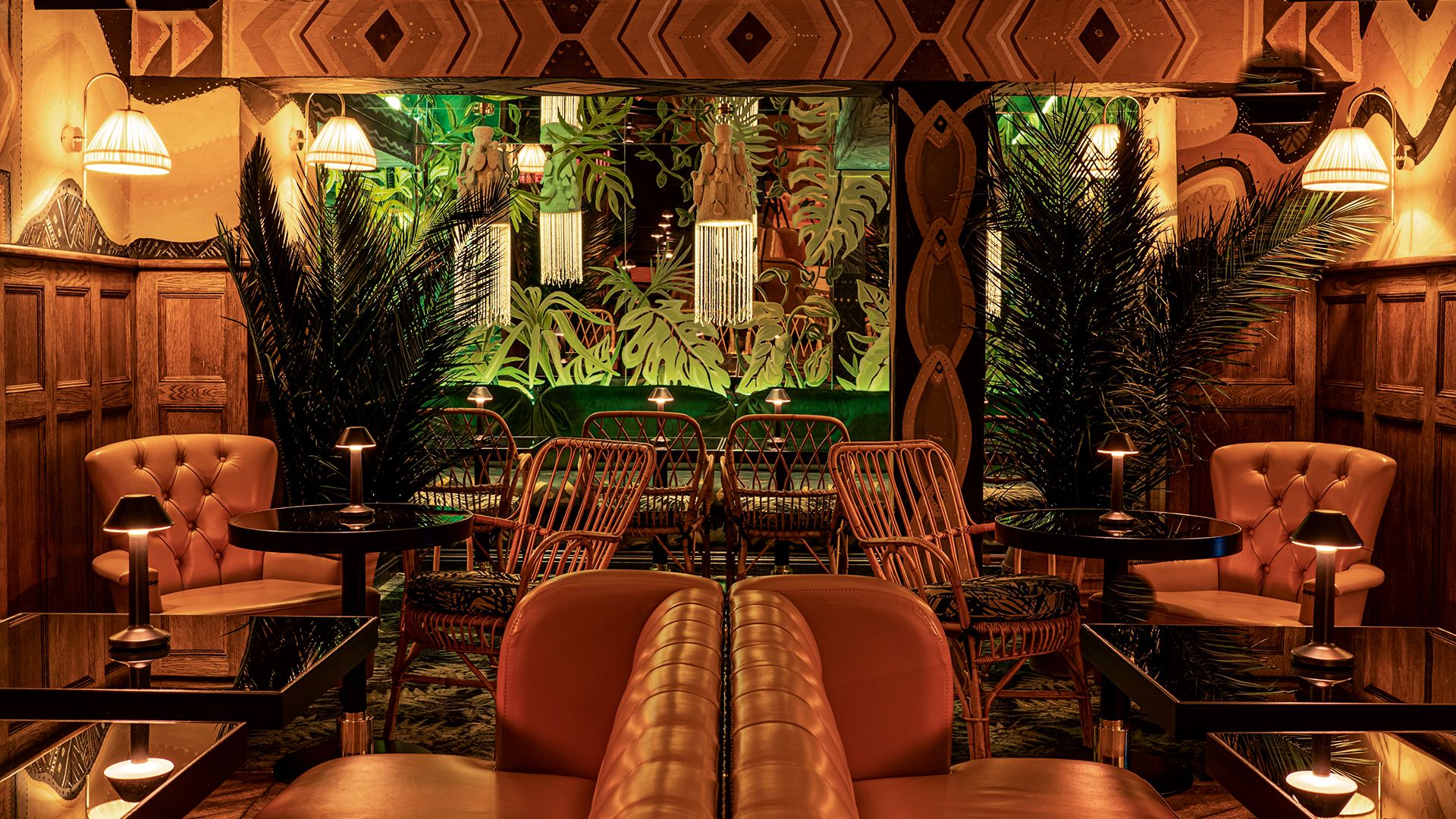
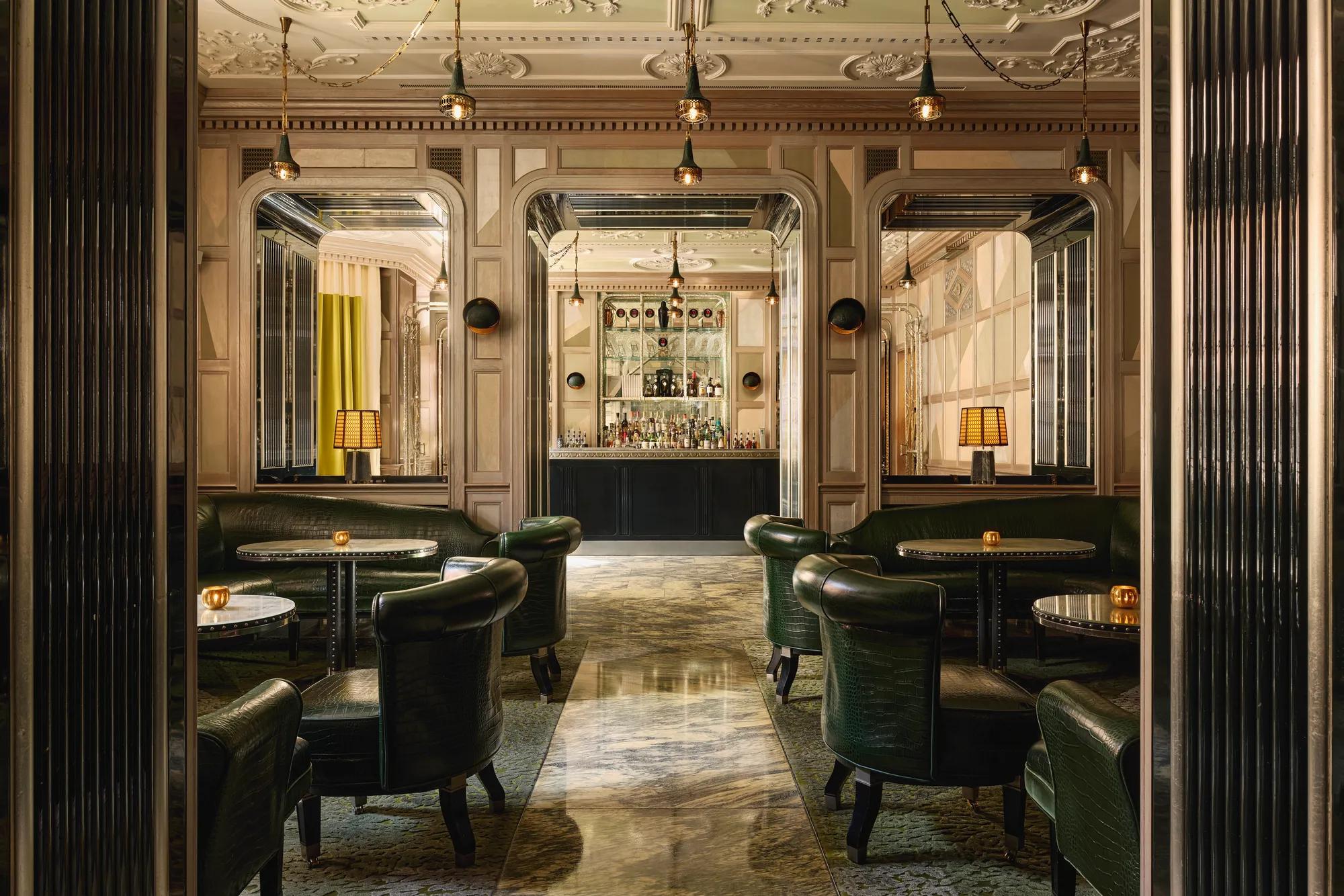
Bars in London
Browse all →
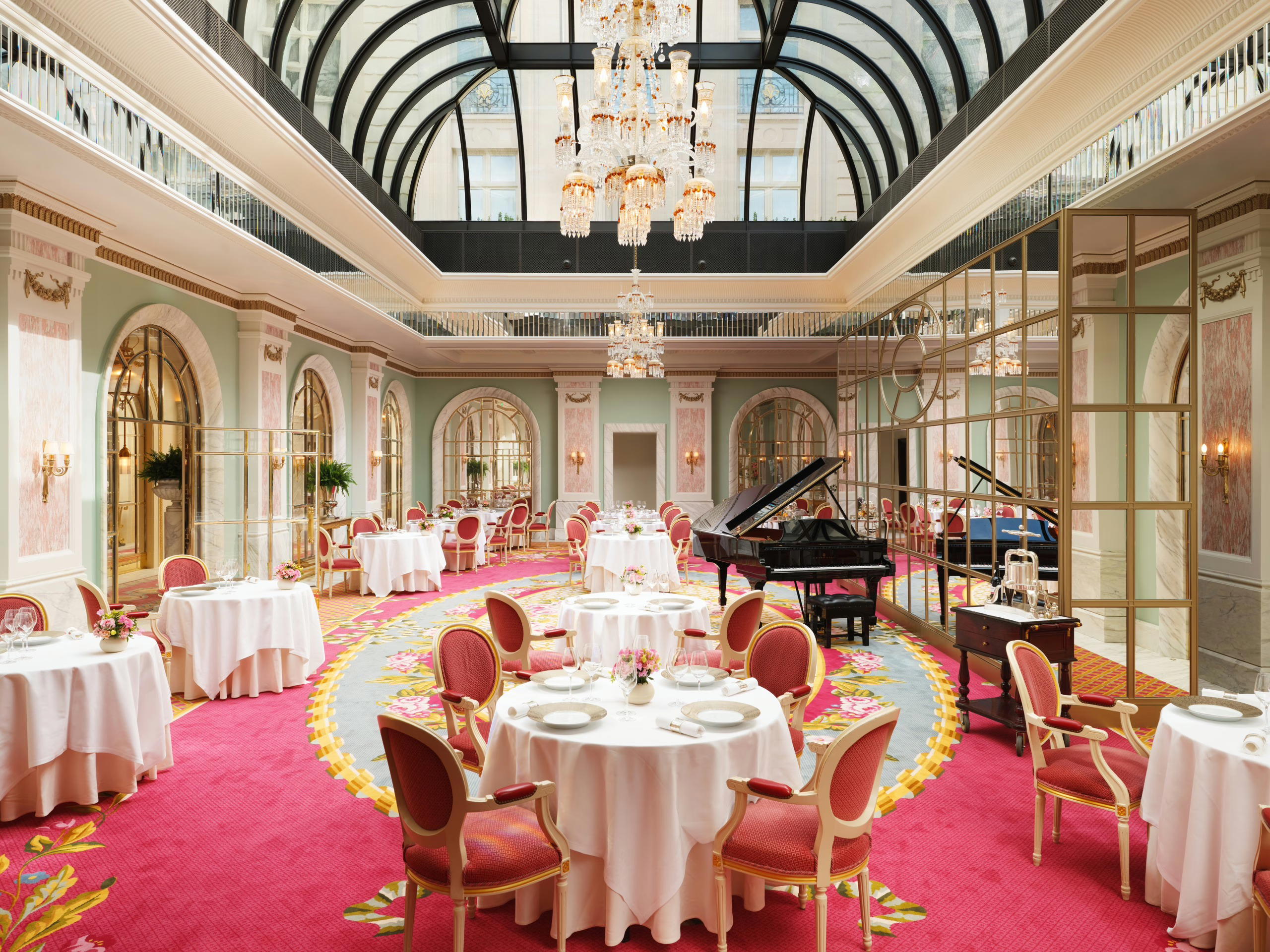
Hotels in London
Browse all →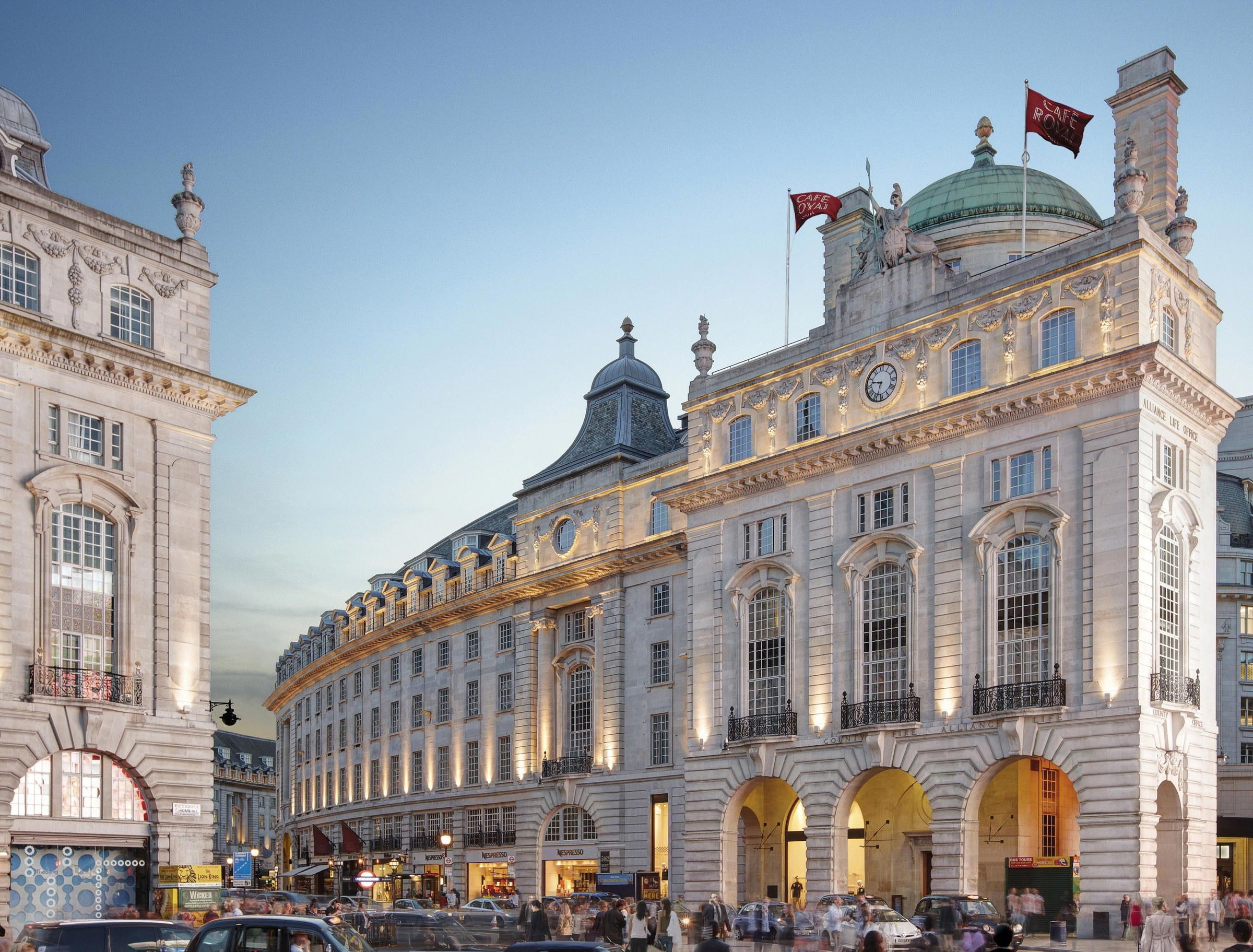

At a Glance
- Cozy
- Trendy
- Modern
- Date Night
- Group Dining
- Casual Hangout
- Open Kitchen
Current opening hours
- Monday
- 12–10 PM
- Tuesday
- 12–10 PM
- Wednesday
- 12–10 PM
- Thursday
- 12–10 PM
- Friday
- 12–10 PM
- Saturday
- 12–10 PM
- Sunday
- 12–9 PM
Hours can change for holidays and private events. Last verified .
Warm, earthy atmosphere with woven hanging lampshades, leafy greenery, exposed brick, and ambient lighting well-suited for date nights or dinners with friends.