Kokin

Kokin occupies the seventh floor of The Stratford hotel in East London's Olympic Park quarter, bringing a menu shaped by the intersection of Japanese technique and British seasonal produce to a neighbourhood more associated with regeneration than fine dining. The address alone signals a deliberate repositioning: serious cooking moving east, away from the West End corridors that dominate London's premium restaurant conversation.
Pearl is the En Primeur Club membership app — saves, bookings, and concierge access live there. Same editors, same standards.
- Address
- 7/F, The Stratford, 20 International Wy, London E20 1FD, United Kingdom
- Phone
- +44 20 3802 0402
- Website
- kokin.co.uk
- Directions
- Get directions
 Saves & bookings on Pearl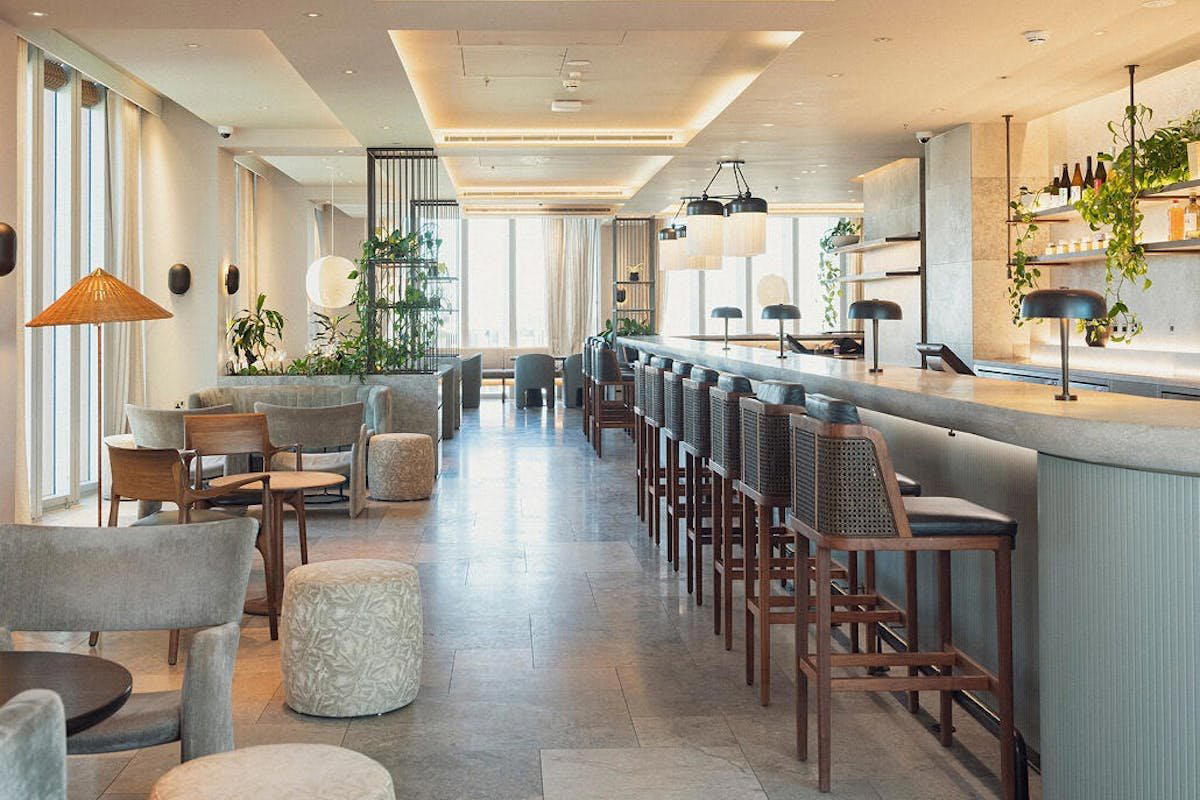
East London's New Coordinates for Japanese-Inflected Dining
Kokin is a restaurant in London's Stratford district, serving modern Japanese kaiseki at The Stratford hotel, with pricing around $70 per person. The opening of Kokin at The Stratford hotel in the Olympic Park quarter represents a different kind of ambition. Stratford E20 is a postcode defined by infrastructure investment and demographic flux rather than by generations of dining culture, which makes the decision to plant a serious kitchen there either contrarian or prescient, depending on how the neighbourhood develops over the next decade. Either way, the address is part of the editorial statement.
That statement is reinforced by the seventh-floor position. Rooftop and refined dining rooms have proliferated across London since the early 2010s, but the view east over the Queen Elizabeth Olympic Park carries a specific charge: this is regenerated land, remade from industrial dereliction, and a restaurant looking out over it is, whether intentionally or not, making a claim about where the city's energy is moving. The physical context is not incidental to how Kokin reads as a project.
Technique Imported, Ingredients Local: The Central Argument on the Plate
The culinary tradition Kokin draws on is one of the more interesting currents running through contemporary London dining. Japanese technique applied to British seasonal produce has become a credible genre rather than a novelty act, and the reasons are partly practical and partly philosophical. British farming and fishing supply chains have matured considerably over the past twenty years, giving kitchens access to heritage breed meats, day-boat fish from Scottish and Cornish waters, and foraged ingredients with genuine provenance. Japanese cooking disciplines, particularly those concerned with precision cutting, temperature control, fermentation, and the isolation of clean flavour, happen to be well suited to showcasing those materials without overwhelming them.
The broader London context is useful here. At the upper end of the market, venues like CORE by Clare Smyth and The Ledbury have built three-Michelin-star reputations partly on their ability to make British produce the intellectual centre of the plate, filtered through European fine-dining grammar. What kitchens working with Japanese frameworks bring is a different set of priorities: greater restraint in the use of fat and acid, a higher tolerance for umami complexity, and a stricter attention to the thermal state of ingredients at the moment of service. These are not better or worse priorities than those operating at Restaurant Gordon Ramsay or Sketch's Lecture Room and Library; they are different, and the difference is what makes Kokin's genre legible as its own category rather than a variant of French-influenced British cooking.
Comparison extends beyond London. Internationally, the cross-pollination of Japanese rigour with hyperlocal sourcing has produced particularly discussed restaurants of the past decade. Atomix in New York City works a cognate territory with Korean technique rather than Japanese, while Le Bernardin demonstrates how a single-minded commitment to one protein category and one culinary tradition can sustain decades of critical authority. The question Kokin poses is whether the Japanese-British synthesis can generate that kind of sustained identity in a city that has seen many versions of fusion cooking arrive and recede.
The Stratford Setting and What It Implies
Hotel restaurants occupy a complicated position in any serious dining conversation. The association with captive audiences and conservative menus has been hard to shake, even as a wave of hotel openings across London and globally has produced particularly ambitious cooking in their respective cities. Dinner by Heston Blumenthal at the Mandarin Oriental is one cited London example of a hotel kitchen that operates entirely on its own culinary terms. Kokin's position within The Stratford places it in that conversation, with the hotel format providing the infrastructure, the seventh-floor real estate, and the operational backing that a standalone site in E20 would struggle to secure independently.
The Olympic Park location also carries logistical implications. Stratford station sits at the intersection of the Elizabeth line, the Central line, the Jubilee line, and the DLR, making The Stratford better connected by rail than many West End destinations. For diners travelling from east or northeast London, or arriving directly from Heathrow via Crossrail, the journey time undercuts the perceived distance from the centre. That connectivity is part of why the neighbourhood is viable for destination dining in a way it would not have been fifteen years ago.
How Kokin Sits Against Its British Peers
The wider British fine-dining scene provides useful orientation. Outside London, restaurants such as L'Enclume in Cartmel and Moor Hall in Aughton have built their reputations on the specificity of their local sourcing networks, with technique serving the ingredient rather than the reverse. The Fat Duck in Bray operates from a different premise, where technique and conceptual framing are the subject. Gidleigh Park in Chagford, Hand and Flowers in Marlow, and hide and fox in Saltwood each represent regional expressions of serious British cooking that resist easy categorisation. Kokin's urban East London positioning and Japanese methodological framework set it apart from all of these, but the underlying commitment to British produce as primary material connects it to a shared national conversation about what contemporary British cooking means when the techniques are not exclusively European.
Planning Your Visit
Kokin is located on the seventh floor of The Stratford hotel at 20 International Way, London E20 1FD. Stratford station provides direct access via multiple lines, including the Elizabeth line, making it reachable from central London in under fifteen minutes from Liverpool Street. As a hotel restaurant, reservations are advisable, particularly for dinner and weekend services.
Cuisine Context
Comparable venues nearby, for context on price, style, and recognition.
| Venue | Cuisine | Price | Notes |
|---|---|---|---|
| KokinThis venue — the venue you are viewing | Modern Japanese Kaiseki | $$$ | Not listed |
| Jugemu | Authentic Japanese Izakaya & Sushi | $$$ | Soho |
| Koji | Contemporary Japanese with Pan-Asian & South American Influences | $$$ | Parsons Green |
| Stones | Modern Japanese Hot Stone | $$$ | Acton |
| Sachi | Modern Kappo-Style Japanese | $$$ | Belgravia |
| Flesh & Buns | Modern Japanese Izakaya | $$$ | St Giles |
Recognition history
Dated appearances from independent guides and award organizations, with the underlying list record or original source where available.
Opinionated About Dining Casual in Europe Recommended
Opinionated About Dining
Opinionated About Dining Top Restaurants in Europe Recommended
Opinionated About Dining
Opinionated About Dining Newly Added European Restaurants
Opinionated About Dining
At a Glance
- Romantic
- Elegant
- Modern
- Intimate
- Sophisticated
- Date Night
- Special Occasion
- Open Kitchen
- Terrace
- Sake Program
- Craft Cocktails
- Sustainable Seafood
- Skyline
Current opening hours
- Monday
- 12–2 PM, 5–10 PM
- Tuesday
- 12–2 PM, 5–10 PM
- Wednesday
- 12–2 PM, 5–10 PM
- Thursday
- 12–2 PM, 5–10 PM
- Friday
- 12–2 PM, 5–10 PM
- Saturday
- 12 PM–12 AM
- Sunday
- 12–9 PM
Hours can change for holidays and private events. Last verified .
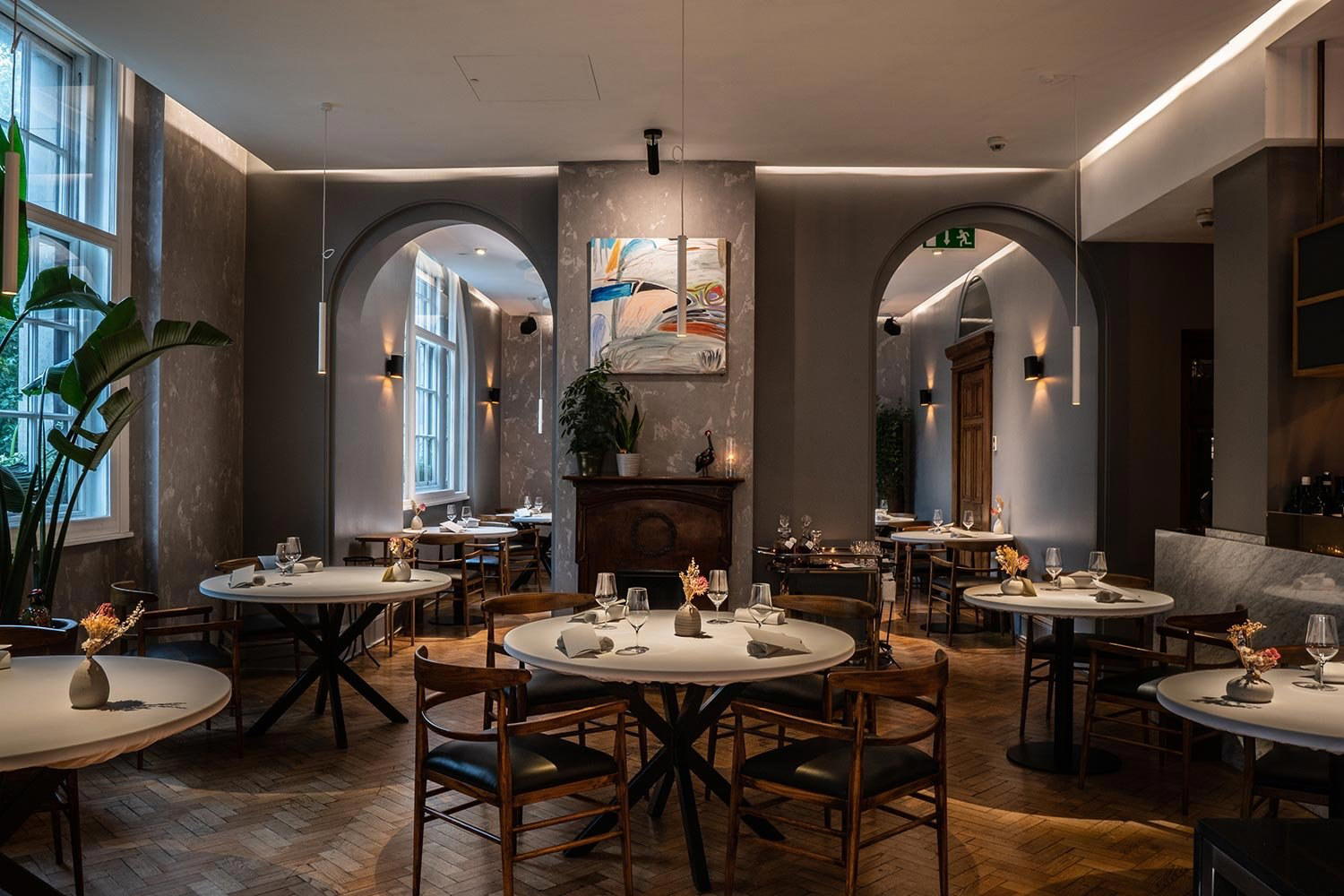
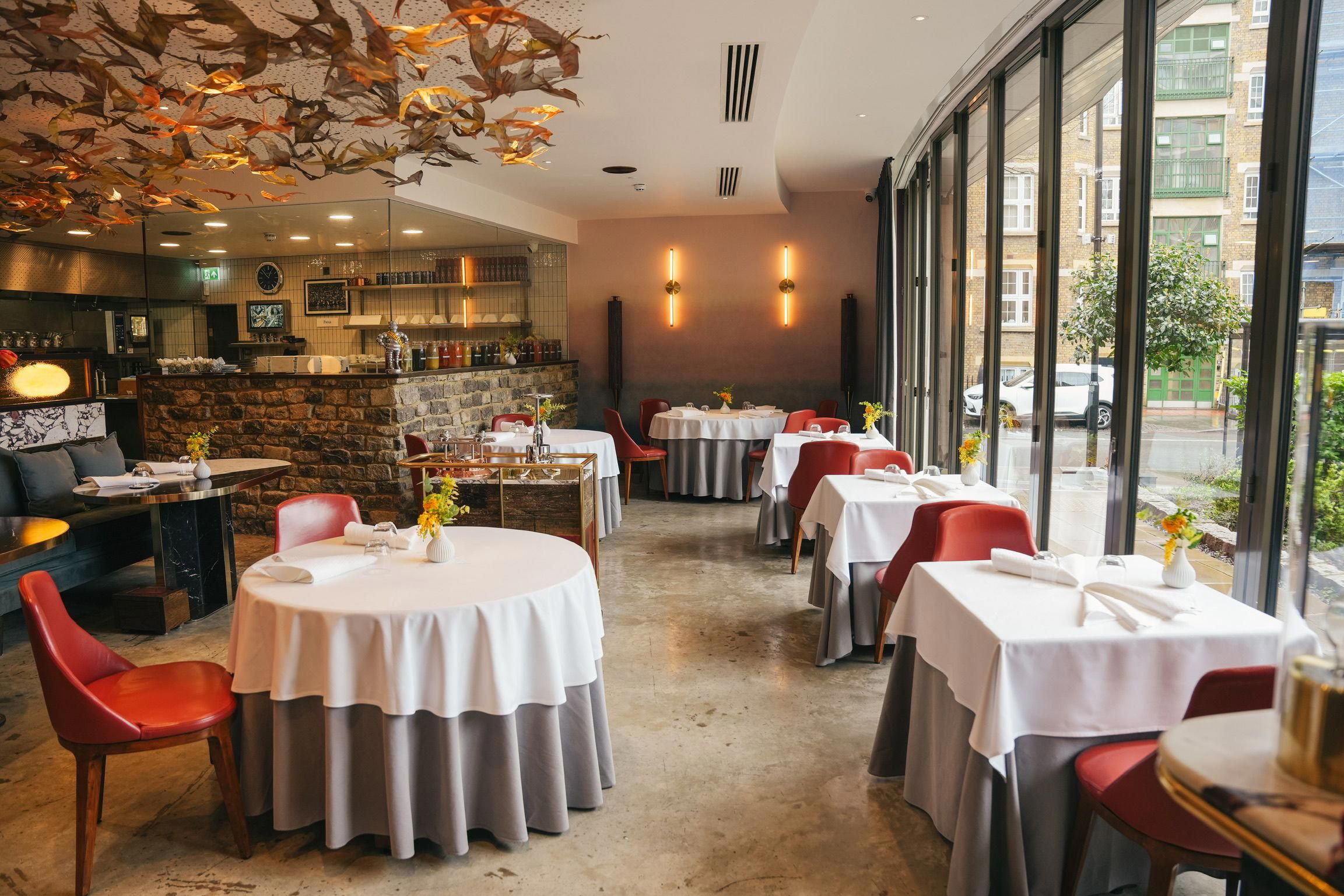
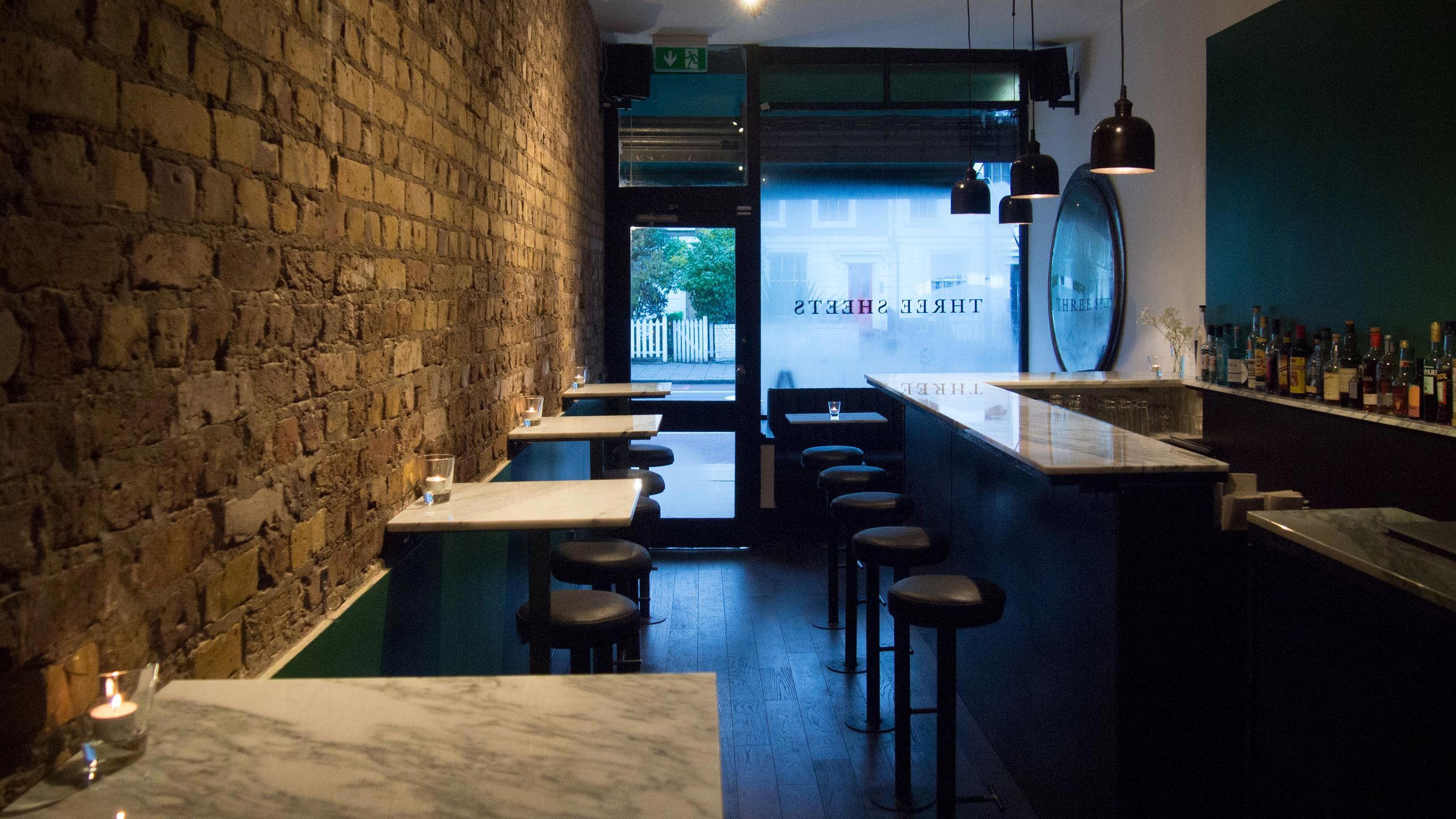
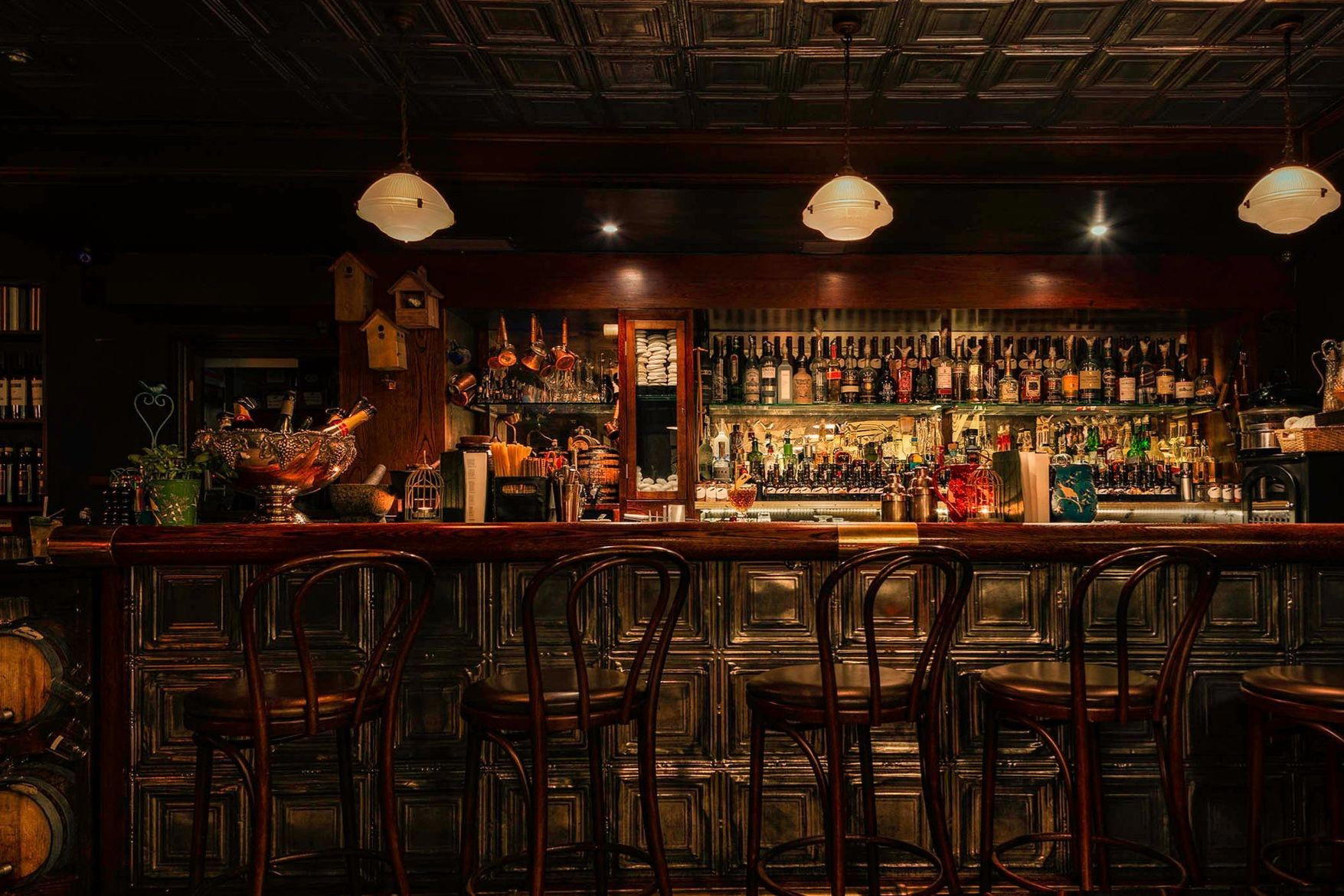
Japandi-style interior with pastel shades, plants for privacy, marble bar, and low-level lighting creating a romantic, curated atmosphere.