Koberl At Blue
Koberl At Blue serves California-Mediterranean Wine Country Cuisine in a historic building, with a sommelier-led wine list, private dining, and a leisurely dinner pace.
Pearl is the En Primeur Club membership app — saves, bookings, and concierge access live there. Same editors, same standards.
- Address
- 998 Monterey St, San Luis Obispo, CA 93401
- Phone
- +18057831135
- Website
- epkoberl.com
- Directions
- Get directions
 Saves & bookings on Pearl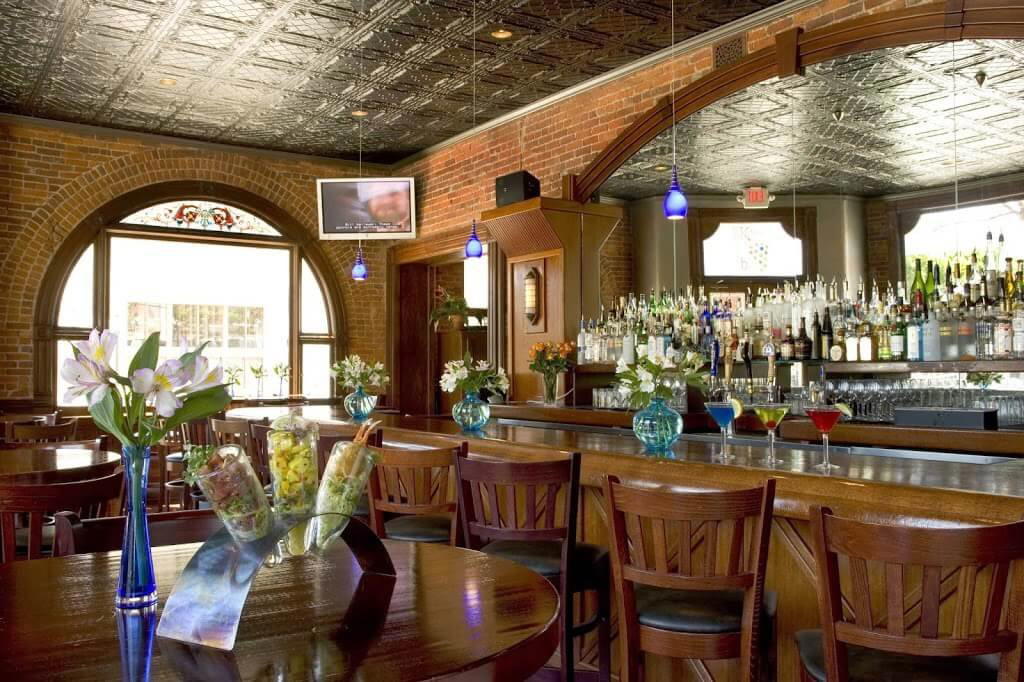
A Fixed Address on Monterey Street, and What It Tells You About San Luis Obispo Dining
Monterey Street is San Luis Obispo's main commercial corridor, a few blocks from the creek walk and close enough to the Cal Poly campus that the neighbourhood moves between student energy and older local money depending on the hour. Restaurants here compete across a wider price spectrum than you might expect from a city this size, from casual American spots drawing the lunch crowd to rooms that position themselves at the serious end of Central Coast dining. Koberl At Blue is a restaurant at 998 Monterey St in San Luis Obispo serving California-Mediterranean Wine Country Cuisine, with a recommended reservation policy and a smart casual dress code.
The Central Coast as a Dining Region
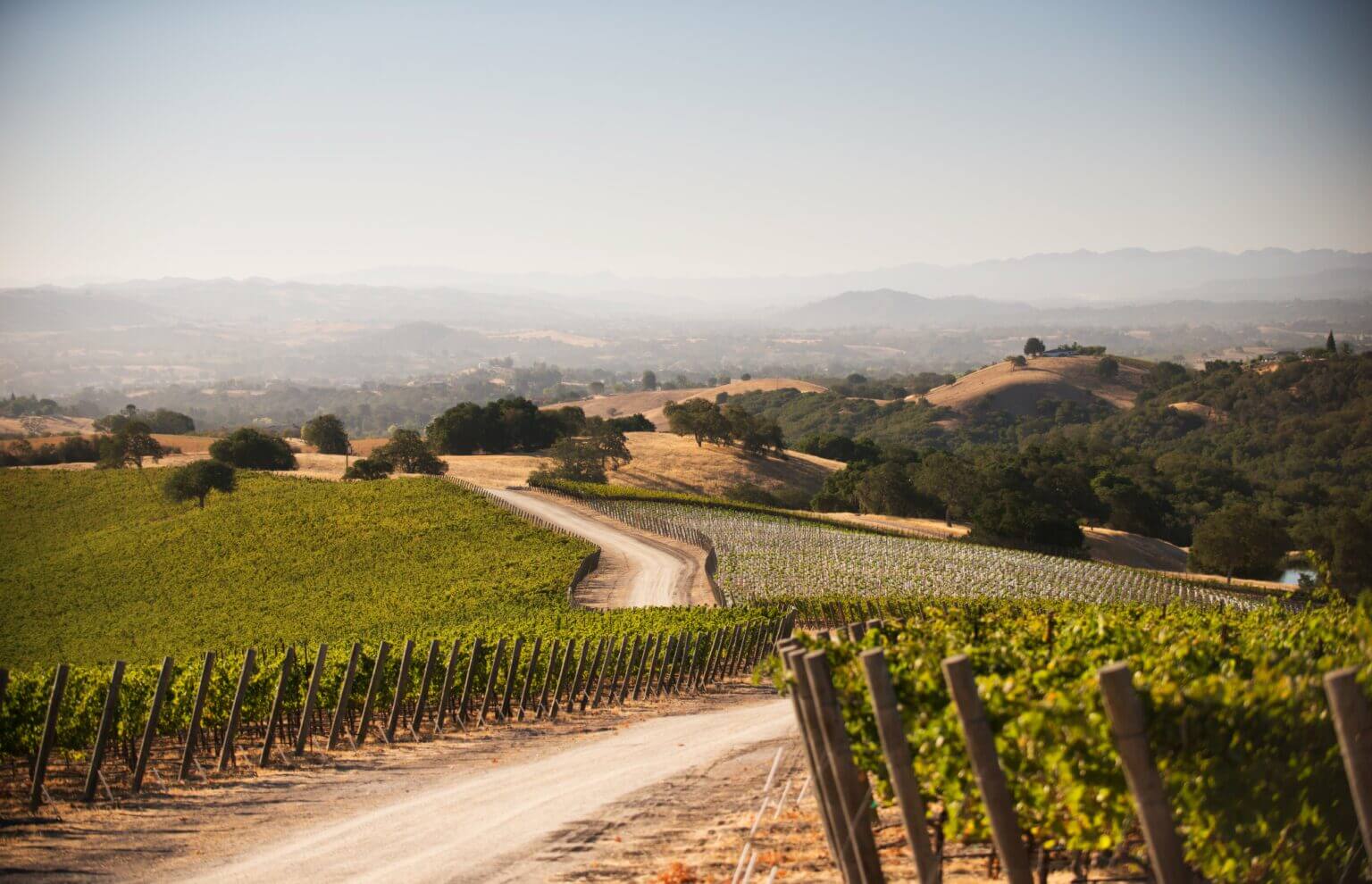
San Luis Obispo occupies a position in California dining that is easy to undervalue. Halfway between Los Angeles and San Francisco, it is close enough to wine-growing areas like Edna Valley and Paso Robles that farm-to-table sourcing is not a marketing claim so much as a geographic convenience. That proximity to production shapes what serious kitchens in the city can credibly put on a plate. The Central Coast's culinary identity has developed more slowly than the Bay Area's, but it has developed with less pretension, which suits a city that runs on a different rhythm than either metropolitan anchor.
Among San Luis Obispo's dining options, there is a clear spread. Edna operates as a multi-concept destination connecting a tasting room to a distillery and restaurant, leaning into the valley's agricultural identity. Buona Tavola and Café Roma represent the city's Italian tradition, while Bon Temps Creole Cafe brings a regional American dialect that has little competition locally. Alex Madonna's Gold Rush Steak House anchors the steakhouse tradition with longstanding local history. Koberl At Blue operates within this landscape as a venue whose name has accumulated local recognition over time, suggesting a more personal kitchen philosophy than the category-driven spots around it.
What the Name Suggests About the Format
In American restaurant culture, a chef-named establishment carries a particular implied contract with the diner. It suggests that the food is tied to a defined culinary point of view rather than a category brief. You see this pattern at different scales across the country: at the level of Le Bernardin in New York City, where the kitchen's identity is inseparable from a specific seafood tradition, or at Emeril's in New Orleans, where a regional cuisine anchors a named brand. The format works when the kitchen behind the name has something coherent to say. At the independent, single-location level that Koberl At Blue represents, that coherence tends to come through consistency over time rather than a single marquee credential.
That positioning places the venue in a different tier from the city's casual options and closer to a set of peers who think about the full experience, not just the food.
Placing Koberl At Blue in Its Competitive Set
California's independent fine-dining tier has always operated in the shadow of its most decorated addresses. The French Laundry in Napa, Single Thread Farm in Healdsburg, and Lazy Bear in San Francisco represent the state's upper bracket, restaurants where the booking lead time alone is a signal of their position. Further down the coast, Providence in Los Angeles and Addison in San Diego hold Michelin recognition in their respective cities. The restaurant operates at a different altitude, in a mid-sized city with a fraction of those markets' visitor volume. That context is not a criticism. It means the restaurant is making a case on different terms: longevity, local loyalty, and a kitchen that does not need a metropolitan audience to survive.
Nationally, the conversation about ambitious dining outside major cities has sharpened in recent years. The Inn at Little Washington is one cited example of a destination kitchen that built its reputation in a town with no natural foot traffic. On a smaller scale, serious independent restaurants in secondary American cities have argued for a while that geography is not destiny. San Luis Obispo's dining scene is not at that refined level of national recognition, but the principle holds: a kitchen with a clear identity can sustain itself outside the cities that dominate the food press.
Cultural Roots and the California Table
California cuisine as a tradition is now several decades old, old enough that its founding gestures, local sourcing, seasonal menus, relaxed formality alongside serious technique, have become defaults rather than statements. What distinguishes one California kitchen from another at this point is how those principles are applied. The Central Coast has the ingredient advantage: proximity to Edna Valley produce, Pacific seafood, and Paso Robles wine country means that a kitchen paying attention has access to materials that kitchens in less fortunate locations would spend significant money importing. Whether a restaurant uses that access with discipline or merely references it is the critical distinction.
The international frame matters here too. The chef-named American restaurant tradition has counterparts in Europe and Asia that are worth holding in mind for perspective. The discipline of Atomix in New York City, which applies Korean culinary logic to fine dining, or the produce-led precision of Blue Hill at Stone Barns in Tarrytown, shows what farm-connected American dining can become when the sourcing principle is taken to its furthest point. 8 1/2 Otto e Mezzo Bombana in Hong Kong demonstrates how Italian culinary tradition can hold its own at the highest level in a non-European context. These are different scales and different cities, but they map the territory within which any serious California kitchen is implicitly positioning itself. Alinea in Chicago further illustrates that a city's tier in the national dining hierarchy does not cap what an individual kitchen can achieve.
Planning a Visit
The restaurant is located at 998 Monterey St in San Luis Obispo, within walking distance of the city's downtown core. For a venue of this type, reservations are recommended, particularly on weekends.
Cost Snapshot
Comparable venues nearby, for context on price, style, and recognition.
| Venue | Cuisine | Price | Notes |
|---|---|---|---|
| Koberl At BlueThis venue — the venue you are viewing | Not listed | $$$ | Not listed |
| Edna | Edna Valley, Coastal American | $$ | Not listed |
| Alex Madonna's Gold Rush Steak House | Madonna Inn, Oak-Pit Steakhouse | $$$ | Not listed |
| La Locanda | Downtown, Authentic Northern Italian | $$$ | Not listed |
| Novo | Not listed | $$$ | Downtown San Luis Obispo, Global Farm-to-Table with International Small Plates |
| House of Bagels | Downtown, New York-Style Bagels | $ | Not listed |
Continue exploring
More in San Luis Obispo
Restaurants in San Luis Obispo
Browse all →
Bars in San Luis Obispo
Browse all →
Hotels in San Luis Obispo
Browse all →


At a Glance
- Elegant
- Romantic
- Classic
- Sophisticated
- Date Night
- Business Dinner
- Special Occasion
- Celebration
- Historic Building
- Private Dining
- Extensive Wine List
- Sommelier Led
- Farm To Table
- Local Sourcing
Current opening hours
- Monday
- Closed
- Tuesday
- 4–9 PM
- Wednesday
- 4–9 PM
- Thursday
- 4–9 PM
- Friday
- 4–9 PM
- Saturday
- 4–9 PM
- Sunday
- Closed
Hours can change for holidays and private events. Last verified .
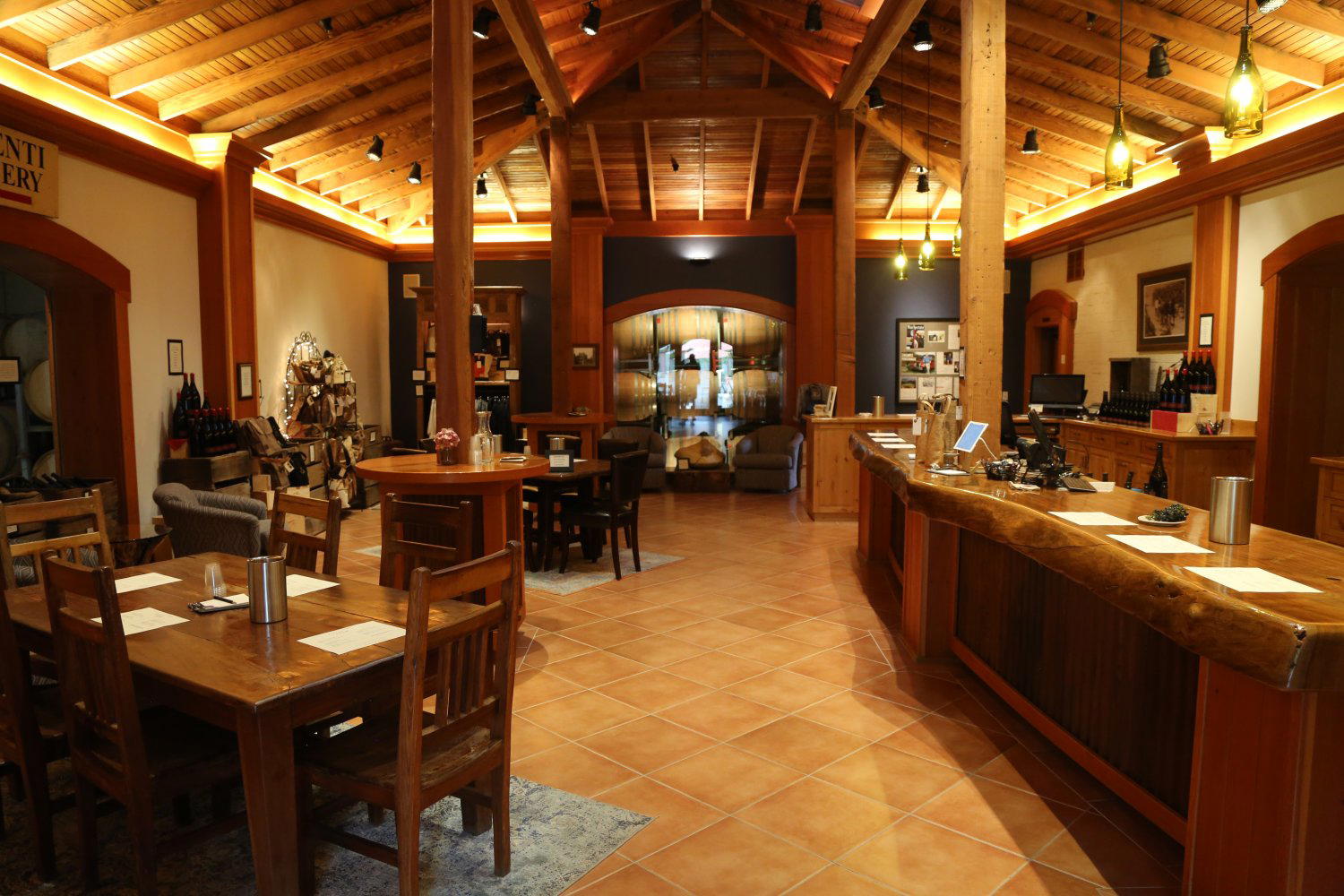
Rustic yet elegant brick-walled interior with candlelit tables, white tablecloths, and refined contemporary décor creating an intimate fine dining atmosphere.