Kobé Japanese Steakhouse - Clearwater
Kobé Japanese Steakhouse on US-19 in Clearwater represents the teppanyaki dining format that took root across American suburbs in the 1970s and remains a reliable anchor for the style in the Tampa Bay corridor. The theatrical tableside grill, shared seating, and the interactive cook performance place it squarely in the communal end of Japanese-American dining. Clearwater diners looking for a spirited group format will find the format well-established here.
Pearl is the En Primeur Club membership app — saves, bookings, and concierge access live there. Same editors, same standards.
- Address
- 28775 US Hwy 19 N, Clearwater, FL 33761
- Phone
- +17277911888
- Website
- kobesteakhouse.com
- Directions
- Get directions
 Saves & bookings on Pearl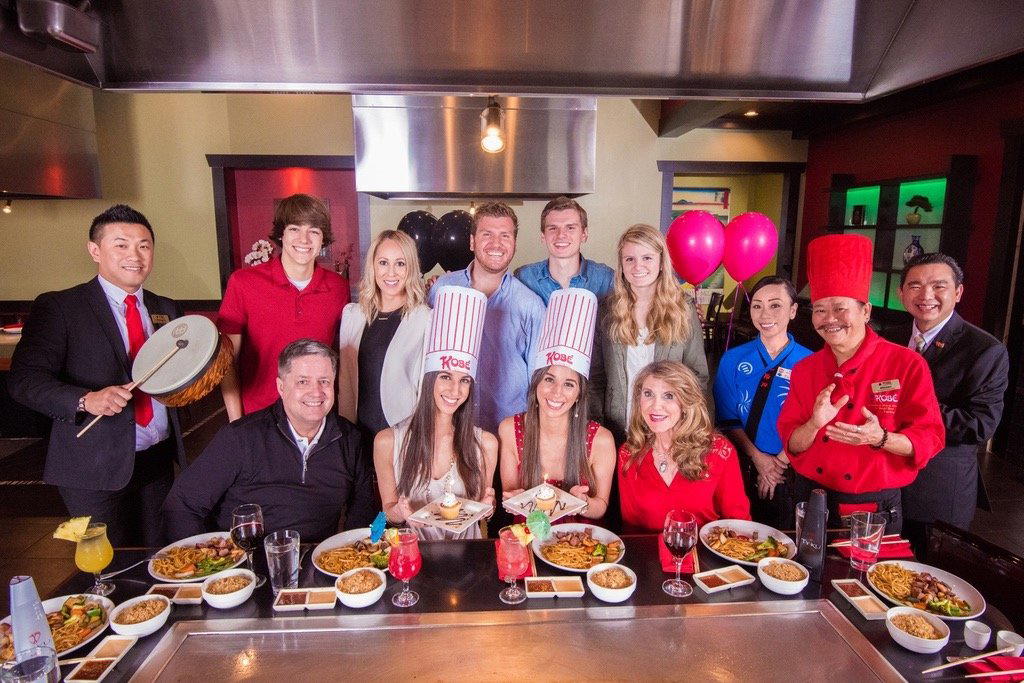
The Teppanyaki Table and What It Actually Is
Kobé Japanese Steakhouse - Clearwater is a teppanyaki Japanese steakhouse in Clearwater, Florida, with a casual dress code, recommended reservations, and an average price of about $40 per person. The format, where a chef cooks on a flat iron griddle at the center of a communal table, arrived in the United States through Benihana's 1964 New York opening and spread steadily through the following decades. By the 1990s, the teppanyaki chain had become a recognizable category of its own in American dining, not quite Japanese in the Tokyo sense, not quite a conventional steakhouse, but a hybrid format with its own rituals and expectations. Kobé Japanese Steakhouse on US Highway 19 in Clearwater operates within that tradition, at an address that has served the Clearwater and Dunedin corridor for years.
Understanding the format matters because teppanyaki restaurants are frequently misread. They are not sushi bars, not izakayas, and not the quiet omakase counters that have defined premium Japanese dining in cities like New York and Los Angeles. At venues like Atomix in New York City, the experience is built around restraint, silence, and a single chef's precise sequencing of courses. Teppanyaki inverts nearly all of those values: the theatre is collective, the noise is part of the offer, and the cook performance, from the onion volcano to the flying shrimp, is as much the point as the protein on the plate. Kobé operates in that register, and should be evaluated on those terms.
What the Format Delivers and Where It Sits in Clearwater's Dining Picture
Clearwater's dining scene runs along a fairly wide spectrum. At one end sit the casual waterfront spots oriented toward tourists and Gulf-side visitors. At the other, a smaller tier of destination-quality independent restaurants has developed, including Bascom's Chop House, which occupies the premium steakhouse bracket, and Alfano's Restaurant, which anchors the Italian-American end of the market.
Kobé sits in its own category: a venue where the experience format, not just the food, is the primary draw. The communal table structure means you may be seated alongside strangers, which is standard for the teppanyaki format and part of its social contract. A table of eight strangers who arrived separately can leave feeling like they shared something, which is not a claim most solo-chef restaurant formats can make. That social dimension separates Kobé from both the intimate Italian independents and the fine-dining steakhouses in the same city. It is worth placing alongside Curries Authentic Indian Restaurant, Grand Hacienda, and Daily News Restaurant in Belleair as part of the mid-tier independent dining fabric that gives Clearwater its character beyond the beach strip.
The Cultural Roots of the Teppanyaki Format
The word hibachi refers to a small charcoal heating device in Japanese domestic life, not a cooking format for restaurants. What American diners call hibachi is more accurately teppanyaki, cooking on a teppan, or iron plate. The confusion is almost entirely an American artifact, and it points to the degree to which the format was reimagined for its export market. In Japan, teppanyaki exists but remains a more restrained affair; the theatrical chef performances that define American chain teppanyaki have no direct Japanese antecedent.
That reimagining is worth taking seriously rather than dismissing. American teppanyaki became its own thing, with its own cultural codes and its own comfort. The onion-ring tower lit with a small flame, the fried rice tossed in a high arc, the egg cracked on a spatula mid-flip, these are genuine folk rituals of American dining, with a lineage now stretching across more than half a century. The format has outlasted dozens of other novelty dining trends from the same era precisely because it delivers on something that transcends novelty: a reason to be at the same table, watching the same thing, together. That is a more durable value proposition than the format's critics typically acknowledge.
Venues at the far end of American dining ambition, from Alinea in Chicago to The French Laundry in Napa to Le Bernardin in New York City, pursue a version of theatre that is equally considered, if differently calibrated. But those are singular, high-investment experiences. The teppanyaki format democratized a version of live-cook drama for a much wider audience, which is its own contribution to American dining culture.
Kobé in the Context of American Japanese Steakhouse Chains
The Kobé brand operates multiple locations across Florida and the Southeast. That chain context is relevant: Kobé is not an independent operator, but a regional group with standardized format and consistent execution across sites. For a reader comparing it to something like Single Thread Farm in Healdsburg or Blue Hill at Stone Barns in Tarrytown, where every element is singular and chef-driven, the comparison misses the point. Kobé competes with Benihana and similar regional teppanyaki operators, not with destination fine-dining venues.
Within that competitive set, what matters is consistency of execution, value delivered per cover, and the reliability of the group dining experience. The Clearwater location on US-19 North occupies a commercial corridor that draws both local regulars and out-of-town visitors making their way through the Tampa Bay metro. The format works equally well for birthday dinners, company outings, and family gatherings where a shared spectacle is the priority. For those occasions, the teppanyaki format at Kobé functions as a dependable instrument, which is more than can be said for many nominally ambitious restaurants that underdeliver on their stated premise.
Planning Your Visit
The US-19 corridor in Clearwater is a car-dependent commercial strip; there is no meaningful pedestrian approach, and the parking lot is the practical entry point. Reservations are recommended, particularly for weekend evenings and larger groups. Arriving as a group is the format's natural fit; solo diners and couples will be seated with other parties at the same table, which is convention for teppanyaki restaurants across the country, not a quirk of this location. Kobé is not reaching for that tier, and the honesty of that positioning is itself useful information for a reader deciding where to spend an evening in Clearwater.
A Pricing-First Comparison
Comparable venues nearby, for context on price, style, and recognition.
| Venue | Cuisine | Price |
|---|---|---|
| Kobé Japanese Steakhouse - ClearwaterThis venue — the venue you are viewing | Not listed | $$$ |
| Island Way Grill | Clearwater Beach, Dining | $$$ |
| Alfano's Restaurant | Clearwater, Classic Italian | $$$ |
| Curries Authentic Indian Restaurant-Clearwater | North Pinellas, Authentic Indian Cuisine | $$ |
| Katch Bistro | Feather Sound, New American Bistro | $$ |
| Joseph's Tea Room Clearwater | Clearwater, Afternoon Tea Room | $$ |
Continue exploring
More in Clearwater
Restaurants in Clearwater
Browse all →
Bars in Clearwater
Browse all →
At a Glance
- Lively
- Energetic
- Group Dining
- Family
- Celebration
- Open Kitchen
- Sake Program
Current opening hours
- Monday
- 5–9:30 PM
- Tuesday
- 5–9:30 PM
- Wednesday
- 5–9:30 PM
- Thursday
- 5–9:30 PM
- Friday
- 5–10 PM
- Saturday
- 12–10 PM
- Sunday
- 12–9:30 PM
Hours can change for holidays and private events. Last verified .
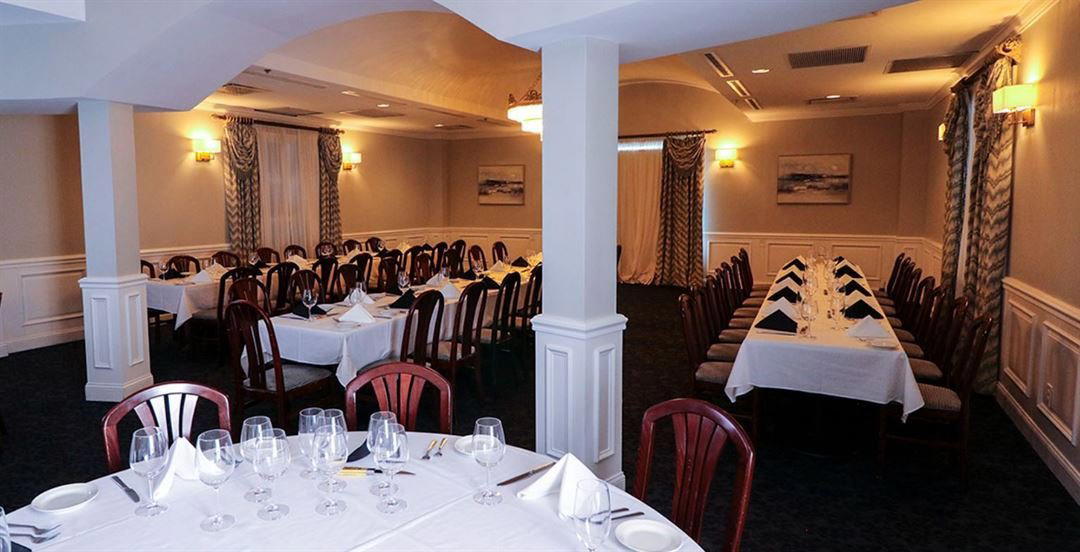
Lively and energetic atmosphere with sizzling grills, cheerful chatter, and lively communal seating around the teppanyaki tables.