Caffè Central fits Katowice’s compact city-centre café culture, where casual meals, coffee, and short-stop dining matter as much as formal restaurant ceremony. Its appeal is less about awards theatre and more about placement within a practical urban circuit: a useful counterpoint to Katowice’s bistros, burger rooms, and contemporary Polish kitchens.
Pearl is the En Primeur Club membership app — saves, bookings, and concierge access live there. Same editors, same standards.
- Address
- Dworcowa 5, 40-012 Katowice, Poland
- Directions
- Get directions
 Saves & bookings on Pearl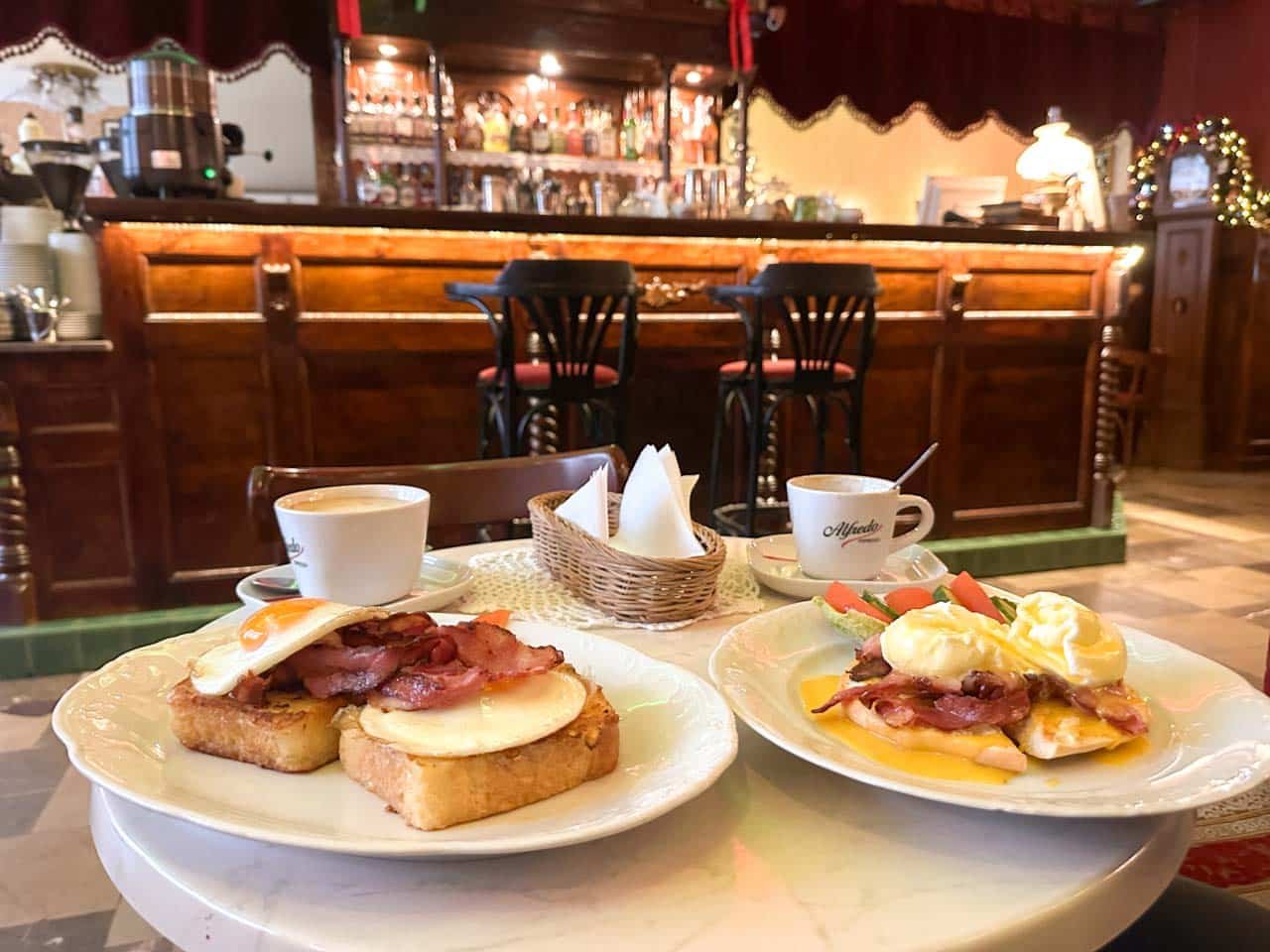
Central Katowice is a city of short walks, tram lines, railway-era architecture, and café rooms that work hardest between errands, office hours, and the first part of the evening. Caffè Central belongs to that urban rhythm. The experience is not built around ceremony; it sits in the everyday category where coffee, simple food, and a dependable room become part of how the city eats between more formal reservations.
That matters in Katowice because the dining scene has changed quickly. The city now supports contemporary Polish cooking, casual bistros, lunch counters, burger specialists, and international formats within a tight centre. A café in this setting is judged less by spectacle than by usefulness: can it anchor a morning, handle a low-pressure meal, and make sense before or after a longer plan elsewhere in the city?
A city-centre café in a dining scene moving beyond heavy Silesian clichés
Katowice’s food identity can no longer be reduced to old industrial shorthand. Silesian cooking remains part of the regional story, but the present-day centre is more varied: bistro plates, compact lunch formats, coffee-led rooms, and casual restaurants sit alongside hotel dining and more ambitious kitchens. Caffè Central reads inside that shift, as a café-format address rather than a destination tasting room.
The ingredient question in a café context is practical rather than theatrical. In this tier, sourcing shows up through freshness, turnover, and whether the kitchen can make everyday food feel properly timed. Katowice diners are not short of choice, so a central café has to earn repeat use through consistency and suitability for the moment, not through a long list of claims.
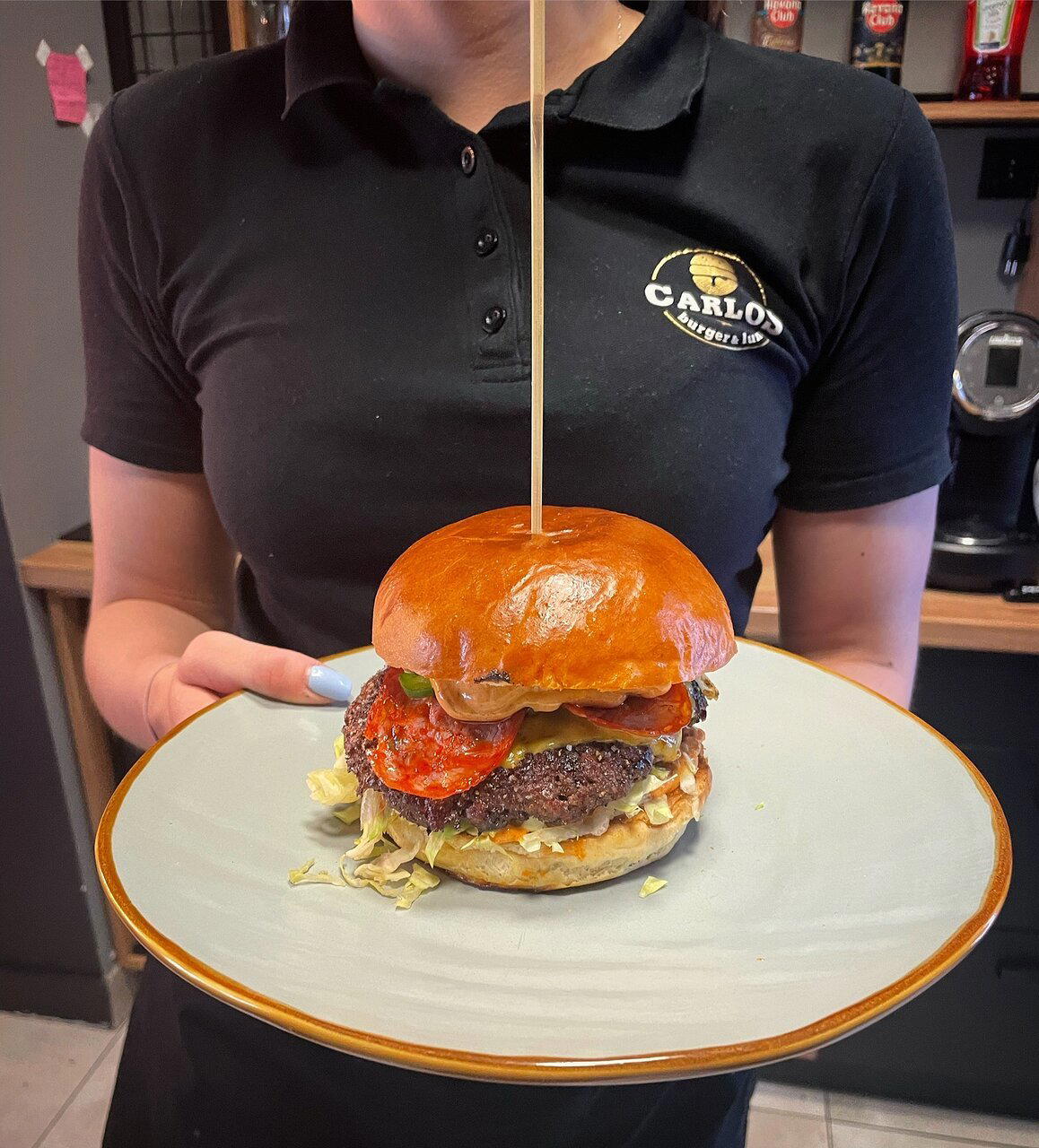
For a more formal local comparison, Art Katowice and Amfora belong to a different kind of meal planning. Kaktusy Kato Koncept Kulinarny and Kolorowo bistro sit closer to the casual city-centre lane, while Carlos Burger&Lunch represents the faster, more defined lunch format. Caffè Central occupies the softer middle: useful when the day does not call for a full restaurant decision.
Where cafés matter: timing, flexibility, and the meal between meals
Polish city cafés have become important because they solve a problem that restaurants often do not. They allow partial commitment. A guest can meet for coffee, pause over a small meal, or use the room as a bridge between travel, shopping, work, and evening plans. In Katowice, where the centre is compact and cultural venues, offices, hotels, and transport links sit close together, that flexibility has real value.
The restaurant should be understood through that lens. It is not competing with tasting-menu kitchens or award-led dining rooms; it competes with the decision to eat lightly, keep the schedule open, and stay central. That makes it especially relevant for travellers who want a city-centre stop without turning lunch into an event.
Readers mapping a broader stay should treat this as one piece of the local circuit rather than the whole plan. Our full Katowice restaurants guide gives the dining spread, while Our full Katowice hotels guide, Our full Katowice bars guide, Our full Katowice wineries guide, and Our full Katowice experiences guide help place the café stop inside a complete itinerary.
How it fits a Polish food itinerary beyond Katowice
Katowice is not Poland’s only city where casual formats carry serious weight. Travellers moving through the country will find the same split elsewhere: formal dining for set-piece meals, café and bistro rooms for the days that need pace. Compare the role of compact, accessible restaurants such as "MaQAron Spaghetteria" Gdańska 25 Bydgoszcz in Bydgoszcz, 2PiEr in Lublin, 3 Rybki in Kraków, and A nóż widelec in Poznań. At the more planned end of the spectrum, 1906 Gourmet Restaurant in Ciekocinko and 1911 Restaurant in Sopot ask for a different kind of commitment.
That contrast is the point. A good city itinerary needs both the reservation meal and the reliable informal stop. The restaurant belongs to the latter category, and its value lies in reducing friction. It gives Katowice visitors a central, low-ceremony option in a city whose food culture is increasingly defined by range rather than a single regional script.
For readers comparing formats outside Poland, the distinction is familiar. Specialist rooms such as Jōdo Saké Bar in Los Angeles or Onigiri Time in Pasadena show how tightly focused casual dining can become; Katowice’s café culture works with a broader brief. It is about timing, centrality, and a room that can carry several kinds of day.
Comparable Spots, Quickly
Comparable venues by cuisine and price in the same metro.
| Venue | Cuisine |
|---|---|
| Caffè Central | This venue |
Continue exploring
More in Katowice
Restaurants in Katowice
Browse all →
Bars in Katowice
Browse all →
Hotels in Katowice
Browse all →
At a Glance
- Elegant
- Classic
- Sophisticated
- Cozy
- Well Known
- After Work
- Casual Hangout
- Business Dinner
- Solo
- Group Dining
- Hotel Restaurant
- Historic Building
- Design Destination
- Private Dining
- Zero Proof
Refined hotel-café atmosphere inside a historic luxury property, with a calm, polished feel suited to coffee, drinks, and informal meetings rather than loud nightlife.