Michelin Plate · Canada's 100 Best Restaurants #85
Our verdict
A solo-chef Japanese tavern on Plateau Mont-Royal where reduced seating means more time at the counter and less distance between kitchen and guest. Chef Hiroshi Kitano sources sashimi from Japanese purveyors and plates chirashi with the precision of a jeweller. The carbonara with sea urchin and wild boar mapo tofu signal a kitchen operating well outside any single category.

Pearl is the En Primeur Club membership app, where members save venues, book tables and use the concierge.
The menu
What to order
- Chirashi bowl
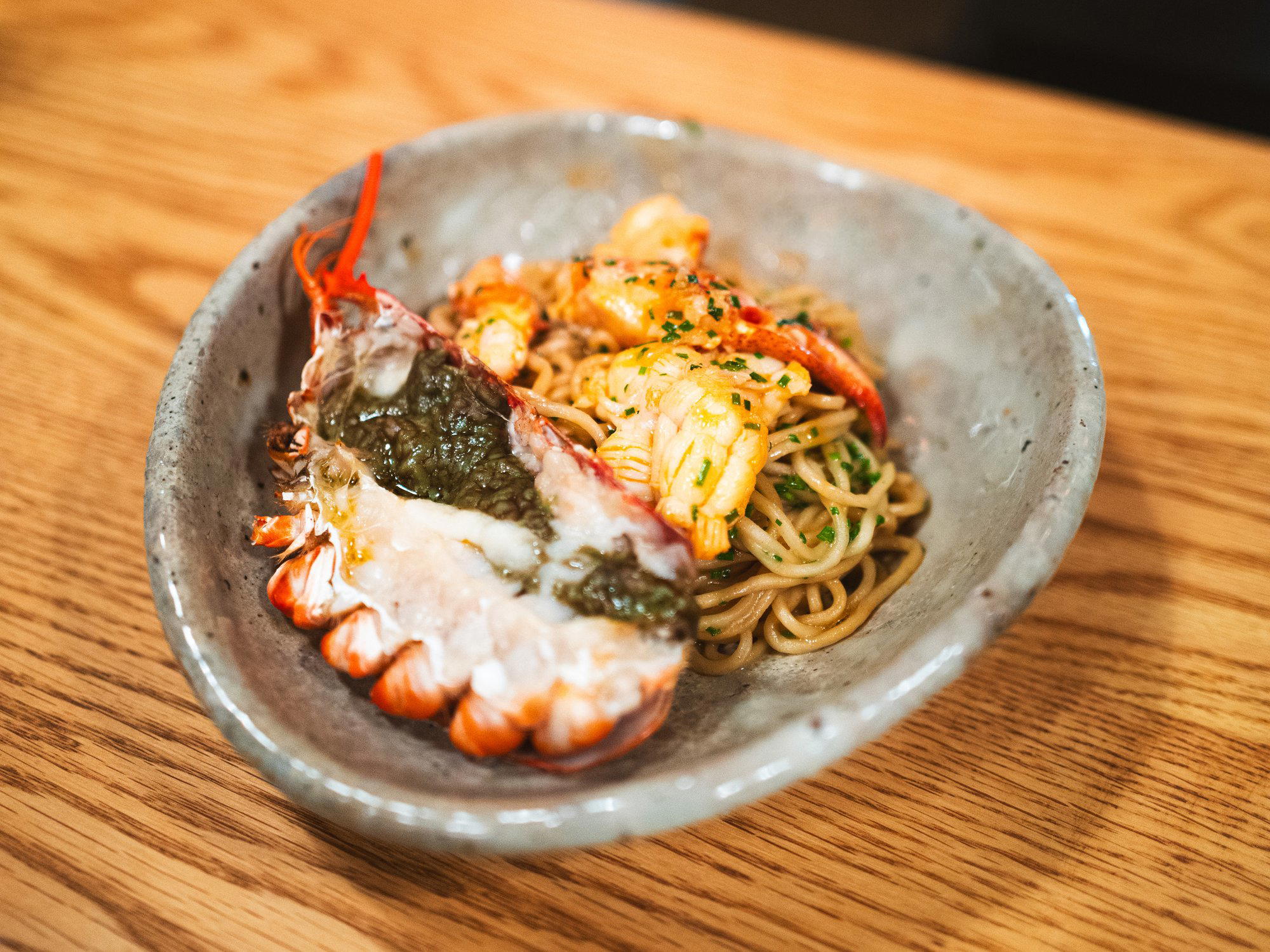
- Duck confit mazemen
- Uni carbonara
A Counter With Nowhere to Hide
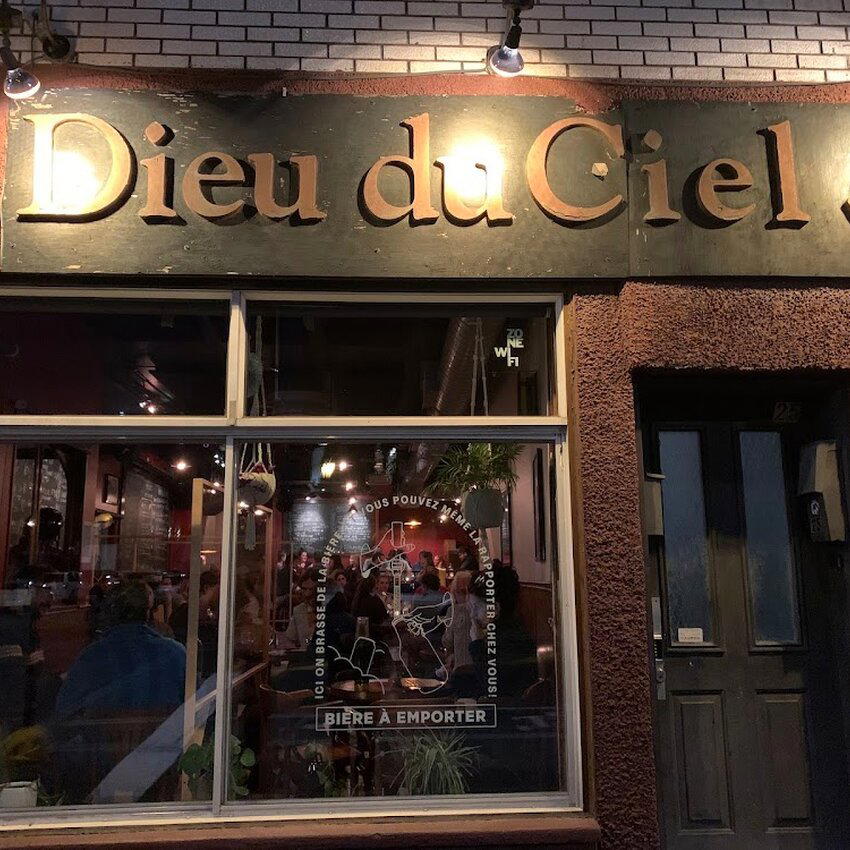
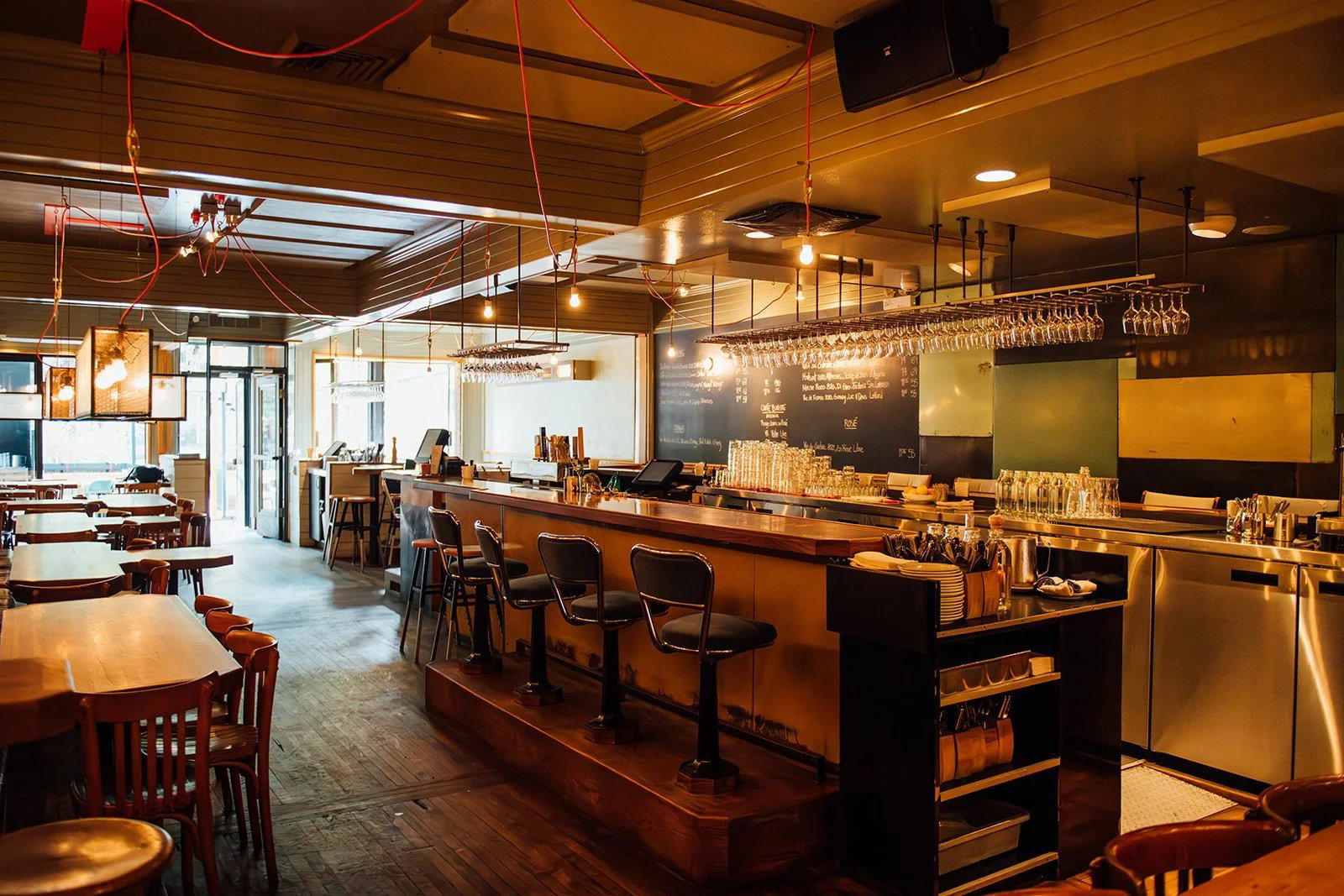
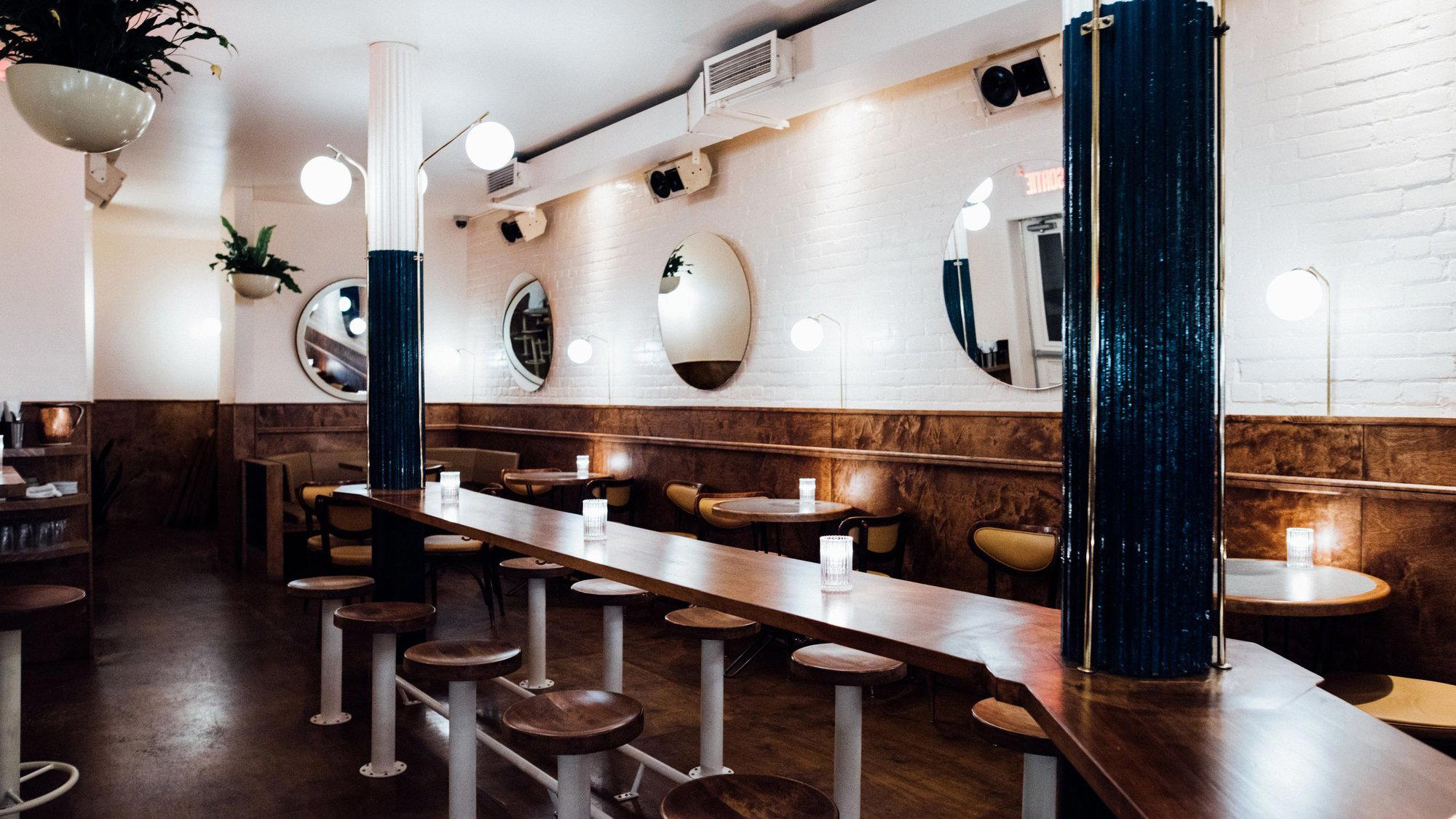
The Plateau Mont-Royal end of Avenue Mont-Royal runs through one of Montreal's most densely opinionated eating neighbourhoods, where French bistro logic, natural wine bars, and neighbourhood staples sit within a few blocks of each other. Kitano Shokudo occupies a different register entirely. The room reads as a Japanese izakaya transplanted into a Plateau shopfront: small, unadorned, the kind of space where the absence of design statement is itself a statement. Approaching it, you're not being sold an experience before you walk through the door.
That restraint carries through to the format. Solo-chef operations in Montreal have historically clustered around the tasting-menu model, where a single cook can control output and sequence without front-of-house complexity. Kitano Shokudo doesn't follow that playbook. Chef Hiroshi Kitano recently reduced his seating capacity, not to add exclusivity theatre, but to allow longer, less pressured exchanges with the people actually at his tables. It's a distinction worth noting: the logic here is hospitality compression rather than prestige rationing.
What the Menu Is Actually Doing
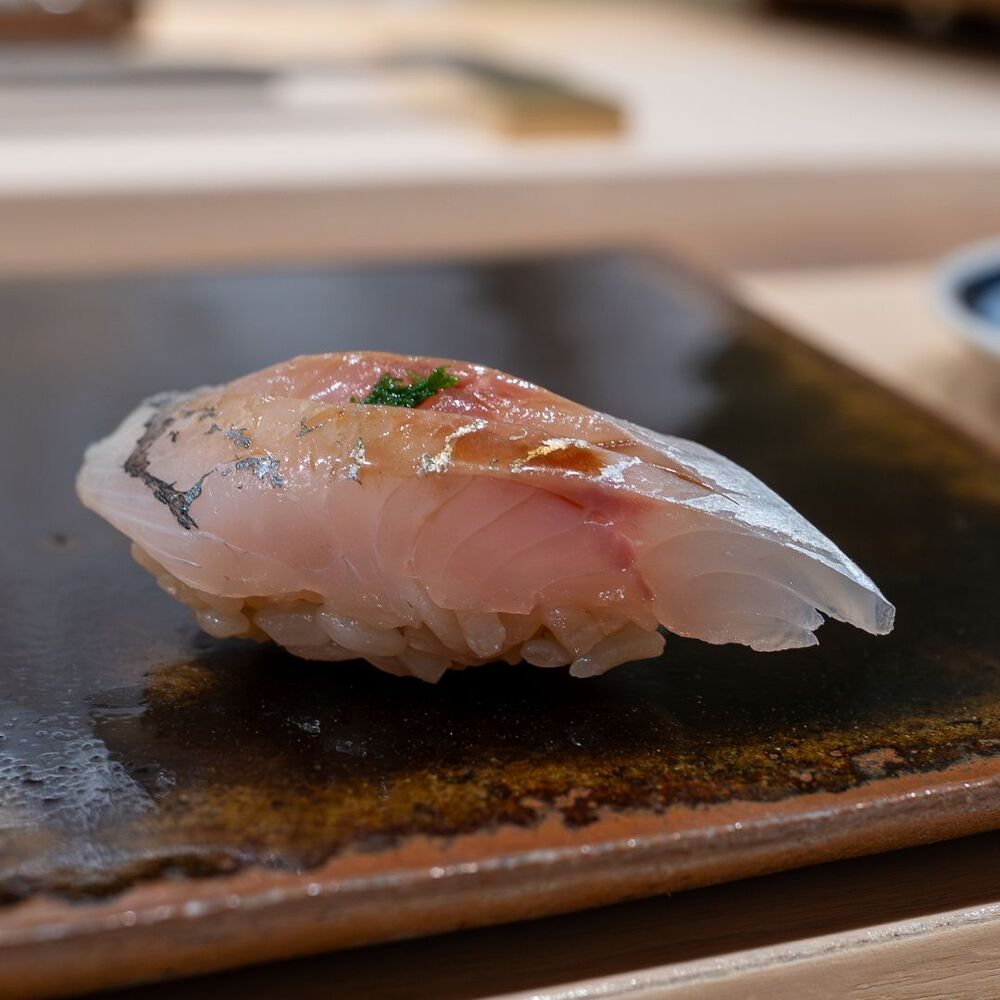
Japanese cooking in Montreal spans a wide spectrum, from fast-casual sushi to high-end omakase counters that price against Tokyo rather than the local market. Kitano Shokudo sits somewhere that resists easy categorisation. The sashimi comes from Japanese purveyors, which matters because supply chain is where many Canadian Japanese restaurants make their first compromise. The chirashi is described, accurately, as looking like a jewellery box, precise, colour-conscious, the kind of presentation that treats a rice bowl as a composition rather than an assembly.
But the menu also moves laterally. Mapo tofu with wild boar is a Sichuan-Japanese hybrid that requires confidence in both traditions; the dish only works if the fermented bean paste logic and the game meat are in actual dialogue rather than just cohabiting a bowl. And then there is the carbonara with sea urchin. Pasta appears occasionally in Japanese restaurants as a legacy of the yoshoku tradition, where European techniques were absorbed and reprocessed through Japanese sensibility. A creamy carbonara built around the briny richness of uni is exactly that kind of translation: familiar in structure, disorienting in flavour. These are not fusion gestures for novelty's sake. They suggest a kitchen that has absorbed multiple culinary languages and is using them selectively.
The Team Dynamic at a One-Person Counter
The editorial angle of chef-sommelier-floor collaboration usually assumes a division of labour. At Kitano Shokudo, that division collapses into a single person managing multiple roles simultaneously. What emerges instead is a different kind of hospitality coherence: without a buffer between kitchen and table, every decision about pacing, explanation, and attention lands with the chef directly. The reduced capacity makes this sustainable. It also means the guest experience is unusually direct, closer to eating at a private counter than at a restaurant in the conventional sense.
Montreal has a history of small-format restaurants that operate this way. The city's dining culture has long supported chef-owner models where the cooking and the room are genuinely the same project. Kitano Shokudo is an extension of that pattern, but filtered through a Japanese sensibility about the relationship between cook and customer. In izakaya culture, the kitchen is not a production facility behind a wall; it is part of the social space. The deliberate reduction in covers here reinforces that logic rather than contradicting it.
Where It Sits in Montreal's Current Scene
Montreal's restaurant moment is partly defined by Michelin-recognised addresses like Jérôme Ferrer - Europea and Mastard, which operate in the formal tasting-menu tier with corresponding price points and booking lead times. The city also has a productive middle range of destination neighbourhood restaurants, including Sabayon, Alma Montreal, and Annette bar à vin, where the cooking is serious but the format stays accessible. Kitano Shokudo doesn't map cleanly onto either tier. Its price range is not published, its format is closer to tavern than tasting menu, and its logic is hospitality-first rather than prestige-first.
Nationally, this kind of precision-small solo operation has analogues elsewhere. Alo in Toronto and AnnaLena in Vancouver represent different versions of chef-driven intimacy at scale. In Quebec, Tanière³ in Québec City occupies the high-ceremony end of that spectrum.
For a broader map of where Kitano Shokudo sits among the city's options, the full Montreal restaurants guide covers the range from neighbourhood staples to formal dining rooms. The Montreal bars guide, hotels guide, and experiences guide are useful for building a longer stay around a dinner here. If you're drawn to Canadian restaurants operating at this level of personal commitment, Narval in Rimouski, Restaurant Pearl Morissette in Lincoln, and The Pine in Creemore each represent a similar disposition toward cooking as practice rather than product. Internationally, Le Bernardin in New York City and Atomix in New York City show how Japanese and French-inflected precision scales at the formal end; Kitano Shokudo is the argument for what happens when it doesn't scale at all. Also worth exploring: the Montreal wineries guide for pairing context around Japanese-influenced menus in the region.
Planning a Visit
The address is 143 Mont-Royal Ave E, on a stretch of the avenue that is walkable from several Plateau neighbourhoods and accessible from the Mont-Royal metro station. Given the reduced capacity and solo-chef format, arriving without a confirmed booking is a poor strategy. The kitchen's output depends on exactly how many covers are seated, so the difference between a table and no table is unlikely to be resolved at the door.
Price range is also unpublished, which is common among small Japanese restaurants where the bill depends heavily on what you order from the seasonal selection rather than a fixed menu price. Budget expectations built around comparable quality sashimi sourcing and the level of sourcing described would place this above casual dining, but the izakaya format means the spend is more controllable than a set tasting menu.
Frequently asked questions
What's the address for KITANO SHOKUDO?
KITANO SHOKUDO is located at 143 Mont-Royal Ave E, Montreal, Quebec H2T 1N9, Canada, Montreal.
Is KITANO SHOKUDO Michelin-listed?
KITANO SHOKUDO has received recognition including: The tiny and unassuming Plateau bistro looks the part of an authentic Japanese tavern. Chef Hiroshi Kitano works alone and recently reduced his seating capacity, so that he could spend more time with his customers. Expect sashimi from Japan….
What's the signature dish at KITANO SHOKUDO?
Two dishes stand out from the documented menu: the chirashi, described as arranged with the precision of a jewellery box, and the creamy carbonara with uni, an Italian-Japanese crossover that reviewers consistently flag as the reason to return. The kitchen also produces mapo tofu with wild boar, a combination that signals Kitano's willingness to push well beyond standard Japanese bistro territory.
How hard is it to get a table at KITANO SHOKUDO?
Chef Hiroshi Kitano works the counter alone and has recently cut seating capacity deliberately, choosing fewer covers over higher throughput so he can spend more time with each guest. That decision makes reservations genuinely competitive. Booking ahead is the practical move rather than an option.
Style and Standing
Comparable venues nearby, for context on price, style, and recognition.
| Venue | Cuisine | Price | Awards | Notes |
|---|---|---|---|---|
| KITANO SHOKUDOThis venue (the venue you are viewing) | Modern Japanese Izakaya | $50–100 | Michelin Plate · Canada's 100 Best Restaurants #85 | Not listed |
| Jatoba | Modern Japanese Fusion | $50–100 | Not listed | Centre-Ville |
| Pincette | Modern Seafood Lobster Bar | $50–100 | Not listed | Vieux Montréal |
| NORA GRAY | Southern Italian | Not listed | Canada's 100 Best Restaurants #90 | Vieux Montréal |
| Restaurant Sho-dan | Authentic Japanese Sushi with Fusion | Not listed | Not listed | Golden Square Mile |
| Bis Ristorante | Classic Italian Fine Dining | $50–100 | Not listed | Golden Square Mile |
Recognition history
Dated appearances from independent guides and award organizations, with the underlying list record or original source where available.
Michelin Plate
Michelin
Canada's 100 Best Restaurants #85
Canada's 100 Best