
Kirschblute belongs to Osaka’s quieter bread culture rather than its spectacle-driven dining circuit: a small Minamihorie bakery with Tabelog Bread WEST “Tabelog 100” selections in 2020 and 2022. Its appeal is format discipline, low-friction take-out, and a price bracket that keeps it closer to an everyday bakery ritual than a destination tasting-menu splurge.
Pearl is the En Primeur Club membership app — saves, bookings, and concierge access live there. Same editors, same standards.
- Address
- Japan, 〒550-0015 Osaka, Nishi Ward, Minamihorie, 3 Chome−11−6 プチメゾンビル
- Phone
- +81 6-6541-8585
- Website
- baeckerei-kirschbluete.com
 Saves & bookings on Pearl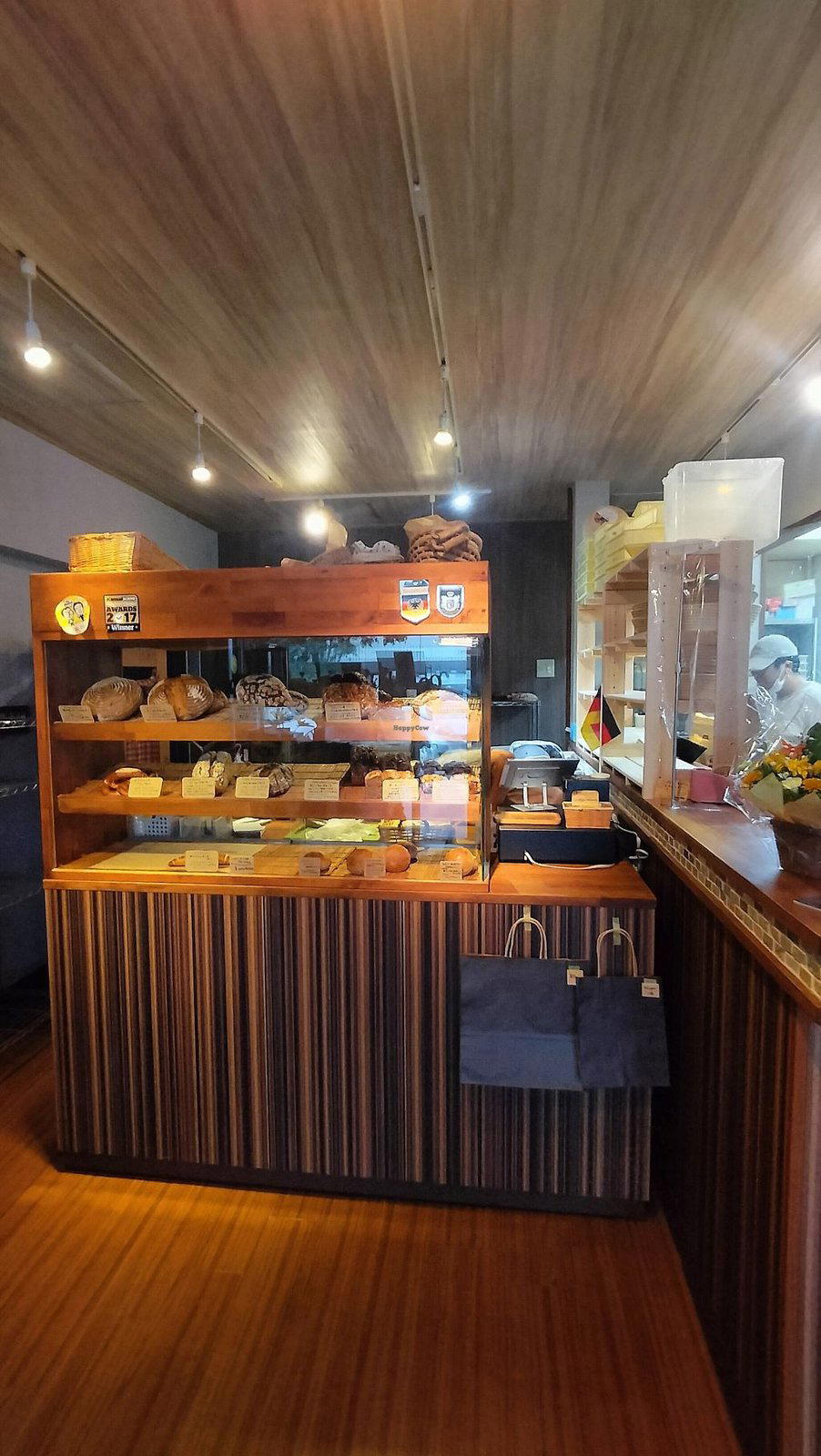
Minamihorie changes pace quickly: design shops, apartment blocks, and back-street food counters sit close enough that the neighbourhood can feel residential one minute and sharply curated the next. Here, Osaka’s bread scene works more quietly than its better-known takoyaki, kushikatsu, and ramen circuits. The point is not theatre but repetition, timing, and small-shop rhythm, where shelves matter more than dining-room choreography.
Kirschblute fits that pattern. The bakery sits in the bread-and-sandwich category rather than the patisserie lane, and its recognition on Tabelog Bread WEST “Tabelog 100” in 2020 and 2022 places it within a regional bread conversation, not just as a neighbourhood convenience stop. That matters in Osaka, where casual formats are easy to underestimate because the city is so fluent in low-price eating. A Tabelog score of 3.62, with repeat selection in a specialist bread list, signals consistency rather than spectacle.
Osaka bread culture, measured by restraint rather than spectacle
Osaka’s serious bakery culture sits apart from the city’s louder food identity. Visitors usually arrive primed for steam, grill smoke, counter queues, and late-night carbohydrates; bread asks for another reading of the city. It belongs to morning and afternoon planning, takeaway habits, and small domestic decisions rarely found in travel shorthand. A bakery like this can be more revealing than another high-volume dining room because it shows how Osaka eats when nobody is performing Osaka for outsiders.
The category rewards precision differently from restaurant criticism. A bakery has no sommelier, pacing arc, or chef’s counter to frame the experience. It has production discipline, shelf turnover, and a narrow window in which the day’s work is judged. Kirschblute’s small scale is therefore the operating condition, not a limitation. The format is take-out led, with only four seats listed, so the experience is closer to a purchase-and-walk ritual than a lingering meal, and nearer to the practical Osaka of office workers, parents, and neighbourhood regulars than to the reservation economy.
The price tier also tells a story against Osaka peers. Menya Taku occupies the same sub-¥999 bracket but speaks the language of ramen utility; Curry & Spice Warung and Patisserie Rechercher move into the ¥1,000–¥1,999 range; ASIAN KITCHEN ChaiChai and Mrs. Yun sit higher again. Kirschblute’s value is not simply that it is cheaper, but that its category turns modest spending into an immediately usable food stop. For travellers building a day around Nishi Ward rather than one reservation, that distinction matters.
The evolution is in the format: small, specialist, and resistant to overextension
Opened in 2011, the bakery now reads as part of a mature Osaka pattern: specialist shops with limited seating, defined categories, and enough recognition to draw interest beyond their immediate blocks. The evolution here is not a pivot into grander service but the opposite. In a dining culture shaped by tasting menus, online booking pressure, and international ranking language, the bread shop remains compact, with a clear use case. Recognition arrived without turning it into a full-service restaurant, which is why it remains editorially useful.
That restraint should be separated from nostalgia. Small Japanese bakeries are not automatically charming because they are small, and awards do not turn every loaf into a revelation. The practical reading is stronger: a bread-and-sandwich shop with repeat Tabelog 100 recognition gives the traveller a reliable entry into Osaka’s everyday food rhythm without committing a meal slot to ceremony. The absence of reservation availability reinforces the point. This is not a table to secure months ahead; it is a timing-sensitive stop where stock and schedule shape the experience.
Location matters too. Minamihorie and the area around Nishinagahori are useful for travellers who want Osaka beyond obvious dining corridors. The neighbourhood has enough retail and residential texture to make a bakery stop feel natural, not staged. It pairs easily with a wider food day: casual lunch elsewhere, a coffee break, or a later dinner in another district. Readers mapping a broader itinerary can cross-reference Our full Osaka restaurants guide, then layer in adjacent planning through Our full Osaka hotels guide, Our full Osaka bars guide, Our full Osaka wineries guide, and Our full Osaka experiences guide.
How to place it within an Osaka food day
The smart use of Kirschblute is not as a conventional restaurant. It works as a daytime anchor in Nishi Ward, especially for travellers who understand that Osaka’s food intelligence is spread across formats. An itinerary can move from bakery to counter meal to bar without making every stop carry the weight of dinner. That suits Osaka better than a trophy-only checklist, because the city’s character often appears through quick, practical formats.
For a compact Osaka crawl, compare the bakery’s role with other casual and specialist entries such as.cafe, 52CHO-ME BAKERY, 551 Horai (551蓬莱), 99 Pizza Napoletana Gourmet, and a canto (Italian). The contrast is useful: Osaka’s range is not a ladder from casual to formal, but a set of formats with different time commitments and expectations. Bread, pork buns, pizza, café stops, and Italian cooking each answer a separate travel problem.
The broader Japan and transpacific context sharpens that point. Casual specialist formats can carry serious editorial weight in many cities, from -Grilled beef Sukiyaki- KAMAKURA TANUKIAN 鎌倉 たぬき庵 in Kamakura and. 鮪と炭火焼き うお炭 秋葉原店 in Tokyo to.know in Kumamoto, (Shoku) Vietnam in Kawasaki, [Curry Senmon Ten] Maruyama Kyoju. in Sapporo, and [ki:] in Kyoto. Even outside Japan, the logic holds at places such as Jōdo Saké Bar in Los Angeles and Onigiri Time in Pasadena: format discipline can matter as much as scale.
The editorial verdict is narrow, and that is its strength. Kirschblute is for travellers who want Osaka’s specialist bread culture in a small, low-cost, take-out-oriented form, backed by repeat regional recognition. It is not the place to build an evening around, and does not need to be. Its value is showing how a city known for appetite also rewards restraint, timing, and the quiet confidence of a shop that has kept its format tight for more than a decade.
Fast Comparison
Comparable venues at the same tier.
| Venue | Cuisine | Price | Notes |
|---|---|---|---|
| KirschbluteThis venue — the venue you are viewing | German bakery and sandwich shop | $ | Not listed |
| Boulangerie P&B | Artisan bakery and bagel shop | $ | Nishi |
| Horumon Gibier Myojo | Stand-up Japanese horumon & wild game bar | $ | Chūō |
| Hakugin Tei | Japanese Curry | $ | Chūō |
| Cafe AMADEUS STORY | European-style Dallmayr cafe | $$ | Kita |
| Ebishi | Soba noodle shop | $ | Chūō |
Recognition history
Dated appearances from independent guides and award organizations, with the underlying list record or original source where available.
Tabelog 100 #65 · No. 65
Tabelog · Tabelog 100 - Bread - WEST - 2022
Continue exploring
More in Osaka
Restaurants in Osaka
Browse all →




Bars in Osaka
Browse all →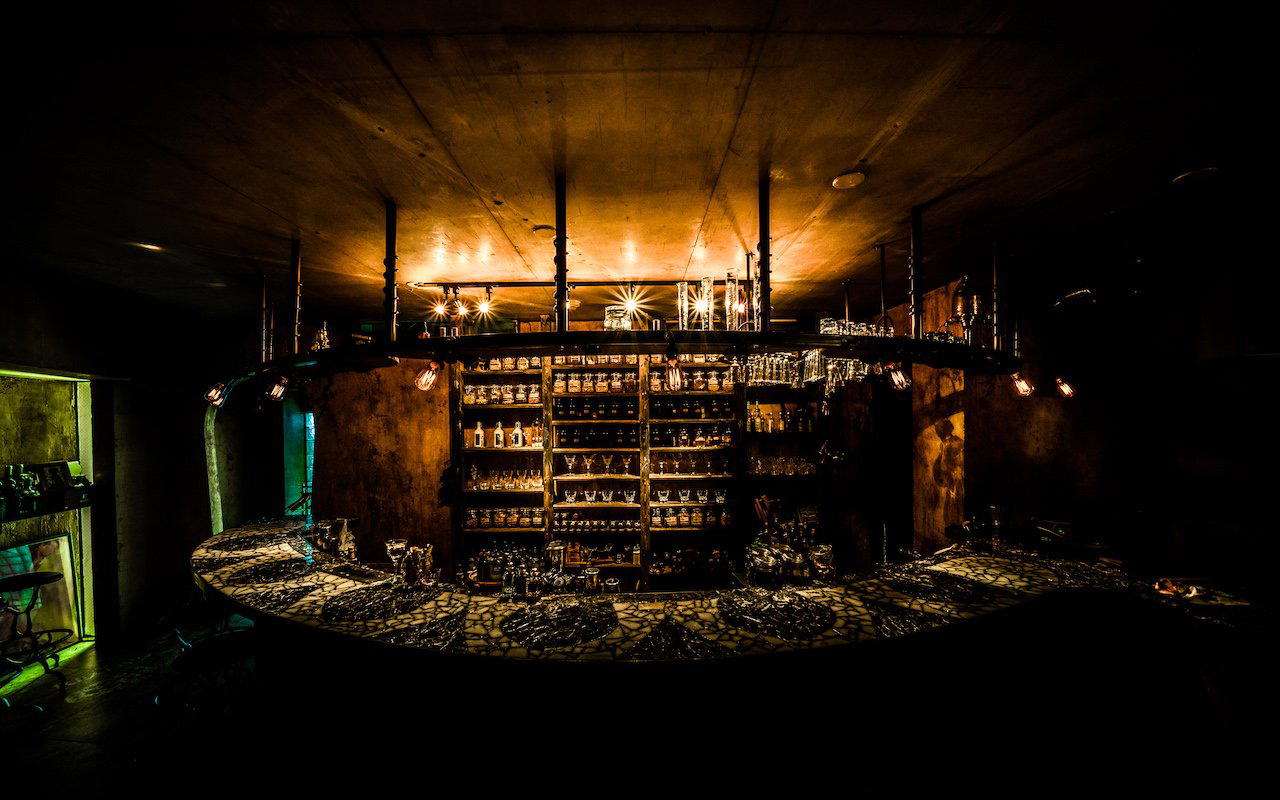
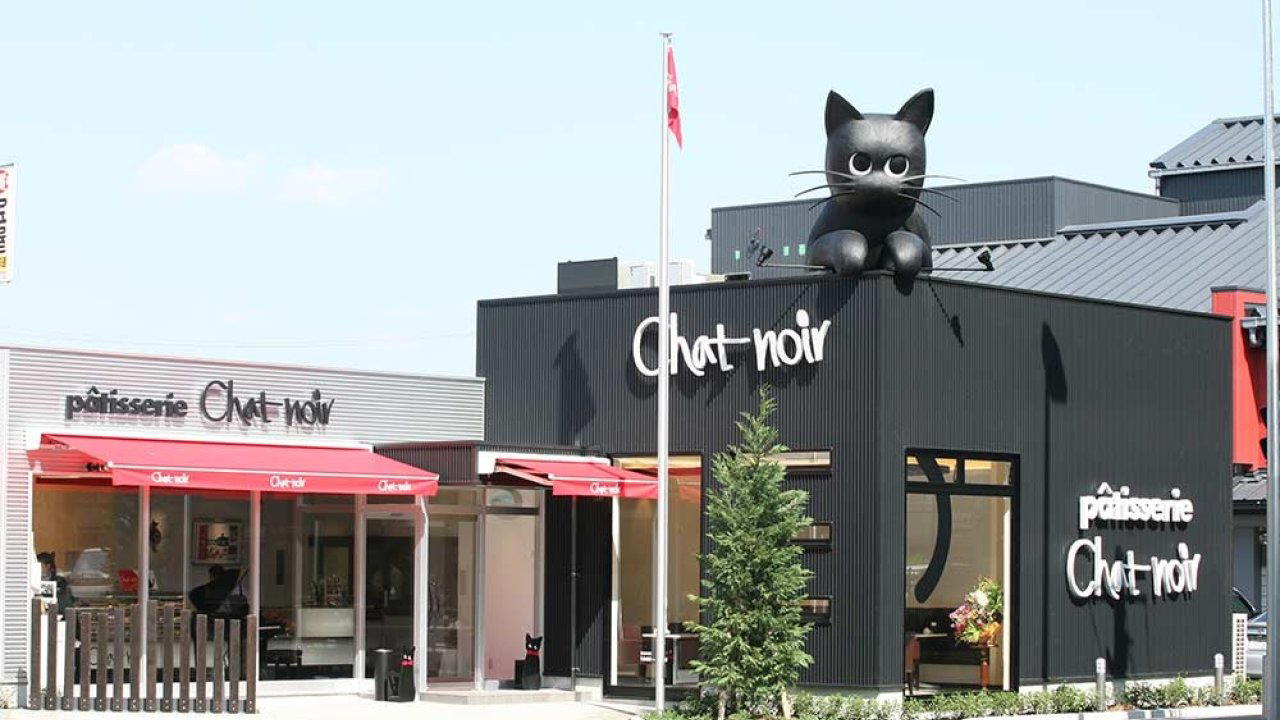


Hotels in Osaka
Browse all →



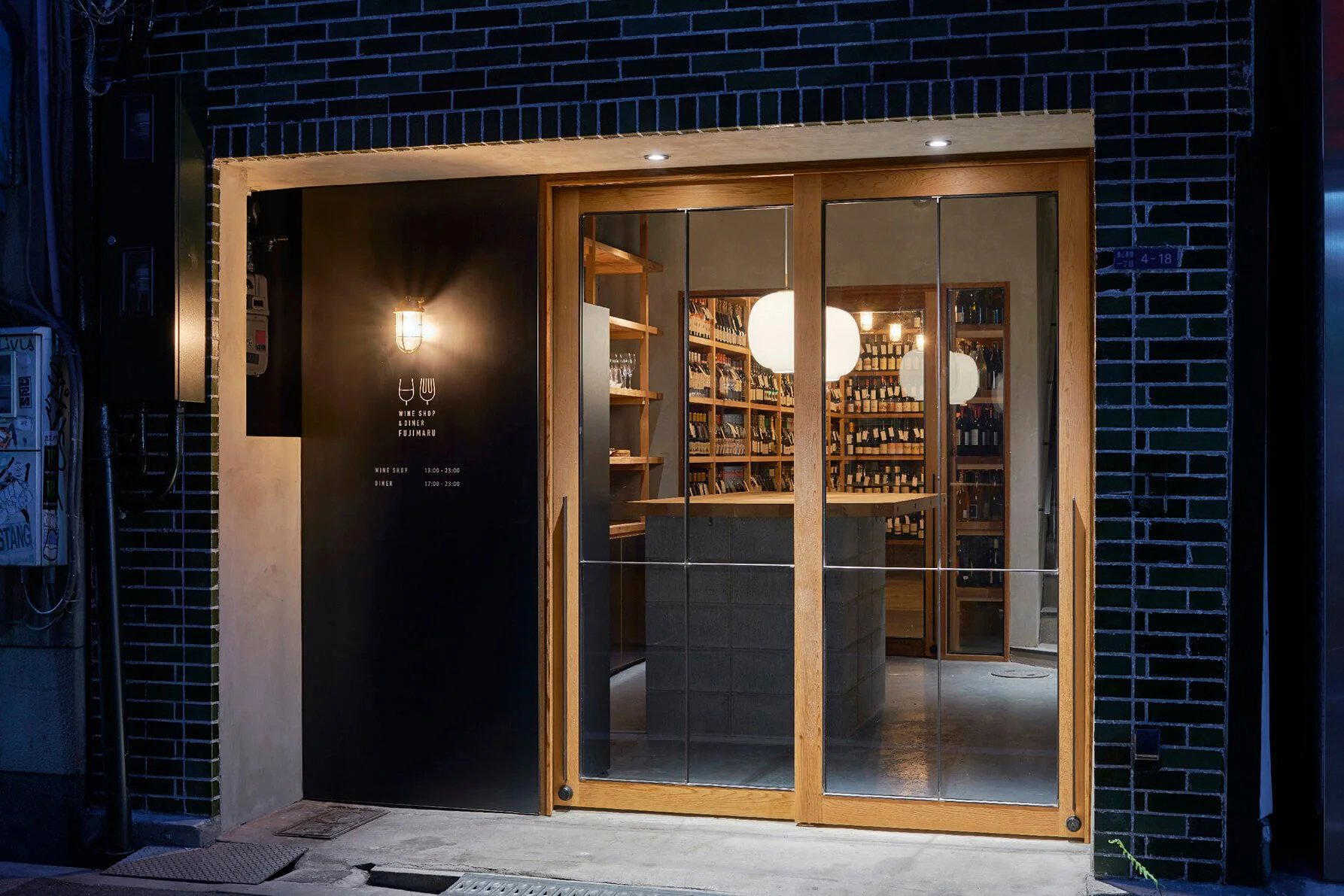
Wineries in Osaka
Browse all →
At a Glance
- Cozy
- Rustic
- Classic
- Solo
- Casual Hangout
- After Work
- Standalone
- Design Destination
- Local Sourcing
Current opening hours
- Monday
- Closed
- Tuesday
- Closed
- Wednesday
- Closed
- Thursday
- 12–6 PM
- Friday
- 12–6 PM
- Saturday
- 12–6 PM
- Sunday
- Closed
Hours can change for holidays and private events. Last verified .
A small, non-smoking neighborhood bakery with only a few seats, warm wooden shelves lined with bread, and a calm, homey feel where most guests pop in for takeaway rather than lingering.