KHAO BIRD

KHAO BIRD belongs to the Soho dining current that favours compact rooms, clear flavours and ingredient-led cooking over grand theatre. Its reputation rests less on ceremony than on the way a central London table can translate market produce, spice and pace into a meal that fits the neighbourhood’s appetite for precision without stiffness.
Pearl is the En Primeur Club membership app — saves, bookings, and concierge access live there. Same editors, same standards.
- Address
- 24 Brewer Street, Soho, London, Greater London, W1F 0SN, GBR
- Website
- guide.michelin.com
 Saves & bookings on Pearl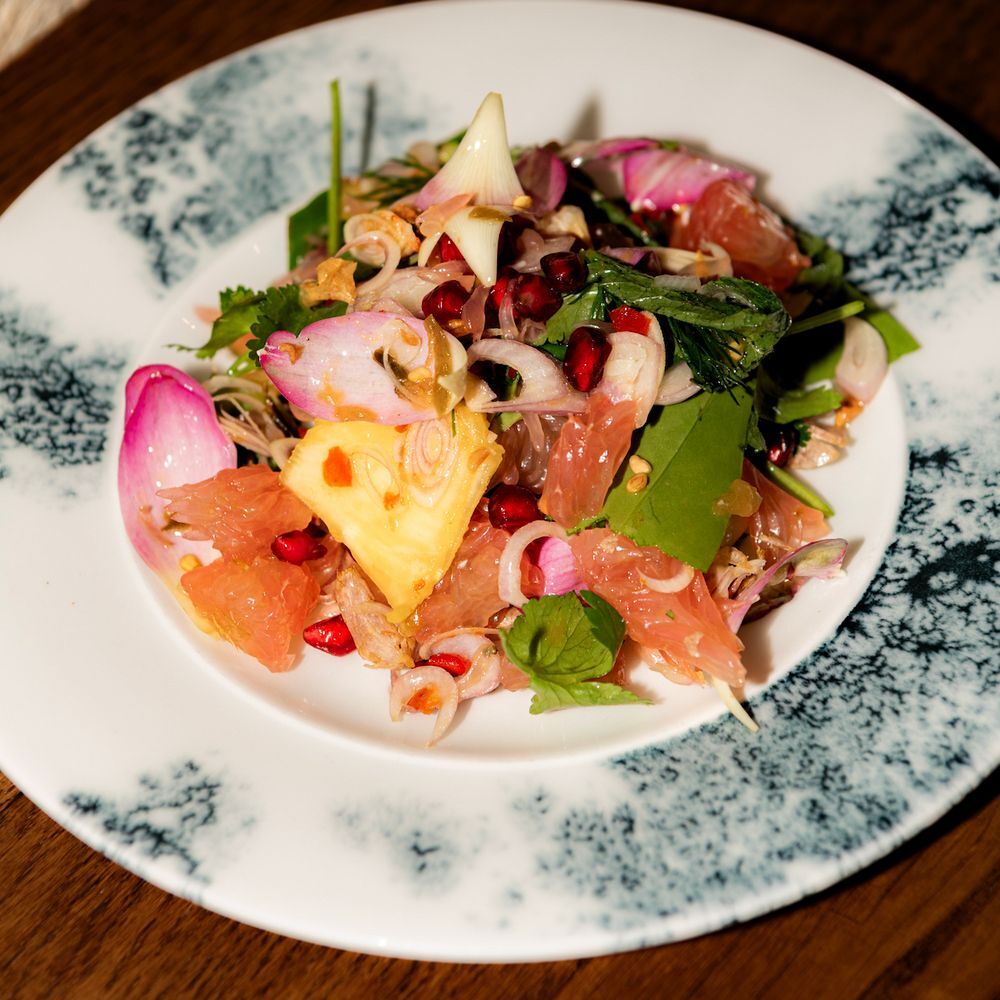
Soho announces itself before a menu appears: delivery bikes at the kerb, theatre crowds cutting across Brewer Street, open kitchen heat leaking into narrow rooms, and the quick judgement of diners who have several alternatives within a five-minute walk. In that setting, KHAO BIRD sits inside a London pattern that has become more interesting than the old West End formula of safe pre-theatre dining. The neighbourhood now rewards restaurants that can work with speed, sourcing discipline and a clear point of view, because passing trade alone no longer sustains a serious following.
Ingredient sourcing is the useful lens here. London’s better casual restaurants have moved away from the idea that informality means loose buying. The sharper version is a small kitchen using produce, aromatics and staple ingredients with the same seriousness that tasting-menu rooms apply to luxury goods. That matters in Soho, where rent, volume and expectation compress the margin for error. A dish built around rice, herbs, heat or char has little room to hide poor procurement; texture and freshness become the argument.
Soho's compact-room cooking now depends on sharper buying
The relevant comparison is not grandeur. It is focus. Randall & Aubin Soho works from a British and French seafood tradition, Paradise brings Sri Lankan cooking into a higher-spend London frame, while places such as Janetira, Sushi Kyu and Spuntino show how tightly defined formats can survive in a district that turns over concepts quickly. KHAO BIRD’s own following points to the same dynamic: diners in Soho are not short of choice, so repeat attention usually attaches to a kitchen that communicates its identity without a long explanation.
This is where sourcing becomes editorially important rather than decorative. In London, restaurants drawing on Asian culinary references have often been judged through spice level, novelty or atmosphere. That reading is too crude for the current city. The stronger question is whether the kitchen treats ingredients as structure: rice as a base with standards, sauces as built systems rather than bottled shortcuts, herbs as perishable material that must arrive and leave the kitchen in good condition. When those fundamentals are taken seriously, the meal feels direct rather than simplified.
Soho also changes how a restaurant is read. The area is dense with bars, late tables and quick-turn dining, but it has become less tolerant of vague “pan-Asian” menus. Specificity now has commercial value. A narrow format can be a strength if it tells diners what the kitchen cares about and what it refuses to dilute. That is the useful critical frame for KHAO BIRD: not a destination sealed off from the city, but a Soho room operating in the pressure zone between casual appetite and careful supply.
The case for a central London table with less ceremony
London’s premium dining conversation often tilts toward tasting menus, chef counters and reservation scarcity. The more instructive movement is happening in restaurants that keep the room accessible in mood while raising the technical floor. They are judged by consistency, not choreography. A central table must handle early diners, later Soho traffic and mixed-party ordering without losing grip on seasoning or timing. That is a different skill from the controlled rhythm of a tasting menu, and it deserves separate credit.
The restaurant’s reputation for drawing a following is a trust signal of a quieter kind. It does not replace formal awards, but in Soho it carries weight because the neighbourhood is unforgiving. Restaurants here are exposed to locals, workers, theatre traffic and visitors in the same service window. A following suggests that the format has travelled beyond opening curiosity and into repeat-use territory, which is often the point at which ingredient standards are tested hardest.
For readers mapping London by mood rather than postcode, the comparison set helps. For a broader sweep of the city’s dining rooms, use Our full London restaurants guide. Nearby editorial contrasts include 10 Greek Street (Modern European), 104 (Modern Cuisine), 101 Pimlico Road and 116 at The Athenaeum. For a looser London counterpoint, 081 Pizzeria Peckham shows how another casual format can rely on ingredient quality rather than ceremony.
How to place it in a wider UK and travel itinerary
The useful way to plan around a Soho meal is to treat it as part of an evening circuit, not as an isolated event. London’s centre lets dinner connect easily with drinking, hotels and cultural programming; the editorial logic is to choose one anchor and keep the rest close. For that broader city map, pair the restaurant guide with Our full London bars guide, Our full London hotels guide, Our full London experiences guide and Our full London wineries guide.
Across the UK, the same question follows different forms: how much can a focused kitchen say without overbuilding the experience? Compare the London model with 'Seasgair' by Michel Roux Jr in Fort William, “8” By Andrew Sheridan in Liverpool, 1 York Place in Bristol, 10 Tib Lane in Manchester, 11th and Social in Norwich and 1215 in Egham. For international context on compact formats built around specificity, Jōdo Saké Bar in Los Angeles and Onigiri Time in Pasadena make useful reference points.
The verdict is practical rather than theatrical: the restaurant is interesting because it belongs to the generation of Soho restaurants where sourcing, pace and identity have to align from the first order. In a district full of easy alternatives, that is the difference between a room that catches attention and one that earns repeat use.
Side-by-Side Snapshot
Side-by-side context: comparable cuisine and price.
| Venue | Cuisine | Price | Awards |
|---|---|---|---|
| KHAO BIRD | Having developed a following with a... | This venue | |
| Janetira | |||
| Sushi Kyu | |||
| Randall & Aubin Soho | British and French Seafood. | British and French Seafood. | |
| Paradise | Sri Lankan | £££ | Sri Lankan, £££ |
| Spuntino |
Recognition history
Dated appearances from independent guides and award organizations, with the underlying list record or original source where available.
Michelin Plate
Michelin · 2026 Michelin Plate
Continue exploring
More in London
Restaurants in London
Browse all →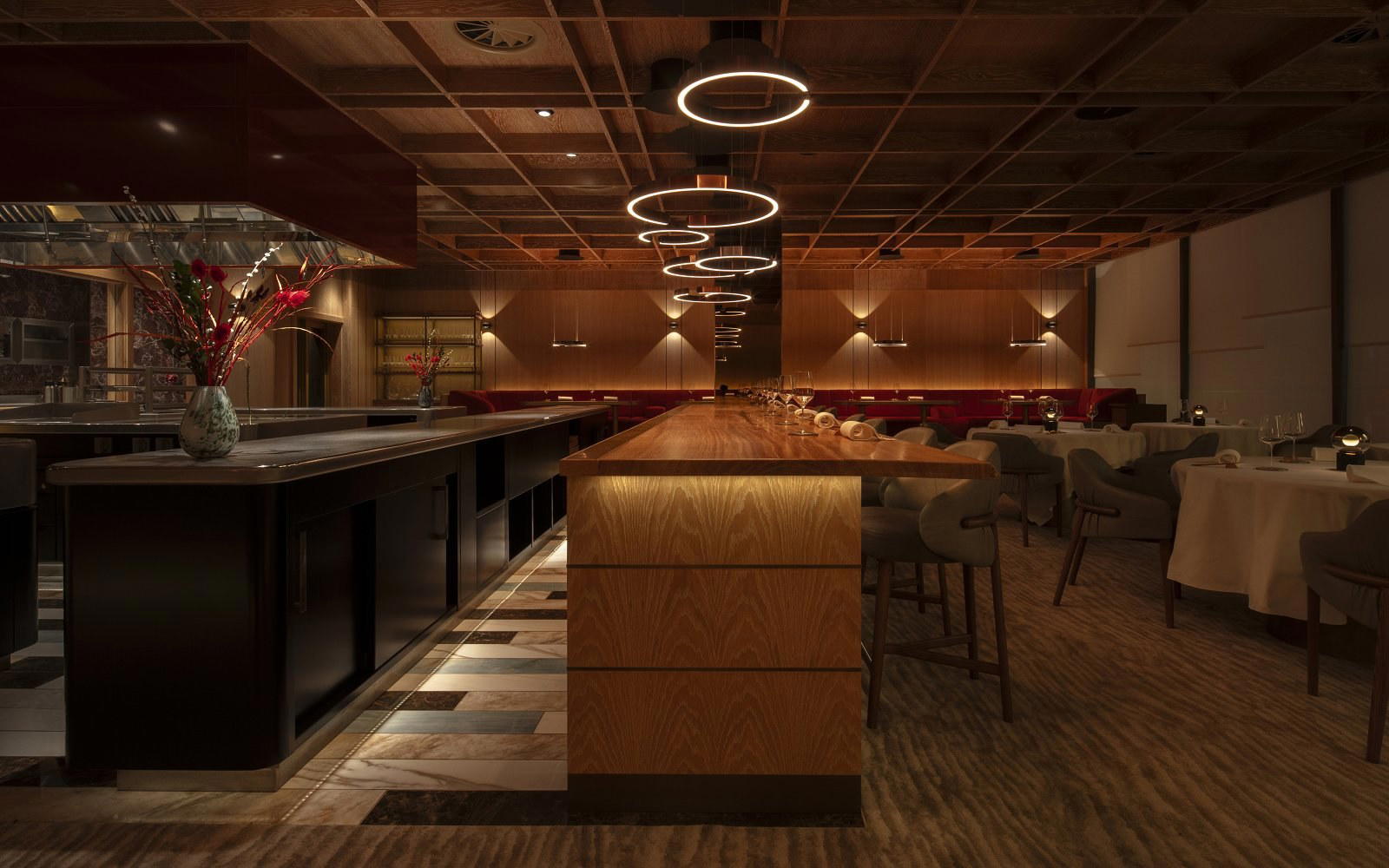
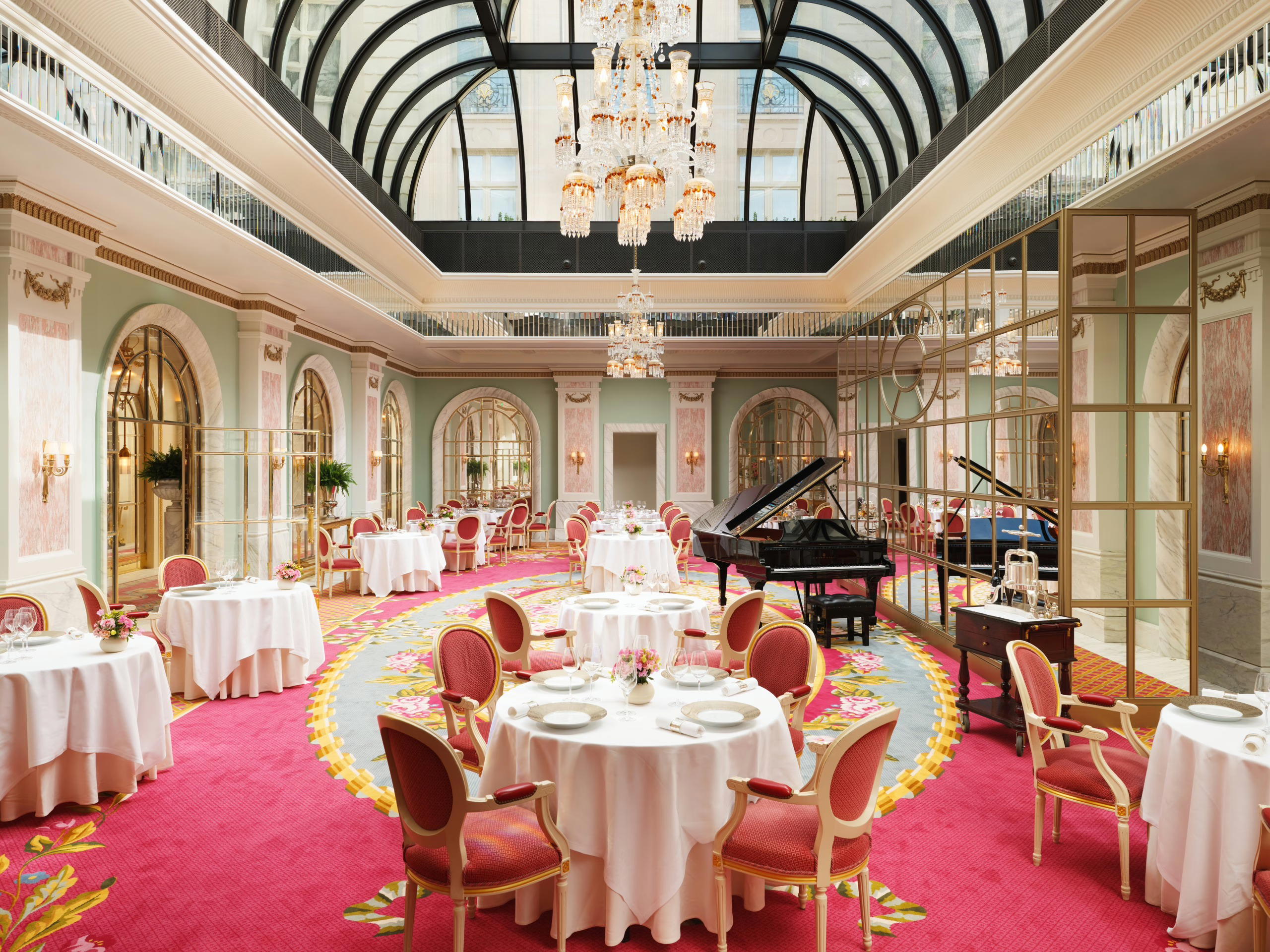
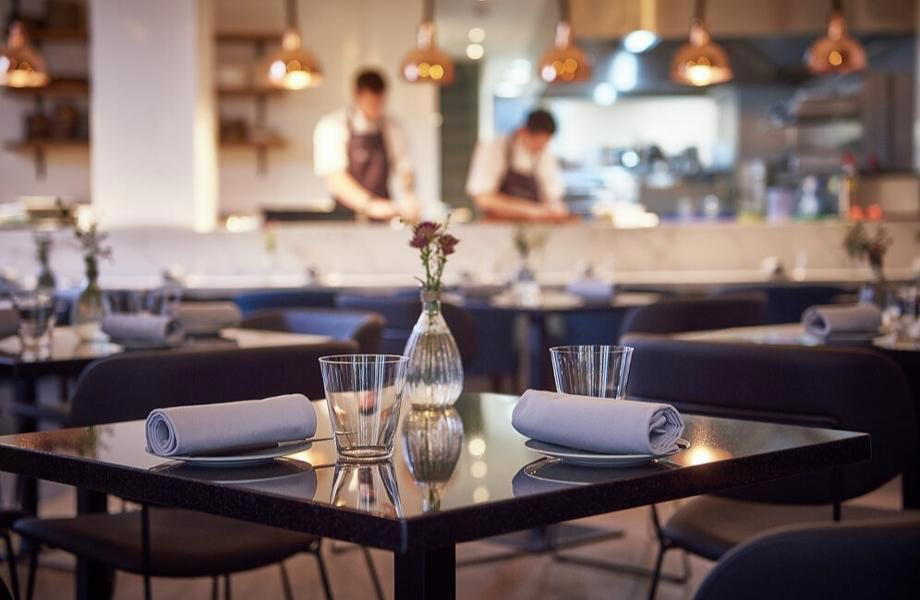
Hotels in London
Browse all →
Wineries in London
Browse all →
At a Glance
- Lively
- Trendy
- Cozy
- Intimate
- Modern
- Low Profile Address
- Date Night
- Casual Hangout
- After Work
- Group Dining
- Late Night
- Special Occasion
- Standalone
- Design Destination
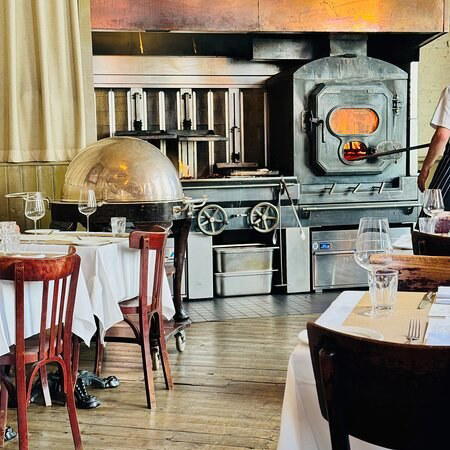
- Open Kitchen
- Private Dining
- Craft Cocktails
- Beer Program
- Local Sourcing
- Sustainable Seafood
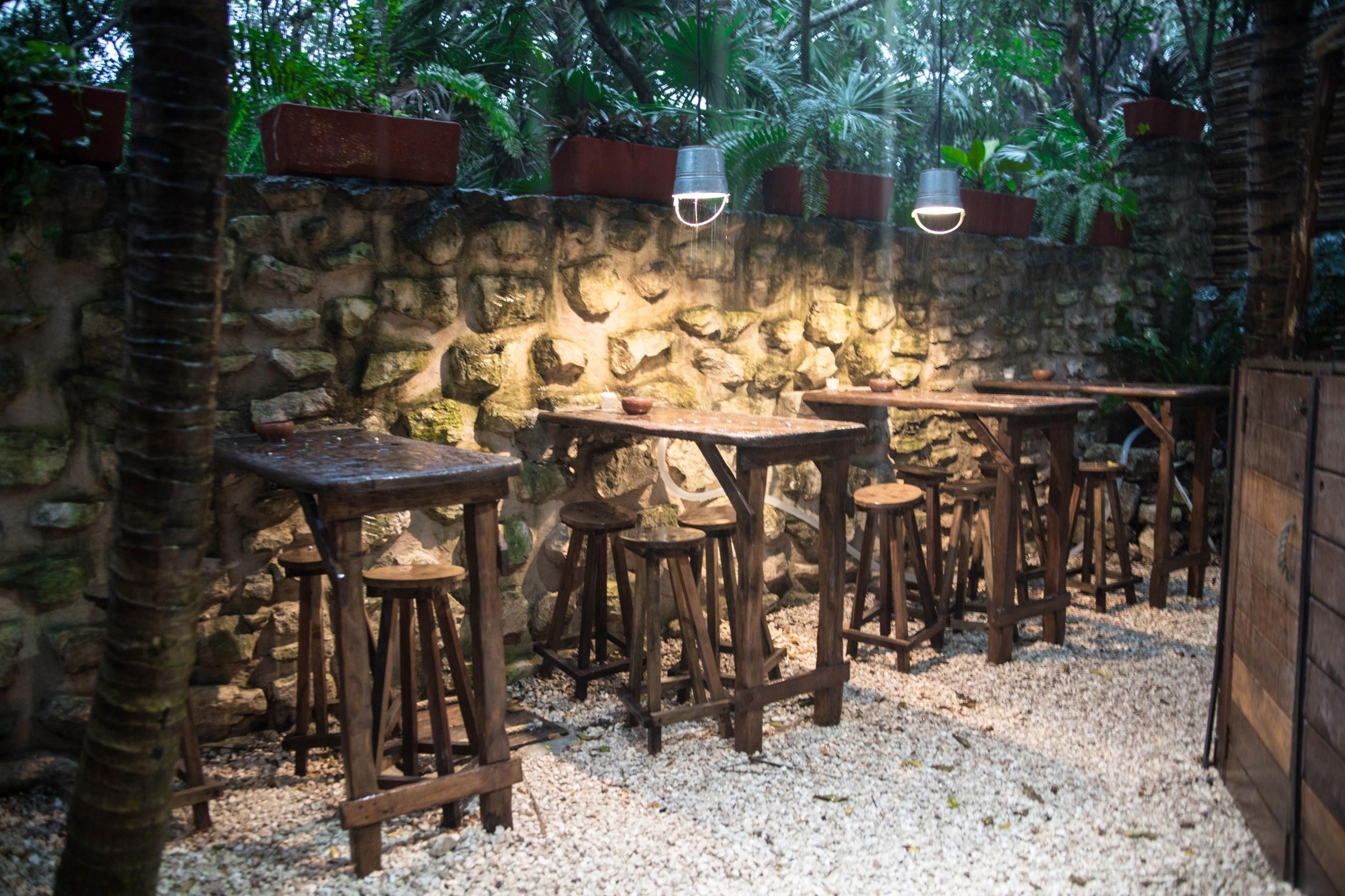
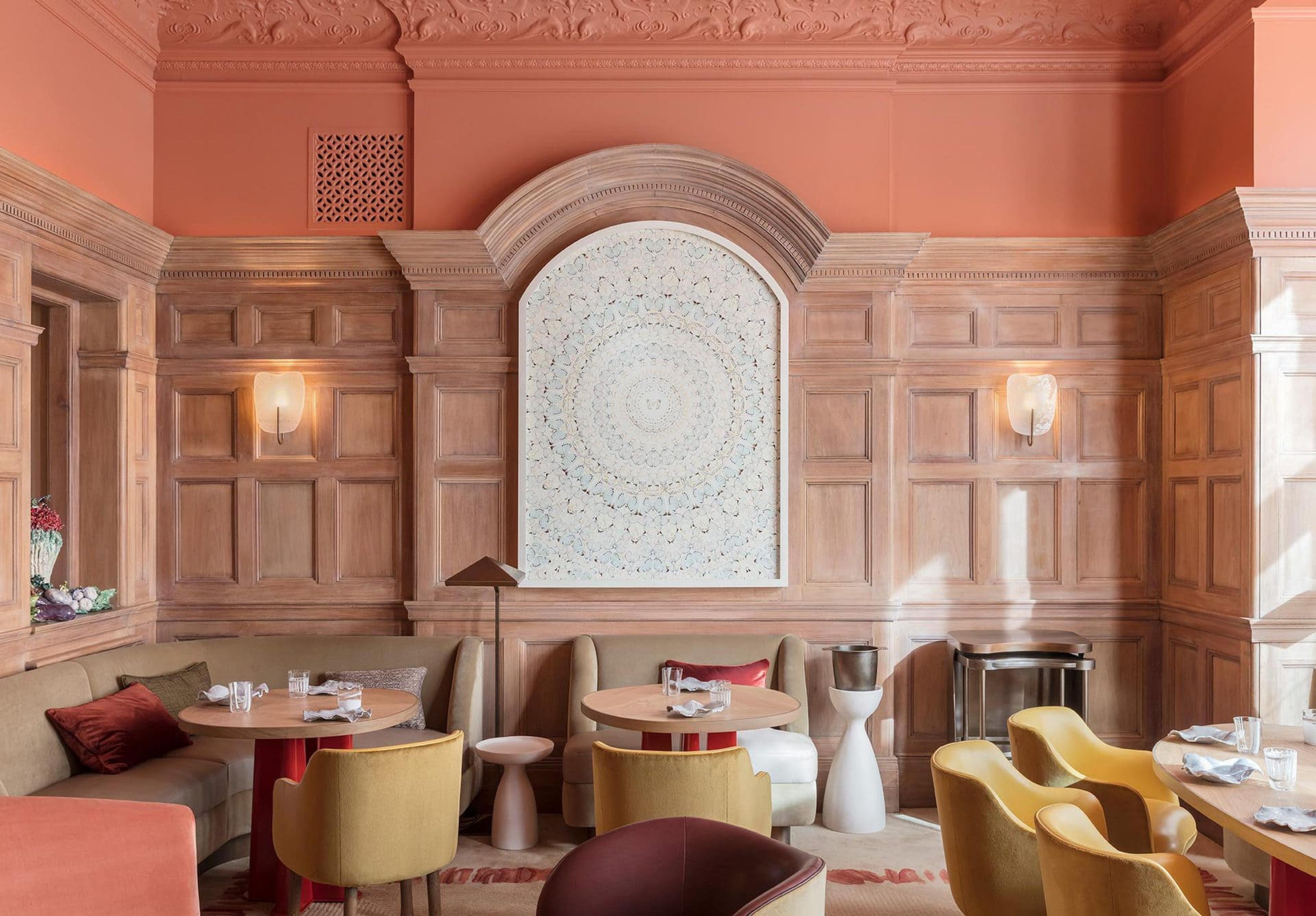
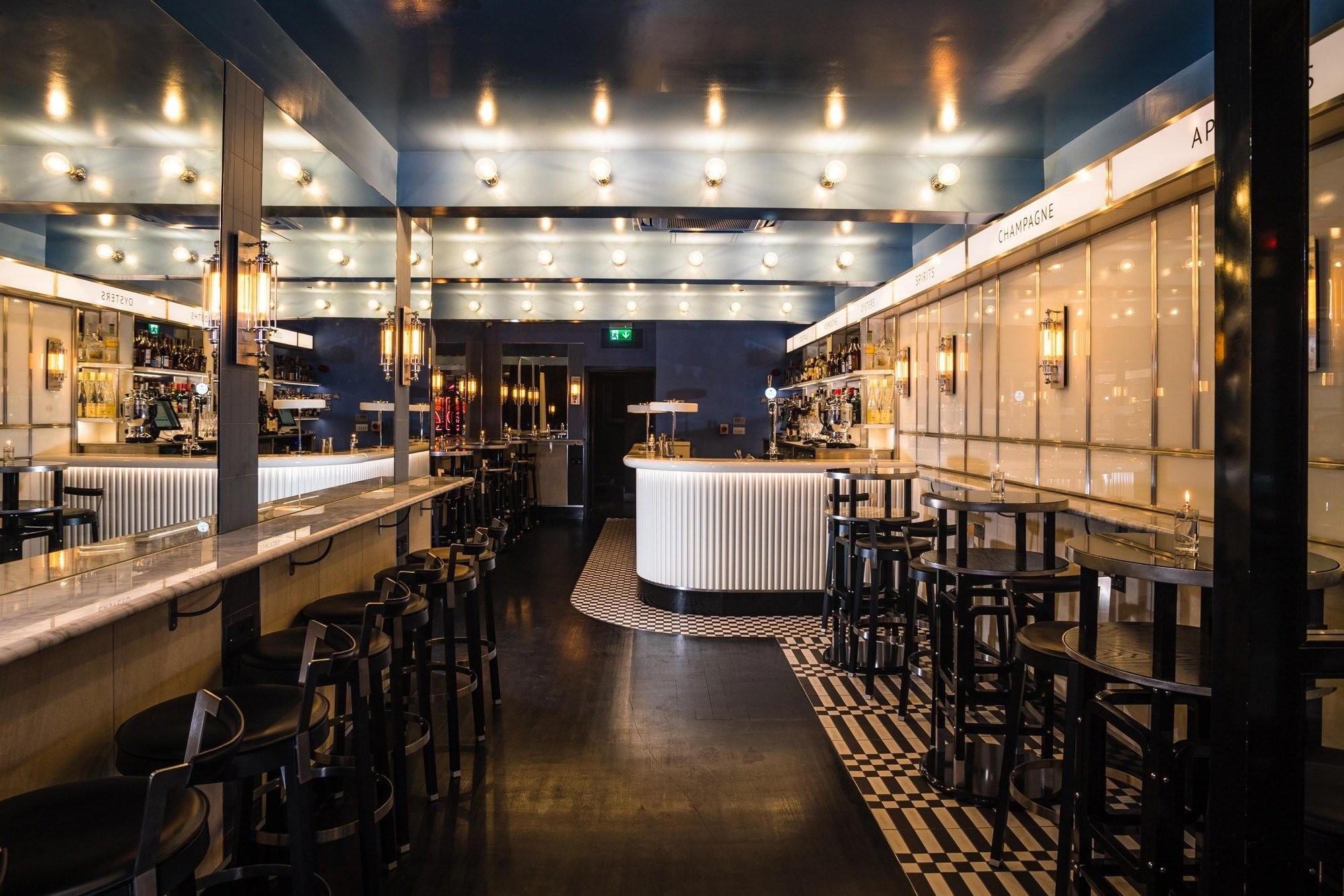
Low, sultry lighting with pink neon signage, an exposed bar and an energetic dining room that feels buzzy, informal and slightly cheeky, echoing Bangkok nightlife more than a traditional restaurant.