Kerbisher and Malt
Our verdict
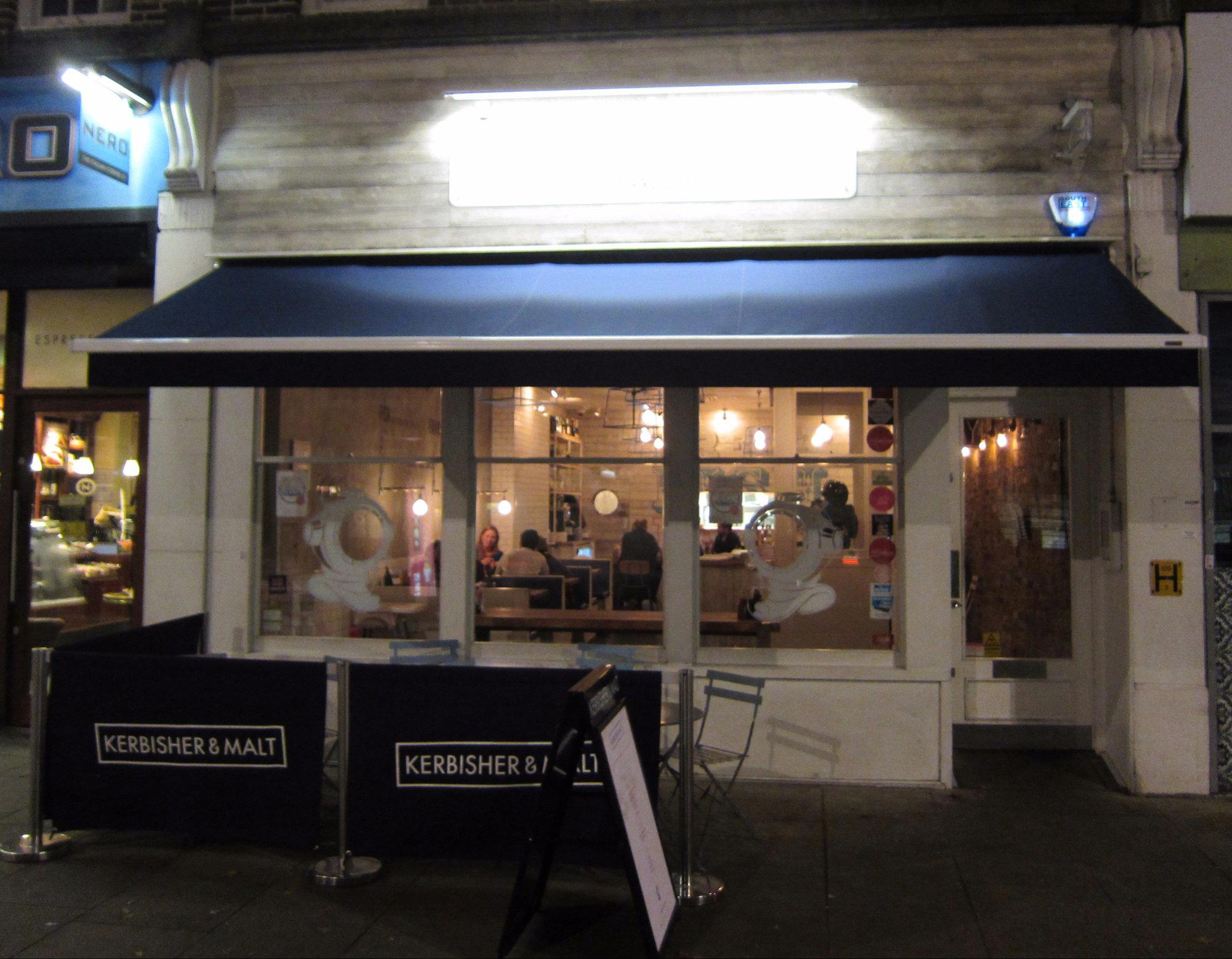
Kerbisher and Malt is a fish and chip shop on Shepherds Bush Road in west London, operating within a neighbourhood where casual British cooking has long held its own against the city's more formal dining tier. The format is counter-service, the focus is on sustainably sourced fish, and the price point sits well below the £££ bracket that dominates EP Club's London restaurant coverage.
The menu
What to order
- Fish and chips
- Mushy peas
- Tartare sauce
- Onion rings
Fish and Chips in West London: Where the Casual Tier Holds Its Ground
London's dining conversation tends to orbit its Michelin-decorated upper tier: the three-star rooms of CORE by Clare Smyth, Restaurant Gordon Ramsay, and Sketch, The Lecture Room and Library set a benchmark that pulls most editorial attention upward. But the city's identity as a place to eat well was never built on tasting menus alone. The British chippie occupies a different register entirely, and in west London, that register has found a modern expression at Kerbisher and Malt on Shepherds Bush Road.
What distinguishes the better fish and chip shops from the indifferent ones in contemporary London is sourcing transparency and frying discipline. The city's casual seafood tier has divided, over the past decade or so, into operators who treat the format seriously and those who coast on proximity and habit. Kerbisher and Malt arrived in that context as a shop that positioned itself within the former group, applying attention to provenance that had previously been the language of £££ seafood restaurants rather than counter-service chippers.
The Evolution of the British Chippie in a City That Keeps Changing
The fish and chip shop is one of the oldest casual dining formats in Britain, with roots in the mid-nineteenth century. Its twentieth-century identity was defined by newspaper wrapping, malt vinegar, and a certain studied indifference to sourcing. The twenty-first century has rewritten that identity in London more sharply than anywhere else in the country. As the city's dining culture became more ingredient-literate, shaped by the same forces that produced the Modern British revival you can trace through venues like The Ledbury and Dinner by Heston Blumenthal, the expectations placed even on casual formats shifted upward.
Kerbisher and Malt's trajectory follows that broader arc. The format evolved from its original positioning to place greater emphasis on sustainable sourcing, working with suppliers whose practices could be communicated to customers. This is now standard language in London's better casual seafood spots, but when it entered the conversation at the chippie tier, it was a meaningful departure from the norm. The result is a shop that operates in the tradition of the British fish supper while applying a contemporary sourcing framework that brings it closer in spirit to the seafood-focused casual operators you would find in coastal British towns, places like the counter-service end of what informs restaurants further afield, from hide and fox in Saltwood to the broader Kent and south-east coast seafood sensibility.
The reinvention is not dramatic in its outward form. Kerbisher and Malt still looks and operates like a chip shop. The evolution is internal: in the supply chain, in the conversation around what fish is served and where it came from, in the expectation that the customer cares about these distinctions. That shift mirrors what has happened across British casual dining more widely, where the gap between fine dining's sourcing language and everyday restaurant practice has narrowed considerably since the mid-2000s.
West London's Casual Dining Character
Shepherds Bush Road sits in a part of west London where the dining offer is genuinely mixed: international kitchens alongside traditional British formats, with relatively little of the high-end residential polish that defines neighbouring Notting Hill or Chiswick. It is a neighbourhood that rewards casual exploration rather than destination dining, which makes it a natural setting for a fish and chip shop that has built its reputation through consistency rather than spectacle.
This contrasts with the concentration of high-stakes cooking further east and north, where the competitive pressure to perform at the level of London's most-watched rooms, the kitchens behind venues like The Fat Duck in Bray or L'Enclume in Cartmel, which draw comparison even from the capital, is a different kind of ambition entirely. West London's W6 corridor operates with different stakes and a different audience, one that tends to value the dependable over the theatrical.
For visitors building a London itinerary around a broader range of eating experiences, not just the formal dining rooms covered in our full London restaurants guide, a well-executed fish and chip shop at this level is a useful counterpoint to tasting-menu fatigue. It also offers a grounding in what British casual cooking actually looks like in practice, as opposed to its nostalgic or heritage-inflected version at the higher end. Those looking to extend their London stay into hotels, bars, and experiences can also consult our full London hotels guide, our full London bars guide, and our full London experiences guide.
How It Sits Against London's Broader Dining Range
London's restaurant coverage at EP Club skews toward the upper end of the price and ambition spectrum. The three-Michelin-star tier, CORE, Gordon Ramsay, Sketch, and the two-star tier occupied by Dinner by Heston Blumenthal represent the formal benchmark. Internationally, the comparison point for this format is closer to the serious fish and chip operations that have emerged in Australian and New Zealand coastal cities, or to the disciplined counter-service seafood model found in places like Le Bernardin in New York City's wider neighbourhood, where the culture of taking seafood seriously at every price point has become embedded. For more on London's wine scene, see our full London wineries guide.
The broader British casual dining field that Kerbisher and Malt participates in also connects to the pub dining tradition, venues like Hand and Flowers in Marlow and Moor Hall in Aughton occupy a different price tier, but share the same instinct to apply serious cooking principles to formats that might otherwise remain unreconstructed. Gidleigh Park in Chagford and Atomix in New York City sit at completely different intersections of tradition and reinvention, but the impulse to take an established format and bring greater rigour to it is a recognisable thread across all of them.
Planning Your Visit
Address: 164 Shepherds Bush Road, London W6 7PB. Getting there: Hammersmith Underground station (District and Piccadilly lines) is the nearest tube stop; the walk north along Shepherds Bush Road takes under ten minutes. Format: Counter-service fish and chip shop; no formal dress expectations. Booking: Walk-in format; advance reservations are not the standard model for this type of operation, though check directly for any current policy. Budget: Casual counter-service pricing, substantially below the ££££ tier of the EP Club London restaurant coverage.
Frequently asked questions
What is the must-try dish at Kerbisher and Malt?
Should I book Kerbisher and Malt in advance?
How does Kerbisher and Malt approach sustainable sourcing, and why does it matter in London's casual seafood market?
Where It Fits
| Venue | Cuisine | Price | Awards | Notes |
|---|---|---|---|---|
| Kerbisher and MaltThis venue (the venue you are viewing) | Modern British Fish and Chips | Not listed | Not listed | Not listed |
| The Ledbury | Modern British Fine Dining | $300–500 | 3 Michelin Stars · World's 50 Best #83 | Modern European, Modern Cuisine |
| Sketch, The Lecture Room and Library | Modern French Fine Dining | $200–300 | 3 Michelin Stars · World's 50 Best #18 | Modern French |
| CORE by Clare Smyth | Modern British Fine Dining | $150–200 | 3 Michelin Stars · World's 50 Best #97 | Modern British |
| Restaurant Gordon Ramsay | French Fine Dining | $200–300 | 3 Michelin Stars · World's 50 Best #13 | Contemporary European, French |
| Dinner by Heston Blumenthal | Historic British Fine Dining | $200–300 | 2 Michelin Stars · World's 50 Best #45 | Modern British, Traditional British |
Continue exploring
More in London
Restaurants in London
All restaurants in London →
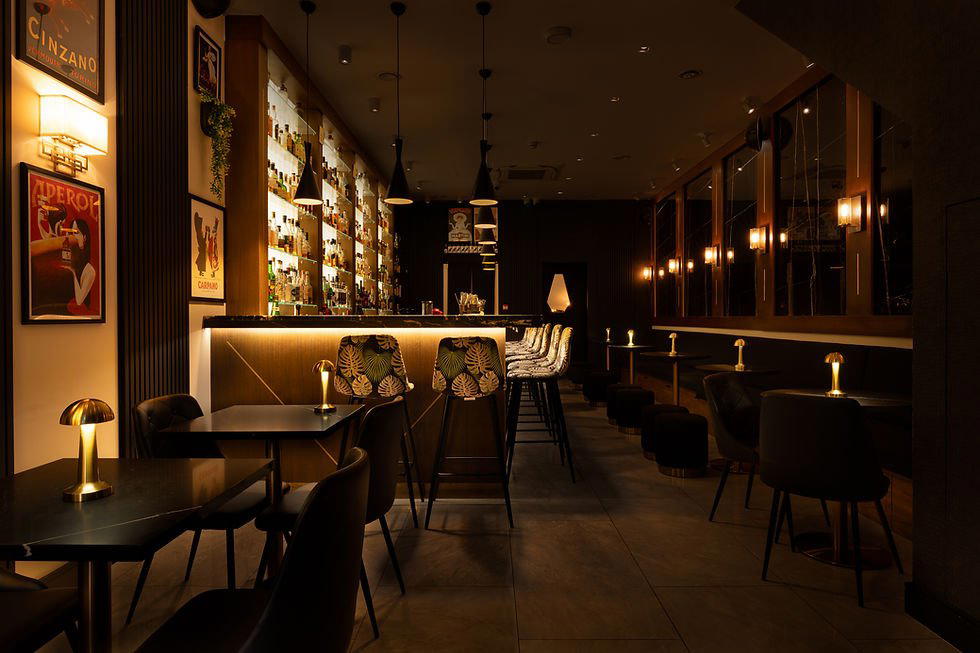
Bars in London
All bars in London →
Hotels in London
All hotels in London →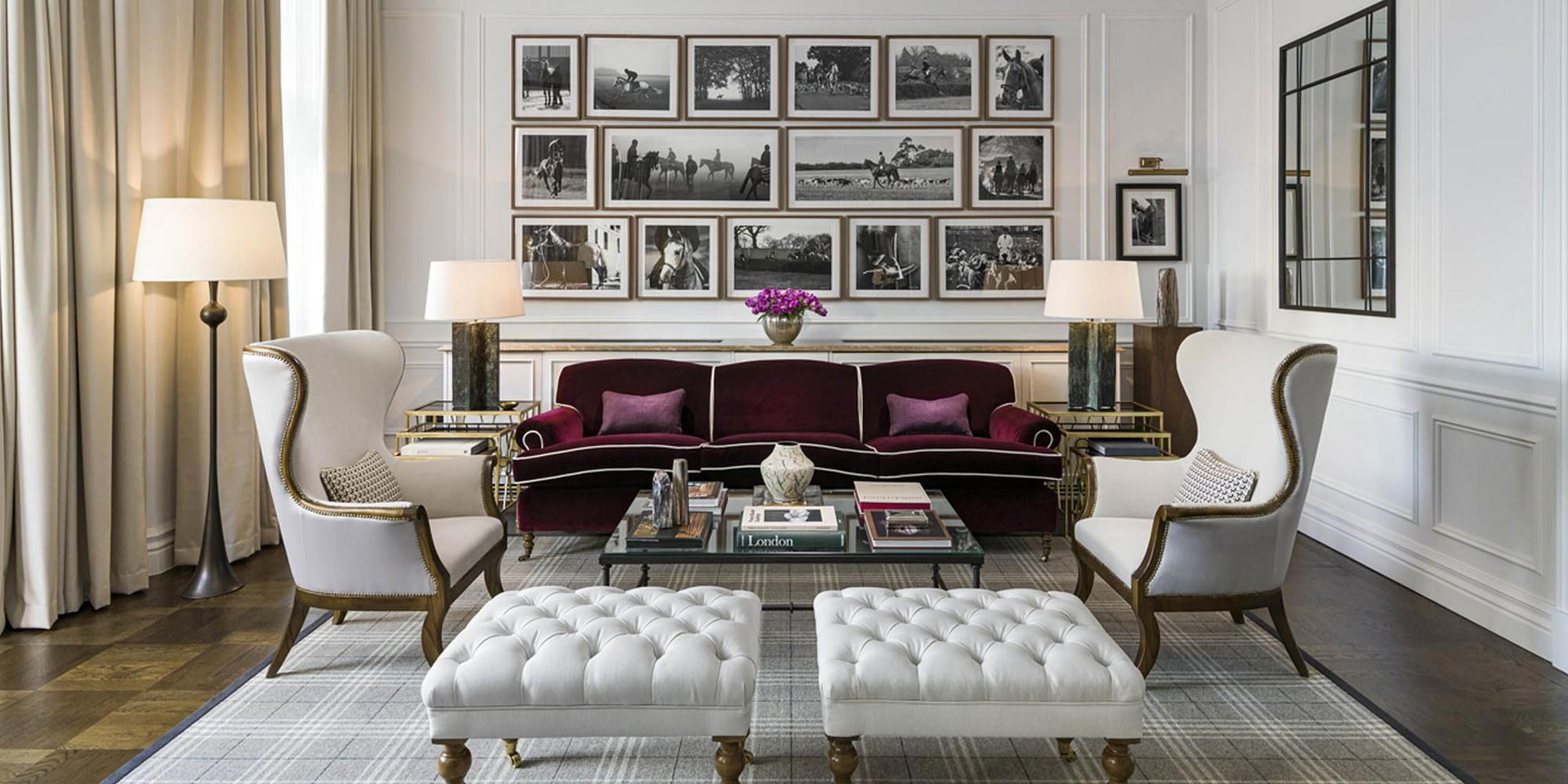




Details
- Modern
- Cozy
- Casual Hangout
- Late Night
- Open Kitchen
- Beer Program
- Sustainable Seafood
- A La Carte
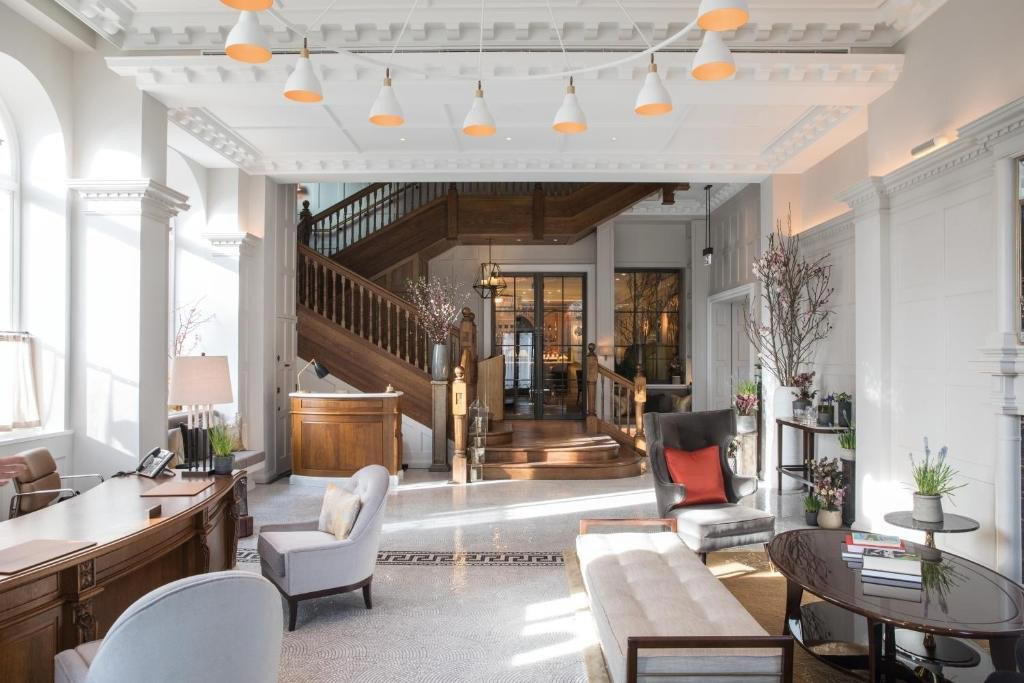
Bright, simple interior with white subway tiles, modern wooden tables, and an open kitchen view creating a clean, nautical atmosphere.