Keeper's House
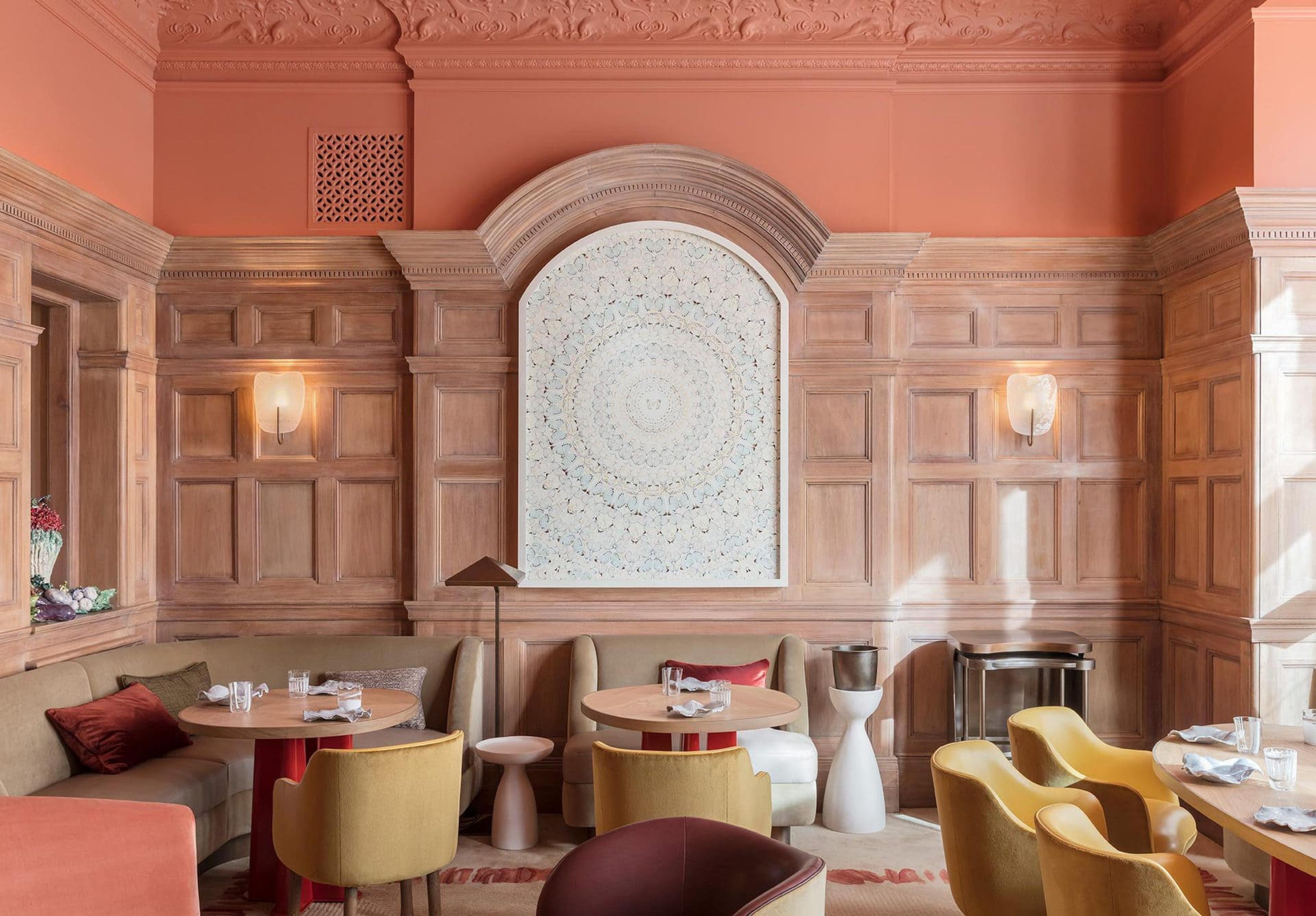
Keeper's House occupies a historic position within Burlington House on Piccadilly, home to the Royal Academy of Arts. Positioned inside one of London's most architecturally significant institutions, it offers a dining and members' experience shaped by its surroundings, a rare example of a restaurant where the cultural setting does as much work as the kitchen.
Pearl is the En Primeur Club membership app — saves, bookings, and concierge access live there. Same editors, same standards.
- Address
- Burlington House, Piccadilly, London W1J 0BD, United Kingdom
- Phone
- +44 20 7300 5881
- Website
- royalacademy.org.uk
- Directions
- Get directions
 Saves & bookings on Pearl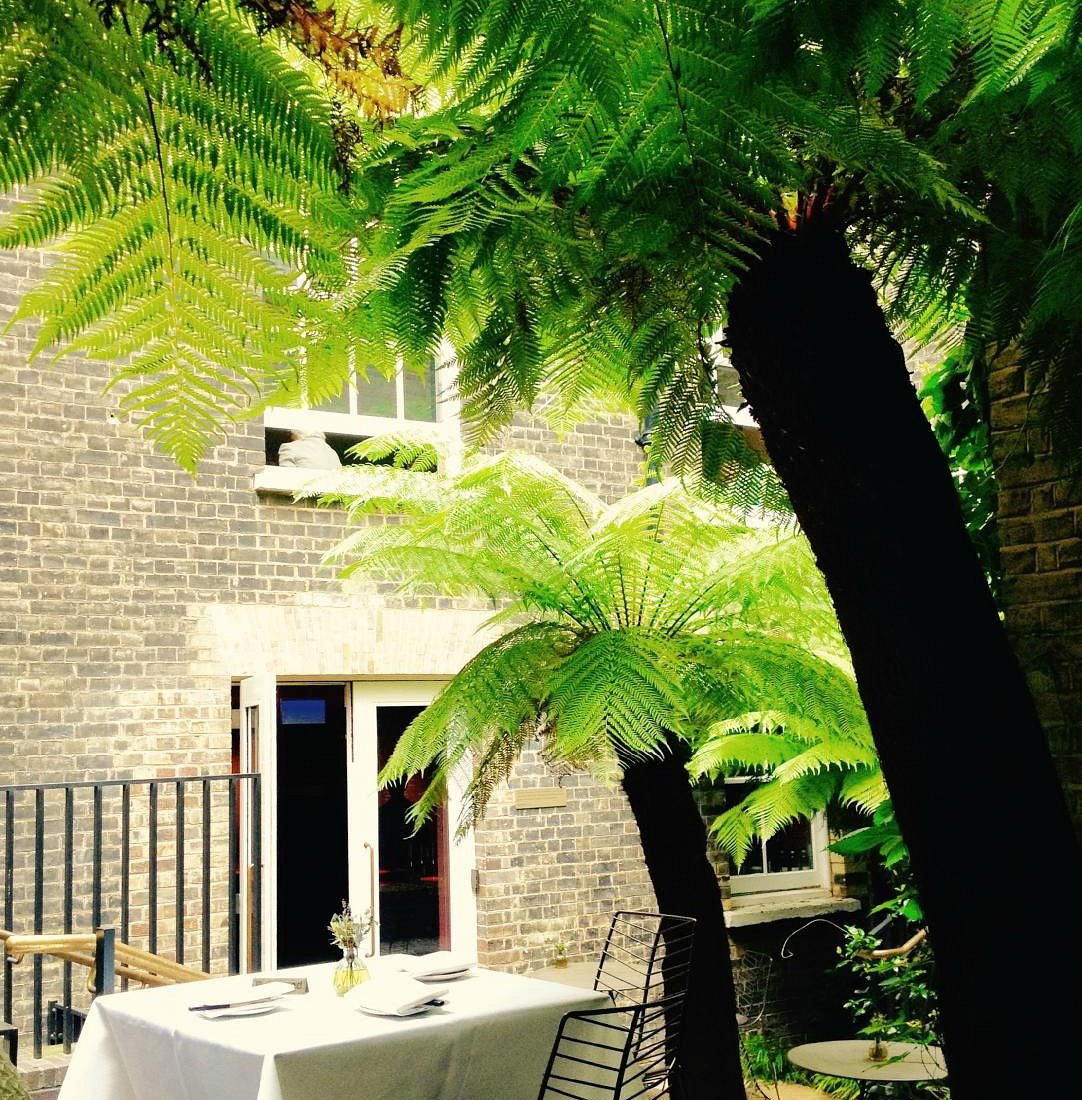
Dining Inside the Institution: Burlington House and the Case for Place-Led Hospitality
Keeper's House is a restaurant in London serving Modern British Gastropub cuisine at Burlington House, Piccadilly, London W1J 0BD, United Kingdom, with a price tier around $60 per person. The city's upper tier of destination dining has fragmented: on one side, the Michelin-anchored fine dining rooms of Mayfair and Chelsea, CORE by Clare Smyth, Restaurant Gordon Ramsay, Sketch's Lecture Room and Library, where the proposition is built around culinary precision and tasting-menu ambition; on the other, a smaller cohort of culturally embedded spaces where the building, the institution, or the history does the framing. Keeper's House belongs to the latter category, and its address makes that point before a single dish arrives.
Burlington House on Piccadilly has operated as the home of the Royal Academy of Arts since 1868. The building's Palladian courtyard, its grand staircase, and the succession of galleries that line its interior represent among the more concentrated accumulations of British cultural history in central London. Keeper's House, named after the Keeper of the Royal Academy, a post that dates to the institution's founding in 1768, sits within that physical and historical structure, which places it in a comparable set that has little to do with comparable price points elsewhere in W1.
The Sustainability Argument That the Building Makes Itself
In London's current dining conversation, sustainability is often treated as a sourcing footnote: a line about regenerative farms on the back of a menu, or a note about waste reduction tacked to a kitchen philosophy statement. The more searching version of the argument asks whether a restaurant's existence is itself an act of stewardship, whether operating inside a heritage building and serving an institution with a civic mission constitutes something more durable than a supply-chain certification.
The restaurant makes that case structurally. Burlington House is not a developer's canvas or a repurposed industrial space; it is a Grade I listed building that the Royal Academy has occupied continuously since the Victorian era. Running a restaurant within it means operating under preservation obligations that most London venues never encounter. The materials, the proportions, the light, none of it can be reconfigured for footfall or throughput. The room imposes its own discipline, and a kitchen that serves it must work within those constraints rather than against them.
This model of place-led, institution-anchored hospitality has precedents across European capitals, museum restaurants in Paris, gallery dining rooms in Vienna, but London has historically offered fewer examples in this tier. The National Dining Rooms at the National Gallery, the café at the V&A; the restaurant at Tate Modern: most have operated at a level below the quality the buildings deserve. A venue that takes the setting seriously enough to name itself after the Academy's own senior practitioner signals a different level of intent.
Where Keeper's House Sits in the London Dining Map
Piccadilly and its immediate surroundings form one of London's most densely layered dining zones. The street itself, and the streets feeding off it, Dover Street, Albemarle Street, Cork Street, carry a concentration of serious restaurants that few other London corridors can match. The Ledbury operates in Notting Hill; Dinner by Heston Blumenthal anchors the Knightsbridge end of the premium modern British spectrum. But within the Mayfair-Piccadilly corridor specifically, the competition is for a diner who is already in a cultural frame of mind, someone who has come to see an exhibition, attend a lecture, or simply move through a part of London where the built environment rewards attention.
That diner is not the same as the one booking three months ahead for a counter seat at a Japanese-influenced omakase or committing to a twenty-course tasting menu at a starred destination. The restaurant draws from a different pool, and its competitive set reflects that: think of it alongside private members' club dining rooms, the better hotel restaurants with strong architectural identity, or the handful of London spaces where the occasion justifies the visit regardless of what lands on the table.
For reference points further afield, the British countryside has produced restaurants where setting and sourcing intersect with institutional seriousness, L'Enclume in Cartmel and Moor Hall in Aughton both operate within historic buildings, and both have made the physical environment a load-bearing part of the guest experience. Gidleigh Park in Chagford has done this for decades. The restaurant is the London version of that argument, made with the added weight of an internationally recognised art institution behind it.
Planning a Visit
The Royal Academy runs a full calendar of major exhibitions, and the busiest periods, typically autumn blockbusters and the Summer Exhibition, which runs annually from June, bring significant visitor numbers to Burlington House. A booking that coincides with a major show will be more logistically demanding but will also deliver the fullest version of what the venue is designed to offer: dining as part of a longer cultural afternoon or evening in one of London's genuinely significant buildings. Our full London restaurants guide covers the wider W1 picture, including how the restaurant fits against the broader Piccadilly dining corridor.
For comparable depth of setting in other markets, Le Bernardin in New York and Atomix represent the American equivalent of venues where the room does serious work alongside the kitchen. Outside London, The Fat Duck in Bray, Hand and Flowers in Marlow, and hide and fox in Saltwood round out a picture of where British destination dining currently concentrates its ambition. Our London wineries guide is available for those planning a longer itinerary.
Booking and Cost Snapshot
Comparable venues nearby, for context on price, style, and recognition.
| Venue | Cuisine | Price |
|---|---|---|
| Keeper's HouseThis venue — the venue you are viewing | Mayfair, Modern British Gastropub | $$$ |
| Restaurant Michael Nadra | Primrose Hill, Modern European Brasserie | $$$ |
| Fox and Grapes | Copse Hill, Modern British Gastropub | $$$ |
| Browns | Covent Garden, British Brasserie | $$$ |
| The Orangery | St Giles, Modern British Farm-to-Table | $$$ |
| Thomas Cubitt | Belgravia, Modern British Gastropub | $$$ |
Continue exploring
More in London
Restaurants in London
Browse all →
Bars in London
Browse all →
Hotels in London
Browse all →



At a Glance
- Elegant
- Modern
- Intimate
- Special Occasion
- Business Dinner
- Garden
- Historic Building
- Hotel Restaurant
- Extensive Wine List
- Garden
Current opening hours
- Monday
- Closed
- Tuesday
- 10 AM–6 PM
- Wednesday
- 10 AM–6 PM
- Thursday
- 10 AM–6 PM
- Friday
- 10 AM–6 PM
- Saturday
- 10 AM–6 PM
- Sunday
- 10 AM–6 PM
Hours can change for holidays and private events. Last verified .
Tastefully chic basement dining room without windows, peaceful setting with good bread, but can be noisy due to acoustics and over-lit at times.