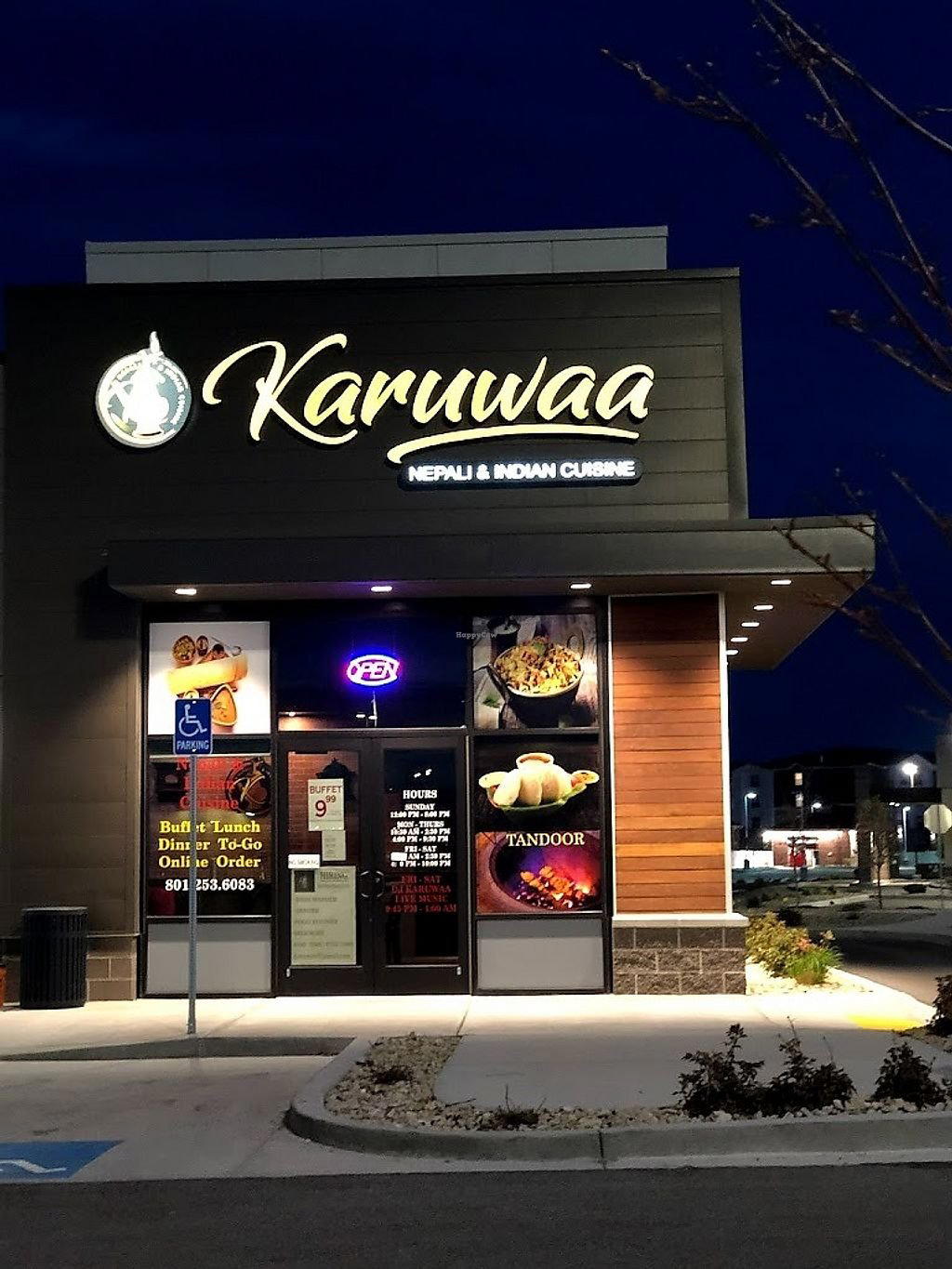
Karuwaa Nepali & Indian Cuisine
Our verdict
Karuwaa Nepali and Indian Cuisine on Daybreak Parkway brings the layered spice traditions of the Indian subcontinent and the Himalayan foothills to South Jordan's growing dining corridor. The kitchen draws on a dual culinary heritage that few Utah restaurants attempt at this depth, pairing dal-forward Nepali cooking with the tandoor and curry traditions more familiar to American diners. It occupies a meaningful niche in a suburb still building its independent restaurant identity.

Pearl is the En Primeur Club membership app, where members save venues, book tables and use the concierge.
The menu
What to order
- Chicken Tikka Masala
- Garlic Naan
- Butter Chicken
Where Two Mountain Kitchens Meet the Wasatch Front
South Jordan sits at the southern edge of the Salt Lake Valley, a planned community whose dining scene has expanded quickly enough that genuine culinary specificity is still relatively rare. Most of the corridor along Daybreak Parkway trends toward familiar American casual formats. Karuwaa Nepali and Indian Cuisine cuts against that pattern by pairing two distinct Himalayan and subcontinental traditions on a single menu, a combination that asks more of both kitchen and diner than a standard Indian-American restaurant typically does.
The dual framing matters. Nepali cooking shares many spices with northern Indian cuisine but routes them through different techniques and ingredient hierarchies. Dal bhat, the pressure-cooked lentil and rice combination that anchors Nepali home cooking, operates on a logic of slow accumulation rather than the concentrated sauce reductions that define much of the Indian repertoire familiar to American diners. A kitchen that takes both traditions seriously has to hold those two approaches simultaneously, which is a narrower culinary tightrope than the menu category alone implies.
In a state where Indian restaurants are concentrated in Salt Lake City proper, the Daybreak location at 5462 W Daybreak Pkwy places Karuwaa at a meaningful remove from its closest category competitors. That geographic positioning is itself a form of argument: the kitchen is serving a suburban community that has fewer alternatives, and the quality of that commitment is what builds or undermines a reputation over time.
The Sourcing Logic Behind Subcontinental Cooking
Any serious conversation about Nepali and Indian cuisine eventually arrives at ingredients, because the gap between an authentic preparation and a serviceable approximation is almost always a sourcing question. The spice compounds that define these cuisines, fenugreek, asafoetida, Szechuan pepper in Nepali cooking, Kashmiri chili, black cardamom, ajwain across the Indian canon, are not interchangeable with commodity substitutes. Their provenance and freshness determine whether a dish carries the aromatic depth the tradition requires or merely suggests it.
This is one reason that restaurants working in this culinary space often source dried goods through specialist importers rather than standard restaurant supply chains, and why the difference shows up clearly on the plate even when diners cannot name the specific variable. The distinction between Nepali timur (Szechuan pepper grown at altitude in Nepal) and its Chinese counterpart, for instance, is detectable in dishes where the spice plays a structural role rather than a background one. Whether Karuwaa sources at that level of specificity is not something the public record confirms, but the question itself is the right frame for evaluating what the kitchen is attempting.
Ghee sourcing follows a similar logic. Clarified butter made from cultured cream behaves differently from commodity ghee in both flavor and cooking temperature, and in subcontinental cooking it is not a finishing ingredient but a foundation. Restaurants that treat it as an afterthought tend to produce dishes that are technically correct but texturally flat. The standard that applies at establishments like Blue Hill at Stone Barns in Tarrytown or Single Thread Farm in Healdsburg, where sourcing specificity is treated as a primary editorial statement, represents one end of that spectrum. A suburban Nepali-Indian kitchen in Utah is operating in a different context, but the underlying logic of ingredient provenance still applies to what ends up in the bowl.
Reading the Menu as a Cultural Document
One of the more useful ways to evaluate a dual-tradition restaurant is to look at where the menu spends its depth. A kitchen that devotes serious menu space to Nepali staples like sel roti, momo, or gundruk alongside more recognizable Indian preparations is making a statement about what it considers its actual identity. A kitchen that lists one or two Nepali items as novelty additions to an otherwise standard Indian-American menu is making a different, quieter statement.
The Nepali half of this equation matters because it remains genuinely underrepresented in American dining, outside of a handful of concentrated immigrant communities in cities like New York and San Francisco. South Jordan is not those cities, which makes the presence of a Nepali-identified restaurant here notable regardless of execution. The category itself is doing something the broader Utah dining market rarely attempts. For context on how ethnic-specific fine dining builds its credibility through depth of tradition rather than novelty, the approach at Atomix in New York City offers an instructive parallel, even if the price tier and format are entirely different.
For diners approaching the menu without prior familiarity, the Indian side of the offering provides an accessible entry point. Tandoor-cooked proteins, lentil preparations, and rice dishes translate readily across most levels of culinary experience. The Nepali side rewards slightly more directed ordering, particularly for dishes where fermentation or altitude-specific spicing plays a defining role.
South Jordan's Dining Corridor in Context
Daybreak as a neighborhood development has attracted a mix of chain and independent restaurants, and the independent category is still thin relative to the residential population it serves. Porch Restaurant and The Wild Rose represent the local American dining end of that independent tier, while Bawarchi occupies adjacent subcontinental territory. The presence of more than one South Asian-focused kitchen in the corridor reflects genuine community demand, not oversaturation. South Jordan's population includes a meaningful and growing South Asian diaspora, and that demographic reality tends to produce more discerning local diners in this category than the suburb's overall profile might suggest.
For a broader orientation to what the area offers across price tiers and cuisine types, our full South Jordan restaurants guide maps the dining corridor in more detail. Entertainment options like Megaplex are nearby for those building a fuller evening.
Planning a Visit
Karuwaa is located at 5462 W Daybreak Pkwy in South Jordan, UT 84009, accessible from the Daybreak commercial district. Given the restaurant's position as one of few Nepali-identified kitchens in the wider Salt Lake Valley, it draws from a geographic catchment well beyond the immediate neighborhood. Current booking method, hours, and contact details are best confirmed directly through a local search before visiting, as operational details for independent restaurants in this corridor can shift seasonally. The restaurant does not list awards on the public record, but its value within the category rests on the specificity of its dual-tradition offer rather than formal recognition.
Frequently asked questions
Where is Karuwaa Nepali & Indian Cuisine located?
Karuwaa Nepali & Indian Cuisine is located at 5462 W Daybreak Pkwy, South Jordan, UT 84009, South Jordan.
How does Karuwaa Nepali & Indian Cuisine differ from standard Indian restaurants in the Salt Lake Valley?
The inclusion of Nepali cuisine alongside Indian separates Karuwaa from the majority of South Asian restaurants in the Salt Lake Valley, which typically operate within a North Indian or occasionally South Indian framework. Nepali cooking draws on Tibetan, Newari, and hill-country influences that produce dishes, such as dal bhat variations and momo dumplings, with no direct Indian equivalents. That geographic and cultural specificity at the 5462 W Daybreak Pkwy location in South Jordan makes the menu a more accurate cross-section of the broader Himalayan region.
What's the best thing to order at Karuwaa Nepali & Indian Cuisine?
The menu spans two distinct mountain-kitchen traditions, so the more instructive move is to order across both: a Nepali preparation alongside a North or South Indian dish. Dual-tradition restaurants at Karuwaa's level typically signal their kitchen's strengths through dishes that don't appear on generic Indian-American menus, so look for Nepali staples that require house-prepared spice blends. The Daybreak location at 5462 W Daybreak Pkwy draws a local crowd that skews toward regulars, which usually means the staff can point you toward what moves fastest on any given day.
Should I book Karuwaa Nepali & Indian Cuisine in advance?
Karuwaa sits in South Jordan's Daybreak commercial corridor, where independent restaurants are still relatively sparse compared to chain options, which means a kitchen offering genuine Nepali-Indian cooking draws from a wide catchment across the Salt Lake Valley. Weekend evenings in particular warrant a call ahead or an early arrival. Contact details and hours are best confirmed directly, as the restaurant's current booking policy isn't documented here.
What has Karuwaa Nepali & Indian Cuisine built its reputation on?
In a dining corridor where the independent category is still developing, Karuwaa occupies a distinct position by covering two subcontinental traditions rather than defaulting to a pan-Indian format. That dual focus, Nepali alongside Indian, is not a common combination in South Jordan or the broader Salt Lake Valley, and it gives the kitchen a more specific culinary identity than most of its neighbors. Reputation in this context tends to build through word of mouth among residents who have spent time in Nepal or across South Asia and are measuring authenticity against firsthand experience.
Can Karuwaa Nepali & Indian Cuisine handle vegetarian requests?
Both Nepali and Indian culinary traditions have deep vegetarian foundations, and a kitchen operating across both categories almost certainly carries substantial plant-based options by default rather than as adaptations. Dal preparations, vegetable curries, and lentil-based dishes are structural to these cuisines rather than afterthoughts. That said, specific menu details and any allergen protocols are best confirmed with the South Jordan location directly before visiting.
Is Karuwaa Nepali & Indian Cuisine worth the price?
Price range data for Karuwaa isn't available here, but the relevant benchmark for a Nepali-Indian restaurant in suburban Salt Lake County is the cost of sourcing ingredients, spices, specific lentils, fresh herbs, that don't come from the same supply chains as mainstream American restaurants. A kitchen maintaining both Nepali and Indian preparation standards typically reflects that sourcing complexity in pricing. Whether the execution justifies the spend is a question best answered by checking current menus at the 5462 W Daybreak Pkwy address.
Comparable Spots, Quickly
Comparable venues nearby, for context on price, style, and recognition.
| Venue | Cuisine | Price | Notes |
|---|---|---|---|
| Karuwaa Nepali & Indian CuisineThis venue (the venue you are viewing) | Nepali & Indian Cuisine | $20–30 | Not listed |
| Bawarchi | Hyderabadi Biryani House | $20–30 | South Jordan |
| Megaplex | Casual American | $30–50 | Daybreak |
| The Wild Rose | Contemporary American Fine Dining | $50–100 | The District |
| Porch Restaurant | Southern-Inspired New American | $20–30 | Daybreak |
Continue exploring
More in South Jordan
Restaurants in South Jordan
All restaurants in South Jordan →

Bars in South Jordan
All bars in South Jordan →



Details
- Cozy
- Casual
- Family
- Casual Hangout
- A La Carte
- Buffet
- Vegetarian Friendly
Current opening hours
- Monday
- 11 AM–10 PM
- Tuesday
- 11 AM–10 PM
- Wednesday
- 11 AM–10 PM
- Thursday
- 11 AM–10 PM
- Friday
- 11 AM–10:30 PM
- Saturday
- 11 AM–10:30 PM
- Sunday
- 11 AM–10 PM
Hours can change for holidays and private events. Hours as of .
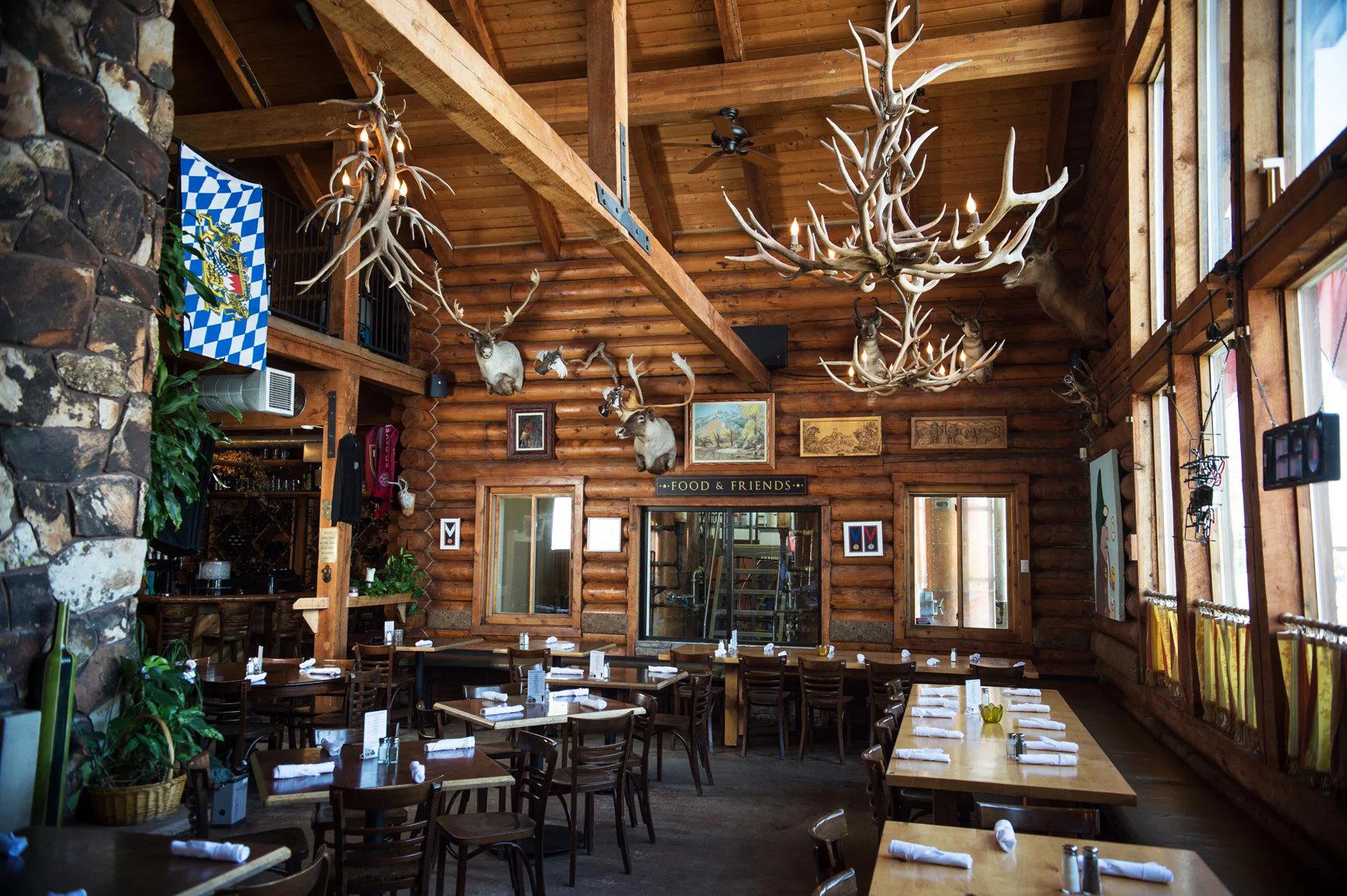
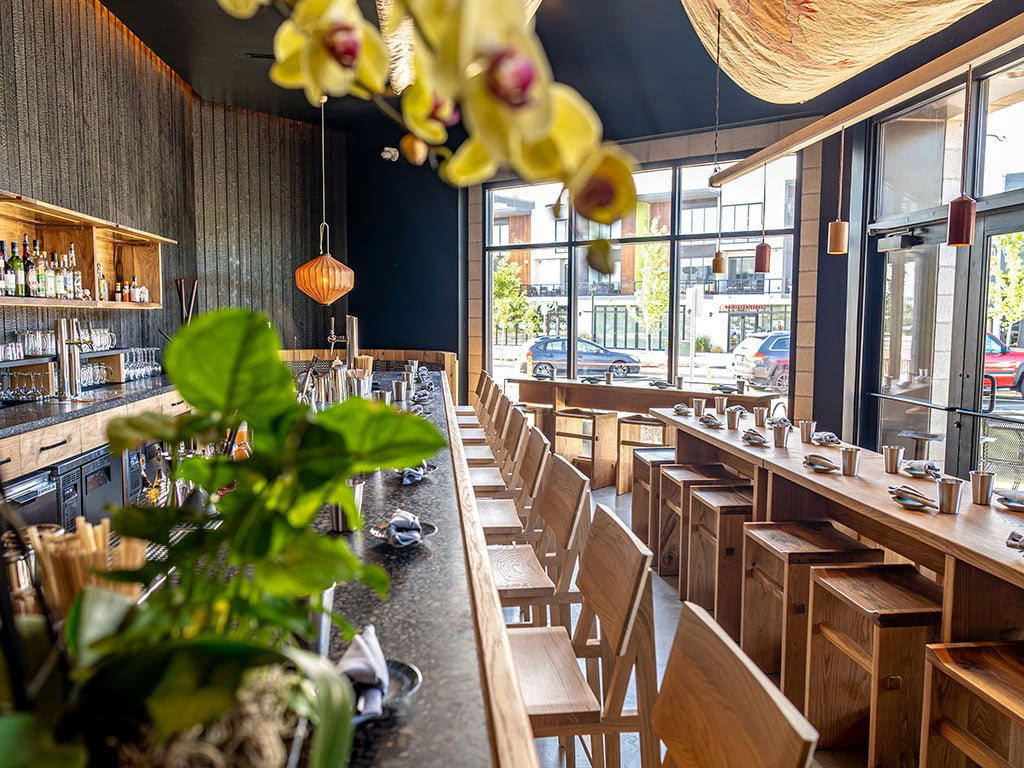
Casual and inviting atmosphere with calming decor and soft Indian music, well-suited for conversation.