John Dory Wine

On Sandgate High Street, John Dory Wine occupies the low-intervention end of Kent's emerging wine bar scene: rickety tables, walls stacked with bottles, and a kitchen that punches above its coastal setting. Sunday lunch requires advance booking; Thursday pasta nights and monthly steak frites add structure to a calendar worth following. Wine expertise from Louisa Walls and Zeren Wilson anchors the room and keeps guests at the table longer than planned.
Pearl is the En Primeur Club membership app — saves, bookings, and concierge access live there. Same editors, same standards.
- Address
- 102 Sandgate High St, Sandgate, Folkestone CT20 3BY, United Kingdom
- Phone
- +44 1303 251937
- Website
- johndory.wine
- Directions
- Get directions
 Saves & bookings on Pearl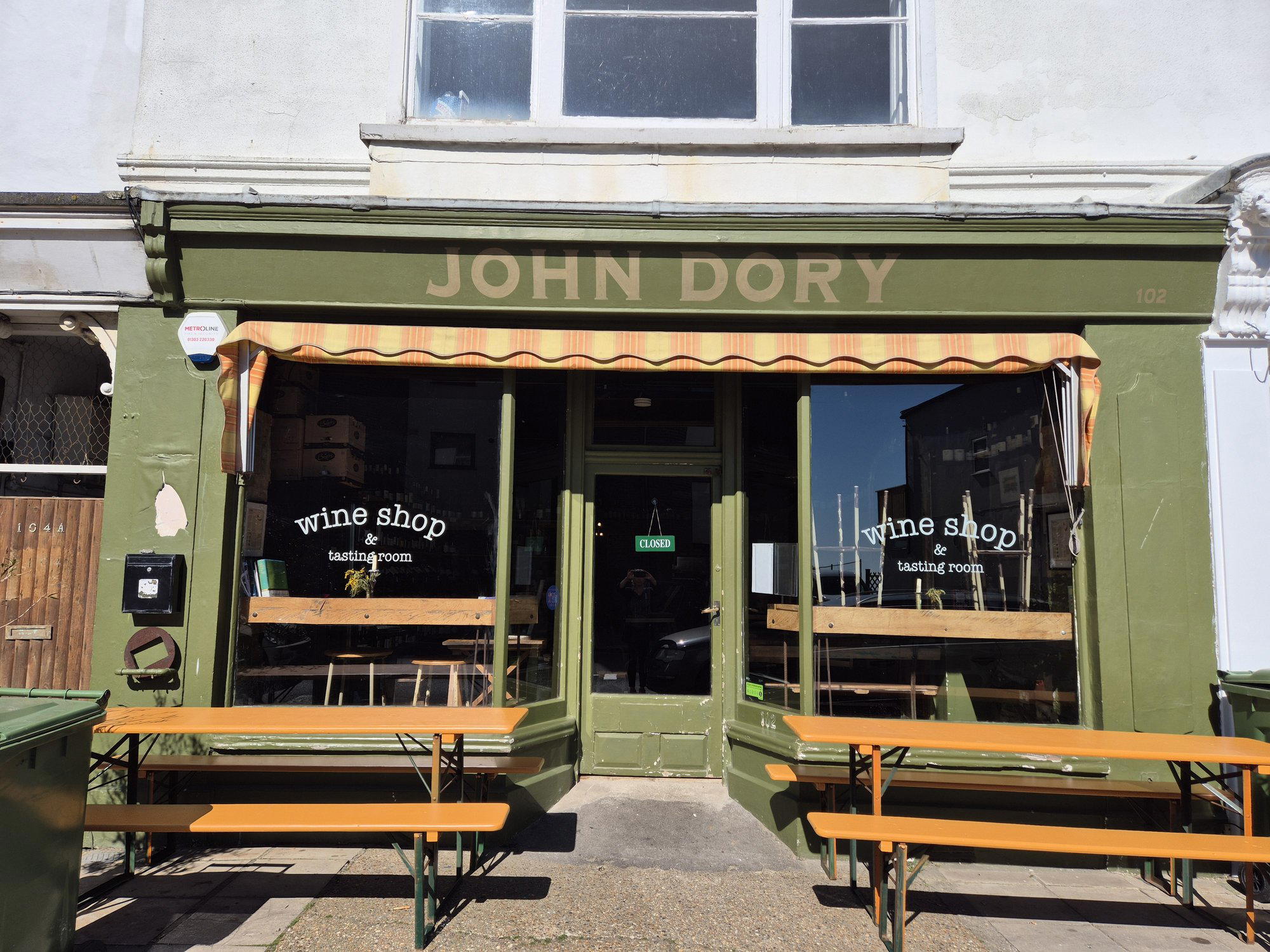
The New-Wave Wine Bar as a Coastal Model
Along the Kent coast, where the dining offer has historically tracked the tides between seasonal fish-and-chip queues and the occasional gastro-pub ambition, a different format has been quietly taking hold. The wine bar with genuine cellar knowledge, a rotating kitchen programme, and the social looseness of a neighbourhood bistro now represents one of the more interesting categories in provincial British dining. John Dory Wine, at 102 Sandgate High Street, sits at a useful point on that continuum: bare-table casual, deliberately unpolished, and run with the kind of wine expertise that puts it in conversation with the better urban natural-wine rooms rather than the seaside establishments around it.
What You Walk Into
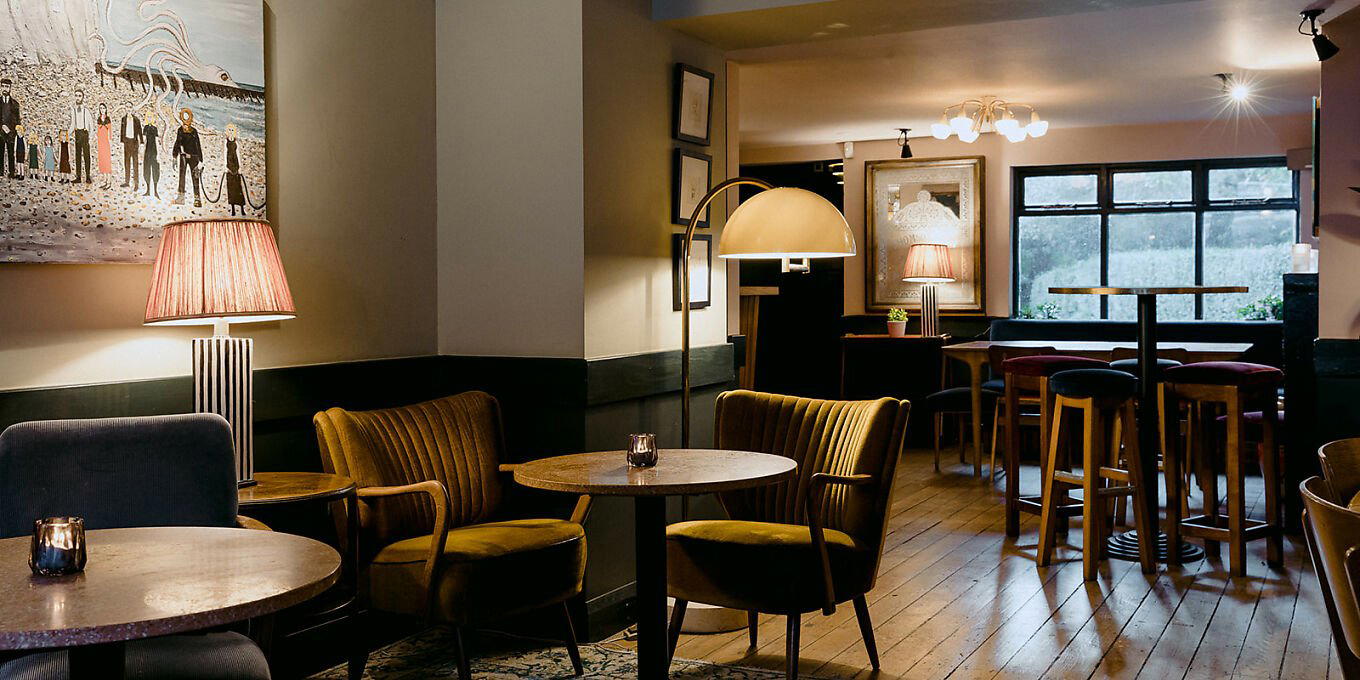
The room does not perform luxury. Rickety tables, walls lined with wine bottles, and a come-as-you-please atmosphere set the register immediately. This is deliberate positioning: a category of British wine bar that has quietly argued for years that the quality in the glass and the sourcing behind the food matter more than the furniture budget. That argument is won or lost on the floor each evening, and at John Dory the evidence is largely in its favour. Guests arrive for a quick drink and are still there two hours later, which is less a function of sticky seats than of good conversation-starters in the cellar and a kitchen that earns its keep.
The wine approach is led by Louisa Walls and Zeren Wilson, whose combined credentials sit well outside the coastal-tourist register. Wilson in particular has a documented presence in British wine writing and natural-wine discourse, which means the list is not assembled to flatter casual buyers but to reward curiosity. Bottles slightly outside the mainstream, producers worth following, regional selections that reward the regular who asks questions: these are the signals that place John Dory in a niche comparable set defined less by geography than by intent.
Where the Food Comes From and Why It Matters
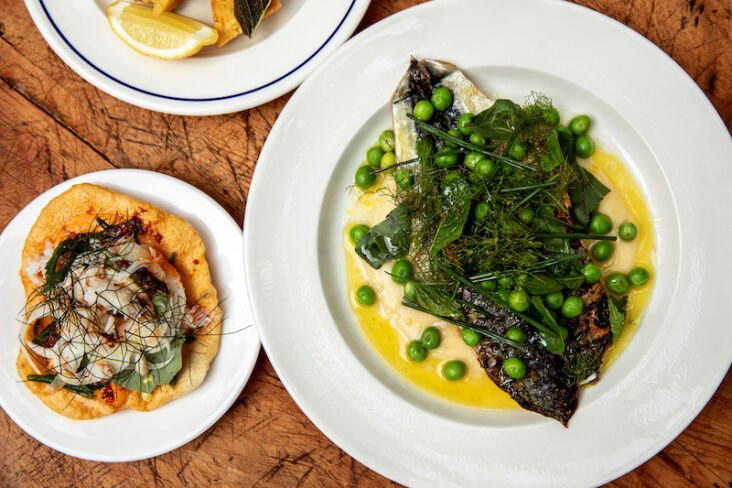
Editorial angle on British coastal wine bars in 2024 is increasingly one of provenance. The question is not whether a kitchen can plate competently, but whether it has the sourcing relationships to turn local and regional ingredients into something worth sitting down for. At John Dory, the snack menu offers the clearest signal of those relationships. Locally made pies, curried mutton among them, point to a supplier network embedded in the Kent food community rather than drawn from a catering wholesaler. Smoked haddock Scotch eggs and high-quality tinned fish similarly locate the kitchen in a tradition of doing more with well-sourced ingredients than with elaborate technique.
That sourcing orientation is what distinguishes the food offer from the many coastal spots that treat eating as an afterthought to drinking. The Thursday pasta night, featuring house-made pasta with fillings like agnolotti stuffed with broad beans and ricotta, requires the kind of ingredient discipline that only makes sense if the raw materials are worth the effort. Broad beans and ricotta in combination speak to seasonal availability and direct procurement rather than year-round convenience sourcing. The first-Wednesday steak frites follows the same logic: a single-dish focus that only works if the meat is good enough to stand alone.
Sunday lunch is the event that has drawn the documented praise, and it is here that the sourcing story becomes most visible. Tomato and burrata with aubergine and chilli, roast chicken with chips, and lemon mascarpone with raspberries and basil represent a seasonal, ingredient-forward menu rather than an attempt to replicate the grand Sunday roast tradition in miniature. The chicken, in particular, is a dish that exposes sourcing quality without disguise: roasted with confidence, served with chips rather than the elaborate garnishes that would mask a lesser bird. The booking requirement for Sunday lunch is logistical confirmation of demand; arrive without a reservation and you will not get in.
The kitchen is run by Harry Johnson, whose cooking has been described by guests as transporting the room to a French bistro rather than a Kent seafront address. That framing is useful: it locates the cooking in the bistro tradition of French provincial cooking, where ingredient quality and confident simplicity carry more weight than architectural plating. The Kent coast is not Burgundy, but the shared emphasis on sourcing well and intervening minimally creates a coherent culinary argument wherever it is applied.
The Calendar Logic
One of the structural features that distinguishes wine bars with genuine kitchen ambition from those treating food as obligatory is the presence of a fixed weekly and monthly programme. John Dory operates on a schedule that gives regulars a reason to return on specific nights: Thursdays for pasta, the first Wednesday of the month for steak frites, and Sundays for the set lunch that generates the social media commentary and, consequently, the booking pressure. Instagram collaborations with local and national restaurants extend that calendar unpredictably, so one-off evenings appear alongside the fixed weekly schedule. This format, where the core offer is reliable and the event calendar provides narrative, is one of the better operational models for a small room that cannot staff for a full seven-day kitchen programme.
When the kitchen is closed, the snack menu carries the room. Pies, tinned fish, Scotch eggs, and cheese selections are not consolation prizes; they are a coherent offer built from the same sourcing philosophy as the evening kitchen, and they make John Dory useful at hours when the alternative would be to walk further along the high street to find something acceptable.
Where This Sits in the Broader British Wine Bar Story
The British wine bar has moved through several phases in the past decade. The first wave was largely urban, London-anchored, and oriented around natural wine as a statement of cultural position. The second wave has been provincial: smaller cities and coastal towns acquiring establishments where wine knowledge migrates from the metropolis and roots itself in local food sourcing. John Dory belongs to the second wave, and its distance from London is part of the point. The Kent coast offers ingredient access that is distinct from what a London wine bar can source, and a room that commits to that geography makes a different offer from one that could theoretically operate anywhere.
For readers whose appetite runs to destination-level cooking in the region, the reference points shift considerably: Moor Hall in Aughton, L'Enclume in Cartmel, and Le Manoir aux Quat' Saisons all operate in a different register, with Michelin recognition and multi-course format discipline that John Dory neither attempts nor requires. The point is not competition across those tiers but clarity about what each format is for. John Dory is for an evening where the wine list rewards exploration, the kitchen is honest about what it can source well, and the service creates enough warmth that leaving feels premature. Those are not small things to get right, and on the Kent coast, getting them right at a reasonable price point is a contribution worth marking.
Practical orientation: the address is 102 Sandgate High Street, Sandgate, Folkestone CT20 3BY. Sunday lunch requires advance booking. The Thursday pasta programme and monthly steak frites night are worth planning around.
Comparable Spots, Quickly
Comparable venues nearby, for context on price, style, and recognition.
| Venue | Cuisine | Price | Notes |
|---|---|---|---|
| John Dory WineThis venue — the venue you are viewing | Mediterranean Wine Bar | $$ | Not listed |
| JoJo’s | Mediterranean Meze & Grill | $$ | Tankerton |
| Queens Head & Artichoke | Modern Mediterranean Gastropub | $$ | Euston |
| 56 WESTOW | Modern Iberian Small Plates | $$ | Gipsy Hill |
| Foodilic | Healthy Salads & Vegan Comfort Food | $$ | Churchill Square |
| Elliot’s | Modern European Small Plates & Natural Wine | $$$ | Hackney Central |
Recognition history
Dated appearances from independent guides and award organizations, with the underlying list record or original source where available.
The Good Food Guide GFG Good
The Good Food Guide
Continue exploring
More in Sandgate
Restaurants in Sandgate
Browse all →
Bars in Sandgate
Browse all →
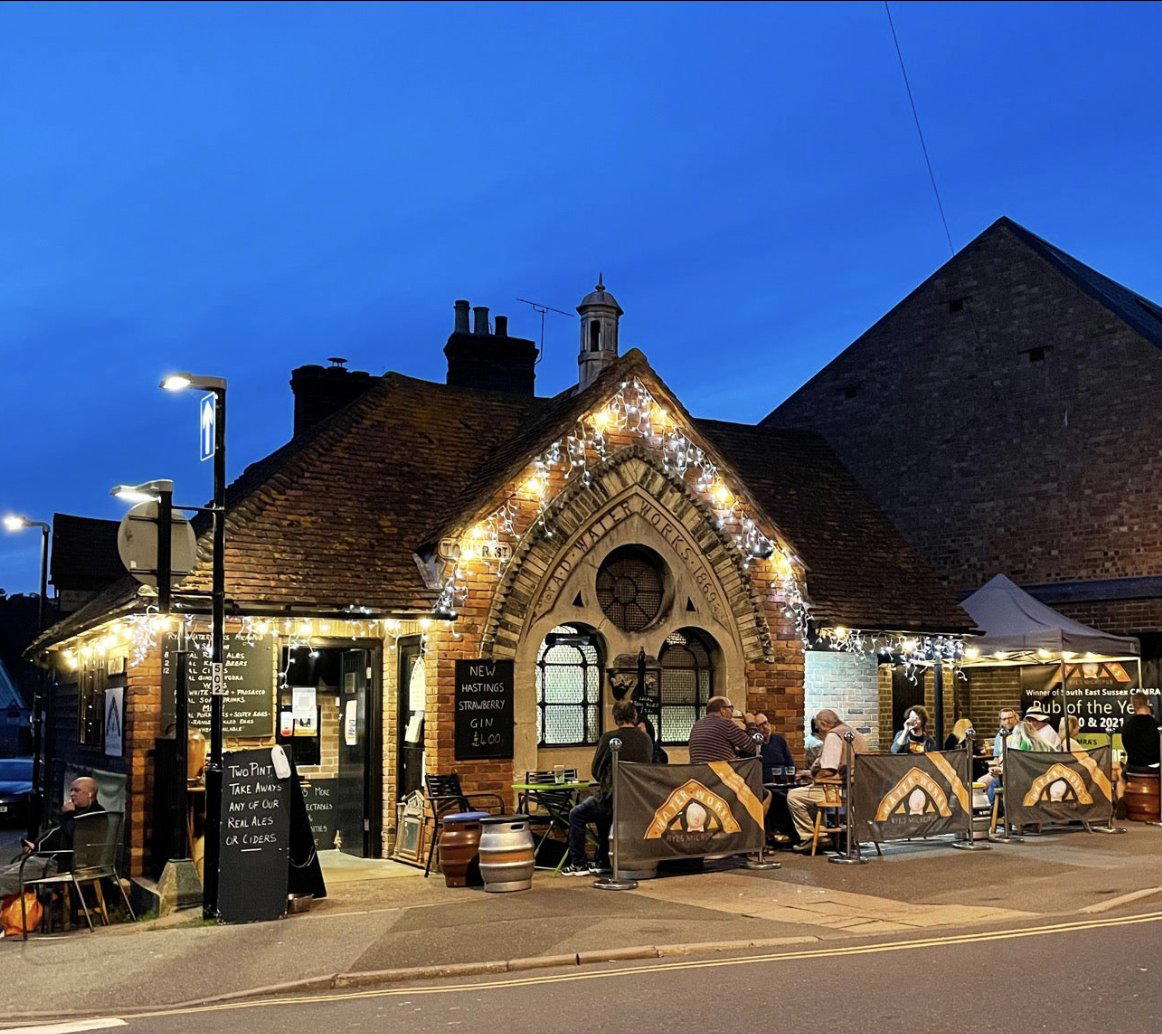
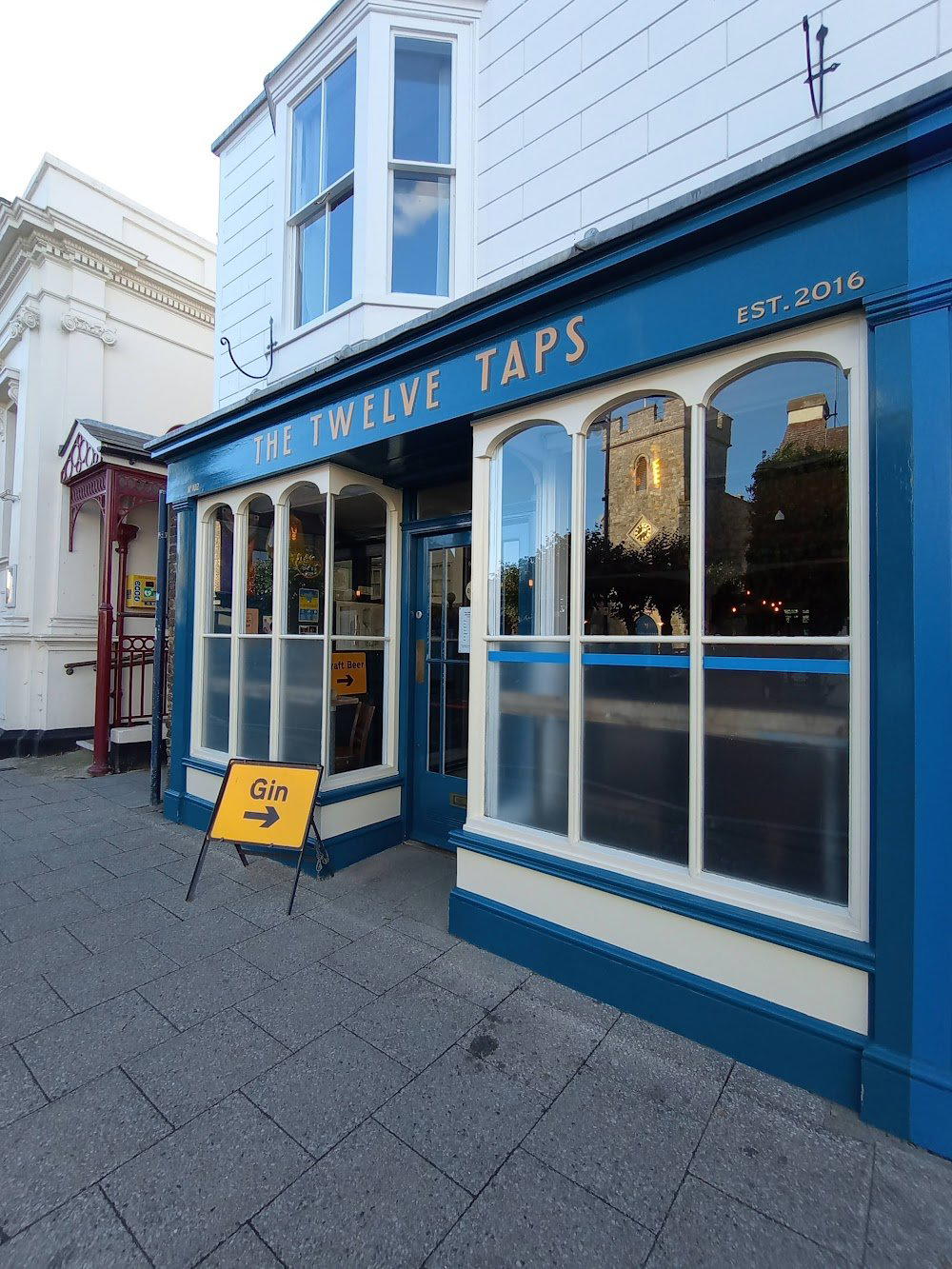
Hotels in Sandgate
Browse all →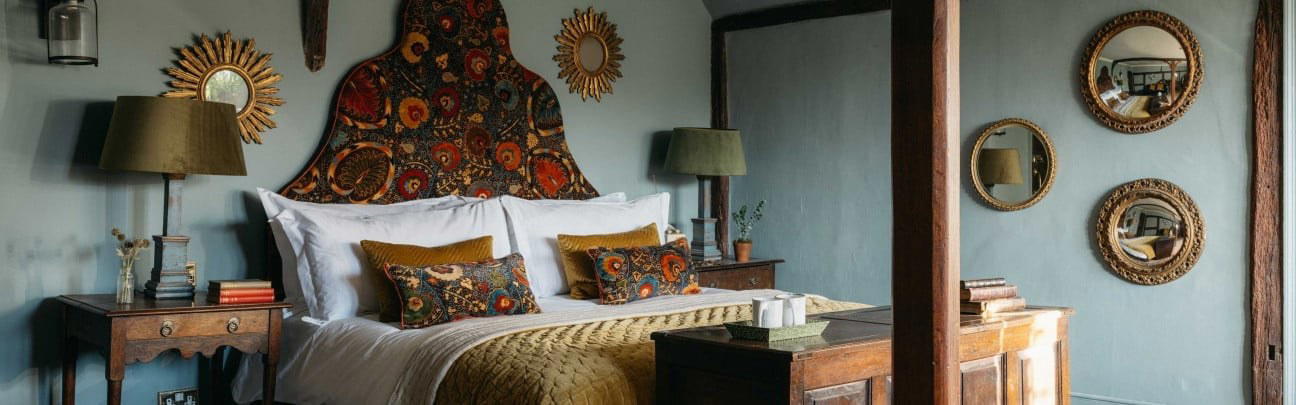
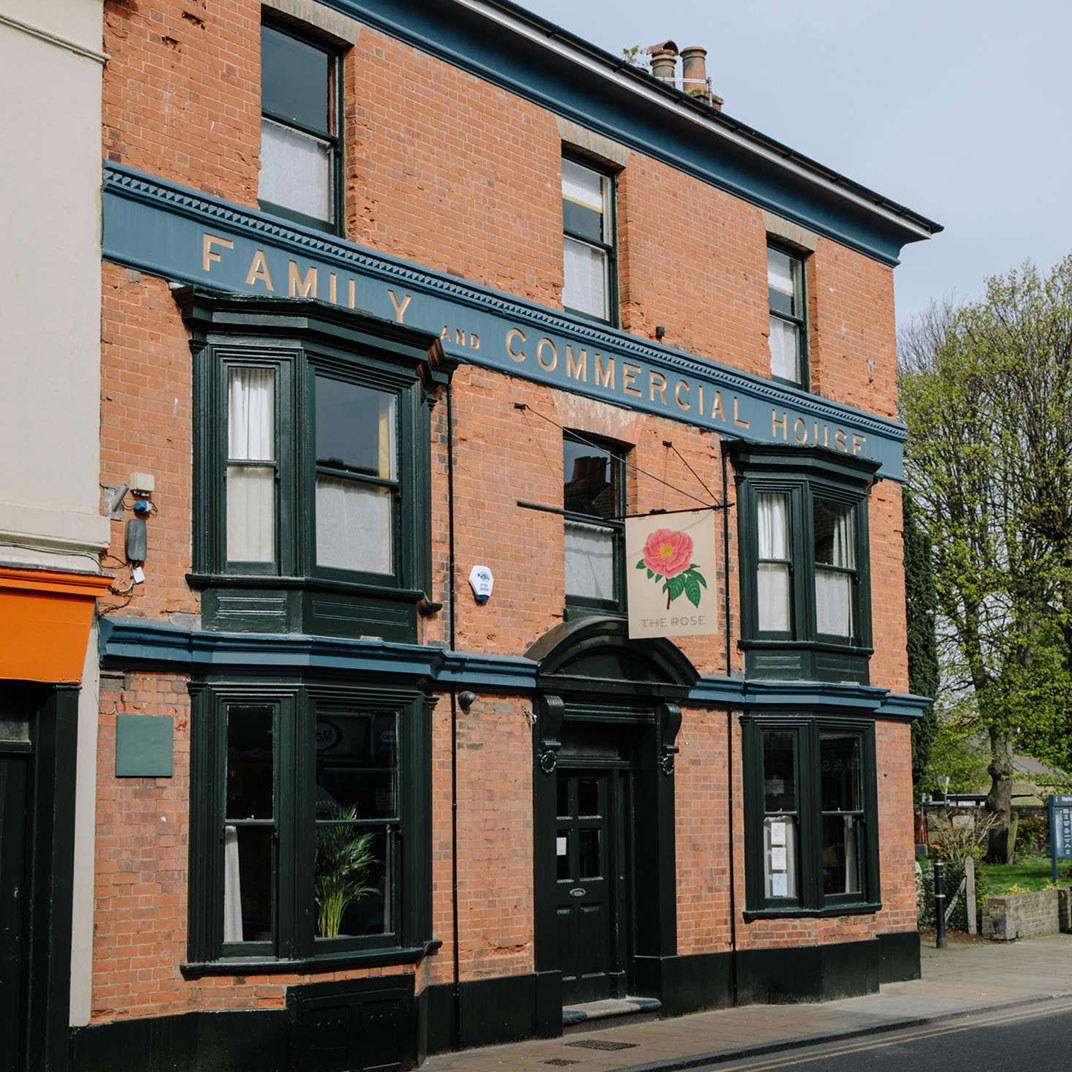
Wineries in Sandgate
Browse all →
At a Glance
- Casual
- Cozy
- Trendy
- Intimate
- Date Night
- Casual Hangout
- After Work
- Wine Cellar
- Extensive Wine List
- Local Sourcing
Current opening hours
- Monday
- 5–10 PM
- Tuesday
- 5–10 PM
- Wednesday
- 5–10 PM
- Thursday
- 5–10 PM
- Friday
- 12–10 PM
- Saturday
- 12–10 PM
- Sunday
- 12–6 PM
Hours can change for holidays and private events. Last verified .
Unpolished and basic with rickety bare tables, warm and relaxed atmosphere where guests stay for hours, busy on busy nights.