Jinsei
Our verdict
Jinsei brings a Japanese-inflected sensibility to Homewood, Illinois, operating in a dining tier where sourcing discipline and kitchen precision carry more weight than scale or spectacle. The restaurant sits within a small but serious cohort of suburban Chicago restaurants pushing past the obvious. For those tracking where ingredient-led cooking has taken root outside the city's core, it merits attention.

Pearl is the En Primeur Club membership app, where members save venues, book tables and use the concierge.
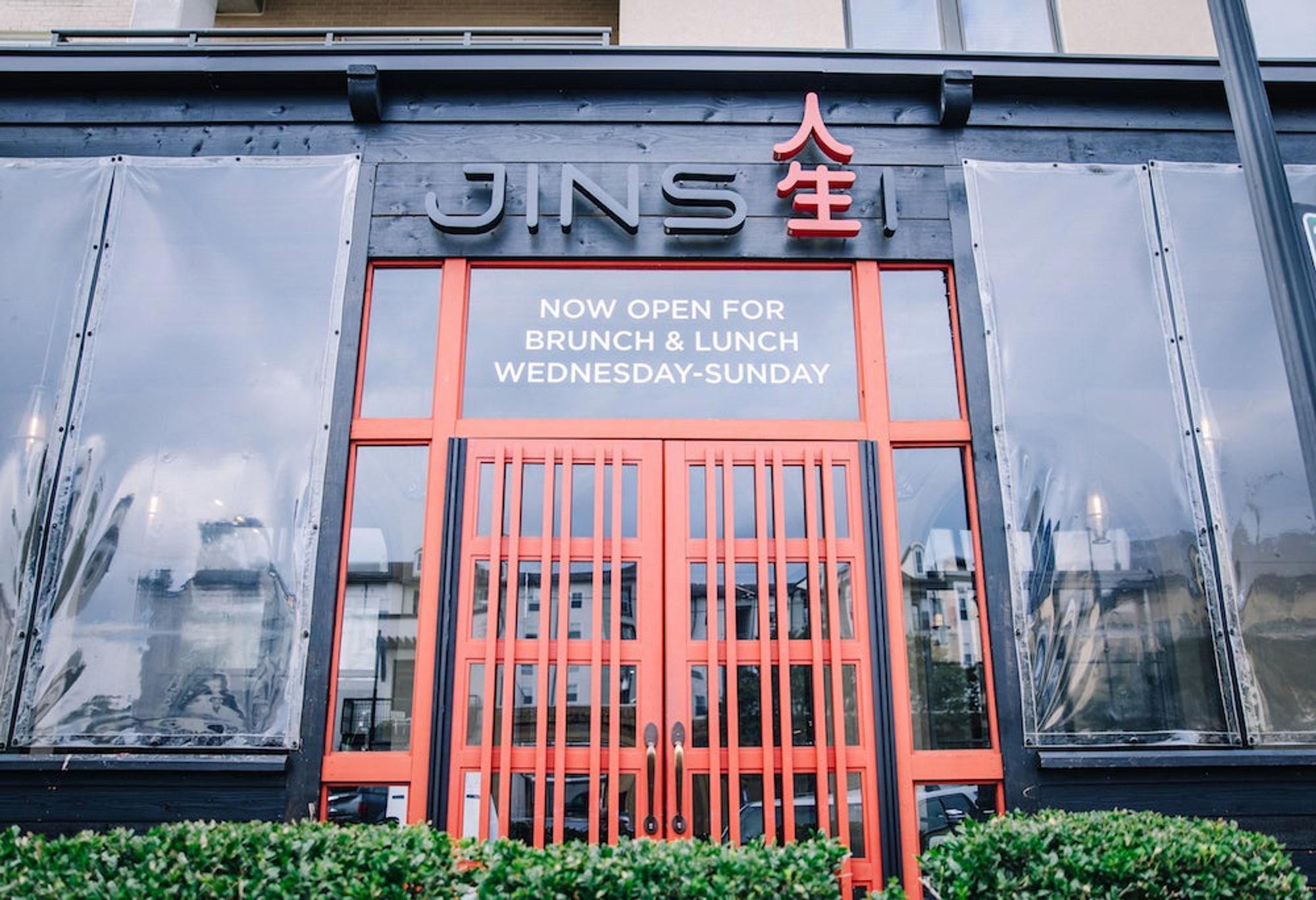
Where Homewood Meets the Counter Tradition
Suburban Chicago dining has rarely been content to simply mirror what happens downtown, and Homewood's better restaurants have long operated with enough independence to develop their own character. Jinsei fits that pattern. The room reads quietly on approach: no marquee signage, no forecourt theater. What signals quality here is the kind of restraint that serious kitchens across the country have moved toward over the past decade, away from maximalist presentation and toward an emphasis on what actually arrives on the plate and where it came from.
That shift toward ingredient provenance as the primary editorial statement of a menu is not unique to any one city. You can trace the same logic through Blue Hill at Stone Barns in Tarrytown, where the farm sits behind the kitchen in literal terms, and through Single Thread Farm in Healdsburg, where the sourcing calendar shapes the menu architecture season by season. In both cases, the cuisine is an expression of supply chain as much as technique. Jinsei operates on a smaller register, but the underlying logic connects to that same tradition.
Japanese Inflection, Midwestern Roots
Japanese-influenced restaurants in the American Midwest occupy a specific and increasingly credible position. The precision that defines Japanese kitchen culture, the attention to temperature, texture, and the integrity of individual ingredients, translates well into the sourcing-forward model that has come to define a certain tier of American fine dining. At its most coherent, the combination produces menus where a single vegetable or cut of fish is allowed to define a course rather than simply support it.
Across the country, restaurants working at this intersection have drawn serious attention. Atomix in New York City brought modern Korean precision into a framework that shares structural similarities with the Japanese omakase tradition, earning four stars from the New York Times and multiple James Beard nominations in the process. Le Bernardin in New York City has spent decades demonstrating how a sourcing-first philosophy, specifically around seafood, can sustain three Michelin stars over time. The question for a restaurant like Jinsei is not whether that model works at the highest level, but whether it can hold its logic in a suburban context where the supply chains are less institutionalized and the dining audience is more varied.
Ingredient Sourcing as the Organizing Principle
The restaurants that have made ingredient provenance their core identity tend to share a few structural commitments. They build relationships with specific producers rather than buying through commodity channels. They adjust their menus in response to what is available at peak quality rather than printing a fixed card months in advance. And they train their staff to communicate that sourcing story to the table, so that the origin of a piece of fish or a bunch of vegetables becomes part of the dining experience rather than background noise.
This model demands more from the kitchen on a logistical level than a conventional restaurant. It requires earlier decisions about menu composition, tighter relationships with a smaller number of suppliers, and a willingness to turn away from certain ingredients when they are not at their leading. The French Laundry in Napa runs its own garden adjacent to the property to maintain that kind of control. Providence in Los Angeles has built a two-Michelin-star program around sustainable seafood sourcing as a defining institutional commitment. The sourcing discipline at that level is not incidental; it is the kitchen's argument for its own existence.
For a restaurant operating in Homewood rather than Napa or Los Angeles, the context differs, but the underlying argument is the same. Local and regional producers in the greater Chicago area, including farms across Illinois and Wisconsin and the Great Lakes fishery, provide a credible supply base for a kitchen organized around seasonal and provenance-driven cooking. That supply base is what gives the Japanese-inflected sourcing model traction in a Midwestern setting.
Placing Jinsei Within the Broader Conversation
The American fine dining conversation in the 2020s has increasingly distributed itself outside the traditional gateway cities. Addison in San Diego became the first restaurant outside New York or Chicago to receive a Michelin three-star rating in California, signaling that geography is no longer the reliable predictor of ambition it once was. Bacchanalia in Atlanta has sustained a sourcing-led program in the Southeast for decades without needing New York validation. Brutø in Denver has brought a fermentation and preservation discipline to the mountain West that reads as coherent and confident rather than derivative.
In that context, a Japanese-inflected sourcing-forward restaurant in Homewood is not an anomaly. It is part of a recognizable pattern: serious kitchen thinking relocating to or persisting in suburban and secondary markets, often because the economics allow a chef to work at a pace and with a level of intention that a high-rent city location would not. The dining public in those markets has, in many cases, developed the appetite for that kind of cooking. Homewood, sitting within the broader Chicago metropolitan area, has access to a dining audience that moves fluidly between the suburbs and the city's more established fine dining tier, including restaurants like Alinea in Chicago, which has set a global standard for progressive American cuisine from a Chicago base for nearly two decades.
Nearby options in Homewood worth cross-referencing include Sabor Latino and West Shore Cafe, both of which anchor different ends of the local dining range. For a fuller map of the area, our full Homewood restaurants guide covers the current options across price tiers and cuisine types.
Planning Your Visit
Given the nature of sourcing-led tasting menus, reservations at restaurants of this type typically book ahead rather than accommodating walk-ins as a matter of operational design: the kitchen is purchasing to a specific count, and a spontaneous table is structurally harder to accommodate than at an a la carte operation. Confirm booking availability and current format directly with the restaurant before visiting. The address on record places Jinsei in Homewood, Illinois, within range of the broader South Side and south suburban Chicago dining circuit that also includes options in nearby communities.
Frequently asked questions
Where do I go for Jinsei?
Jinsei is located at 1830 29th Ave S, Birmingham, AL 35209, Homewood.
How does Jinsei fit into the Japanese-influenced dining scene in the Chicago area?
Jinsei operates in Homewood, Illinois, at a remove from Chicago's downtown restaurant cluster, which is part of what makes its positioning notable. Japanese-inflected fine dining in the American Midwest has grown into a credible category, with kitchens applying the precision and sourcing discipline associated with Japanese counter traditions to local produce and supply chains. Jinsei's model reflects that broader shift toward distributing serious tasting menu dining into suburban and secondary markets.
What should I eat at Jinsei?
Jinsei's kitchen is organized around ingredient sourcing, which means the menu shifts with what producers and purveyors can deliver at a given time. Rather than a fixed set of signature dishes, the kitchen builds courses around what is at peak condition. Visiting with an open approach to the tasting format is the most reliable way to experience what the restaurant does best.
Can I walk in to Jinsei?
Restaurants in Homewood operating at this tier of sourcing-led tasting menus typically run on a reservation model, and walk-in availability is limited by the structured nature of the format. Booking ahead is the practical approach, particularly for weekend evenings. Checking availability in advance through the restaurant directly will give the clearest picture of current lead times.
What has Jinsei built its reputation on?
Jinsei has positioned itself within a credible thread of Japanese-influenced American fine dining that treats ingredient provenance as the organizing principle rather than a secondary talking point. That approach places it alongside a broader national conversation about sourcing-led tasting menus outside gateway cities. In Homewood, that level of structural commitment to producer relationships is rare.
At-a-Glance Comparison
Comparable venues nearby, for context on price, style, and recognition.
| Venue | Cuisine | Price | Awards | Notes |
|---|---|---|---|---|
| JinseiThis venue (the venue you are viewing) | Modern Japanese Sushi | Not listed | Not listed | Not listed |
| Niki's West | Southern Meat-and-Three Cafeteria | $10–20 | Not listed | Acipco-Finley |
| Rojo | Latin and American | $20–30 | Not listed | Highland Park |
| The Fish Market Restaurant | Fresh Gulf Seafood with Greek & Southern Influences | $20–30 | Not listed | Southside |
| Bottega | Refined Italian & Southern | Not listed | Michelin Plate · James Beard Award Nominee | Southside |
| SAW's Soul Kitchen | Southern BBQ and Soul Food | $20–30 | Not listed | Avondale |
Continue exploring
More in Birmingham
Restaurants in Birmingham
All restaurants in Birmingham →

Bars in Birmingham
All bars in Birmingham →
Hotels in Birmingham
All hotels in Birmingham →
Details
- Modern
- Trendy
- Intimate
- Date Night
- Casual Hangout
- Open Kitchen
- Sake Program
- A La Carte
- Gluten Free Options
Current opening hours
- Monday
- 4–9 PM
- Tuesday
- 4–9 PM
- Wednesday
- 4–9 PM
- Thursday
- 4–9 PM
- Friday
- 11 AM–2 PM, 4–9:30 PM
- Saturday
- 11 AM–2 PM, 4–9:30 PM
- Sunday
- 11 AM–2 PM, 4–9 PM
Hours can change for holidays and private events. Hours as of .
Hip and relaxing atmosphere with fun, intimate seating and NY chic decor.