Our verdict
On a quiet street in the 7th arrondissement, Jaïs sits at the intersection where classical French discipline meets ingredients and influences that extend well beyond the Hexagon. The address at 3 Rue Surcouf places it within walking distance of the Musée d'Orsay and the Invalides, in a neighbourhood that still rewards those who look past the well-trodden tourist trail for serious cooking.

Pearl is the En Primeur Club membership app, where members save venues, book tables and use the concierge.
The menu
What to order
- Octopus with citrus butter
- Linguine with trout roe
- Profiteroles
- Pâté en croûte
The 7th Arrondissement and the Case for Restraint
Paris's 7th arrondissement has long operated as a counterweight to the showier dining corridors of the 8th and the experimental clusters around Oberkampf. The neighbourhood's restaurant culture tends toward precision over provocation, and its regular clientele, embassy staff, senior civil servants, the kind of Parisian who books two weeks in advance and arrives on time, demands consistency above novelty. It is precisely this environment that has made the 7th a durable address for kitchens that take technique seriously without performing it for the room.
Rue Surcouf, where Jaïs occupies number 3, sits close enough to the Seine to catch the particular ambient light that bounces off the river in the late afternoon, yet far enough from the tourist corridors near the Pont de l'Alma to maintain the unhurried pace the neighbourhood prefers. The street is the kind of address that Parisians discover through word of mouth rather than through guidebook coordinates.
Local Ingredients, Global Technique: The Core Argument
The most durable debate in contemporary French cooking is not whether to innovate, but how far the innovation should travel from the source. At one end sit institutions like L'Ambroisie, where Bernard Pacaud's kitchen has remained committed to classical French grammar for decades. At the other end, counters like Kei have made the cross-cultural edit central to their identity, with Japanese-trained chef Kei Kobayashi reworking French luxury product through a lens shaped far from the Loire Valley. Jaïs enters this conversation at 3 Rue Surcouf without the weight of a Michelin constellation or a decades-long press archive, which makes the editorial question more interesting, not less.
The broader pattern is well established in France's most applauded kitchens. Mirazur in Menton, with Mauro Colagreco's Argentine-Italian background filtering through the produce of the French Riviera, made the local-ingredient-plus-imported-technique argument persuasively enough to reach the best of the World's 50 Best list. AM par Alexandre Mazzia in Marseille built a similar case through the lens of Central African memory and Mediterranean produce. The method has become one of the defining moves in serious French cooking: anchor the sourcing locally, then apply whatever technical grammar leading serves the ingredient.
In Paris specifically, this approach appears across price tiers. Alléno Paris au Pavillon Ledoyen has taken it to its logical extreme through fermentation and extraction techniques that treat French terroir as raw data. Arpège, Alain Passard's long-running exercise in vegetable-forward cooking, built its reputation on an almost counter-intuitive narrowing of ingredient scope paired with absolute technical command. The signal from both addresses is the same: where the ingredients come from matters as much as what happens to them in the kitchen.
Rue Surcouf in the Wider Map of Paris Dining
For a visitor building a Paris itinerary around serious eating, the 7th functions differently from the more trafficked dining districts. The 8th, home to Le Cinq at the Four Seasons George V, operates at the grand hotel register, where room counts and international clientele shape the format. The 7th tends to run smaller and quieter, with a dining culture that prizes the regular relationship between kitchen and table over the one-time occasion dinner. This shapes the cooking: menus here tend to evolve with the market rather than announce seasonal changes through press releases.
The French regional comparison is instructive. Addresses like Flocons de Sel in Megève or Auberge du Vieux Puits in Fontjoncouse built their authority through deep commitment to a specific terroir, Alpine or Corbières, respectively, in a way that Paris kitchens cannot fully replicate. The capital's advantage is access: to producers from across France, to global technique via the density of trained cooks passing through the city, and to a dining public sophisticated enough to read those references. Troisgros in Ouches and Auberge de l'Ill in Illhaeusern hold their authority partly through place, the terroir is inseparable from the address. Paris kitchens on quieter streets earn theirs through consistency and precision rather than geography.
The international comparison extends further. Le Bernardin in New York transplanted classical French seafood technique across the Atlantic and held it there with the discipline of a kitchen that treats French method as a non-negotiable foundation, regardless of where the fish was landed. Atomix, also in New York, runs the argument in reverse: Korean culinary vocabulary expressed through the formal discipline of the tasting menu format. Both illustrate how technique and ingredient origin need not share a passport to produce serious cooking.
Planning Your Visit to Jaïs
Jaïs is located at 3 Rue Surcouf in the 7th arrondissement, within easy reach of the RER C at Pont de l'Alma or the Métro line 13 stop at Varenne. The neighbourhood is walkable from the Musée d'Orsay and the Esplanade des Invalides, making it a natural endpoint for an afternoon in that part of the left bank. Because specific hours, booking methods, and current pricing are not published through major reservation platforms at time of writing, contacting the restaurant directly or arriving during standard Parisian lunch and dinner service windows is the practical approach. In the 7th, dinner tends to move at a slower pace than the right bank's busier corridors, reservations, where accepted, are worth securing a week or more in advance for weekend evenings.
For a broader map of where Jaïs sits among Paris's dining options, our full Paris restaurants guide covers the city by arrondissement, cuisine type, and price tier. Readers tracking the provincial roots of serious French cooking will find the conversations at Bras in Laguiole, Assiette Champenoise in Reims, and Au Crocodile in Strasbourg useful context for understanding how Paris kitchens like Jaïs relate to France's broader culinary geography. The legacy counter in that lineage remains Paul Bocuse's Auberge du Pont de Collonges in Collonges-au-Mont-d'Or, which set the template that every subsequent generation of French-trained cooks has had to either inherit or argue against.
Frequently asked questions
What do regulars order at Jaïs?
Do they take walk-ins at Jaïs?
How does Jaïs fit into Paris's left bank dining tradition, and what kind of cooking should a first-time visitor expect?
At-a-Glance Comparison
Comparable venues nearby, for context on price, style, and recognition.
| Venue | Cuisine | Price | Notes |
|---|---|---|---|
| JaïsThis venue (the venue you are viewing) | Modern French Bistro | $30–50 | Not listed |
| Le Petit Canard | Traditional French Duck Bistro | Not listed | 9th arrondissement |
| Le Bistro Marbeuf | Traditional French Bistro with Lyonnaise Specialties | $30–50 | 8th Arr. - Élysée |
| Momen | Modern French Bistronomy | $50–100 | Paris 08 |
| Bistrot du 8ème | French Crêperie Bistro | $30–50 | 8ème arrondissement |
| 99 Haussmann | Modern French Bistronomic | $30–50 | 8th arrondissement |
Continue exploring
More in Paris
Restaurants in Paris
All restaurants in Paris →
Bars in Paris
All bars in Paris →
Hotels in Paris
All hotels in Paris →
Details
- Cozy
- Elegant
- Lively
- Date Night
- Group Dining
- Open Kitchen
- Natural Wine
- Local Sourcing
- A La Carte
Current opening hours
- Monday
- Closed
- Tuesday
- 12–2:30 PM, 7:30–10:30 PM
- Wednesday
- 12–2:30 PM, 7:30–10:30 PM
- Thursday
- 12–2:30 PM, 7:30–10:30 PM
- Friday
- 12–2:30 PM, 7:30–10:30 PM
- Saturday
- 7:30–10:30 PM
- Sunday
- Closed
Hours can change for holidays and private events. Hours as of .
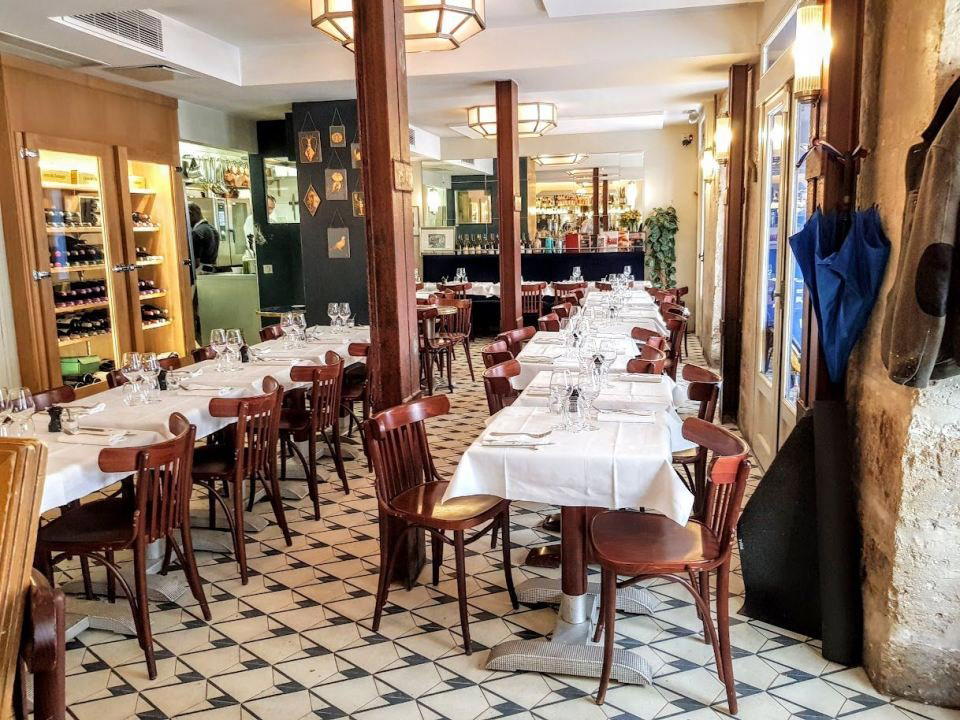
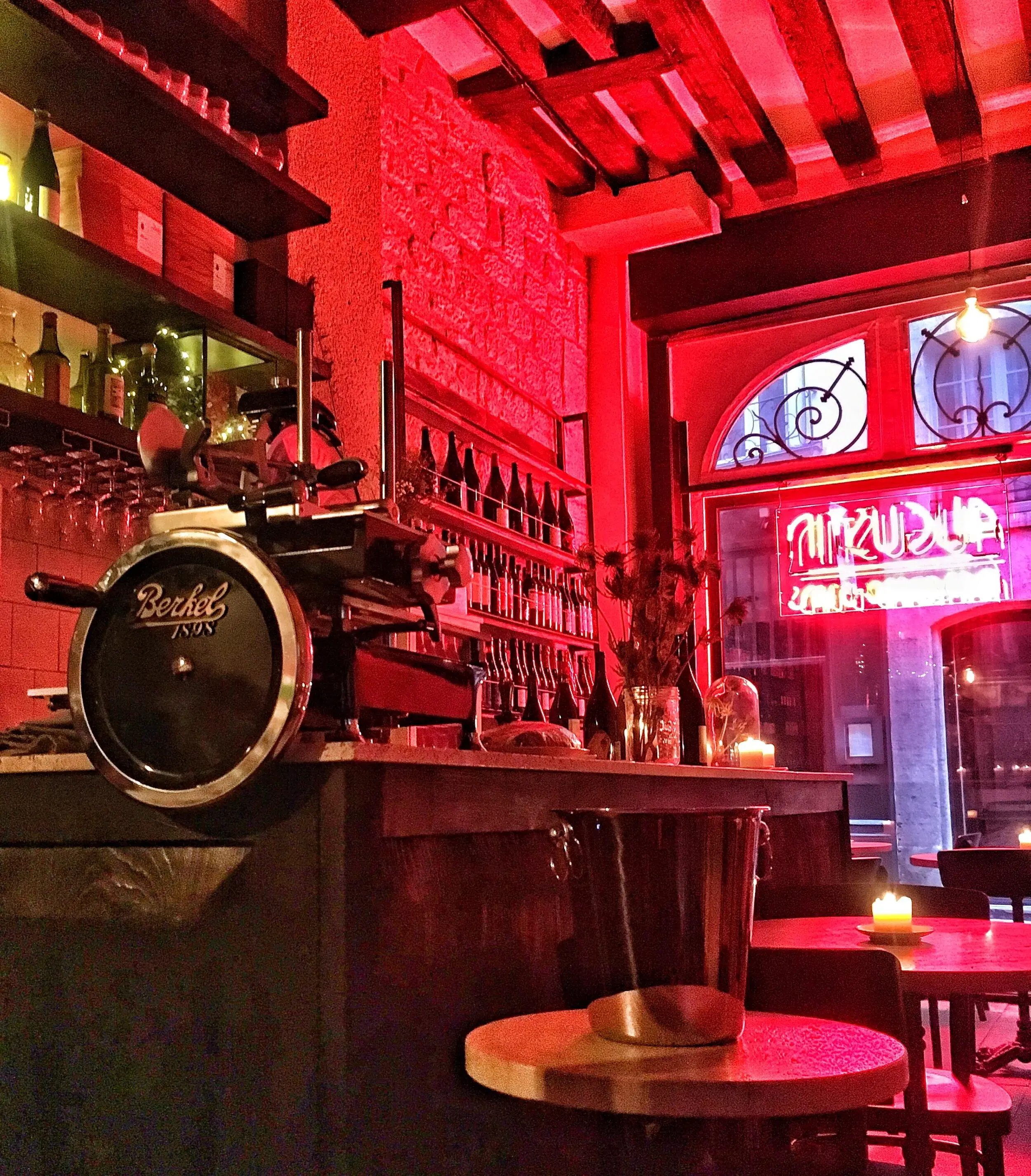
Chaleureuse and convivial atmosphere in a sober, modern bistro decor with an open kitchen.