
Tabelog 100 #29
Our verdict
Iwanaga Baijuken places Nagasaki’s wagashi tradition in sharper focus: an old sweet shop format, take-out service, and Tabelog 100 recognition for Japanese traditional sweets in West Japan. The interest is less spectacle than continuity, especially in a city where sugar, trade, tea, and confectionery have long been part of the same conversation.

Pearl is the En Primeur Club membership app — saves, bookings, and concierge access live there. Same editors, same standards.
- Address
- 7-1 Suwamachi, Nagasaki, 850-0873, Japan
- Phone
- +81 95-822-0977
- Hours
- Mon 10 AM–4 PMTue ClosedWed 10 AM–4 PMThu ClosedFri–Sat 10 AM–4 PMSun Closed
- Website
- baijyuken.com
- Directions
- Get directions
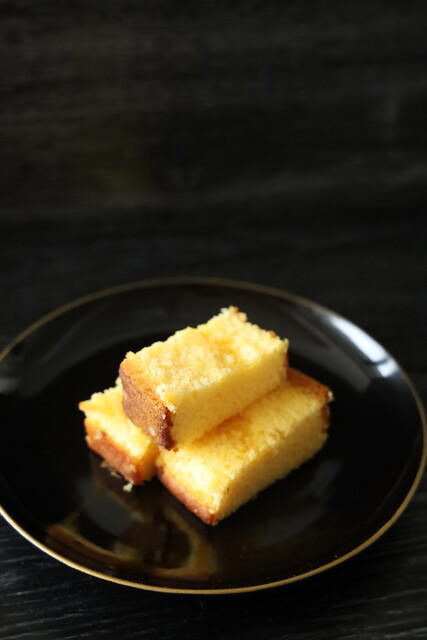
The menu
What to order
- Nagasaki castella
- Moshihosa
- Moshihogusa
- Zabon yokan
- Iwanaga Baijuken Kanbai chrysanthemum sweets
Approaching Nagasaki, the city’s older commercial rhythm feels distinct from restaurant districts built around late dinners and bright signage. The draw is quieter: a wagashi counter, a daytime purchase, and sweets tied as much to tea, gifting, and household ritual as eating out. Iwanaga Baijuken fits that older pattern. It is not a chef-performance dining room but a traditional sweets address whose value lies in craft, continuity, and Japanese confectionery’s ability to turn local memory into portable form.
Nagasaki gives wagashi particular force. The city’s food history was shaped by maritime exchange, sugar routes, Chinese influence, Dutch contact, and temple-town habits, so sweets carry more cultural weight than casual snacking suggests. Traditional confectionery here is not decorative nostalgia; it is one of the clearest ways to read how imported ingredients and local technique became Nagasaki cuisine. Compared with heavier restaurant meals, from Chinese banquet cooking to grilled beef formats, wagashi asks less time and rewards closer attention.
Wagashi in Nagasaki is about sugar, trade, and restraint
Ingredient sourcing matters because wagashi leaves little room for disguise. Rice, beans, sugar, starches, seasonal plant ingredients, and wrapping materials do much of the work, and the margin between delicate and dull is narrow. Nagasaki’s historical sugar access shaped a sweet culture unlike regions where confections developed under tighter scarcity. The result is not just sweetness, but a citywide habit of treating confectionery as part of hospitality, temple visits, family occasions, and formal gift exchange.
Iwanaga Baijuken belongs to that older Nagasaki register. The point is more than heritage mood: it places the shop in a category where confectionery houses depend on repeat local use, not destination-dining campaigns or tasting-menu language. That context explains why the format reads differently from restaurant theatre. Wagashi at this level is judged by consistency, finish, seasonality, and trust built across visits.
The Tabelog 100 selection for Japanese traditional sweets in 2023 gives the shop a useful external marker. Tabelog’s Hyakumeiten lists tend to reward strong user consensus within specific categories rather than broad fine-dining glamour, making the recognition especially relevant. It positions Iwanaga Baijuken within a regional sweets conversation, not only Nagasaki’s tourist circuit.
A traditional sweets shop in a city built for layered eating
Nagasaki dining often works by sequence: snack, meal, coffee stop, city walk, then something boxed for later. Wagashi suits that itinerary because it does not need to behave like a long meal. The format is best understood as part of a day’s eating architecture, not a standalone restaurant reservation. For travelers who treat Japanese sweets as dessert after lunch, that distinction matters; in Nagasaki, they often function as a separate cultural stop.
Within the local price spectrum, the shop is listed at JPY 2,000 - JPY 2,999, placing it in a clearly defined sweets-budget bracket rather than a luxury-restaurant frame. Kanro, Unryu Tei Honten, Osaka Ya Hamachou ten, Primrose, and Shokan Do give readers other Nagasaki reference points, but Iwanaga Baijuken’s appeal sits in a more specialized confectionery lane. The comparison shows how wagashi can carry serious craft without needing the language of a full restaurant meal.
The city setting matters too. Nagasaki’s older food fabric reinforces the category: wagashi remains tied to errands, visits, and small acts of hospitality. The format is public-facing and direct rather than private-room oriented, which suits the role these shops play in everyday Japanese life. That is not a weakness; it confirms a confectionery identity rather than a special-occasion dining venue.
How to read the shop against Nagasaki's wider food map
For an editorial itinerary, the strongest use is contrast. Pairing wagashi with Nagasaki’s better-known savory traditions makes the city’s range clearer. Chinese-influenced dining speaks to port-city exchange in a louder register. Contemporary cooking, bakery culture, and other long-running food addresses show additional sides of the city’s appetite for craft. Iwanaga Baijuken adds a local reference for readers mapping Nagasaki through food culture rather than single-meal spectacle.
Treat Iwanaga Baijuken as a cultural anchor in a Nagasaki food day, not a substitute for lunch or dinner. Its strengths are category-specific: Japanese traditional sweets, a focused purchase rhythm, historical continuity, and outside recognition from a sweets-focused Tabelog list. Travelers building a broader plan can cross-reference Our full Nagasaki restaurants guide, then widen the trip through Our full Nagasaki hotels guide, Our full Nagasaki bars guide, Our full Nagasaki wineries guide, and Our full Nagasaki experiences guide.
Readers comparing Japanese dining categories beyond Nagasaki should resist flattening them into one national checklist. A wagashi shop in Nagasaki has little in common with many other Japanese restaurant, cafe, bar, or snack formats elsewhere. Overseas interpretations of Japanese drinking or snack culture may translate certain moods for different audiences, but Nagasaki wagashi remains tied to local history, not exportable mood.
The editorial verdict is clear: this is a specialist stop for travelers who care how a city’s ingredients, trade history, and everyday rituals survive in small formats. Nagasaki’s sweets culture is easy to underrate if an itinerary centers only on full meals. Iwanaga Baijuken corrects that bias by placing traditional confectionery where it belongs: near the center of the city’s food identity.
Frequently asked questions
How much does it cost to eat at Iwanaga Baijuken?
Pricing at Iwanaga Baijuken is listed as JPY 2,000 - JPY 2,999 View spending breakdown.
What days is Iwanaga Baijuken closed?
Check the venue's official channels for the latest opening-day and hours details.
Where exactly is Iwanaga Baijuken?
Nagasaki.
What do critics highlight about Iwanaga Baijuken?
The clearest critic signal is its 2023 Tabelog Hyakumeiten recognition in the Japanese traditional sweets category. Its listed Tabelog score is 3.68, which reinforces its standing as a noted Nagasaki sweets address.
How does Iwanaga Baijuken handle allergies?
The practical move is to confirm ingredients before ordering rather than assume a standardized dining-room protocol. Contact details include the Nagasaki phone number, +81-95-822-0977, for checks on specific sweets. Check the venue's official channels for the latest details.
Is Iwanaga Baijuken child-friendly?
The public record provided here does not specify a child policy. The listed category is Japanese traditional sweets, and pricing is shown in the JPY 2,000–JPY 2,999 range. Check the venue's official channels for the latest details.
Comparable Spots, Quickly
Nearby venues at a similar price tier for orientation.
| Venue | Cuisine | Price | Awards | Notes |
|---|---|---|---|---|
| Iwanaga BaijukenThis venue — the venue you are viewing | Traditional Japanese wagashi & castella shop | $10–20 | Tabelog 100 #29 | Not listed |
| Shokan Do | Nagasaki Castella & Japanese Sweets | $10–20 | Tabelog 100 #80 | Meganebashi Bridge |
| ペッパーランチ | Japanese Pepper Steak Rice | Not listed | Not listed | 茂里町 |
| Primrose | Yoshoku / Japanese-Western Cuisine | $10–20 | Tabelog 100 #11 | Furukawa-machi / Meganebashi |
| Kanro | Chinese Noodle House | $1–10 | Tabelog 100 #4 | Shianbashi |
| BEARD | Modern Vegetable-Focused Japanese | $50–100 | We're Smart World 4 Radishes | Obama Onsen |
Recognition history
Dated appearances from independent guides and award organizations, with the underlying list record or original source where available.
Tabelog 100 #29 · No. 29
Tabelog · Tabelog 100 - Japanese traditional sweets / Japanese sweets cafe - WEST - 2023
Continue exploring
More in Nagasaki
Restaurants in Nagasaki
Browse all →
Details
- Classic
- Cozy
- Well Known
- Solo
- Family
- Casual Hangout
- Special Occasion
- Historic Building
- Standalone
- Design Destination
- Counter Dining
Current opening hours
- Monday
- 10 AM–4 PM
- Tuesday
- Closed
- Wednesday
- 10 AM–4 PM
- Thursday
- Closed
- Friday
- 10 AM–4 PM
- Saturday
- 10 AM–4 PM
- Sunday
- Closed
Hours can change for holidays and private events. Last verified .
Traditional, low-key wagashi shop atmosphere with a classic Nagasaki feel, focused on take-out rather than dine-in; calm and orderly, often with queues managed by numbered tickets on busy castella sale days.