Irondale Cafe
Irondale Cafe sits at 1906 1st Ave N in Irondale, Alabama, a Southern meat-and-three institution that gained national recognition through its connection to the novel and film Fried Green Tomatoes. The cafe operates within a long tradition of Alabama home cooking, where the sourcing of familiar regional ingredients and the rhythm of daily specials defines the experience as much as any single dish.
Pearl is the En Primeur Club membership app — saves, bookings, and concierge access live there. Same editors, same standards.
- Address
- 1906 1st Ave N, Irondale, AL 35210
- Phone
- +12059565258
- Website
- irondalecafe.com
 Saves & bookings on Pearl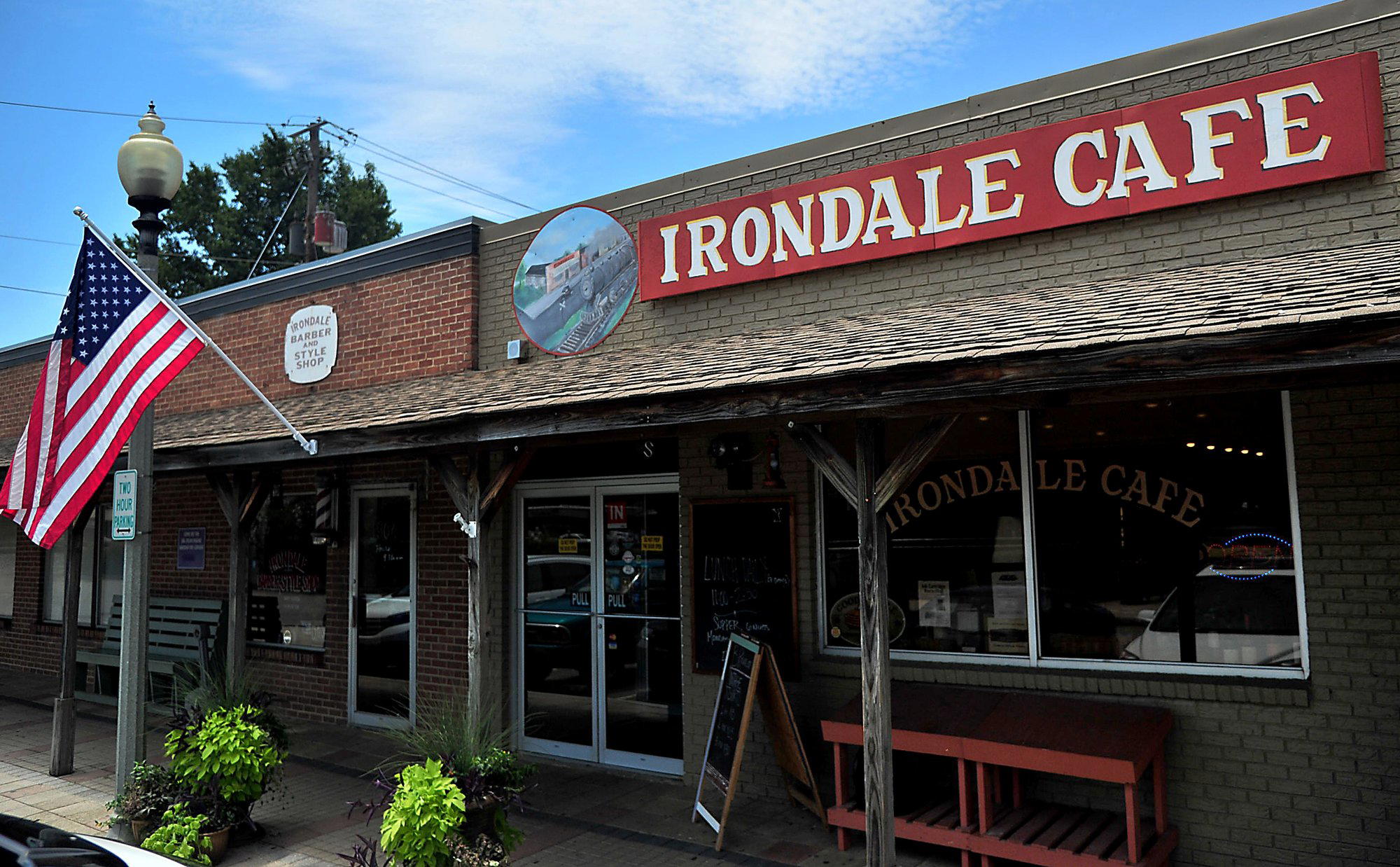
Where Alabama's Meat-and-Three Tradition Takes Root
The meat-and-three format is one of the South's most honest dining institutions. You choose a protein, add three sides from a steam-table lineup of field peas, collard greens, creamed corn, and squash casserole, and pay something close to what lunch cost a generation ago. No tasting menus, no amuse-bouche, no reservation systems gatekeeping a counter stool. The format strips dining back to its functional core: food cooked in quantity, from familiar regional ingredients, served fast to working people who need to eat and get back to their day. Irondale Cafe, at 1906 1st Ave N in Irondale, Alabama, sits squarely inside that tradition, and has done so for decades.
Irondale itself is a small city folded into the eastern edge of the Birmingham metro, the kind of place that functions as a community anchor rather than a destination. The cafe occupies the same position in its neighborhood. This is not a restaurant that exists to be visited; it exists to feed people who live nearby. That distinction matters when you're thinking about what the food is, where it comes from, and why it tastes the way it does.
Sourcing in the Southern Meat-and-Three Context
The ingredient story at a place like Irondale Cafe is not about single-origin grains or relationships with named farms, that framing belongs to a different tier of American dining, one represented by operations like Blue Hill at Stone Barns in Tarrytown or Single Thread Farm in Healdsburg, where the sourcing narrative is part of the dining proposition itself. In the meat-and-three world, sourcing operates differently. The vegetables on the steam table reflect what grows in Alabama's climate and what the regional food-distribution network makes available affordably. Butter beans, okra, turnip greens, sweet potatoes, these are not exotic imports but the working crops of the Deep South, and their presence on the plate is a form of quiet regional fidelity.
That fidelity is more significant than it might appear. As farm-to-table rhetoric has become standard language at price points far above what a meat-and-three charges, the everyday Southern cafe has maintained an actual relationship with the region's agricultural output without marketing it. The collard greens cooked with pork at a place like this carry the same logic as the produce sourced with elaborate documentation at Bacchanalia in Atlanta, both are expressions of where the food comes from, but the transparency operates through familiarity rather than narrative.
The Fried Green Tomato Connection and What It Actually Means
Irondale Cafe's national profile is inseparable from Fannie Flagg's novel Fried Green Tomatoes at the Whistle Stop Cafe and the 1991 film adaptation. Flagg based elements of her fictional Whistle Stop Cafe on this cafe, and the association has drawn visitors who would not otherwise know Irondale existed. That kind of literary provenance is relatively rare in American restaurant history, and it places the cafe in a specific cultural category: dining as regional documentation.
The fried green tomato itself is worth understanding as an ingredient. Green tomatoes, unripe fruit harvested before the first frost or simply picked early, have a firm texture and acidic bite that holds up to a cornmeal crust and hot oil in a way that ripe tomatoes cannot. They are a product of agricultural timing as much as culinary preference, a resourceful use of what the garden yields before the season ends. That resourcefulness is central to the broader logic of Southern home cooking, the tradition Irondale Cafe operates within.
Placing Irondale Cafe in the American Dining Spectrum
The American dining scene in 2024 runs a wide spectrum. At one end sit multi-course tasting experiences at places like Alinea in Chicago, The French Laundry in Napa, and Le Bernardin in New York City, where a meal is a structured event priced accordingly. Further along that spectrum you find ingredient-driven mid-tier operations like Frasca Food and Wine in Boulder or Causa in Washington, D.C., each with a defined culinary identity and a recognizable price point. At the other end sits the everyday regional cafe, accessible by design, priced for the community it serves, and carrying culinary traditions that predate the fine-dining industry's interest in American vernacular food.
Irondale Cafe occupies that latter position. It is not in competition with Lazy Bear in San Francisco or Atomix in New York City, and framing it against those venues would misread what it is. Its comparable set is other surviving meat-and-three operations across Alabama, Tennessee, and Georgia, a category that has contracted steadily as food costs and labor economics have made the format increasingly difficult to sustain.
That context makes a place like Irondale Cafe more significant, not less. Operations like Providence in Los Angeles, Addison in San Diego, or ITAMAE in Miami operate in dining categories with strong institutional support, awards programs, press cycles, a media infrastructure built around their format. The meat-and-three has none of that scaffolding. Its persistence is economic and cultural, not promotional. See our full Irondale restaurants guide for a broader look at what the area offers.
Planning Your Visit
Irondale Cafe is located at 1906 1st Ave N in Irondale, Alabama, roughly ten miles east of downtown Birmingham, accessible by car from Interstate 20. The cafe operates as a counter-service institution rather than a table-service restaurant, so the experience moves quickly: you move along the line, make your selections, and find a seat. It is walk-in friendly and serves lunch Monday through Friday, Sunday from 11 AM to 2:30 PM, with Saturday closed. The price point, consistent with the meat-and-three format, remains among the most accessible in the Birmingham metro's dining scene. Visitors who connect the address to the Fried Green Tomatoes story will find the physical space modest and functional, which is precisely the point.
Quick Comparison
Comparable venues nearby, for context on price, style, and recognition.
| Venue | Cuisine | Price | Awards | Notes |
|---|---|---|---|---|
| Irondale CafeThis venue — the venue you are viewing | Classic Southern Meat-and-Three | $$ | , | |
| SAW's Soul Kitchen | Southern BBQ and Soul Food | $$ | , | Avondale |
| Armour House | Upscale American brasserie and raw bar with European and Southern influences | $$$ | , | Downtown Birmingham |
| Dreamland Barbecue | Alabama-Style Hickory-Smoked BBQ | $$ | Downtown | |
| Big Bob Gibson’s Bar-B-Q | Alabama-Style Barbecue | $$ | Decatur | |
| Niki's West | Southern Meat-and-Three Cafeteria | $$ | , | Acipco-Finley |
Continue exploring
More in Irondale
Restaurants in Irondale
Browse all →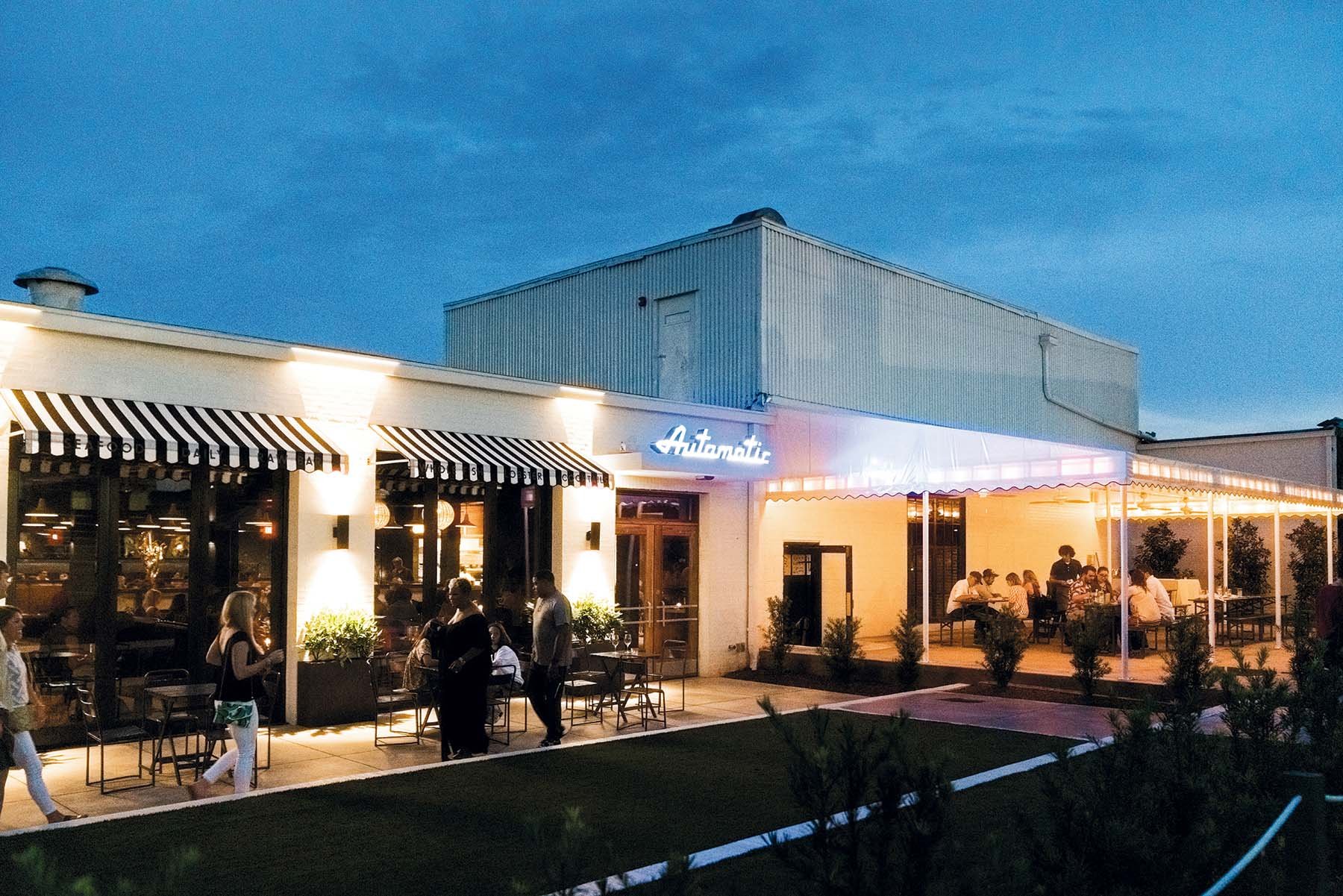
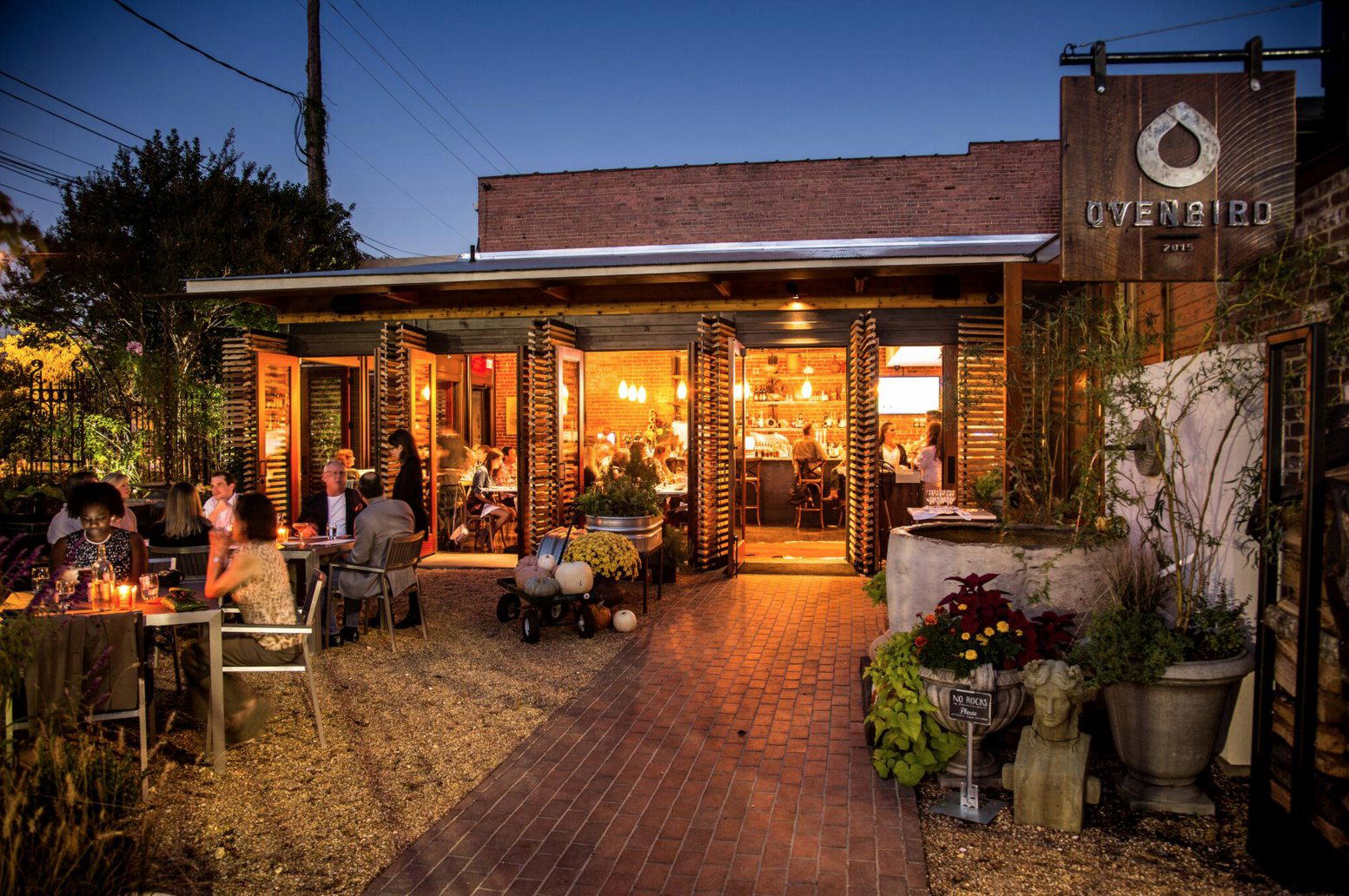
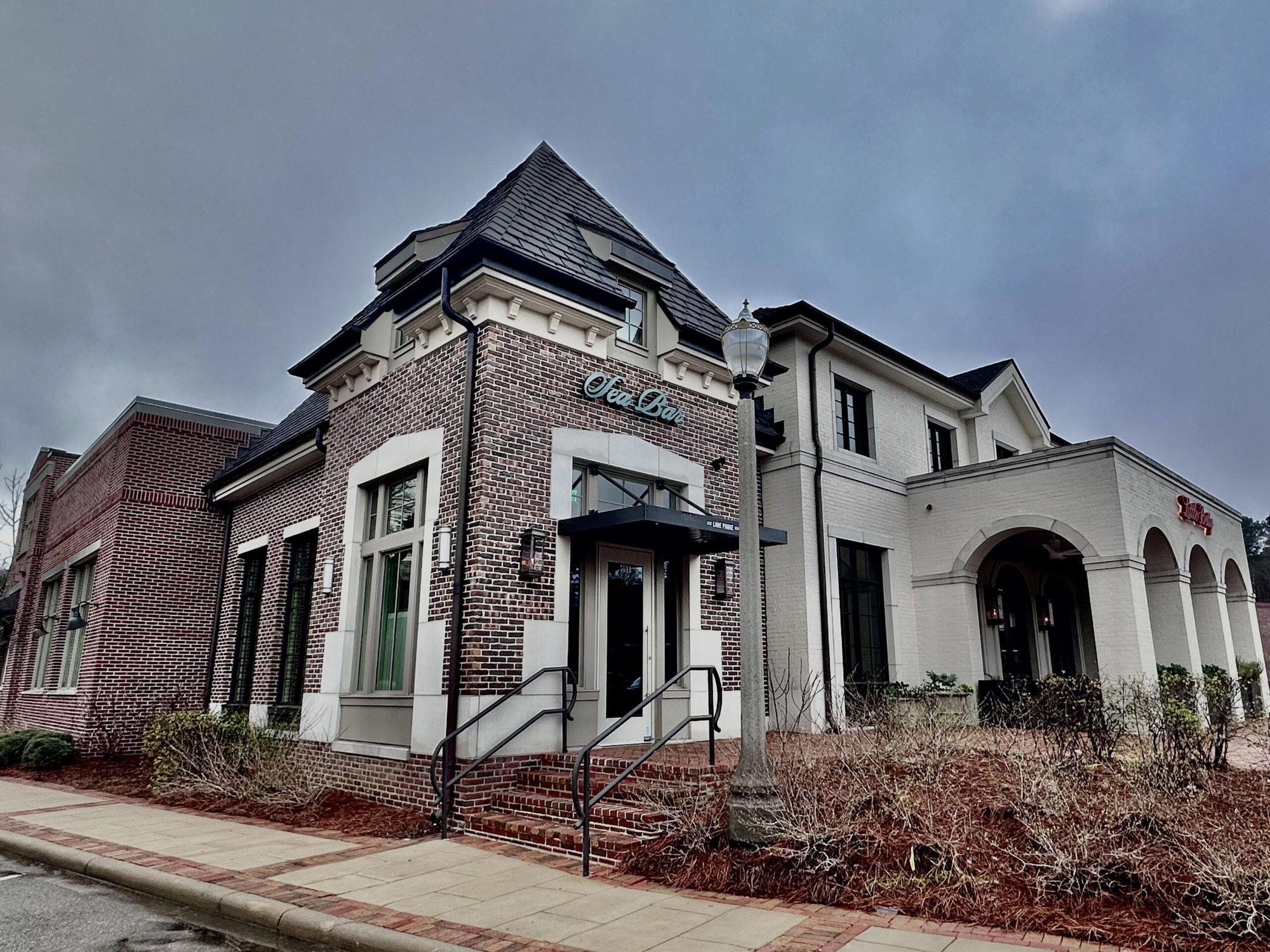
Bars in Irondale
Browse all →

Hotels in Irondale
Browse all →
At a Glance
- Classic
- Rustic
- Cozy
- Iconic
- Casual Hangout
- Family
- Historic Building
- Local Sourcing
Casual cafeteria-style dining with homey Southern comfort food atmosphere and train-themed history.