Galley & Garden
Our verdict
On Highland Avenue in Birmingham, Alabama, Galley & Garden sits within a growing local dining scene that increasingly prizes ethical sourcing and seasonal discipline. While detailed records remain limited, the address places it firmly in the Five Points South corridor, where restaurants operate against a backdrop of neighbourhood renewal and food-culture ambition.

Pearl is the En Primeur Club membership app, where members save venues, book tables and use the concierge.

The menu
What to order
- Bourbon Bread Pudding
- Scallops
- Fried Oysters
- Lobster Ravioli
- Filet
Highland Avenue and the Ethics of the Plate
The stretch of Highland Avenue running through Birmingham's Five Points South neighbourhood has quietly become one of the more interesting corridors for serious dining in the American South. The built environment earns it: mid-century storefronts, mature tree cover, and a residential density that keeps foot traffic consistent without the manufactured energy of a purpose-built dining district. Restaurants here tend to operate with a neighbourhood logic rather than a destination-restaurant logic, which has created space for the kind of sourcing-conscious, produce-led cooking that has defined the better end of American regional dining over the past decade. Galley & Garden, at 2220 Highland Avenue, sits inside that pattern.
Across the United States, the most consequential shift in fine and mid-fine dining over the past fifteen years has not been a technique or a cuisine but a supply-chain commitment. The restaurants drawing sustained critical attention, from Blue Hill at Stone Barns in Tarrytown to Single Thread Farm in Healdsburg, have built their identities around what they refuse to buy as much as what they choose to cook. That refusal, replicated at the neighbourhood scale across mid-sized American cities, is what gives venues like Galley & Garden their contemporary relevance. The name alone signals the approach: a galley implies working kitchen pragmatism; a garden implies a direct relationship with growing things. Whether that relationship is literal or figurative shapes how the room earns its reputation.
The Sourcing Framework Southern Restaurants Are Working Within
Birmingham's dining scene has matured considerably since the early 2010s. The city's restaurant community has developed genuine infrastructure for local sourcing, with Alabama farms supplying produce, proteins, and dairy to a range of kitchens operating at different price points. This is not a trivial logistical achievement: the South's climate allows for long growing seasons, but building reliable chef-to-farm relationships requires sustained investment from both sides. The restaurants that have made it work, and there are several worth noting in Birmingham's current moment, tend to be ones where the kitchen team has made sourcing decisions a structural part of menu planning rather than a marketing addendum.
At the upper end of Birmingham's table, venues like Opheem and Adam's have demonstrated that serious tasting-menu ambition is viable in the city, both operating at the ££££ tier and drawing recognition commensurate with their investment in craft. Simpsons, also at the ££££ bracket, represents a longer-standing tradition of modern British technique applied with precision. These restaurants function as proof of concept: Birmingham diners will follow quality. The more interesting question now is whether that seriousness is filtering into mid-tier and neighbourhood-format operations, which is the tier where ethical sourcing commitments are harder to sustain on thinner margins.
Nationally, the restaurants making sustainability a structural rather than decorative commitment share certain characteristics: they tend to be smaller in scale, more willing to adjust menus around supply availability, and less reliant on imported luxury proteins. Smyth in Chicago and Lazy Bear in San Francisco both operate within this framework at the fine-dining level, using producer relationships as a constraint that generates creativity rather than limits it. At a more accessible register, the same logic applies: menus that change with availability, kitchen processes that prioritise whole-animal and whole-vegetable use, and sourcing decisions that keep money inside regional food economies.
What the Garden Implies About the Kitchen
The specific language a restaurant chooses for its name and positioning tends to carry operational weight in the current American dining environment. A venue calling itself Galley & Garden in 2024 is making an implicit argument: that the kitchen functions as a working space oriented around what grows nearby, and that the dining experience is shaped by seasonal availability rather than fixed menu certainty. This is a different promise from the kind made by destination tasting-menu restaurants like The French Laundry in Napa or Le Bernardin in New York City, where the consistency of execution is itself the product. At the neighbourhood scale, seasonal variability is a feature, not a risk to manage.
This positioning also aligns with a broader movement in American restaurant culture toward waste reduction as a kitchen discipline. Restaurants like Providence in Los Angeles and Addison in San Diego have built sustainability credentials into their public identity alongside their culinary ones. Internationally, Atelier Moessmer Norbert Niederkofler in Brunico has made zero-waste, Alpine-sourced cooking a foundation of three-Michelin-star recognition. The principle scales down: smaller kitchens, operating with tighter margins, often have more practical incentive to reduce waste than large-format operations, because every unusable trim line represents a real cost.
Birmingham's Neighbourhood Dining Tier
Five Points South has historically been Birmingham's most food-dense neighbourhood, with a concentration of independent restaurants that predates the city's more recent fine-dining moment. The area's character, shaped by its proximity to Samford University's former campus, a mix of residential and commercial stock, and longstanding community institutions, makes it hospitable to restaurants that operate with a local-first orientation. Bayonet and 670 Grams represent different ends of the city's creative dining range, and the existence of multiple serious independent operations across a relatively compact geography suggests that the city's dining culture has developed the kind of critical mass that sustains ambition at the neighbourhood level.
Restaurants like Emeril's in New Orleans and The Inn at Little Washington built their regional significance over decades by anchoring themselves to a place and a set of relationships within it. That model, scaled to a neighbourhood restaurant rather than a destination institution, is what Five Points South venues are working toward. Galley & Garden's address on Highland Avenue positions it within that ambition, in a corridor where the standard for independent dining has risen steadily.
Planning Your Visit
Galley & Garden is located at 2220 Highland Avenue, Birmingham, AL 35205, in the Five Points South area. Given the venue's neighbourhood format and the general patterns of similarly positioned Birmingham restaurants, visiting mid-week or during early evening service tends to offer more flexibility than weekend prime time, when demand across the corridor increases. Specific booking methods, hours of operation, and current menu formats are best confirmed directly with the venue before travelling, as operational details for restaurants of this type can shift with seasonal programming. For a broader view of what Birmingham's dining scene currently offers across price points and cuisine formats, the EP Club Birmingham restaurants guide covers the city's full range in editorial depth. Those interested in how sustainability-led kitchens are operating at the national fine-dining tier will find useful reference points at Atomix in New York City, where seasonal discipline and producer relationships operate at a different scale but within the same fundamental framework.
Frequently asked questions
Where exactly is Galley & Garden?
Galley & Garden is located at 2220 Highland Ave, Birmingham, AL 35205, Birmingham.
Is Galley & Garden suitable for a dinner focused on Southern ingredients and local Birmingham producers?
The venue's name and Highland Avenue address place it squarely within the Five Points South corridor that has developed real infrastructure for local sourcing over the past decade. Birmingham's independent restaurant community has built supplier relationships with Alabama farms and regional producers that go well beyond token gestures. Galley & Garden's positioning suggests a kitchen working within that framework, though confirming specific sourcing partnerships directly with the restaurant will give you the clearest picture.
Can I walk in to Galley & Garden?
Walk-in policy at 2220 Highland Avenue can change from current public data. Five Points South operates as one of Birmingham's more active independent dining corridors, and neighbourhood-format restaurants in that stretch tend to fill on weekends without much notice. Contacting the venue directly before arrival is the practical move if you're not planning ahead. Check the venue's official channels for the latest details.
At a Glance
Comparable venues nearby, for context on price, style, and recognition.
| Venue | Cuisine | Price | Awards | Notes |
|---|---|---|---|---|
| Galley & GardenThis venue (the venue you are viewing) | Modern American with Southern & French Influences | $50–100 | Not listed | Not listed |
| Niki's West | Southern Meat-and-Three Cafeteria | $10–20 | Not listed | Acipco-Finley, Southern Meat-and-Three Cafeteria |
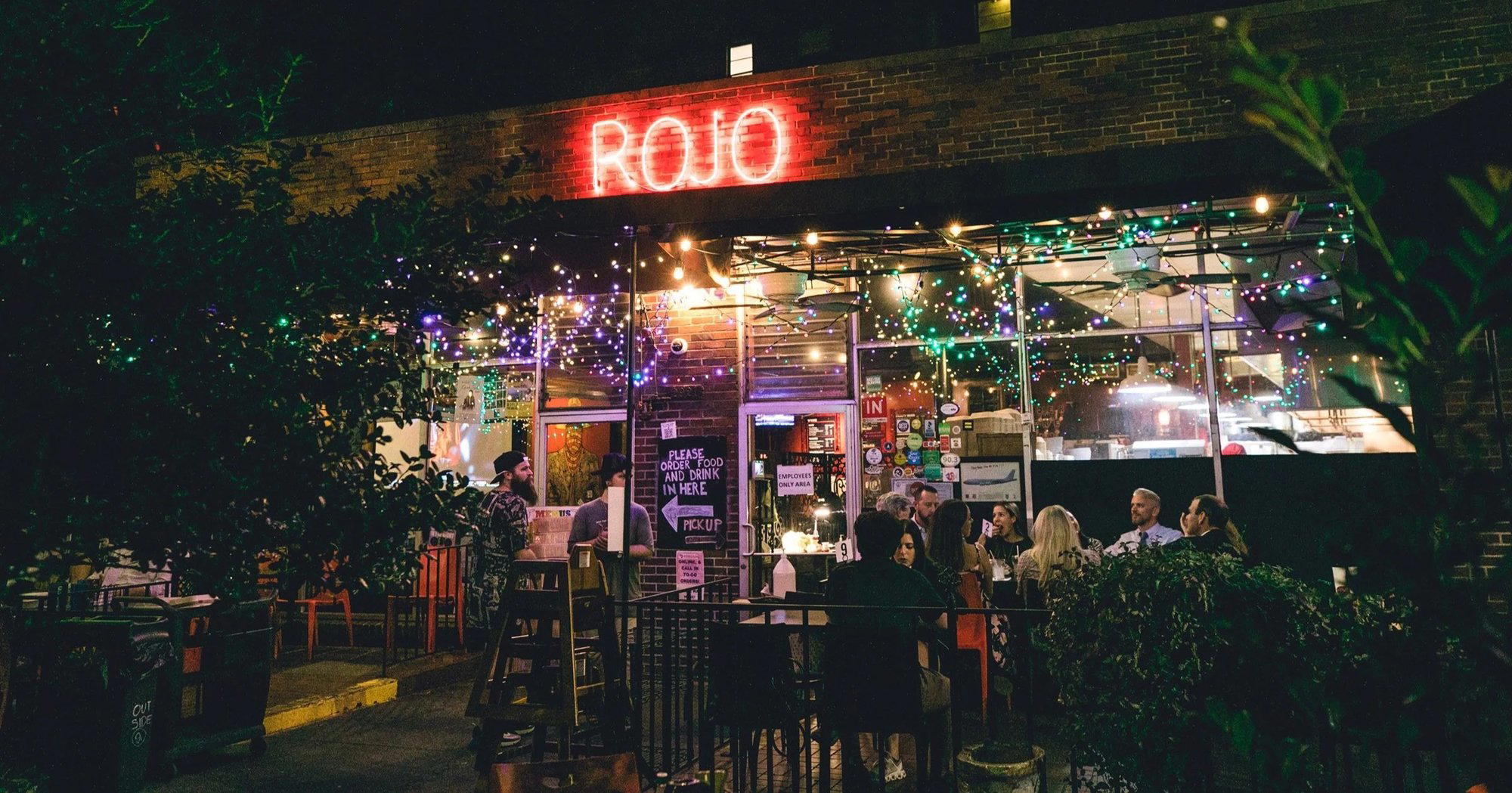
| Rojo | Latin and American | $20–30 | Not listed | Highland Park, Latin and American |
| Hot and Hot Fish Club | Modern Low Country Seafood | $50–100 | Michelin Plate · James Beard Award Best Chefs | Southside/Pepper Place, Modern Low Country Seafood |
| Bottega | Refined Italian & Southern | Not listed | Michelin Plate · James Beard Award Nominee | Southside, Refined Italian & Southern |
| Armour House | Upscale American brasserie and raw bar with European and Southern influences | $50–100 | Wine Enthusiast Best Wine Restaurants | Downtown Birmingham, Upscale American brasserie and raw bar with European and Southern influences |
Galley & Garden
Featured Guides


Continue exploring
More in Birmingham
Restaurants in Birmingham
All restaurants in Birmingham →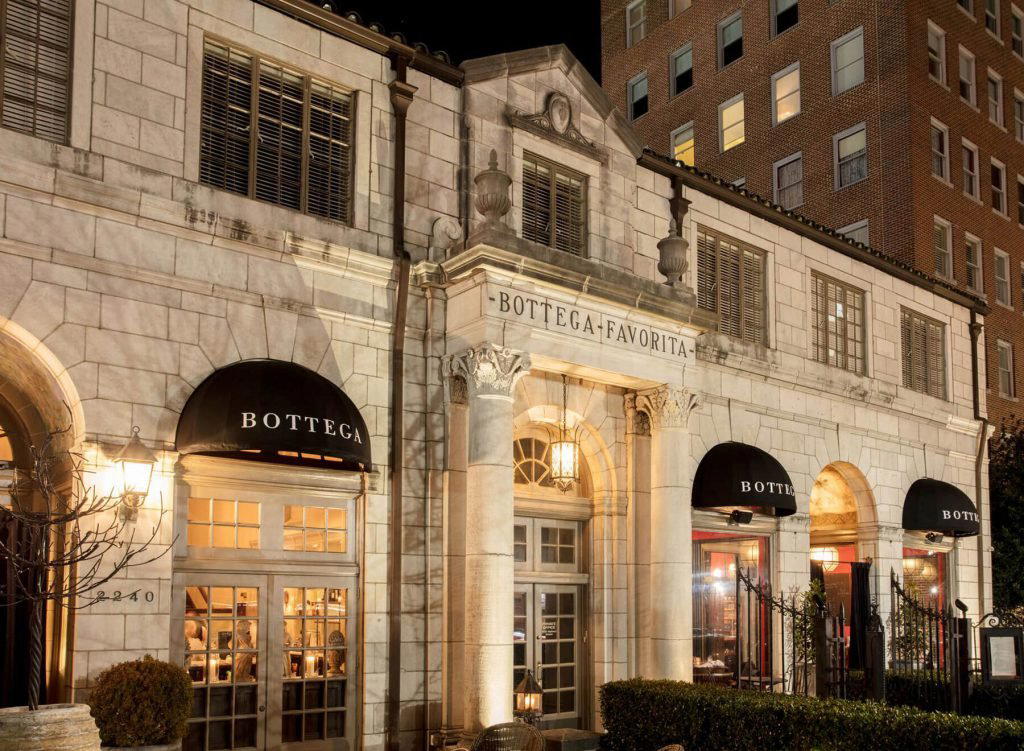
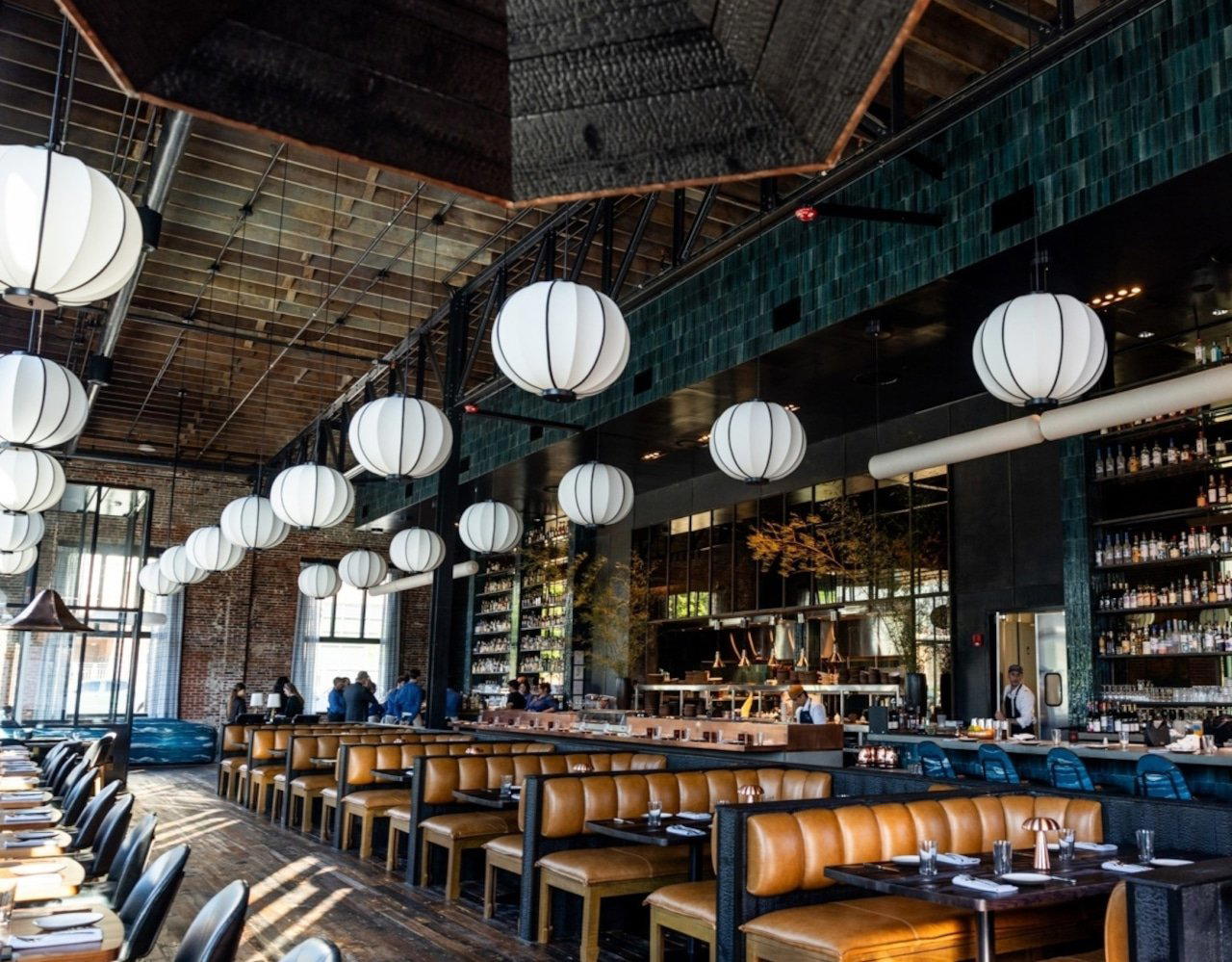
Bars in Birmingham
All bars in Birmingham →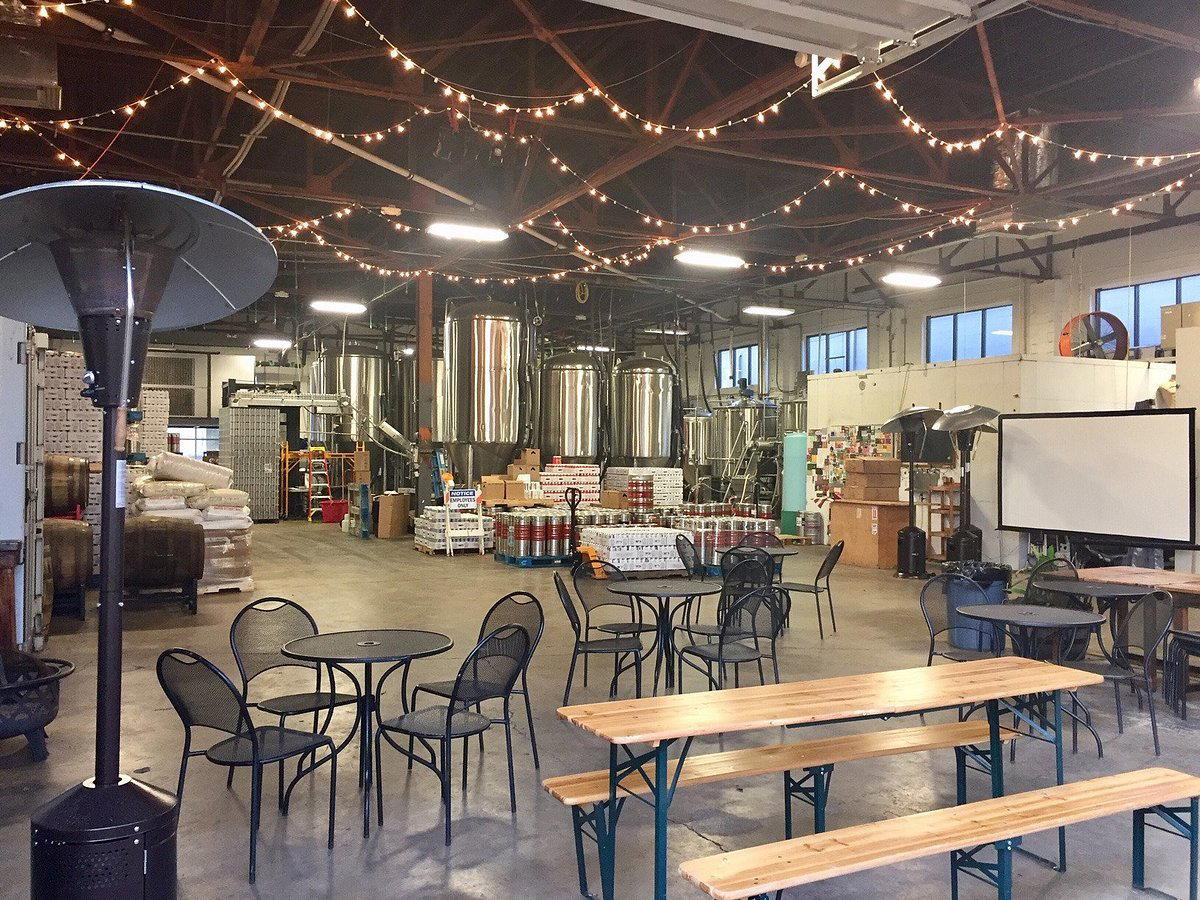
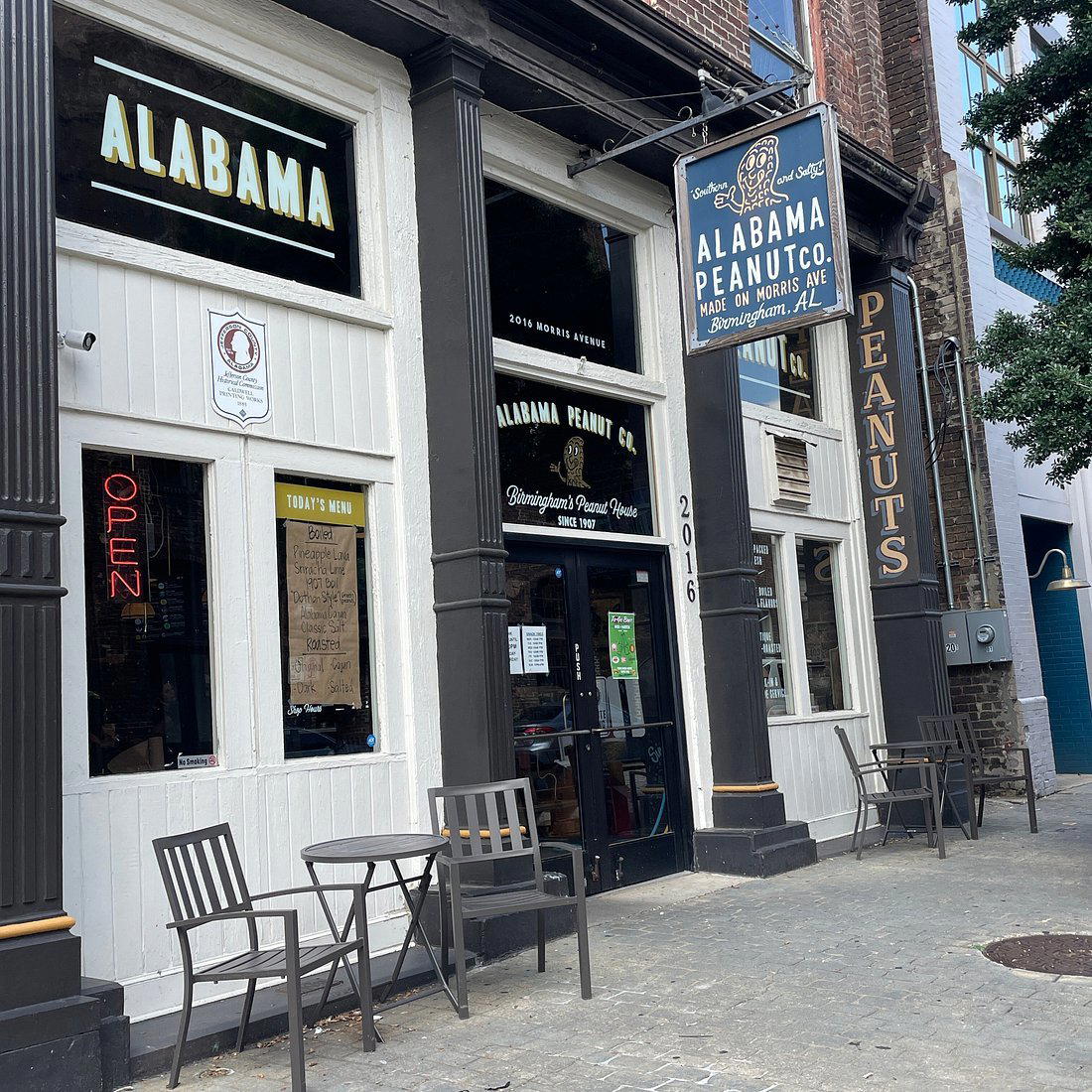
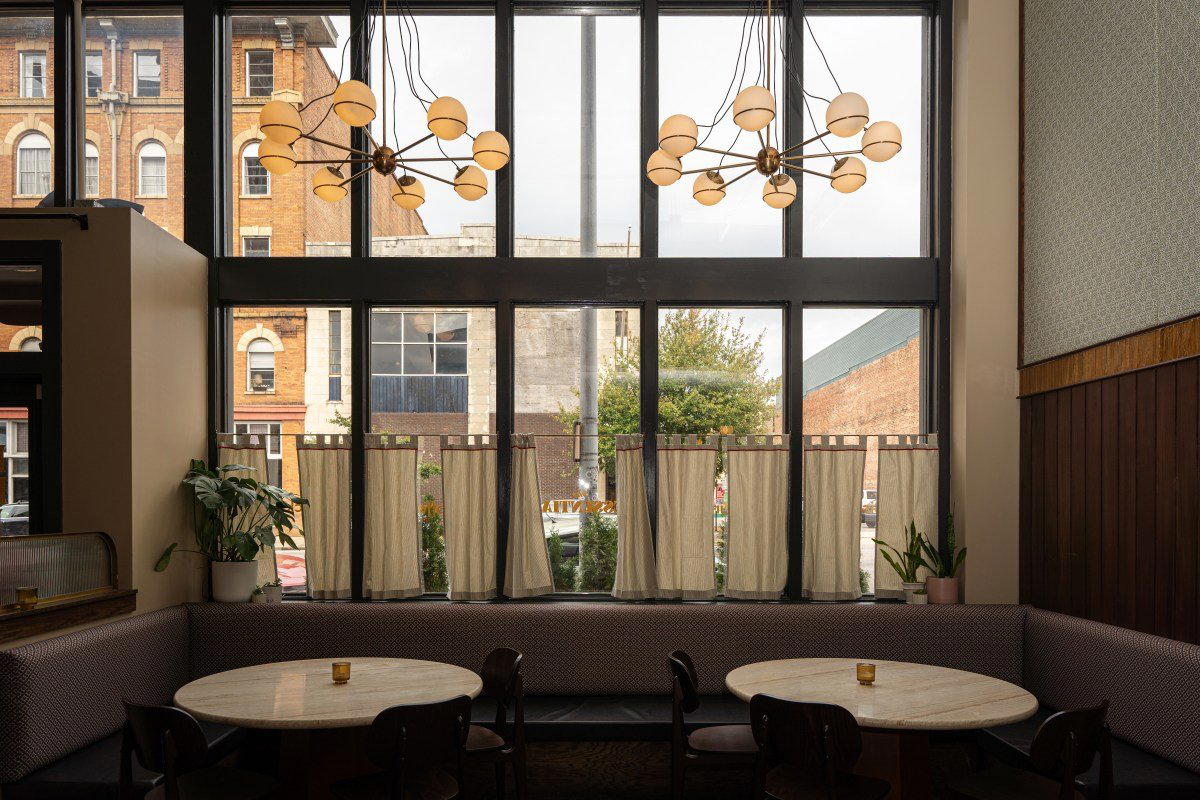
Hotels in Birmingham
All hotels in Birmingham →
Galley & Garden
The wine
- Wine program
- Deep wine list
- Extensive wine list
- Sommelier-led
- Craft cocktails
Details
- Romantic
- Elegant
- Sophisticated
- Intimate
- Date Night
- Special Occasion
- Celebration
- Business Dinner
- Open Kitchen
- Historic Building
- Private Dining
- Extensive Wine List
- Craft Cocktails
- Sommelier Led
- Local Sourcing
- Farm To Table
- A La Carte
- Prix Fixe
- Wine
- Bourbon
- Cocktails
- Vegetarian Friendly
- Gluten Free Options
Current opening hours
- Monday
- Closed
- Tuesday
- 5–8 PM
- Wednesday
- 5–8 PM
- Thursday
- 5–8 PM
- Friday
- 5–8 PM
- Saturday
- 5–8 PM
- Sunday
- Closed
Hours can change for holidays and private events. Hours as of .
Restored Southern elegance with old-timey charm in a historic white-columned mansion; warm, refined lighting with polished service creating an upscale yet welcoming atmosphere.