Hôtel de la Barque
Our verdict
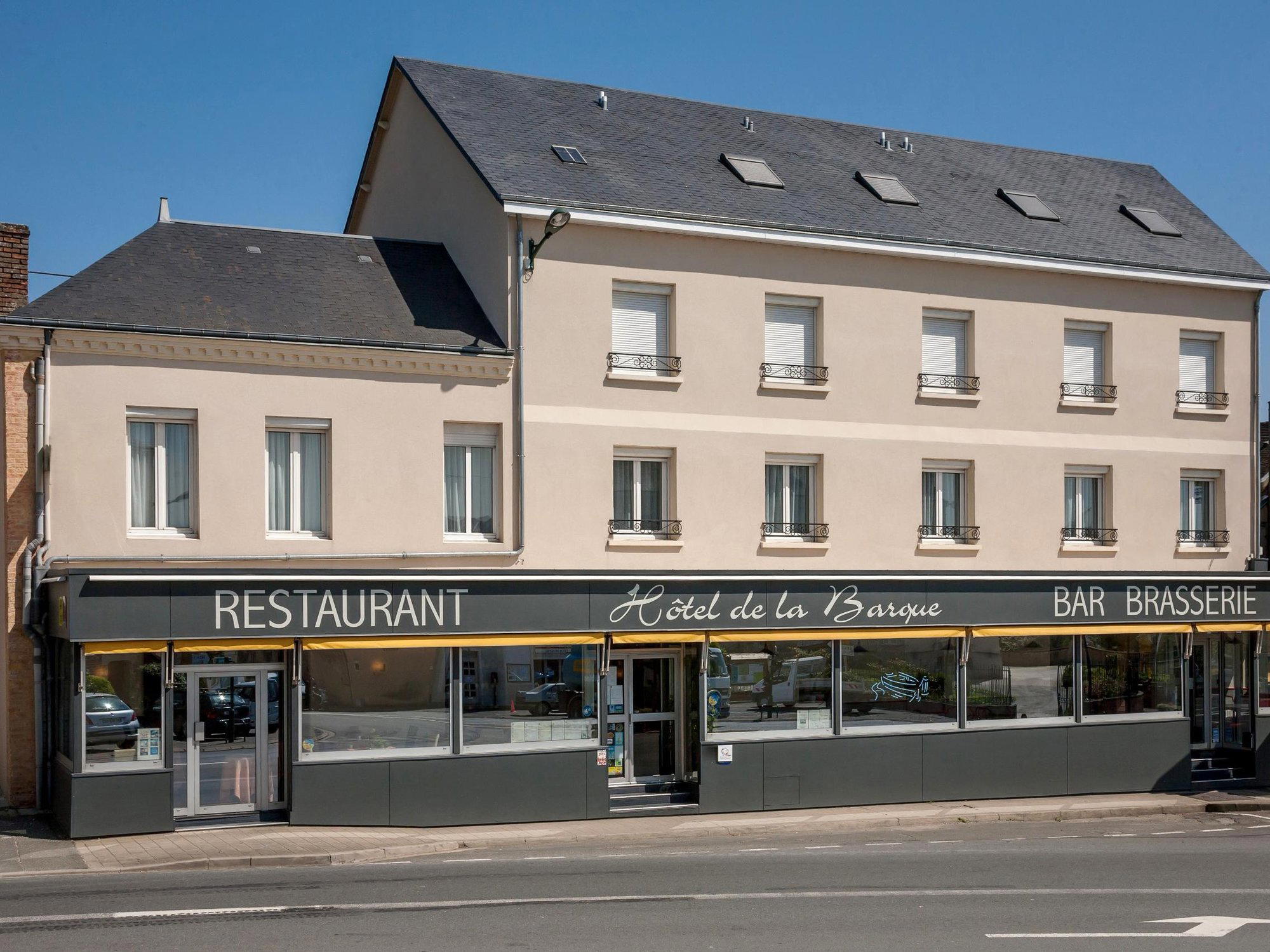
On the Place de la Libération in the small Sarthe market town of Beaumont-sur-Sarthe, Hôtel de la Barque occupies the kind of town-square position that has anchored French provincial hospitality for generations. The surrounding Sarthe valley supplies some of the Loire basin's most underexamined produce, placing this address inside a regional food tradition worth serious attention.

Pearl is the En Primeur Club membership app — saves, bookings, and concierge access live there. Same editors, same standards.
A Town Square Address in the Sarthe Valley
The Place de la Libération in Beaumont-sur-Sarthe functions the way French market squares are supposed to: as the gravitational centre of a small town's civic and commercial life. Hôtel de la Barque sits at number 10 on that square, which in a settlement of this scale means it is neither hidden nor especially prominent — it is simply present, the way a properly rooted provincial establishment should be. The Sarthe département sits roughly halfway between Le Mans and Alençon, in a corridor of the Loire basin that most travellers pass through rather than stop in. That pattern of transit over destination has kept the local food culture less mediated by outside attention than comparable stretches of Normandy or the Loire Valley proper, which is, depending on your appetite for discovery, either a disadvantage or precisely the point.
For context on what serious French provincial dining looks like at its most celebrated, the range runs from estate-scale institutions like Georges Blanc in Vonnas and Paul Bocuse - L'Auberge du Pont de Collonges in Collonges-au-Mont-d'Or through to the landscape-rooted naturalism of Bras in Laguiole and the coastal precision of Christopher Coutanceau in La Rochelle. Beaumont-sur-Sarthe operates at a different register entirely — smaller in population, quieter in register, and without the infrastructure of a recognised gastronomic destination. See our full Beaumont-sur-Sarthe restaurants guide for how the town's dining options sit relative to one another.
The Sarthe as a Source Region
The Sarthe river valley and its surrounding agricultural land produce a range of ingredients that rarely travel far enough to earn wider recognition. Poultry from the Sarthe, particularly the region's free-range chickens and ducks, sits alongside the better-known Bresse designation as an example of French provincial poultry culture at its most traceable. The valley's market gardens, operating on a scale suited to regional supply rather than national distribution, yield vegetables that move short distances to local tables. Pork preparations in this part of the Pays de la Loire have a long tradition rooted in charcuterie cultures that predate modern supply chains; rillettes, the slow-cooked pork preparation that the Sarthe shares with Tours and Le Mans, remains the region's most export-visible product but is experienced differently when consumed close to its source.
This matters for understanding what a Place de la Libération hotel-restaurant address in a town like Beaumont-sur-Sarthe is likely doing with its kitchen. French provincial establishments of this type, town-square hotels with dining rooms that serve both residents and overnight guests, have historically acted as the clearest conduit between local agriculture and the plate. The sourcing radius is narrow by necessity and by geography; the relationships between kitchen and supplier tend to be direct and longstanding. That is a different model from the formal farm-to-table declarations that now appear on menus at destination restaurants, including celebrated addresses like Mirazur in Menton or Auberge du Vieux Puits in Fontjoncouse, where sourcing is curated and documented as part of the dining proposition. In a small-town auberge context, it tends to be quieter and more structural, the supply chain is short because there is no alternative, not because it has been engineered as a statement.
Provincial Hotel Hospitality and What It Implies
The format of a French town-square hotel, rooms above, dining room at street level, position oriented toward the central square, carries specific expectations that have remained consistent across French provincial hospitality for at least two centuries. These are not resort destinations or design-led boutique properties. It is instead the network of logis and auberges that function as working infrastructure for French regional travel: places where a driver between Le Mans and Alençon stops for lunch, where a family passing through takes a room, where the local community marks events in the dining room.
That category of establishment has faced structural pressure over the past two decades as highway travel has redirected passing trade and as smaller market towns have seen demographic shifts. The ones that persist in town-square positions tend to do so because they have maintained genuine local relevance, as suppliers of reliable meals to a community that knows the kitchen, rather than as destinations drawing travellers from outside the region. Whether Hôtel de la Barque has adapted to or resisted those pressures is not something the available record resolves, but the address itself, on the central square of a Sarthe market town, places it squarely inside that tradition.
Positioning Within the French Dining Spectrum
At the higher end of the French dining register, the addresses that define international expectations of what French restaurants can achieve include Alléno Paris au Pavillon Ledoyen, Assiette Champenoise in Reims, and Au Crocodile in Strasbourg. The distance between those addresses and a provincial town-square hotel in the Sarthe is not a matter of quality so much as category. France's dining culture has always maintained both registers simultaneously: the grand maison with its documented lineage and formal service architecture, and the local establishment with its market sourcing and unannounced competence. The latter category is where a significant portion of the country's most satisfying eating actually happens, particularly for travellers willing to move slowly through agricultural regions rather than connecting between major cities.
For those travelling the western Loire corridor, the Sarthe valley offers a low-traffic alternative to the better-documented wine-country routes further south. Connections to Atlantic seafood traditions are accessible from here; the ports supplying restaurants like La Marine in Noirmoutier-en-l'île are within reasonable reach of the Sarthe, which means kitchens in this zone can access coastal product without the tourist premium attached to coastal addresses. The comparison set for thinking about what a Sarthe kitchen might source is broader than the immediate geography suggests.
Planning a Visit
Beaumont-sur-Sarthe sits approximately 30 kilometres north of Le Mans, making it accessible by road from the A28 autoroute and reachable by train via Le Mans on the Paris-Rennes TGV line. The town itself is compact enough that the Place de la Libération is the obvious orientation point on arrival. Given the limited published information available about Hôtel de la Barque's current hours, booking requirements, and pricing, the practical advice is to contact the property directly before planning a visit, particularly for dining. Town-square hotel-restaurants in this category frequently operate on schedules tied to local market days and seasonal patterns that are not always reflected in online listings. Arriving without a reservation in a small establishment of this type carries more risk than it would in a city, and the most reliable approach remains a direct approach, by phone or in person if you are already in the area.
Frequently asked questions
Is Hôtel de la Barque okay with children?
A town-square hotel in Beaumont-sur-Sarthe, with a dining room at street level opening onto the Place de la Libération, is generally well-suited to families. The format is provincial French hospitality rather than a formal destination restaurant, which tends to mean a relaxed approach to younger guests. Confirm directly with the hotel before booking, as specific family policies are not published.
What's the overall feel of Hôtel de la Barque?
The address is a classic French town-square hotel: rooms above, a dining room at street level, and the Place de la Libération directly outside. Beaumont-sur-Sarthe is a working market town rather than a tourist hub, so the atmosphere reflects that — local, unhurried, and oriented around the rhythms of the square. This is provincial hospitality in the straightforward French sense, not a lifestyle hotel.
Is Hôtel de la Barque a good base for visiting Le Mans and the Sarthe valley?
Beaumont-sur-Sarthe sits around 30 kilometres north of Le Mans, with access via the A28 autoroute and rail connections through Le Mans station. That positions Hôtel de la Barque on the Place de la Libération as a practical overnight stop for the Le Mans circuit or for exploring the Sarthe river valley and its surrounding agricultural region. The town itself functions as a working market centre rather than a tourist destination, which suits travellers looking for local context over curated experiences.
What dish is Hôtel de la Barque famous for?
Specific menu details for Hôtel de la Barque are not on public record. Given its position in the Sarthe valley, the kitchen has access to regional agricultural produce that rarely travels far outside the area. check the venue's official channels for current menu information.
Where is Hôtel de la Barque located?
Hôtel de la Barque is located at 10 Pl. de la Libération, 72170 Beaumont-sur-Sarthe, France, Beaumont Sur Sarthe.
Do they take walk-ins at Hôtel de la Barque?
No booking policy is published for Hôtel de la Barque. A provincial town-square hotel in Beaumont-sur-Sarthe of this type will often accommodate walk-ins for both rooms and dining, particularly outside peak periods, but availability cannot be guaranteed without checking ahead.
What is Hôtel de la Barque known for?
Hôtel de la Barque is a town-square hotel on the Place de la Libération in Beaumont-sur-Sarthe, a small market town in the Sarthe valley approximately 30 kilometres north of Le Mans. Its format — rooms above a street-level dining room, positioned on the central square — is the defining model of French provincial hospitality.
Comparable Spots, Quickly
Comparable venues nearby, for context on price, style, and recognition.
| Venue | Cuisine | Price | Notes |
|---|---|---|---|
| Hôtel de la BarqueThis venue — the venue you are viewing | Traditional French Bistro | $20–30 | Not listed |
| L’aventure | French Mountain Grill | $30–50 | Oz en Oisans |
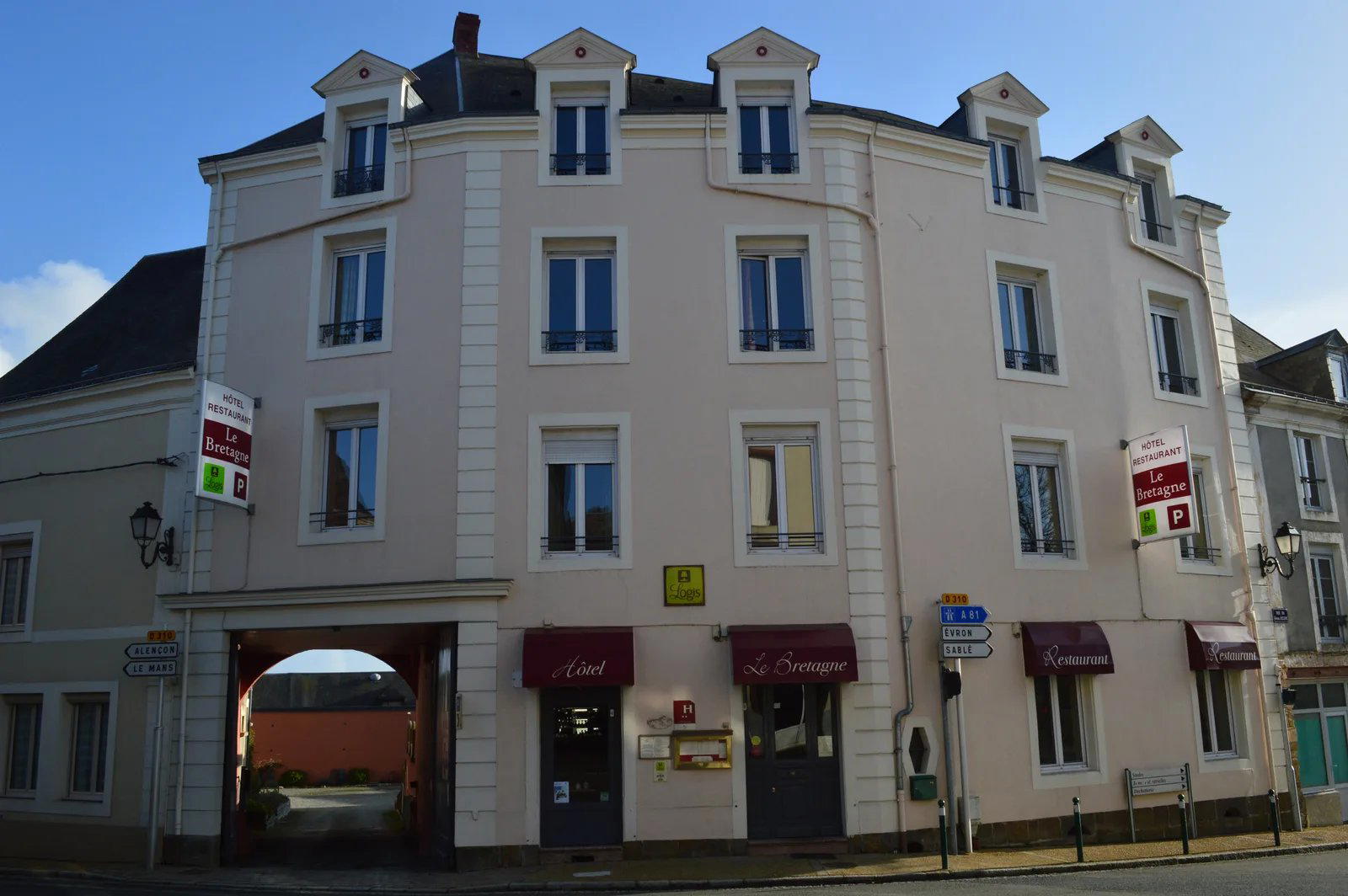
| Le Bretagne | Traditional French Terroir Bistro | Not listed | Centre-ville |
| Le Signal 2108 | Bistronomic French with Regional Alpine Specialties | $30–50 | Signal Mountain |
| Le Binôme | Modern French Bistro | $20–30 | Vimoutiers |
| Le Saint-Jacques | Traditional French Bistro | $30–50 | Yèvres |
Continue exploring
More in Beaumont Sur Sarthe
Restaurants in Beaumont Sur Sarthe
All restaurants in Beaumont Sur Sarthe →
Hotels in Beaumont Sur Sarthe
Browse all →
Wineries in Beaumont Sur Sarthe
Browse all →
Details
- Cozy
- Elegant
- Rustic
- Family
- Casual Hangout
- Hotel Restaurant
- Local Sourcing
- A La Carte
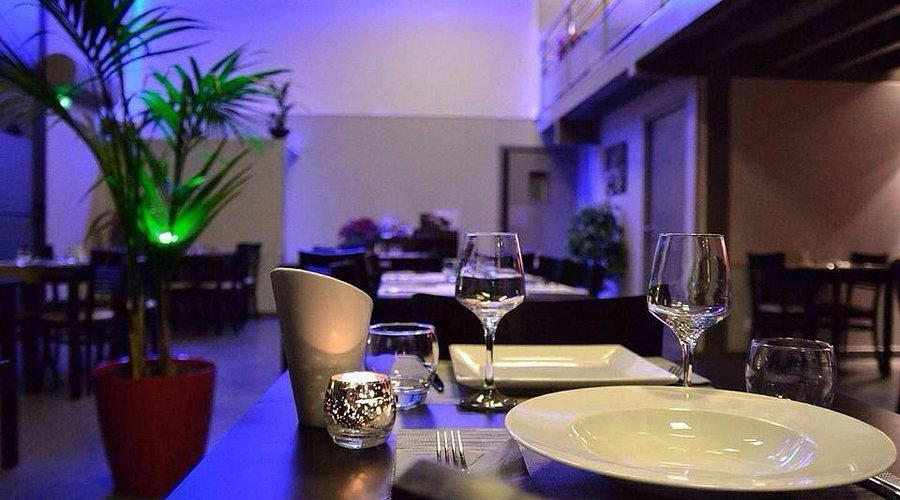
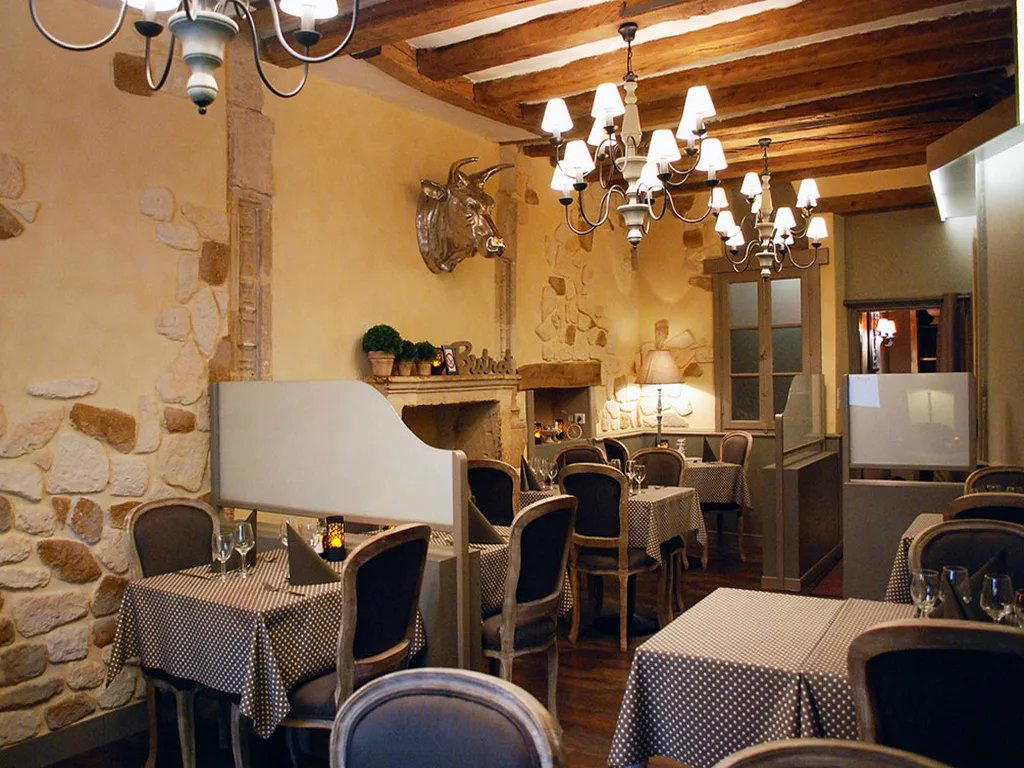
Chaleureux et élégant with traditional decor and modern touches, creating a convivial atmosphere.