High Street on Hudson

Our verdict
At 637 Hudson Street, on a West Village corner near Horatio Street, High Street on Hudson built its identity around bread in a way few Manhattan restaurants attempted at that register. The in-house bakery anchored every daypart: breakfast pastries and sandwiches gave way to composed evening dishes where the bread program remained central rather than incidental. The black bialy and red eye danish became reference points for the format, drawing regulars who treated the counter as a morning destination before the dining room shifted into dinner mode. The concept arrived in New York via Philadelphia, where chef Eli Kulp and business partner Ellen Yin had developed the High Street model. That origin mattered for the Manhattan execution: the West Village location carried the same seasonal American sensibility but operated within a smaller, well-lit corner space that kept the atmosphere casual without losing the precision of the kitchen. Dishes like smoked eel toast and seaweed bucatini signaled that the dinner menu reached beyond the bakery's comfort zone into more considered territory. The room itself was compact and approachable, which shaped the experience as much as the menu did. This was a neighbourhood restaurant in the functional sense: a place where the format changed across the day and the bread program served as connective tissue between a working bakery and a full-service dinner kitchen. For visitors to the West Village, that dual identity made it a practical choice at multiple hours rather than a single-occasion destination.

At 637 Hudson Street, on a West Village corner near Horatio Street, High Street on Hudson built its identity around bread in a way few Manhattan restaurants attempted at that register. The in-house bakery anchored every daypart: breakfast pastries and sandwiches gave way to composed evening dishes where the bread program remained central rather than incidental. The black bialy and red eye danish became reference points for the format, drawing regulars who treated the counter as a morning destination before the dining room shifted into dinner mode.
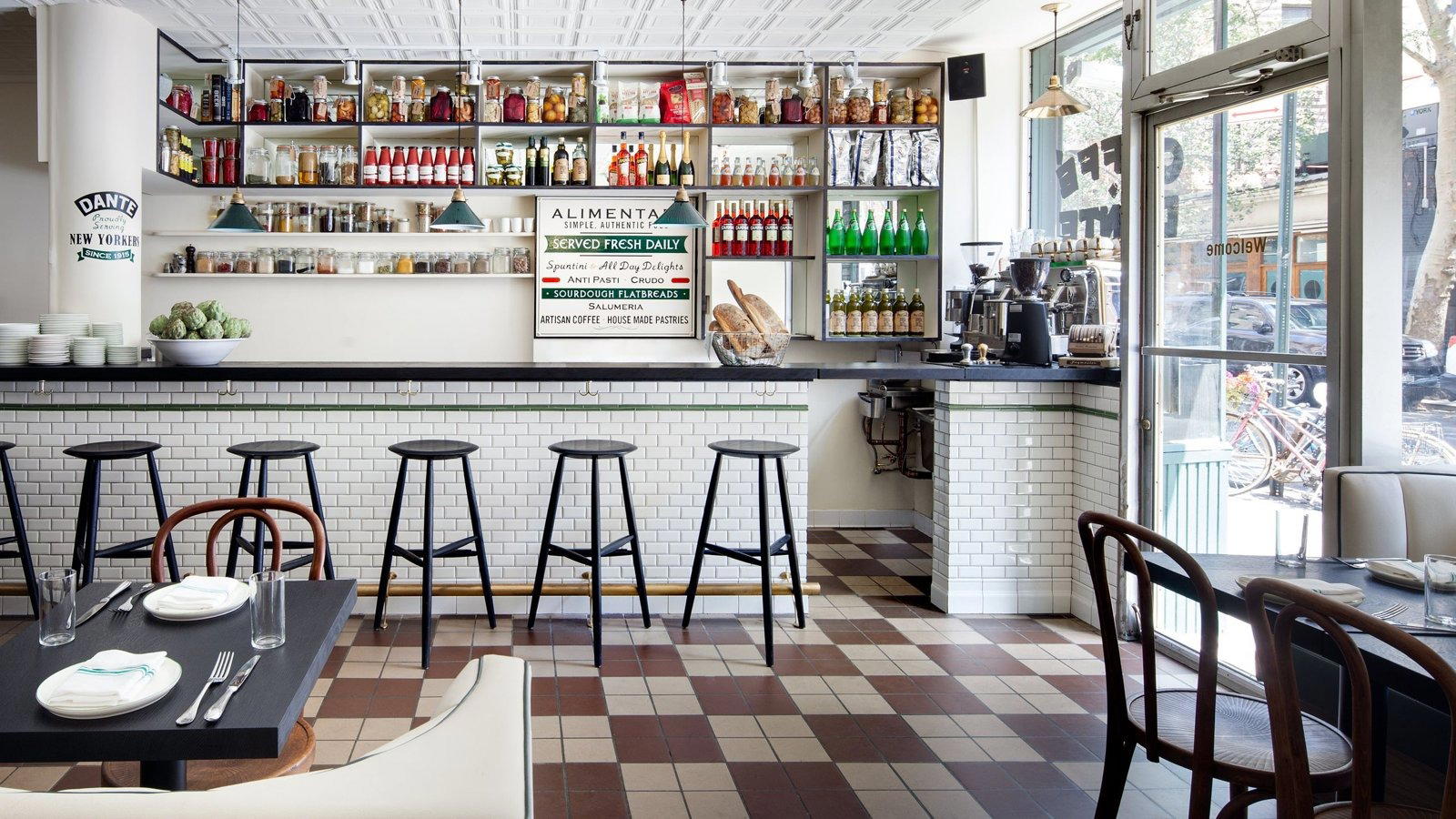
The concept arrived in New York via Philadelphia, where chef Eli Kulp and business partner Ellen Yin had developed the High Street model. That origin mattered for the Manhattan execution: the West Village location carried the same seasonal American sensibility but operated within a smaller, well-lit corner space that kept the atmosphere casual without losing the precision of the kitchen. Dishes like smoked eel toast and seaweed bucatini signaled that the dinner menu reached beyond the bakery's comfort zone into more considered territory.
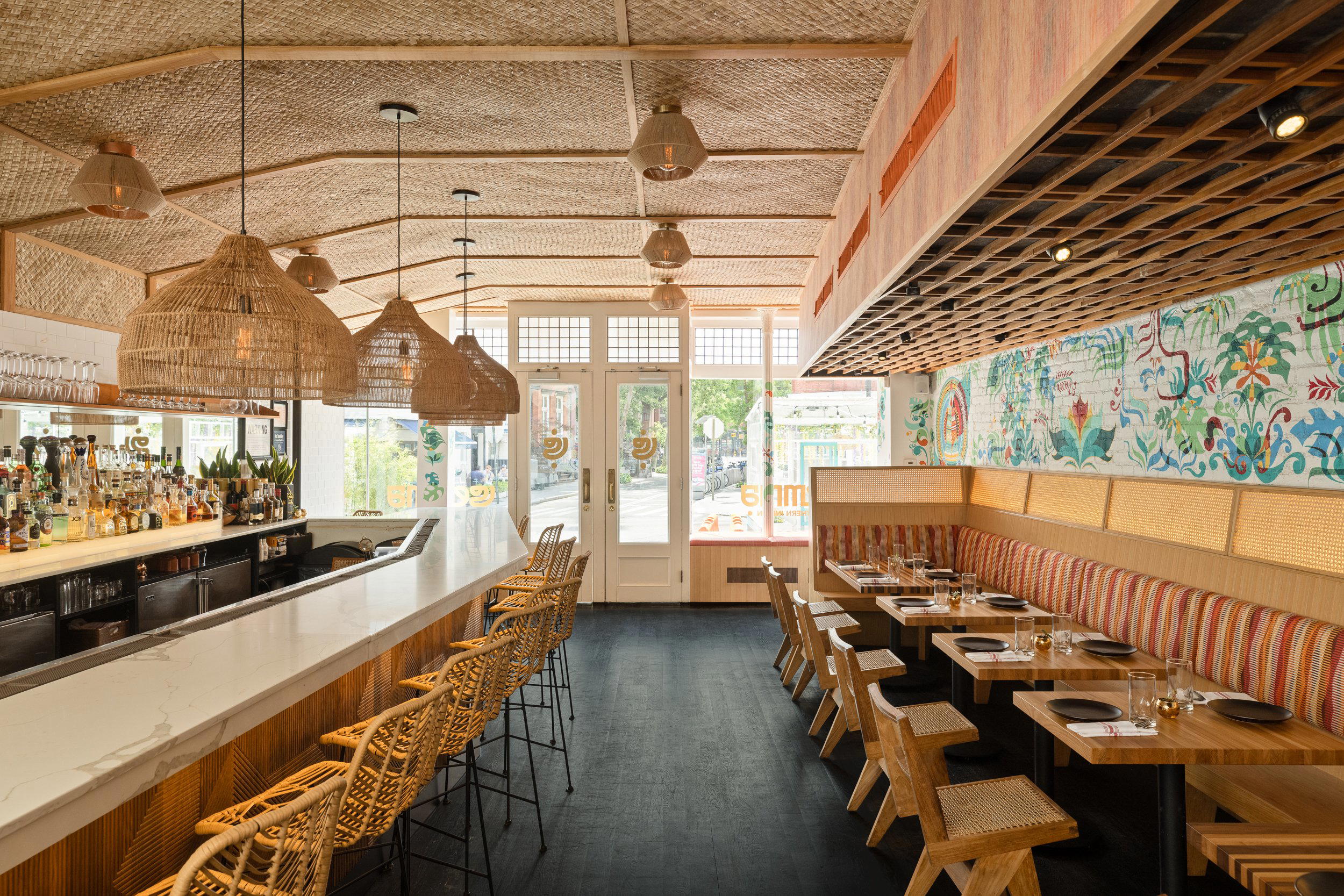
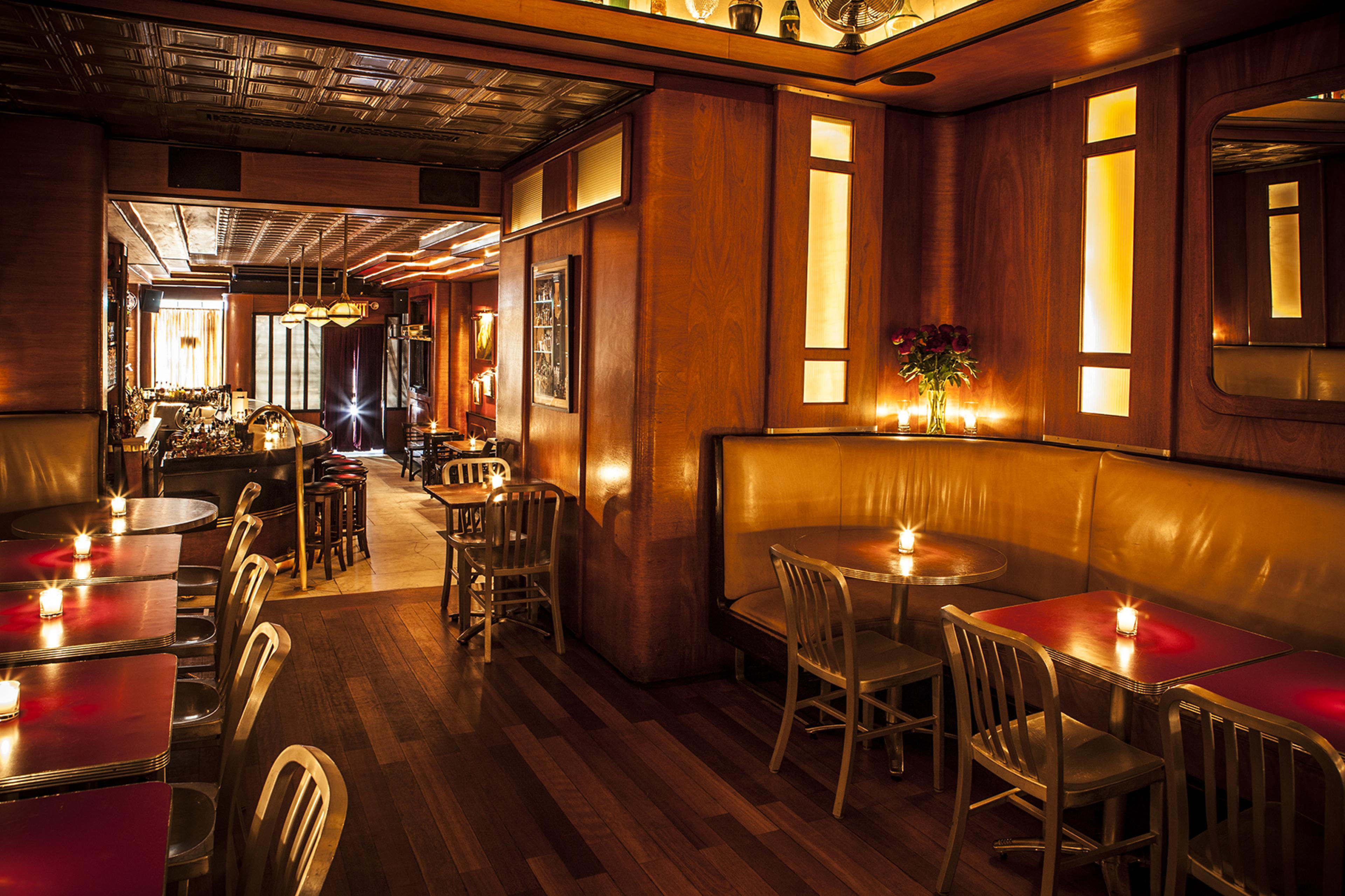
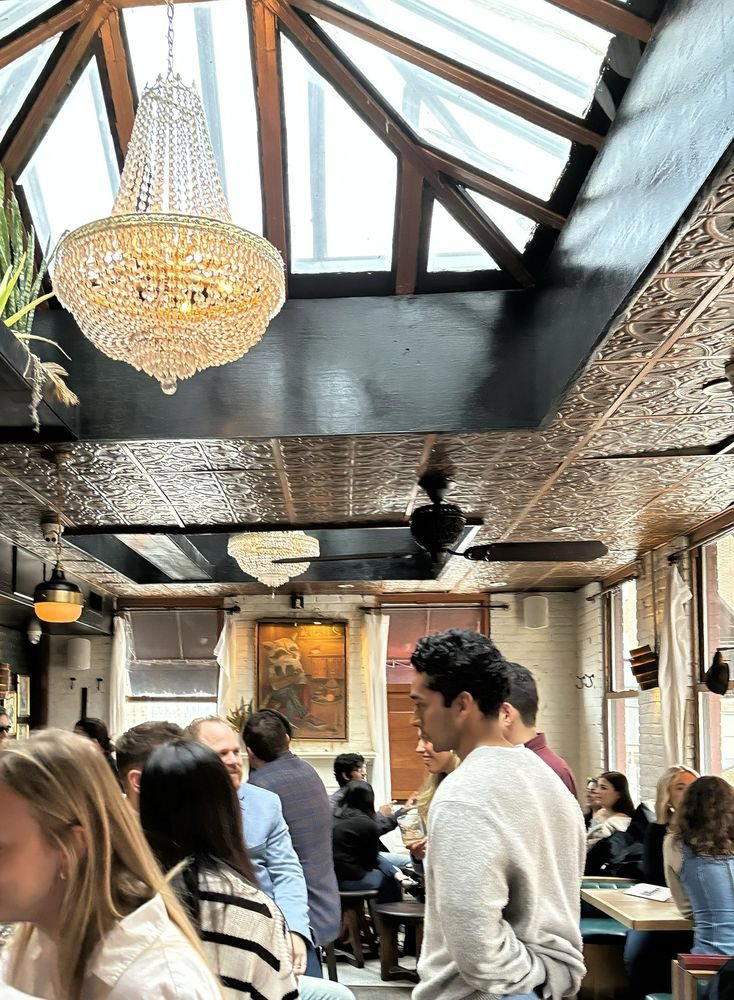
The room itself was compact and approachable, which shaped the experience as much as the menu did. This was a neighbourhood restaurant in the functional sense: a place where the format changed across the day and the bread program served as connective tissue between a working bakery and a full-service dinner kitchen. For visitors to the West Village, that dual identity made it a practical choice at multiple hours rather than a single-occasion destination.
Comparable Venues Nearby
Comparable venues nearby, for context on price, style, and recognition.
| Venue | Cuisine | Price | Notes |
|---|---|---|---|
| High Street on HudsonThis venue (the venue you are viewing) | American | Not listed | Not listed |
| 12 Chairs | Authentic Israeli | $20–30 | SoHo-Little Italy-Hudson Square |
| Amma | Indian | Not listed | East Midtown-Turtle Bay |
| Han Dynasty | Authentic Szechuan Chinese | $30–50 | East Village |
| Yakiniku West | Japanese | Not listed | East Village |
Recognition history
Dated appearances from independent guides and award organizations, with the underlying list record or original source where available.
Opinionated About Dining Casual in North America Ranked #609
Opinionated About Dining
Full recognition history (2 entries)
Opinionated About Dining Gourmet Casual Dining in North America Recommended
Opinionated About Dining
Continue exploring