Our verdict
Haji's Traditional Cafe occupies a distinct position in Manama's dining scene: a cafe-format address where Bahraini culinary tradition takes precedence over international influence. In a city where hotel dining rooms increasingly set the reference point for fine food, places like Haji's preserve the ingredient logic and cooking methods that defined Gulf hospitality long before the five-star era arrived.

Pearl is the En Primeur Club membership app — saves, bookings, and concierge access live there. Same editors, same standards.
- Address
- Manama, Bahrain
- Directions
- Get directions
The menu
What to order
- Machboos
- Freshly baked khaboos
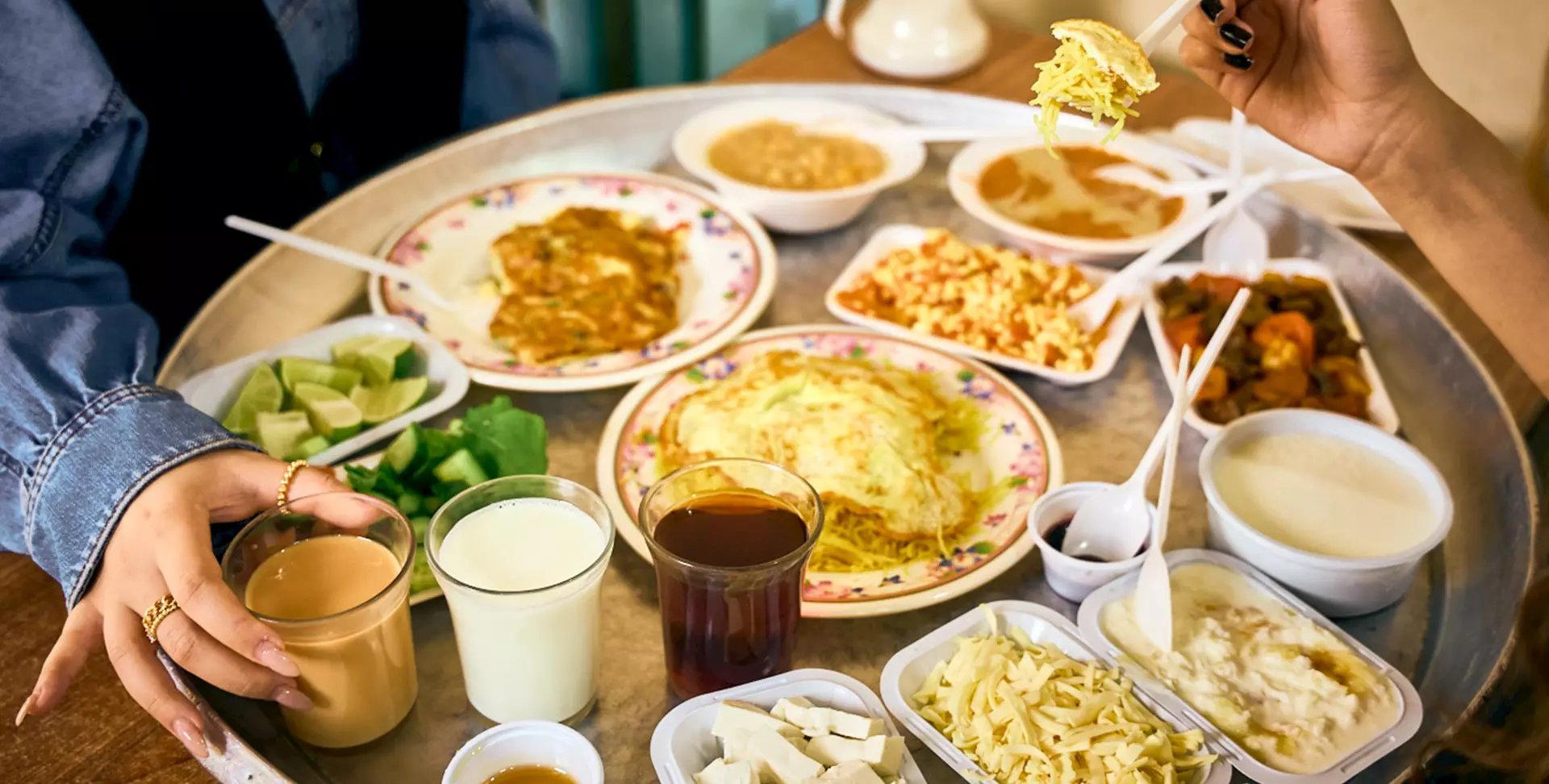
- Traditional Bahraini breakfast
Where the Old City's Ingredient Logic Still Holds
Manama's dining scene has fractured into two clearly separate tiers over the past decade. The upper bracket runs through hotel dining rooms and international chef-branded addresses: CUT Bahrain, La Table Krug, and Masso represent a Manama that looks outward, benchmarking itself against global fine-dining references. The other tier, quieter and considerably older, runs through neighbourhood cafes and traditional canteens where the sourcing logic is local, the cooking is generational, and the customer base is Bahraini first. Haji's Traditional Cafe belongs to the second category, and that distinction matters more than it might first appear.
In the Gulf, the cafe format carries specific cultural weight. It is not the European espresso-bar model, nor the American third-wave coffee shop. The traditional Bahraini cafe is a place where the kitchen and the social function are inseparable: food arrives alongside tea, conversation runs long, and the menu reflects what the market that morning made available rather than what a central purchasing department ordered in bulk. Whether Haji's operates precisely on that model cannot be confirmed from available data, but the name and framing position it firmly within that tradition, at a point in the city's development when such places are becoming rarer.
The Ingredient Argument That Traditional Cafes Make
Bahraini cooking draws from a specific pantry shaped by the island's geography and its centuries of trade. Saffron, dried limes (loomi), cardamom, rose water, and fenugreek appear across rice dishes, stews, and grilled proteins. The fish sourcing has historically been hyperlocal: the Arabian Gulf produces hammour, kingfish, and shrimp that reach market faster and in better condition than anything flown in from a distant supplier. In the traditional cafe model, the connection between source and plate is shorter than in any hotel kitchen, where logistics and volume purchasing inevitably introduce distance.
This is the structural argument that places like Haji's make implicitly through their menus, even if they never state it directly. The ingredient cycle in a neighbourhood cafe runs: local market, kitchen, table, same day. That cycle is materially different from the supply chain that feeds the hotel restaurants and branded addresses Manama has built in its newer districts. Comparable dynamics appear in other cities where traditional formats persist alongside fine-dining development: the old quarter coffee houses and canteens of Beirut, the neighbourhood mehmankhane of Tehran, the hawker centres of Singapore that internationally recognised addresses in Hong Kong cannot replicate regardless of their Michelin count.
Manama's Traditional Dining Context
Bahrain's restaurant development has accelerated sharply since 2015, with international hotel groups and chef-branded concepts arriving in sequence. That acceleration has made the traditional cafe format more, not less, significant as a reference point. Visitors arriving at Fusions by Tala or Lyra for contemporary cooking still benefit from understanding what those menus are departing from, and what the baseline Bahraini flavour register looks like in its unmodified form.
That baseline is what traditional cafes preserve. The rice dish machboos, the slow-cooked lamb or fish versions of it, the harees served during Ramadan, the heavily spiced broths: these are not restaurant inventions but domestic and communal food that migrated into the cafe format. The cafe becomes the most accessible public version of home cooking, which is why food critics and culinary historians in other regions have consistently treated the traditional cafe or canteen as a more reliable record of actual local eating than the fine-dining interpretation of it. Villas Mamas in Al Markh engages with this tradition from a different angle; Haji's, from the available framing, sits closer to the source.
For a broader picture of where Manama's eating currently stands across formats and price tiers, the full Manama restaurants guide maps the scene in detail.
How This Fits Into the Wider Gulf Cafe Tradition
The traditional cafe as a format is under pressure across the Gulf. Real estate costs in city centres have risen faster than the margins of neighbourhood food businesses can absorb. Younger diners in Bahrain, Kuwait, and the UAE have shown consistent appetite for international formats, from Korean concepts like Seoul Restaurant and Lounge to the kind of coastal European cooking that Café Lilou in Seef represents. These preferences are legitimate and the food is often good. But they also mean the economic base that sustains traditional cafes has narrowed.
The places that survive in this environment tend to do so because they have a specific, loyal constituency: working Bahrainis, older residents, and the subset of visitors who actively seek out non-hotel eating. That constituency is real but smaller than it was, which is part of why addresses like Haji's carry a different weight than their modest format might suggest. They are not competing with CUT by Wolfgang Puck for the same customer; they are serving a different function in the city's food ecosystem entirely.
Planning a Visit
Traditional cafes in Bahrain typically operate on a walk-in basis without reservation systems, serve through the morning and into the afternoon with a possible evening service, and price at a level well below hotel restaurants. That general model is the most reliable guide until direct confirmation is available. The practical approach is to visit during the late morning or early lunch window, when traditional cooking is served at its finest and turnover is high enough to guarantee freshness. International visitors staying in the hotel districts should factor in travel time to whichever part of the city Haji's occupies, as Manama's traditional cafe addresses are concentrated in older neighbourhoods away from the waterfront development zones.
Frequently asked questions
Does Haji's Traditional Cafe work for a family meal?
Traditional cafes in Manama's older districts have long functioned as all-ages spaces, structured around shared plates and communal eating rather than formal table service. Haji's fits that pattern, making it a practical option for groups spanning multiple generations. The format suits families more naturally than the hotel dining rooms that now dominate Bahrain's upper dining tier.
What kind of setting is Haji's Traditional Cafe?
Haji's operates within the traditional cafe format that has anchored Manama's neighbourhood dining for decades — counter seating, direct service, and a room shaped by regulars rather than tourists. This is not a designed or concept-driven space. The atmosphere is defined by the cooking itself and the consistency of the crowd that returns for it.
Is Haji's Traditional Cafe one of the few remaining old-style Bahraini cafes in Manama's city centre?
Across the Gulf, traditional cafes in city centres have been closing as real estate costs outpace their margins, and Manama is no exception to that pressure. Haji's sits within a shrinking category of neighbourhood-rooted Bahraini dining in the old city — spaces that pre-date the hotel dining wave that reshaped the capital's food scene after 2015. Whether it is the last or rarest of its kind is not documented, but the format it represents is undeniably contracting.
What's the best thing to order at Haji's Traditional Cafe?
Bahraini cooking at this level draws from a specific pantry: dried limes (loomi), saffron, cardamom, and rosewater appear across rice, stew, and slow-cooked meat dishes shaped by centuries of Gulf trade routes.
Is Haji's Traditional Cafe reservation-only?
No booking records or reservation systems are confirmed for Haji's Traditional Cafe. Traditional cafes in Bahrain typically operate on a walk-in basis, with tables turning throughout the day rather than being held. Visiting during off-peak hours — mid-morning or mid-afternoon — is the standard approach at venues of this type in Manama.
What's the standout thing about Haji's Traditional Cafe?
In a Manama dining scene increasingly shaped by international hotel groups and chef-branded concepts that arrived from 2015 onward, Haji's represents the older tier: neighbourhood-rooted, ingredient-led, and outside the formal awards circuit. The standout quality is exactly that continuity — Bahraini cooking on its own terms, without the framing of a concept restaurant.
Side-by-Side Snapshot
Comparable venues nearby, for context on price, style, and recognition.
| Venue | Cuisine | Price | Awards | Notes |
|---|---|---|---|---|
| Haji's Traditional CafeThis venue — the venue you are viewing | Traditional Bahraini | $10–20 | Not listed | Not listed |
| Seoul Restaurant and Lounge (مطعم سيول ذ.م.م) | Korean Restaurant and Lounge | $20–30 | Not listed | المنامة |
| Mirai | Modern Japanese Sushi | $50–100 | World's Best Wine Lists Awards WBWL 1-Star | Adliya |
| Rasoi by Vineet, Gulf Hotel Bahrain | Contemporary Indian Fine Dining | $50–100 | La Liste Top Restaurants | Juffair |
| Roka Bahrain | Modern Japanese Robatayaki | $50–100 | Star Wine List | Manama |
| CUT Bahrain | Modern American Steakhouse | $150–200 | Not listed | Bahrain Bay |
Details
- Classic
- Well Known
- Cozy
- Casual Hangout
- Open Kitchen
- Historic Building
- Street Scene
- A La Carte
- Vegetarian Friendly
- Halal
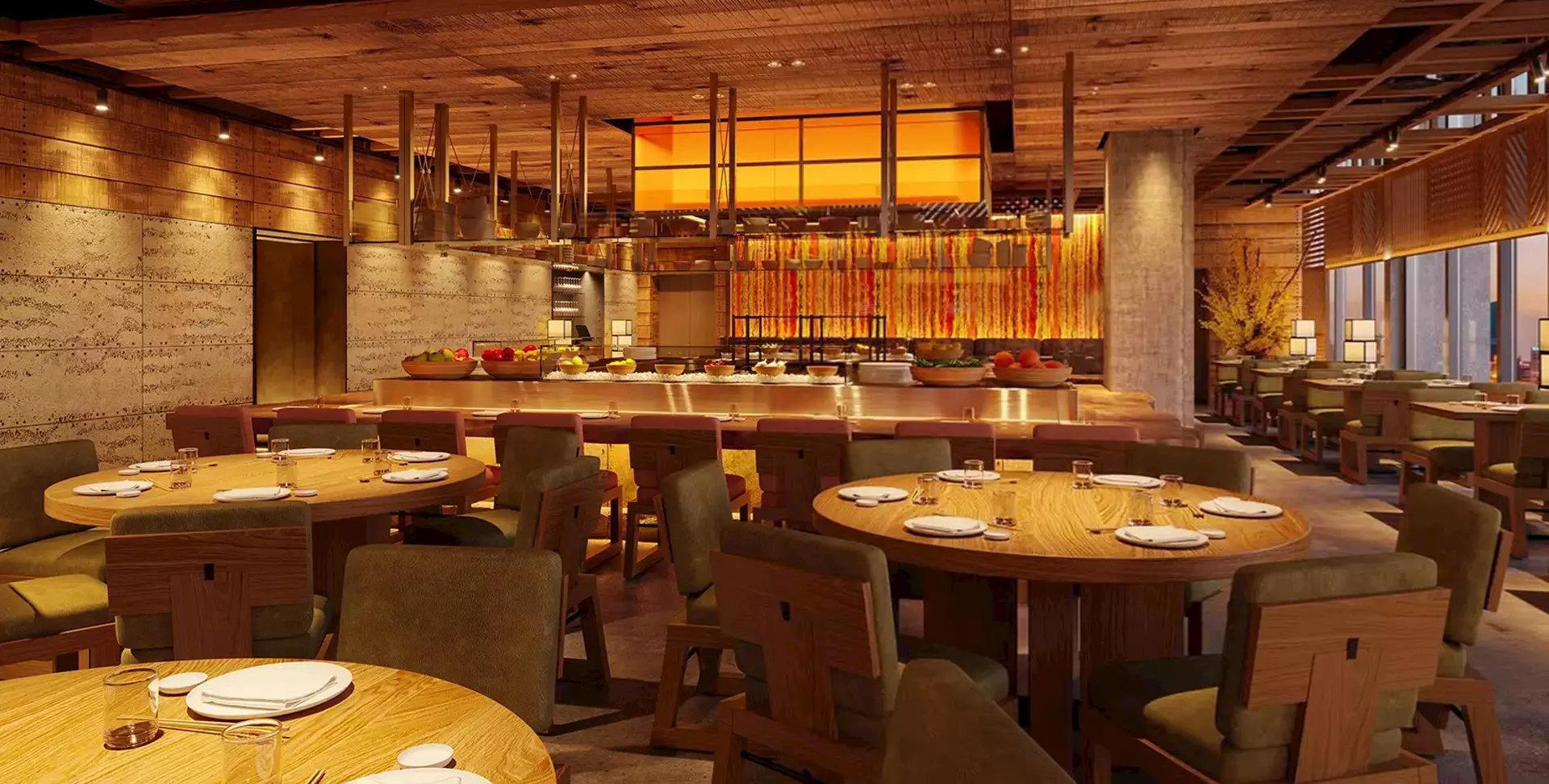
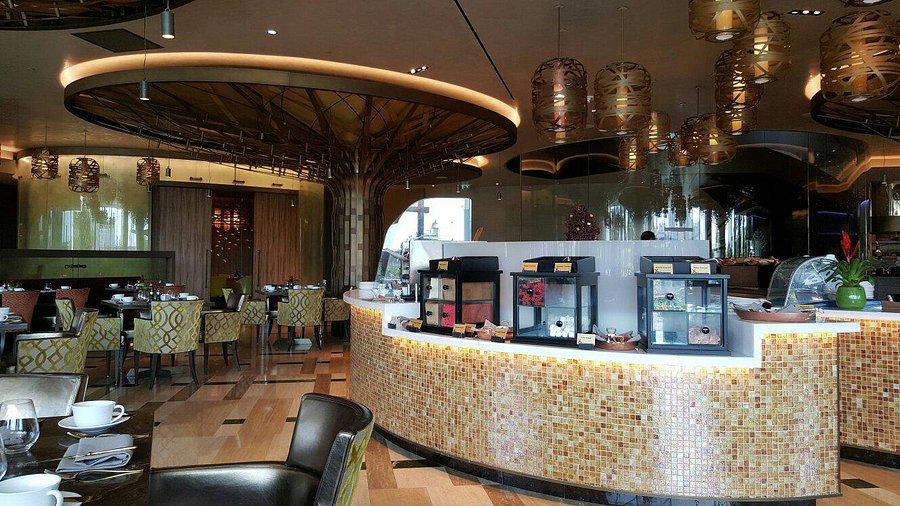
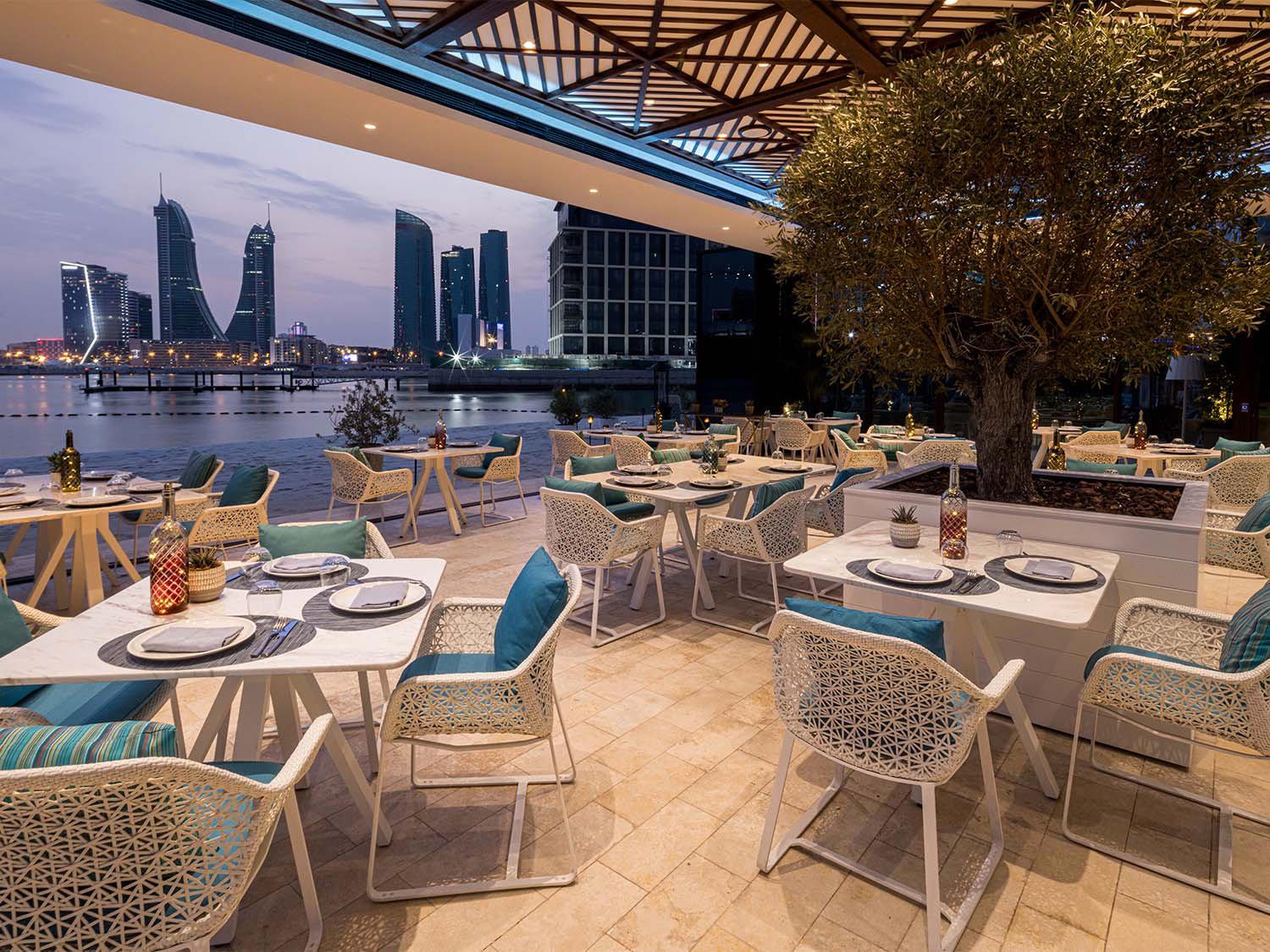
Simple inviting atmosphere with white canvas awnings shading fuss-free tables in a narrow alleyway, offering views of the bustling open kitchen and historic charm.