
Gueuleton, on Rue Molière in Lyon's 6th arrondissement, takes the city's deep charcuterie and meat culture seriously enough to structure its menu around provenance and terroir. Cuts are selected by origin, the way a wine list is built around appellation, placing this address inside a Lyon tradition that long predates the modern farm-to-table framing that now surrounds it elsewhere.
Pearl is the En Primeur Club membership app — saves, bookings, and concierge access live there. Same editors, same standards.
- Address
- 29 Rue Molière, 69006 Lyon, France
- Phone
- +33 9 81 73 63 09
- Website
- gueuleton.fr
- Directions
- Get directions
 Saves & bookings on Pearl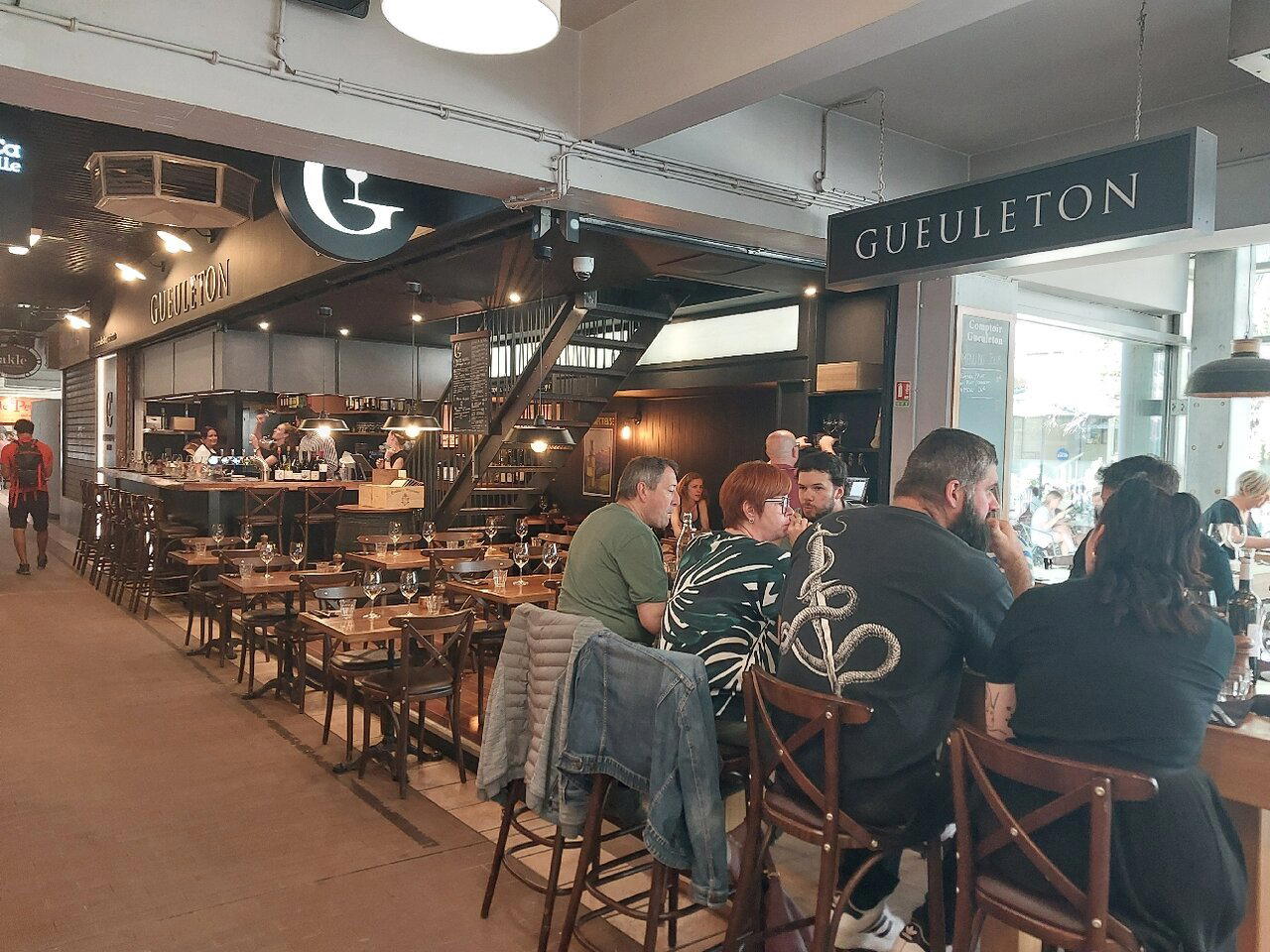
Where Meat Culture Meets Menu Architecture
Lyon has always held a particular relationship with animal protein. The city's bouchons built their reputations on offal, pork fat, and the full-animal commitment that Parisian restaurants spent decades softening for a broader audience. That tradition doesn't occupy every table in Lyon today, but at Gueuleton on Rue Molière in the 6th arrondissement, it remains structurally intact, built into how the menu itself is organised rather than treated as a heritage footnote.
The address sits in the 6th, a neighbourhood that runs a different temperature from the tightly packed bouchons of the Presqu'île and Vieux-Lyon. The streets around Rue Molière carry a residential calm, the kind that tends to support neighbourhood institutions with regular clienteles rather than tourist churn. Arriving here, the framing is already doing editorial work before you've looked at the menu.
A Menu Structured Around Provenance, Not Category
One useful way to understand what Gueuleton is doing is through how the menu is built. Most European meat-focused restaurants organise their offer by cut: rib-eye, bavette, côte de boeuf. Gueuleton runs a different logic. Here, the organising principle is origin, where the animal was raised, how the terroir shaped it, in a framework that mirrors how a thoughtful wine list is constructed around appellation and producer.
That parallel is not accidental. French gastronomic culture has long applied terroir thinking to its leading ingredients: Bresse chickens, Basque pigs, Charolais cattle. What Gueuleton does is make that logic transparent and navigable at the point of ordering. A diner choosing their cut is also choosing a region, a feed regime, a production philosophy. The charcuterie selection operates on the same axis. This is menu architecture as consumer education, and it places Gueuleton in a small cohort of restaurants that treat sourcing as a structural decision rather than a marketing note at the bottom of the page.
For context across the city's wider dining range, La Mere Brazier and Le Neuvième Art represent Lyon's haute cuisine axis, where sourcing appears inside tasting menus with more layers of technical intervention. Takao Takano and Au 14 Février push into creative territory where the product is often transformed beyond recognition. Gueuleton operates closer to the product itself, where the sourcing decision and the eating experience are almost the same thing.
Charcuterie as a Serious Category
French charcuterie rarely travels well in the restaurant context. At lower price points it becomes a perfunctory board with three generic items. At higher price points it sometimes disappears entirely, replaced by amuse-bouches or cold starters built on technique. Gueuleton treats charcuterie as a serious category in its own right, with the same provenance-led selection logic applied to cured and prepared meats as to raw cuts. That gives the meal a different rhythm from a standard steakhouse: the opening selections are part of the argument, not an appetiser filling time before the main event.
Across France's restaurant tier, this kind of structured approach to animal-derived products has precedent in different price brackets. At the haute end, restaurants like Alléno Paris au Pavillon Ledoyen or Flocons de Sel in Megève treat each protein as a precisely sourced component inside a larger composition. At a more grounded register, Gueuleton's approach shares the conviction that the animal's origin is the story, even when the cooking is direct rather than complex.
Lyon as the Right City for This
No other French city has Lyon's density of meat knowledge at the neighbourhood level. The city's bouchon culture, the presence of Les Halles de Lyon-Paul Bocuse as a permanent market for serious producers, and a food-literate local clientele that has opinions about Charolais versus Limousin create conditions where a restaurant structured around terroir and meat provenance has an educated audience. In Paris, the same concept would require more explanation. In Lyon, the baseline knowledge is already there.
That context matters for understanding what Gueuleton offers and who it serves well. It is not a steakhouse in the broad sense, aimed at an international clientele seeking a direct grilled beef experience. It is a Lyon restaurant with a Lyon argument, which means visitors doing a serious survey of what the city actually eats should treat it as more instructive than many technically impressive tasting menus. For a wider orientation to the city's food and drink scene, see our full Lyon restaurants guide, our full Lyon bars guide, and our full Lyon wineries guide.
Lyon's wider appeal for serious food travellers extends well beyond restaurant meals. The experiences guide for Lyon and the hotels guide cover the broader infrastructure for a trip built around eating and drinking. For regional comparison across France's haute cuisine circuit, Mirazur in Menton, Troisgros in Ouches, and Auberge de l'Ill in Illhaeusern represent the Michelin-anchored tier. Bras in Laguiole offers a different model of product-focused French cooking that shares some philosophical ground with what Gueuleton does at a more accessible register. For international reference points where sourcing architecture shapes the dining experience, Le Bernardin in New York and Emeril's in New Orleans show how differently that argument can be made in a non-French context. Burgundy by Matthieu rounds out the Lyon mid-tier alongside Gueuleton for visitors building a multi-meal itinerary.
Planning Your Visit
Gueuleton sits at 29 Rue Molière in Lyon's 6th arrondissement, a short distance from the main axes of the Presqu'île. The neighbourhood rewards a slower approach: arrive early enough to walk the surrounding streets before sitting down. Booking ahead is advisable given that provenance-led meat restaurants with a serious local following tend to fill on weekday evenings as well as weekends. Phone and online booking details are best confirmed directly, as contact information changes; the address at 29 Rue Molière is the reliable constant.
- bone marrow
- beef tartare
- entrecôte frites
- grilled octopus
- pâté en croûte
- rillettes
Reputation Context
Comparable venues nearby, for context on price, style, and recognition.
| Venue | Cuisine | Price | Awards | Notes |
|---|---|---|---|---|
| GueuletonThis venue — the venue you are viewing | Traditional French Steakhouse & Charcuterie | $$$$ | Not listed | Not listed |
| Arsëne | Modern French Neo-Bistro | $$$ | Not listed | Quartier Bellecour Carnot |
| La Table d'Eugène | Semi-Gastronomic French | $$$ | Not listed | Quartier Bas des Pentes Presqu'île |
| La Table de la Villa Florentine Restaurant | Seasonal modern French gastronomic cuisine with panoramic views of Lyon | $$$$ | Not listed | Vieux Lyon / Fourvière hillside |
| Curnonsky | Modern French Cuisine | $$$$ | Michelin Plate | Quartier Ouest des Pentes |
| l'Âme Sœur | Modern French Seasonal Bistro | $$$ | Not listed | Quartier Voltaire Part-Dieu |
Recognition history
Dated appearances from independent guides and award organizations, with the underlying list record or original source where available.
Star Wine List
Star Wine List
Continue exploring
More in Lyon
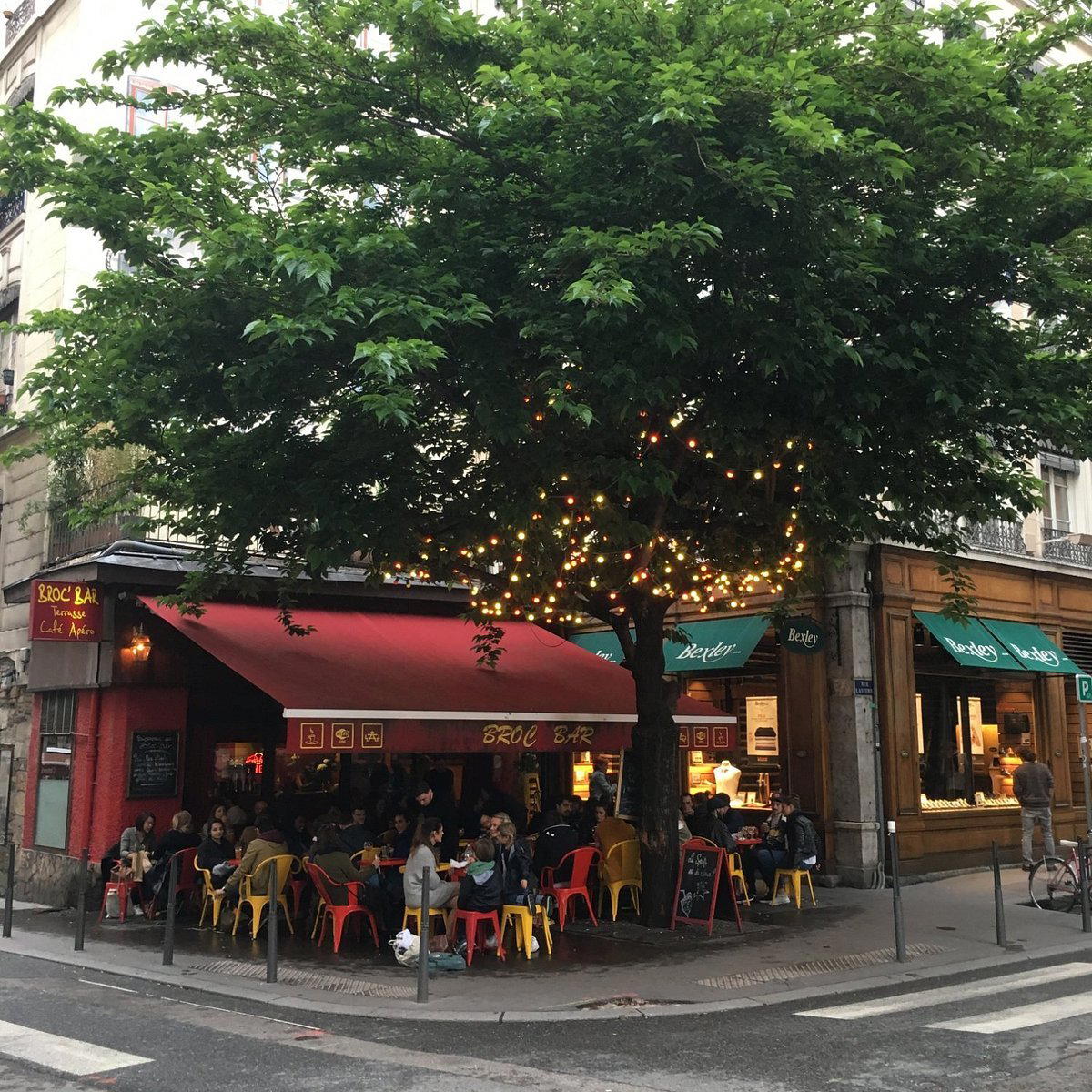
Restaurants in Lyon
Browse all →
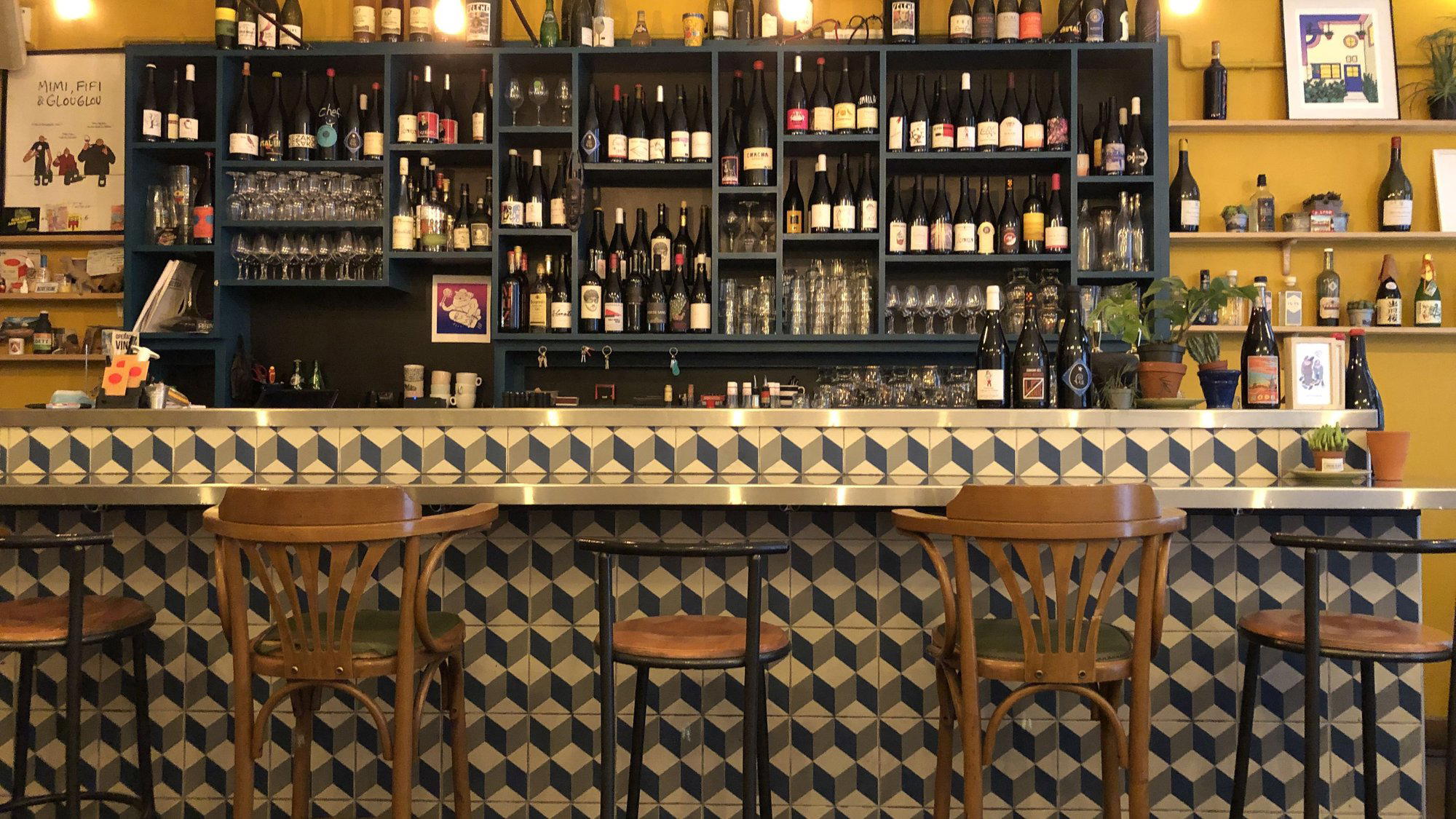
Bars in Lyon
Browse all →
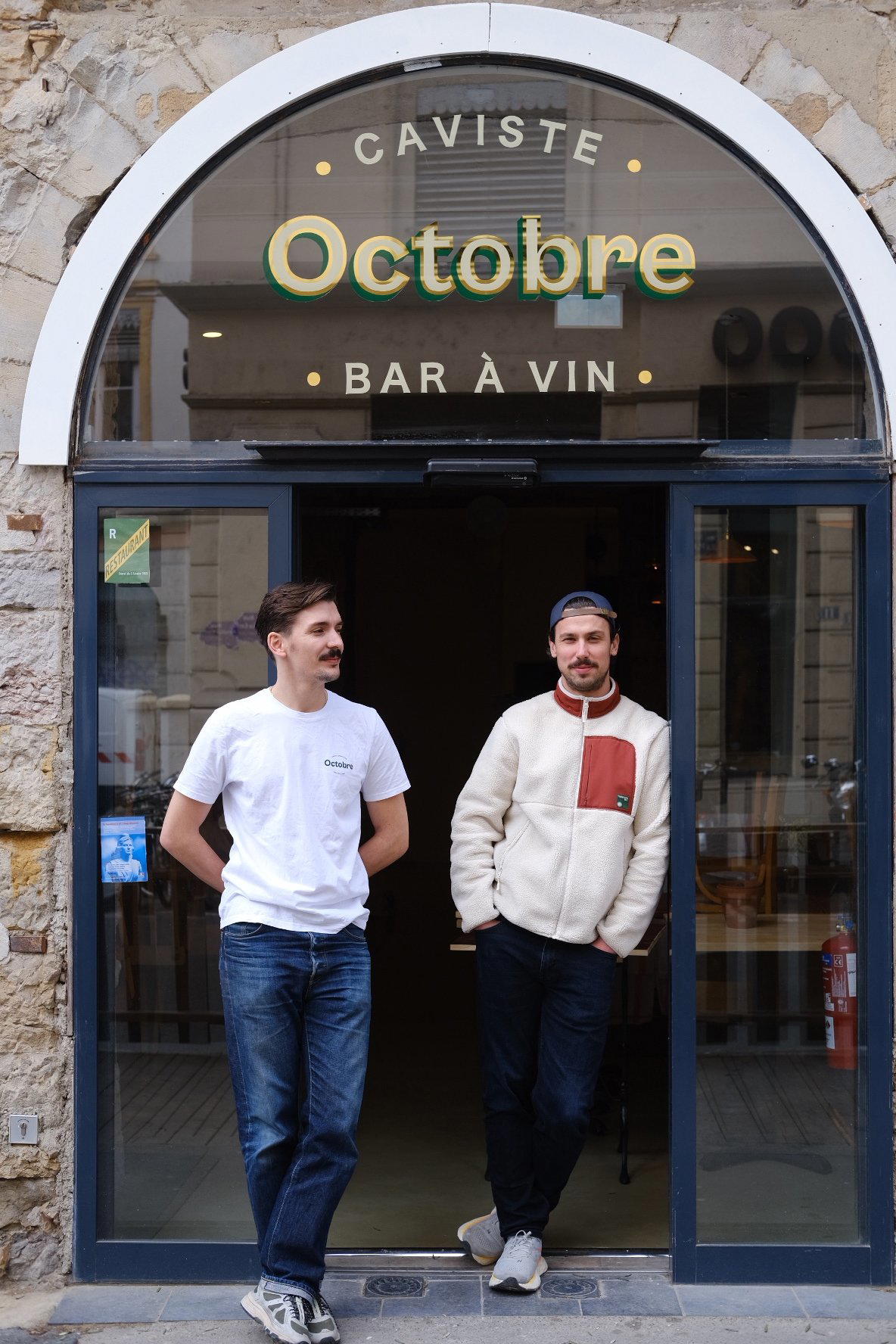
Hotels in Lyon
Browse all →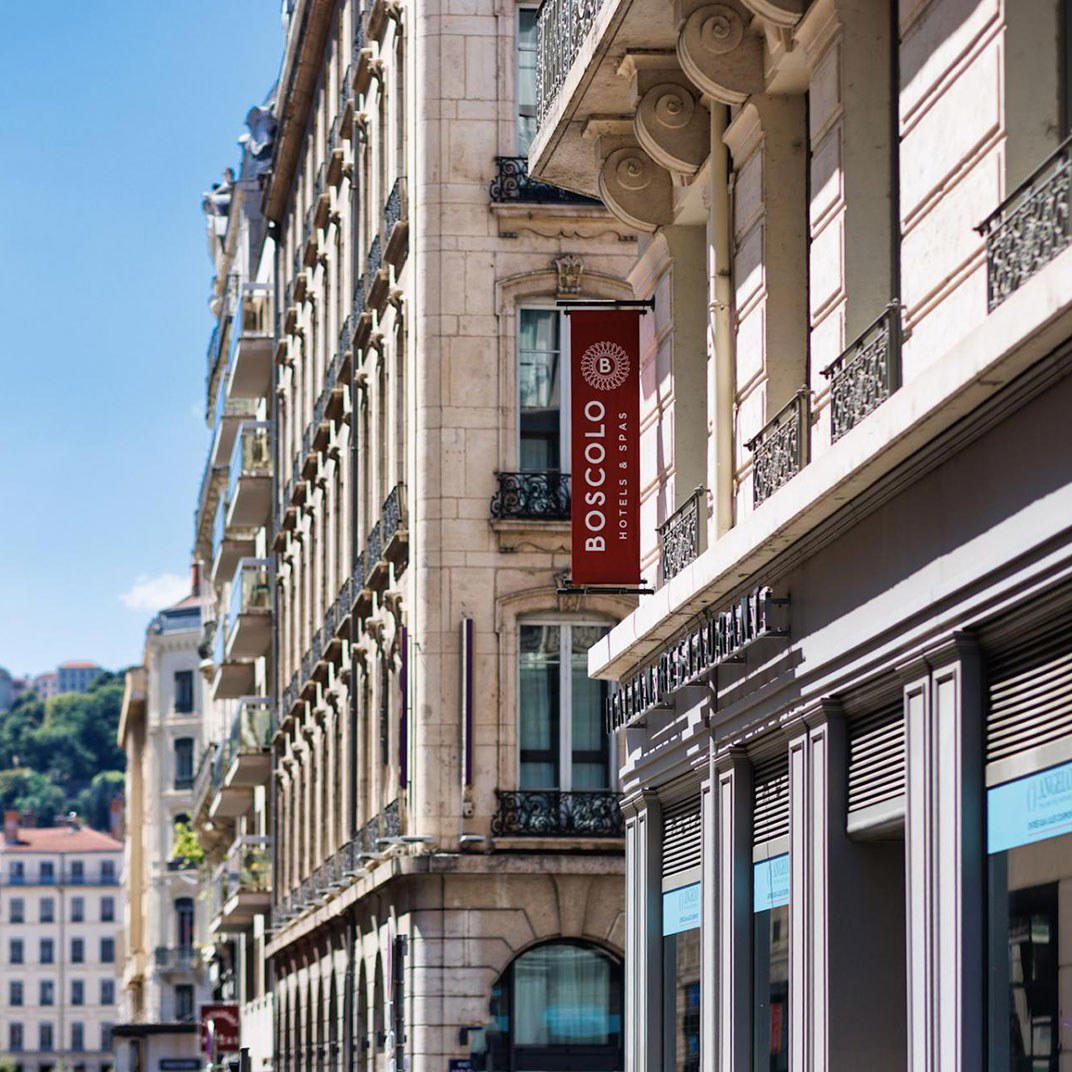
At a Glance
- Classic
- Rustic
- Cozy
- Lively
- Group Dining
- Celebration
- Casual Hangout
- Date Night
- Standalone
- Private Dining
- Extensive Wine List
- Craft Cocktails
- Local Sourcing
- Farm To Table
Current opening hours
- Monday
- Closed
- Tuesday
- 12–2 PM, 7–9 PM
- Wednesday
- 12–2 PM, 7–9 PM
- Thursday
- 12–2 PM, 7–9 PM
- Friday
- 12–2 PM, 7–9 PM
- Saturday
- 12–2 PM, 7–9 PM
- Sunday
- Closed
Hours can change for holidays and private events. Last verified .
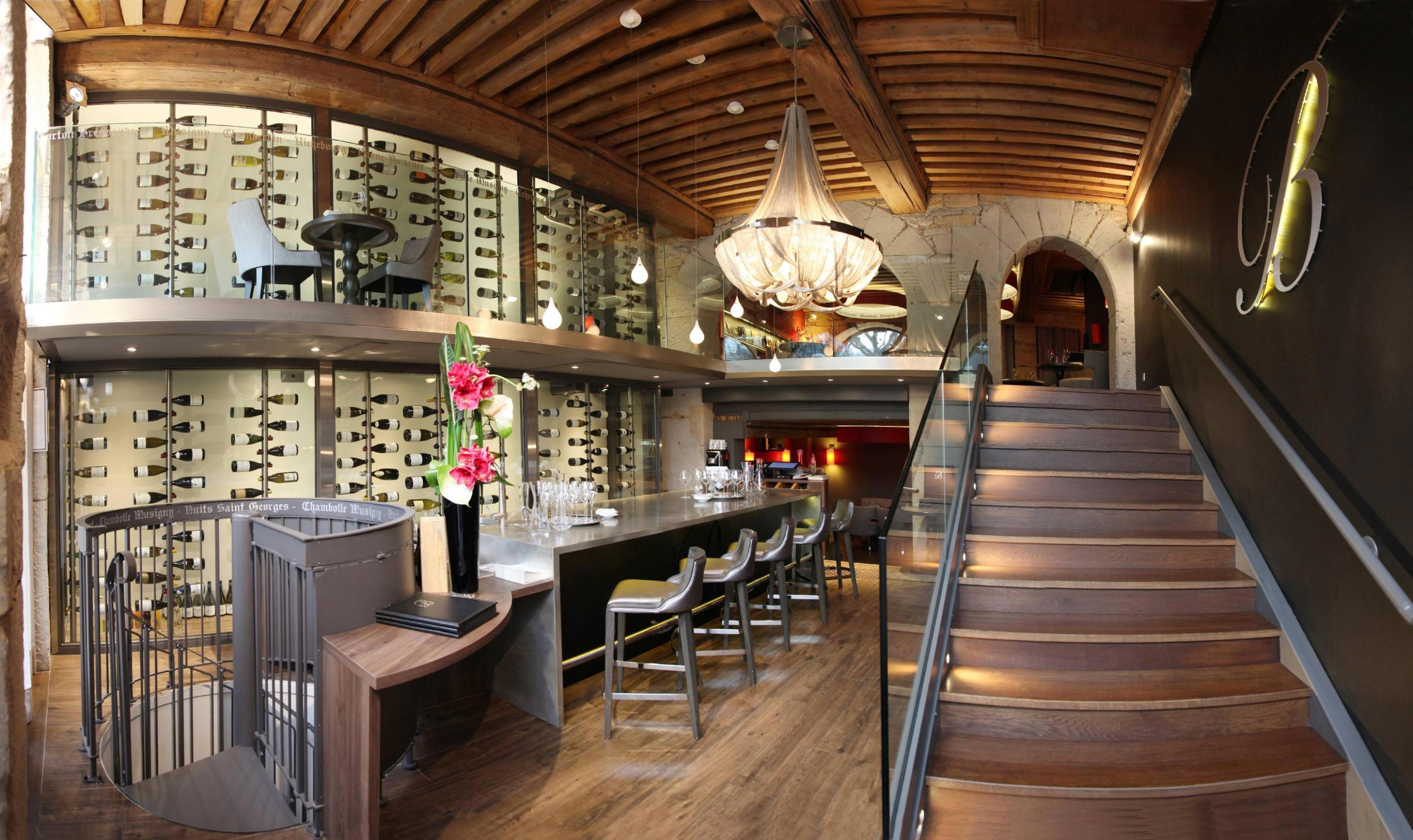
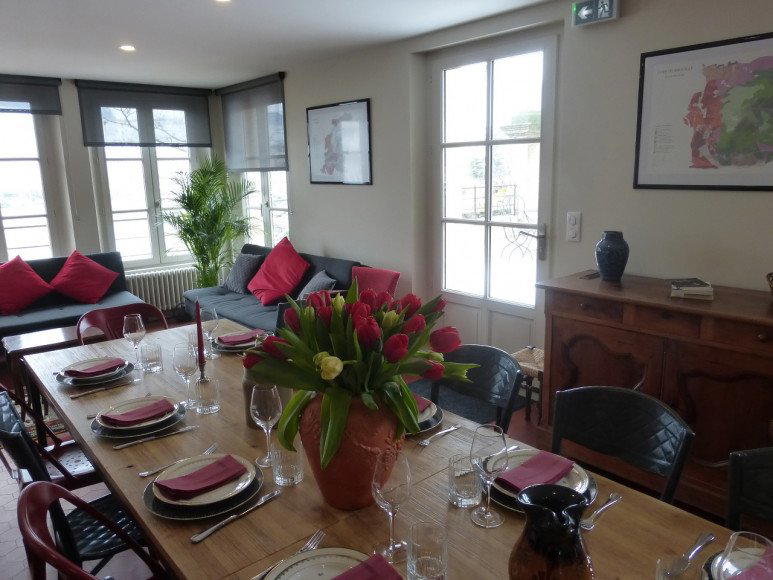
Simple and convivial atmosphere with wood and stone décor; warm, unpretentious setting focused on quality ingredients and good company rather than formality.