
Black Pearl 1 Diamond
Our verdict
Grand Hyatt Guangzhou The Penthouse belongs to Guangzhou’s hotel-dining tier, where polished service and metropolitan setting meet a city culture built on market freshness, seafood, poultry and precise Cantonese technique. Its Black Pearl Restaurant Guide 2026 one-diamond recognition gives it a clear trust signal in a city where hotel restaurants compete with old-line Cantonese houses and newer chef-led rooms.

Pearl is the En Primeur Club membership app, where members save venues, book tables and use the concierge.
The menu
What to order
- Honey-glazed char siu
- Barbecue meats selection
- Dim sum at lunch
- Silky egg custard in walnut milk
Hotel dining in Guangzhou carries a particular charge: the city below is dense with markets, banquet rooms, tea houses and late-night kitchens, yet the room asks for calm, control and a cleaner frame around the same regional instincts. Grand Hyatt Guangzhou The Penthouse sits in that hotel-restaurant register, where service cadence matters, but the more useful question is what kind of Guangzhou it chooses to express. In a city shaped by river trade, seasonal produce and local discipline, sourcing is never background. Freshness, timing and restraint are the grammar.
Guangzhou's sourcing culture, translated into a hotel dining room
Guangzhou dining has long treated the market as part of the kitchen. Fresh seafood, just-cut greens, carefully handled poultry and soups built around clarity rather than weight define a common local expectation. The city’s serious dining rooms are judged less by theatrical plating than by procurement and timing: whether fish tastes clean, whether vegetables keep snap, whether sauces support rather than flatten. That matters for any premium room in Guangzhou, because luxury here is not only imported ingredients or elaborate ceremony. It is the ability to make freshness read immediately.
The Penthouse’s useful context is the tension between hotel polish and Guangzhou’s ingredient-led habits. International hotels often bring broader pacing, quieter rooms and a more formal service structure than the city’s older dining houses, but they still operate in a market that punishes generic cooking. The Black Pearl 2026 one-diamond recognition places the restaurant within China’s domestic fine-dining conversation, a signal that matters more locally than a vague global badge. It tells diners to expect a room assessed against Chinese dining standards, not merely hotel convenience.
For a wider read on the city’s range, Our full Guangzhou restaurants guide gives the broader map. The spread runs from long-running local dining rooms to more contemporary or international formats, with plenty of serious Guangzhou cooking in between. That context is useful because The Penthouse is not competing only on hotel brand energy. It is being read against a city with deep expectations around freshness and kitchen precision.
Why the Black signal matters in this city
Guangzhou is a difficult place for a premium dining room to fake authority. Local diners often notice procurement before presentation: the sweetness of seafood, the texture of greens, the cleanliness of stock, the balance of heat and oil. A one-diamond Black Pearl listing in 2026 does not tell the whole story, but it does give the room a place inside a guide system focused on Chinese restaurant culture. For travelers, that is a stronger cue than hotel location alone.
The broader Chinese dining circuit also helps explain the frame. Across the country, guide-recognized restaurants increasingly split between regional identity and hotel-led polish. Readers tracking that pattern can look beyond Guangzhou to other dining rooms in major Chinese cities. Those are not local substitutes, but they show how China’s premium restaurant scene is often built from regional technique, guide recognition and controlled room formats rather than a single international template.
Ingredient sourcing remains the sharper lens. Guangzhou’s climate and trading history make the city unusually fluent in seasonality, especially in produce, seafood and soup traditions. A hotel room with Black Pearl recognition has to work within that expectation while serving a clientele that may include business diners, travelers and locals using the room for a more measured occasion. The result is a different read from a street-level local dining room: less noise, more pacing, and a stronger dependence on whether the kitchen can keep the ingredients in focus.
Where it fits in a Guangzhou itinerary
The Penthouse makes the strongest sense for diners who want Guangzhou’s ingredient culture inside a composed hotel setting rather than a faster, more crowded local dining room. That does not make it the default answer for every meal in the city. Guangzhou rewards range: dim sum, roast meats, seafood rooms, neighborhood noodle shops and formal dining rooms all tell different parts of the story. A hotel restaurant belongs in that rotation when the occasion calls for quiet, service structure and a room that can hold a business dinner or polished evening without losing sight of the city’s food logic.
Travelers building a fuller stay should pair the restaurant decision with the wider city edit: Our full Guangzhou hotels guide for where to sleep, Our full Guangzhou bars guide for after-dinner drinking, Our full Guangzhou wineries guide for wine-led planning and Our full Guangzhou experiences guide for cultural time around meals. For contrast, other dining formats outside Guangzhou show a different kind of ingredient storytelling: narrower, format-driven, and far from the market logic that defines the city.
The editorial case for Grand Hyatt Guangzhou The Penthouse is not that hotel dining automatically improves a meal. It is that Guangzhou’s serious food culture gives hotel restaurants a hard test: sourcing must carry the experience, not décor alone. The Black Pearl one-diamond recognition gives the room external credibility; the city’s own standards supply the pressure.
Frequently asked questions
Can I bring kids to Grand Hyatt Guangzhou The Penthouse?
As a hotel dining room in Guangzhou, it is a practical choice for families who want a controlled setting. The Black Pearl 2026 one-diamond listing signals a serious dining room, so earlier seating is the calmer bet.
How would you describe the vibe at Grand Hyatt Guangzhou The Penthouse?
The atmosphere reads as polished hotel dining rather than a casual neighborhood room. The Black Pearl 2026 one-diamond recognition suggests a room that prioritizes dining standards over scene-making.
What's Grand Hyatt Guangzhou The Penthouse known for in terms of accolades?
Grand Hyatt Guangzhou The Penthouse has received recognition including: Black Pearl 2026 one-diamond restaurant.
Should I book Grand Hyatt Guangzhou The Penthouse in advance?
Yes, advance planning makes sense, especially for dinner in Guangzhou. A Black Pearl 2026 one-diamond room may attract both hotel guests and outside diners.
What's the defining dish or idea at Grand Hyatt Guangzhou The Penthouse?
The defining idea is ingredient-led dining inside a hotel setting, which fits Guangzhou's market-driven food culture. The Black Pearl 2026 one-diamond designation is the clearest formal signal of that ambition.
Comparable venues nearby, for context on price, style, and recognition.
| Venue | Cuisine | Price | Awards | Notes |
|---|---|---|---|---|
| Grand Hyatt Guangzhou The PenthouseThis venue (the venue you are viewing) | Upscale Cantonese with skyline views | $50–100 | Black Pearl 1 Diamond | Not listed |
| ååè¶é¤å | Tea Restaurant | Not listed | Not listed | Guangzhoushi |
| Flavor Restaurant | Modern Cantonese with Signature Roast Goose | $50–100 | Michelin Plate | Guangzhoushi |
| çå æ¥æ - Yutang Chunnuan | Modern Cantonese with Signature Roast Goose | $50–100 | Michelin Plate | Guangzhoushi |
| 好酒好蔡研发工作室 - Hao Jiu Hao Cai Studio Howard‘s Gourmet Workshop | Modern Cantonese with Signature Roast Goose | $50–100 | Michelin Plate | Guangzhoushi |
| Tongtown | Modern Cantonese with Signature Roast Goose | $50–100 | Michelin Plate | Guangzhoushi |
Recognition history
Dated appearances from independent guides and award organizations, with the underlying list record or original source where available.
Black Pearl 1 Diamond
Black Pearl
Continue exploring
More in Guangzhou
Restaurants in Guangzhou
All restaurants in Guangzhou →
Bars in Guangzhou
All bars in Guangzhou →
Details
- Elegant
- Romantic
- Modern
- Sophisticated
- Business Dinner
- Date Night
- Special Occasion
- Group Dining
- Private Event
- Rooftop
- Panoramic View
- Private Dining
- Design Destination
- Hotel Restaurant
- Extensive Wine List
- Skyline
- A La Carte
- Set Menu
- Wine
- Champagne
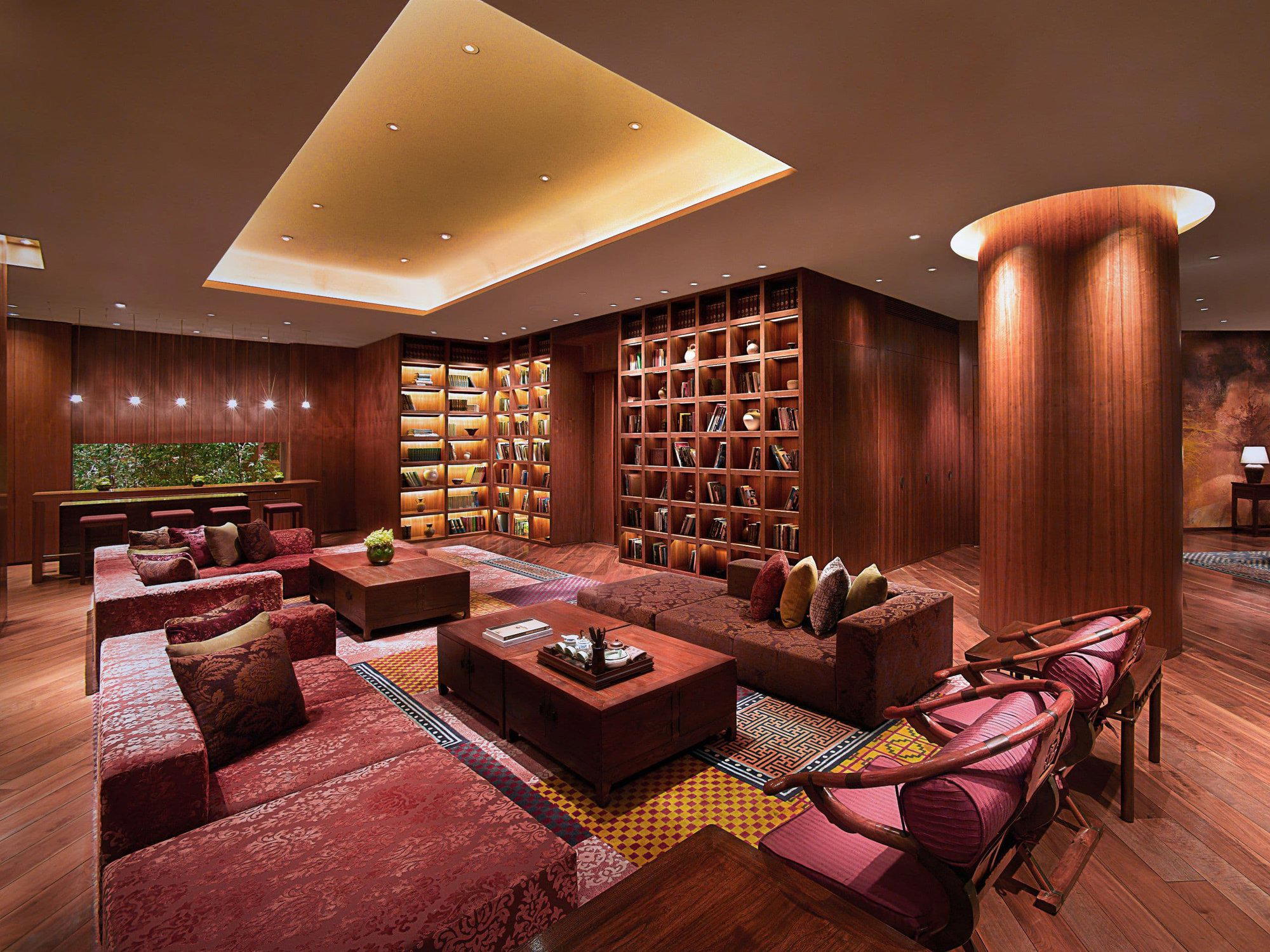
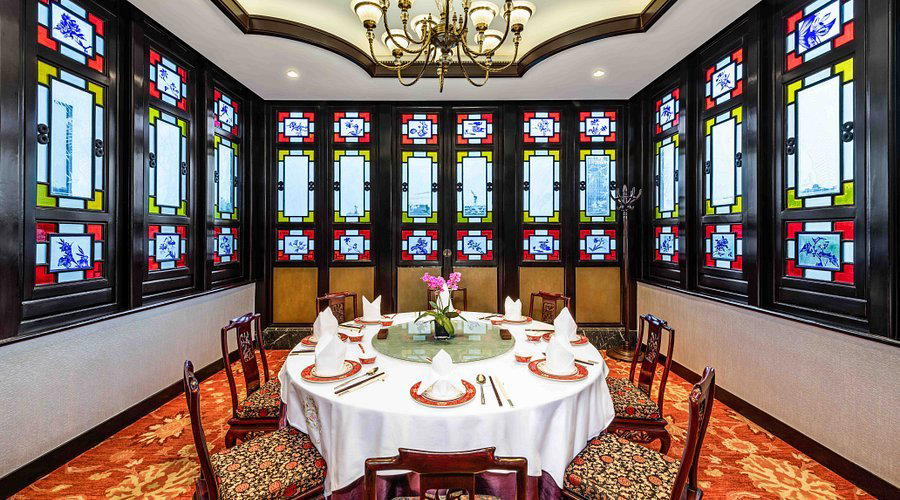
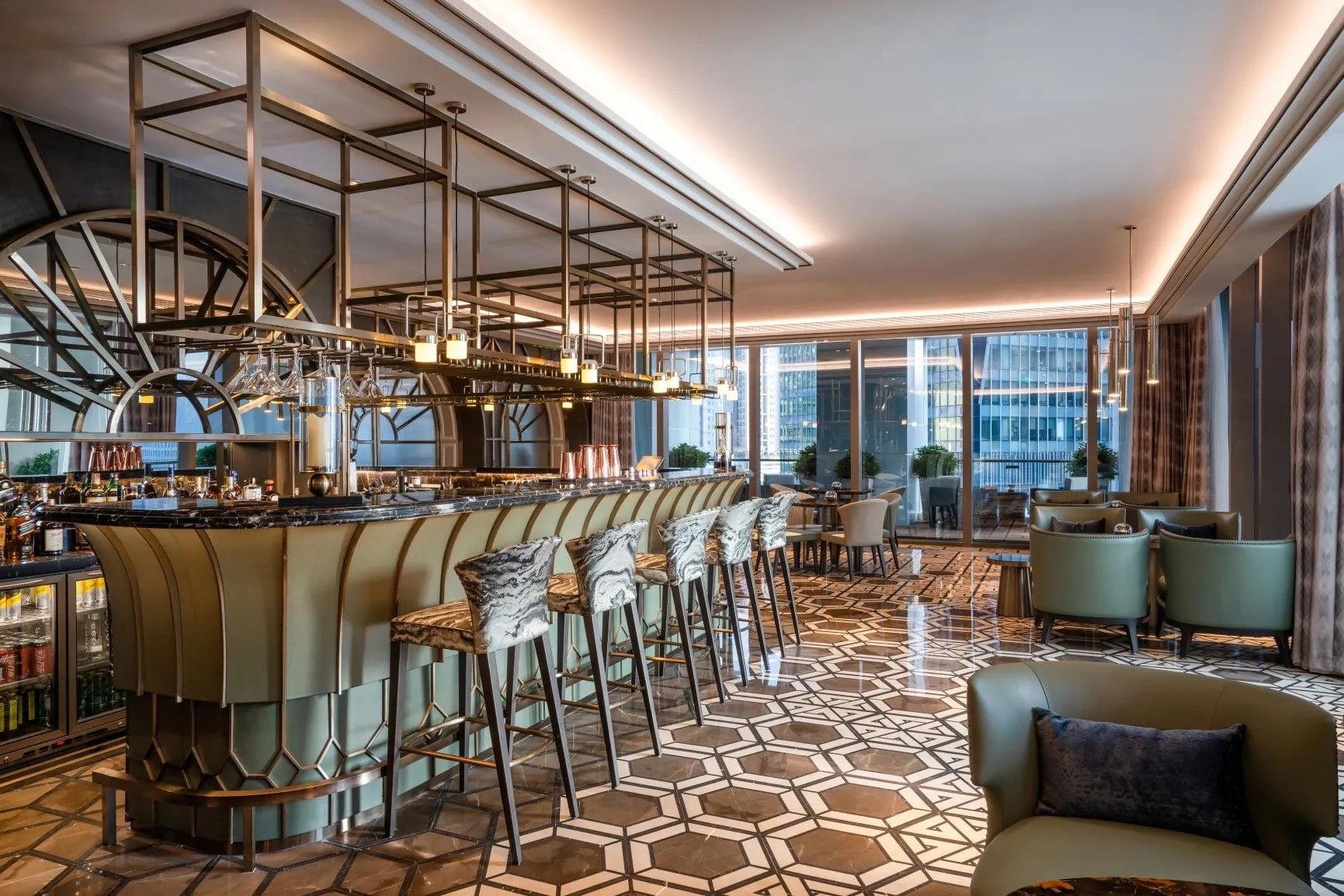
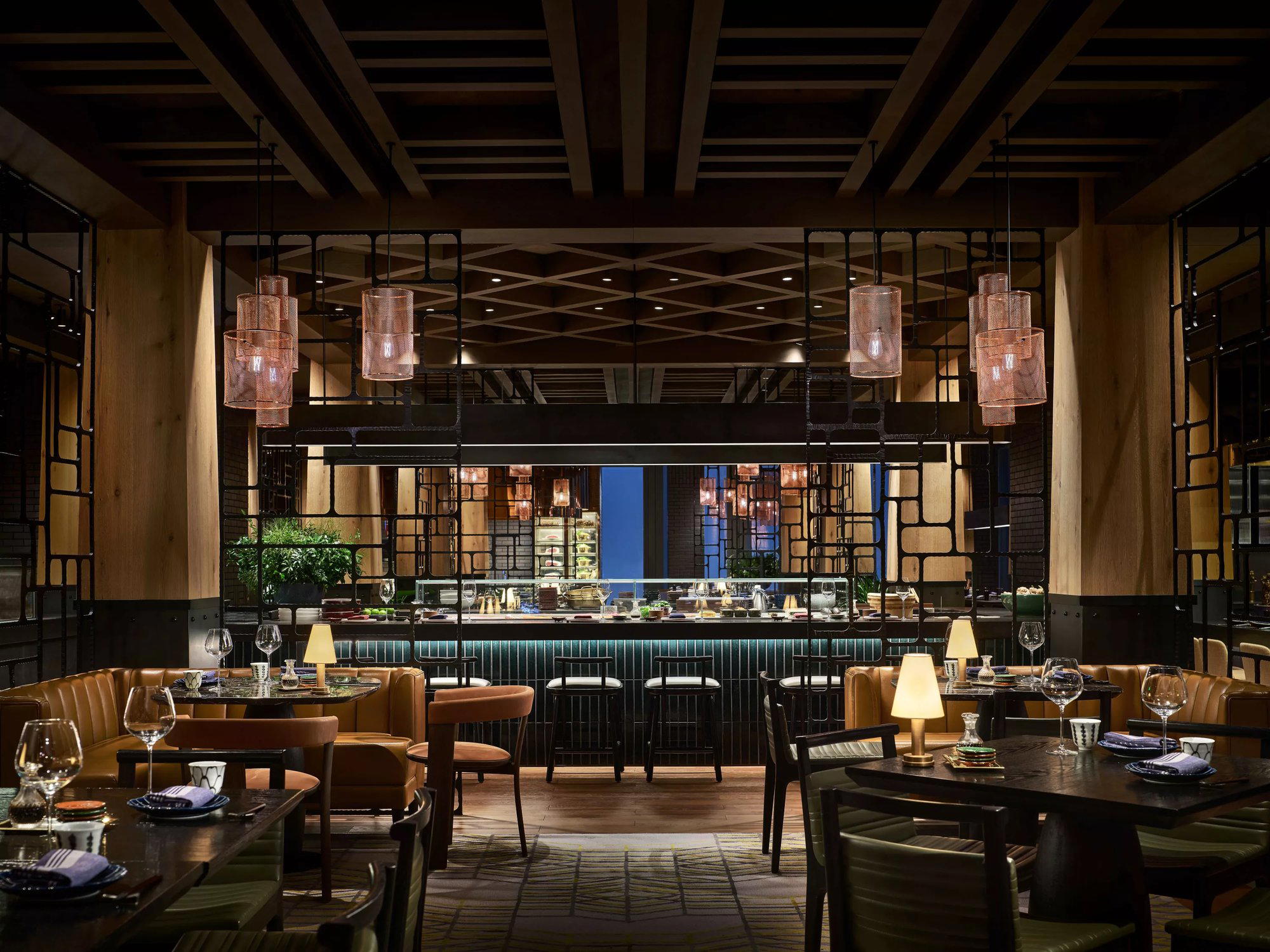
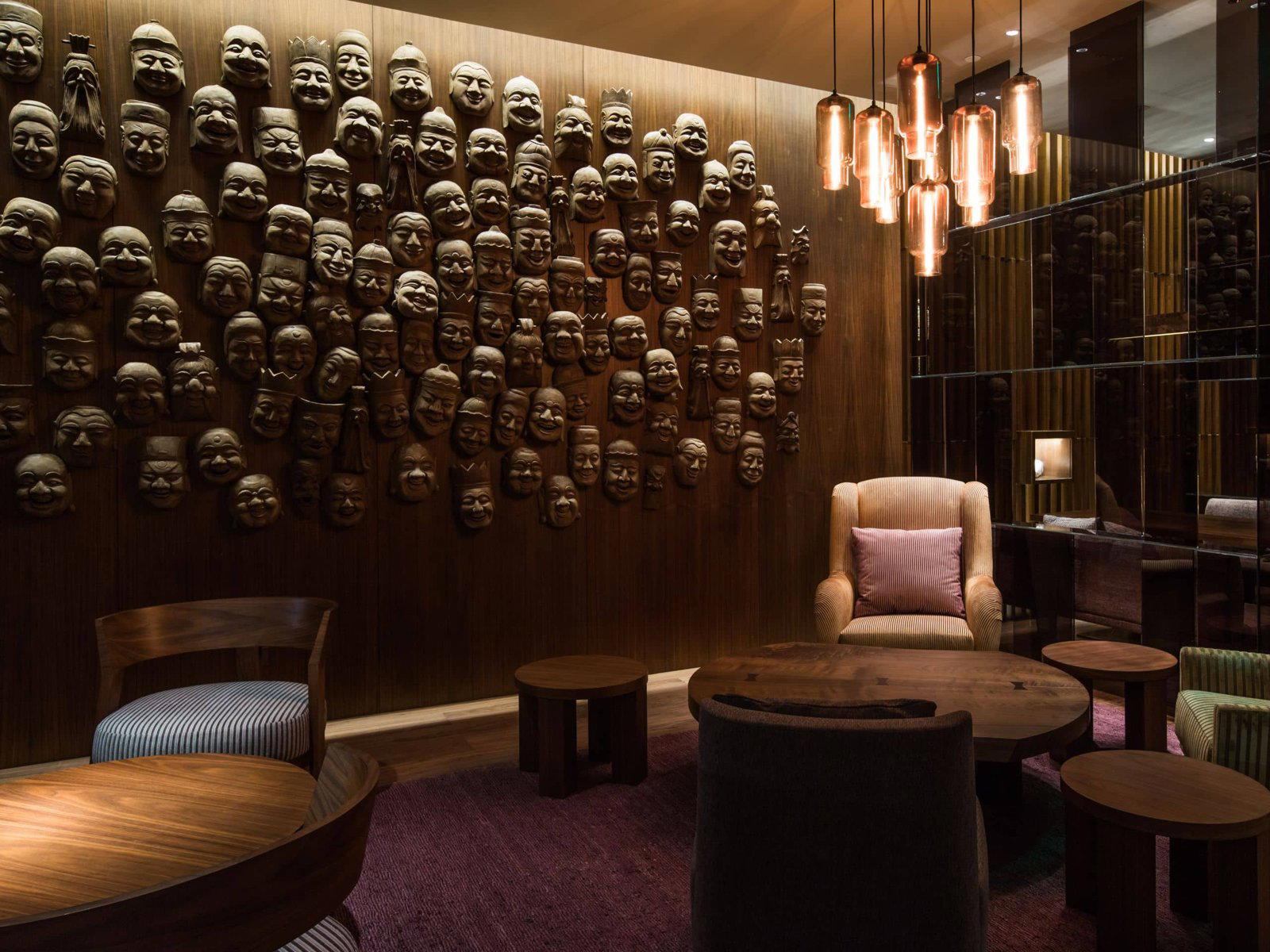
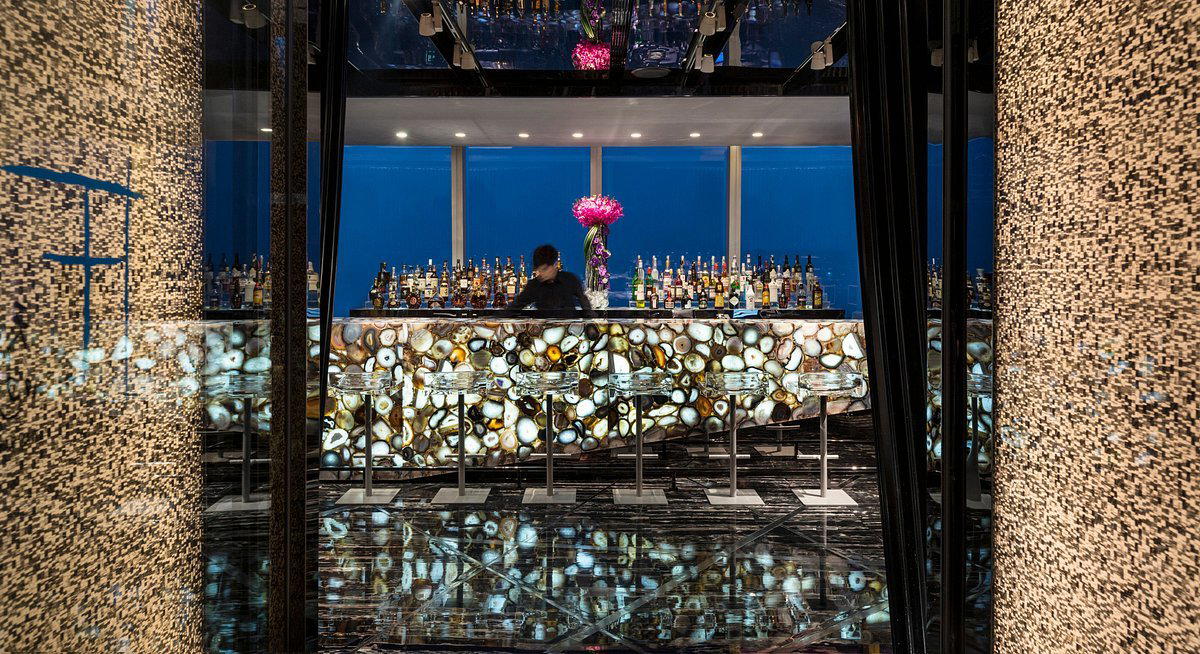
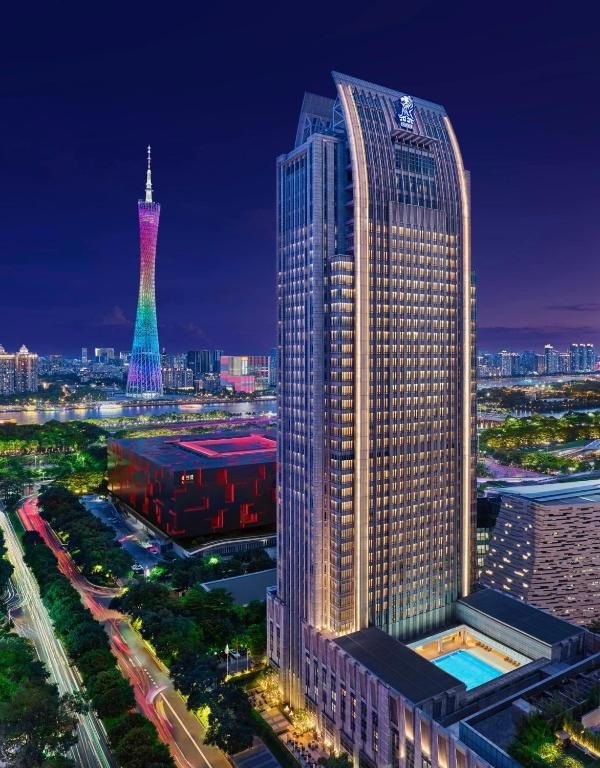
Stylish and contemporary hotel-restaurant setting with polished décor, large windows framing sweeping city views, and a refined, business‑friendly yet romantic atmosphere in mainly private and semi‑private dining rooms.