Giacomo's Cibo e Vino
Our verdict
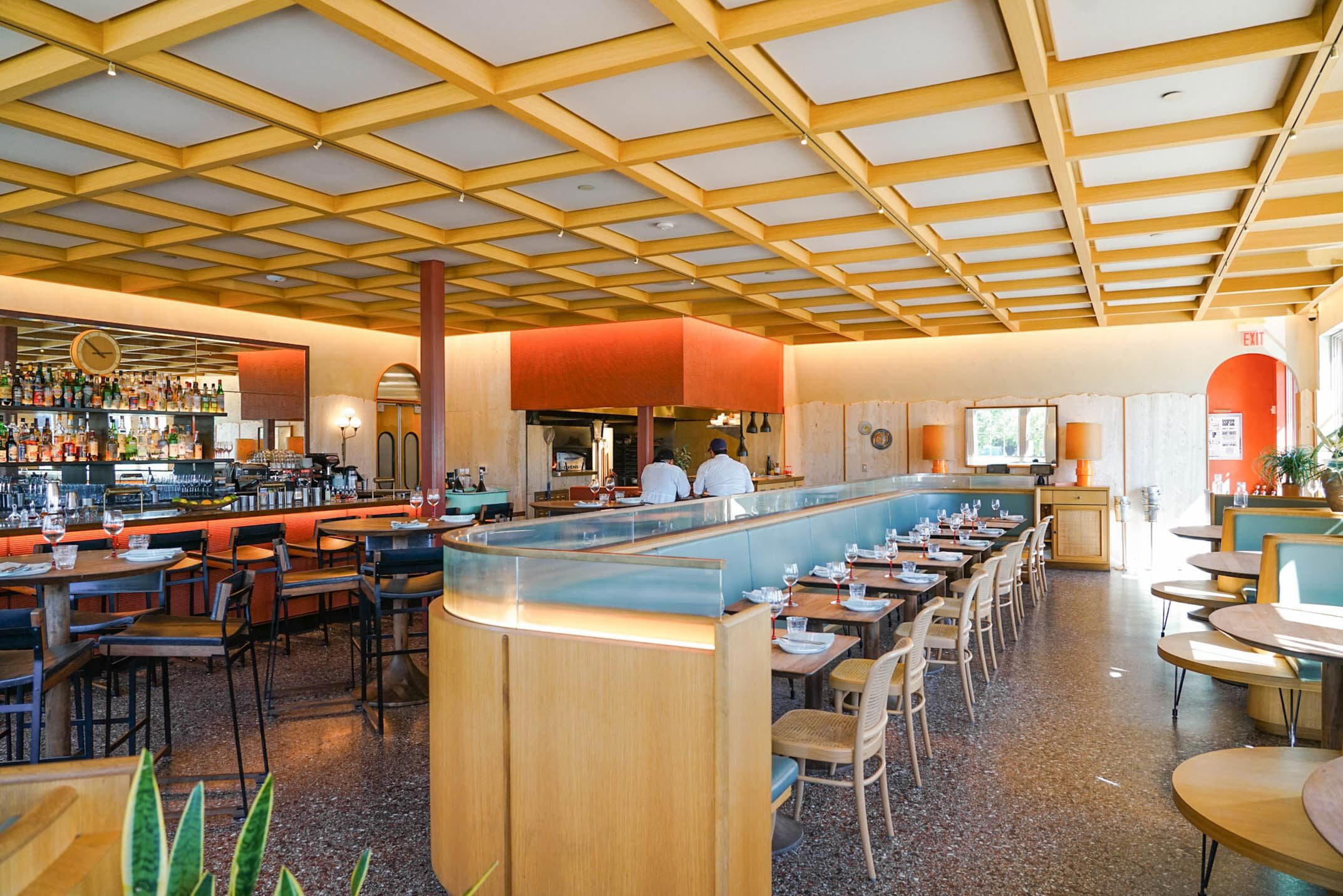
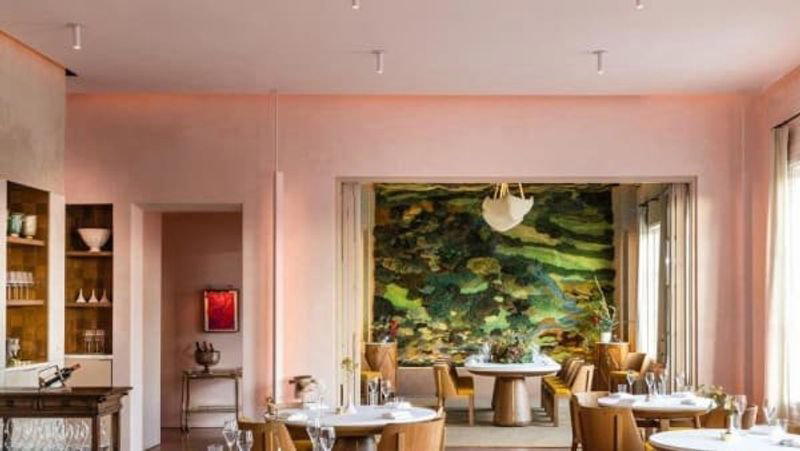
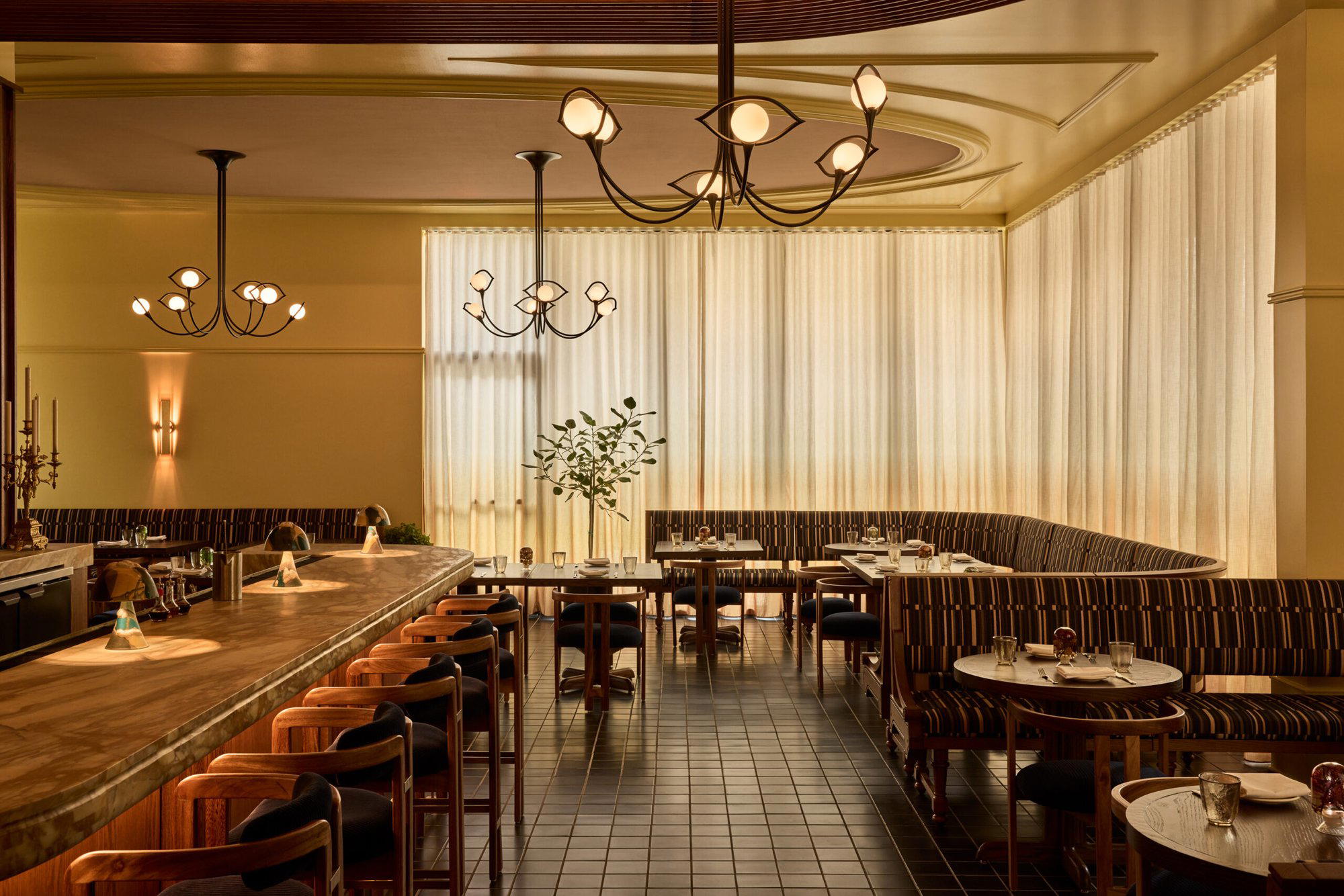
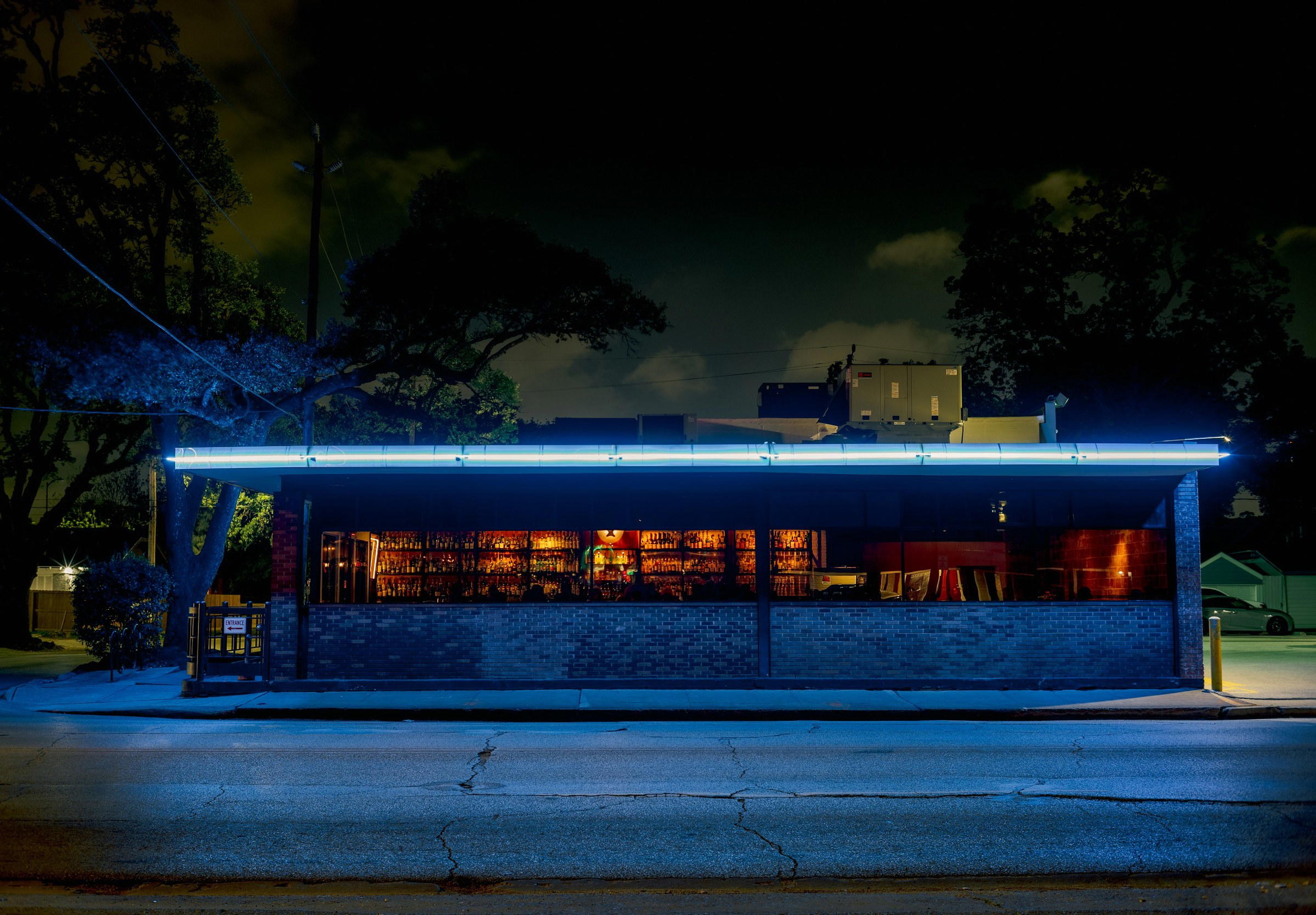
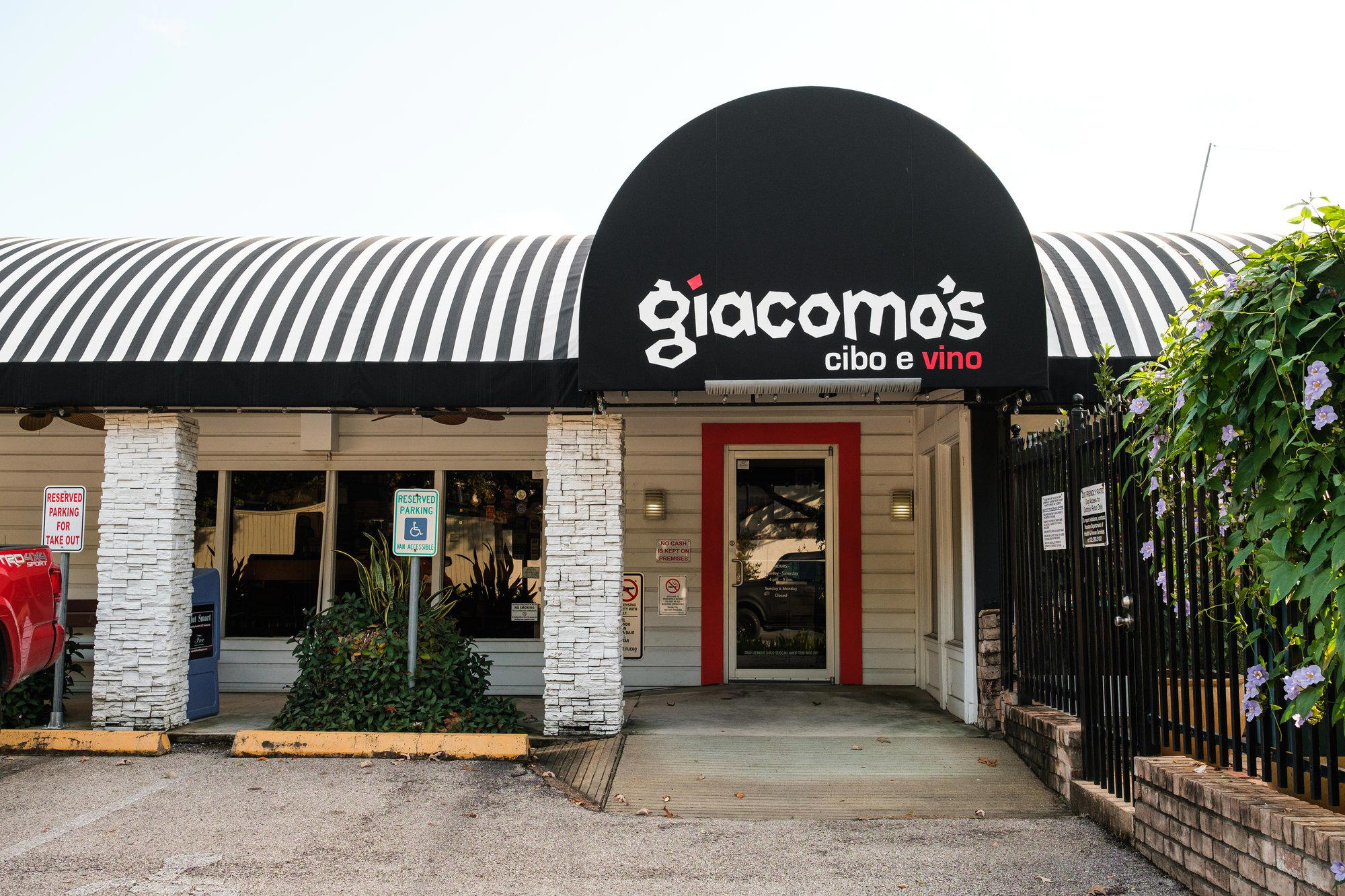
On Westheimer Road in the heart of Houston's Montrose corridor, Giacomo's Cibo e Vino sits within a stretch of dining that pulls from multiple European traditions. The Italian-leaning format here positions it differently from Houston's high-wattage tasting-menu circuit, offering a more direct route into the city's casual fine-dining tier. Locals treat it as a neighbourhood anchor in a city that rewards that kind of durability.

Pearl is the En Primeur Club membership app — saves, bookings, and concierge access live there. Same editors, same standards.
- Address
- 3215 Westheimer Rd, Houston, TX 77098
- Phone
- (713) 522-1934
- Hours
- Mon ClosedTue–Sat 4–9 PMSun Closed
- Website
- giacomosciboevino.com
- Directions
- Get directions
The menu
What to order
- Crostini
- Pappardelle
- Polpettine dagnello
- Cape sante alla griglia
Westheimer's Italian Register
Westheimer Road functions as one of Houston's most legible dining corridors, running through Montrose and the Upper Kirby district with a density of restaurants that reflects the city's appetite for European-rooted cooking in relaxed formats. The Italian tradition occupies a specific position in that corridor: less flashy than the city's Tex-Mex blockbusters, less austere than the tasting-menu rooms downtown, and more dependent on regulars who return for a consistent, familiar register. Giacomo's Cibo e Vino, at 3215 Westheimer, sits exactly in that middle register.
Italian casual-to-semi-formal dining in American cities has gone through a quiet sorting in the last decade. The red-sauce institution, once the dominant format, has largely ceded ground to either hyper-regional Italian (Ligurian, Venetian, Sicilian) or to the enoteca model, where wine drives the experience and food plays a supporting role. The name Cibo e Vino, food and wine, signals the latter orientation without committing to a single regional Italian identity. That naming choice is itself editorial: it tells a diner that the relationship between plate and glass is the point, not a particular town or coastal tradition. Houston's March, which leans into Venetian specificity at the $$$$-tier, represents one end of that Italian-American spectrum. Giacomo's occupies a different position, where accessibility and neighbourhood ritual matter as much as provenance.
The Cultural Weight of Cibo e Vino
Italian dining culture has historically been built around the idea of the trattoria as a social institution rather than a destination. The trattoria is not a restaurant you visit once; it is a place your family occupies a corner table in, where the proprietor knows your preferred wine by your second visit, and where the pasta changes with season and supply rather than by calendar marketing. American cities have struggled to replicate that model faithfully, largely because the economics of American restaurant real estate push toward either fast turnover or prix-fixe formality. The enoteca hybrid, food and wine in roughly equal emphasis, is the closest translation that works in an American context, because it allows a menu to stay relatively compact while the wine list carries depth and narrative.
Houston's dining scene, often misread by national critics as a city of steakhouses and Tex-Mex, has developed a sophisticated mid-tier in which European-tradition restaurants operate with a neighbourhood loyalty model that more closely mirrors what you'd find in a mid-sized Italian city than what you'd expect from a Texas metropolis. That dynamic plays out across cuisines: BCN Taste & Tradition holds a similar position for Spanish cooking, and Le Jardinier Houston anchors the French vegetable-forward tradition at a slightly higher price point. Giacomo's fits within that grouping, operating at a register below the full fine-dining tier but above the casual trattoria that substitutes volume for care.
Italian Cooking in the Houston Context
Houston's food culture is shaped by immigration patterns that differ from New York or Chicago, where Italian-American communities built specific regional food traditions into the urban fabric over generations. In Houston, the Italian dining tradition is more diffuse, which means restaurants like Giacomo's operate without the weight of a densely established local comparison set. That is both a freedom and a challenge: there is no canonical Westheimer lasagna against which every other lasagna is measured, which gives a restaurant room to define its own register, but it also means that diners are evaluating against a wider national mental model of what Italian food should taste and feel like.
The Cibo e Vino format, with its implicit promise of food and wine in dialogue, positions the restaurant to attract a wine-literate clientele that is as interested in what is in the glass as what arrives on the plate. That reader is well-served in Houston by a city that has quietly built strong wine programming across multiple cuisines: Musaafer has demonstrated that Indian cooking can carry a serious wine list, and Tatemó is redefining what beverage pairing means in the Mexican masa tradition. The Italian format has a natural advantage in this environment, given that Italian wine's regional variety gives a sommelier genuine curatorial latitude.
For context on what the highest expression of this kind of ingredient-discipline looks like elsewhere in the United States, it is worth looking at how restaurants such as Single Thread Farm in Healdsburg or Blue Hill at Stone Barns in Tarrytown have built reputations around the food-and-land relationship. Those are tasting-menu operations at a different price tier, but they illuminate the broader American appetite for restaurants where sourcing and seasonality are foregrounded rather than implied. The trattoria-enoteca model at Giacomo's operates in a more casual register, but the underlying cultural logic, that a meal is a relationship between producer, cook, and guest, is the same.
How Giacomo's Fits the Westheimer Dining Sequence
Visitors approaching from either the Montrose or River Oaks direction along Westheimer will find Giacomo's in a stretch that rewards planning rather than impulse decisions. The corridor is dense enough that a walk from one end to the other passes half a dozen dining options in different price tiers, which means Giacomo's is being chosen against, not stumbled upon. That competitive placement is useful information: diners who select it over the higher-ticket rooms nearby are signalling a preference for the enoteca format, for wine-as-narrative, and for the kind of relaxed pacing that a prix-fixe tasting room cannot offer. For reference, Houston's full dining map, including the tasting-menu tier represented by rooms with the ambition of Le Bernardin in New York City or The French Laundry in Napa, is covered in our full Houston restaurants guide.
The Westheimer corridor also rewards return visits across multiple restaurants rather than single-night deep dives. A first visit to Giacomo's to establish the wine list's range, a second to test the pasta program against seasonal availability, represents the kind of engaged dining behaviour that the enoteca model is designed to encourage. It is a different contract than the one you sign at Smyth in Chicago or Addison in San Diego, where a single long evening is the format. The shorter, more flexible visit structure is part of Giacomo's proposition.
Planning Your Visit
Address: 3215 Westheimer Rd, Houston, TX 77098. Reservations: Booking ahead is advisable on weekends given the corridor's demand, particularly during Houston's arts and museum event calendar. Getting There: The Westheimer corridor is most efficiently accessed by car or rideshare; street and lot parking is available nearby. Pairing Advice: Given the Cibo e Vino format, arriving with a specific curiosity about the wine list, whether a regional Italian variety or a particular producer style, will yield a more engaged experience than ordering by price point alone.
Frequently asked questions
Where is Giacomo's Cibo e Vino located?
Giacomo's Cibo e Vino is located at 3215 Westheimer Rd, Houston, TX 77098, Houston.
How does Giacomo's Cibo e Vino fit into Houston's Italian dining scene compared to other Westheimer restaurants?
Houston's Italian dining history is less defined by tight immigrant neighborhood clusters than cities like New York or Chicago, which gives restaurants on the Westheimer corridor more room to set their own register. Giacomo's positions itself as a trattoria — a format built on regularity and convivial eating rather than occasion dining — within a stretch of Westheimer that includes both casual neighborhood spots and destination-level tables. That mid-register identity, food and wine without formality, gives it a distinct function along the 3215 Westheimer address as a repeatable local restaurant rather than a one-time reservation.
What should I order at Giacomo's Cibo e Vino?
The kitchen follows a trattoria model, meaning the menu centers on Italian staples built around pasta, wine-friendly secondi, and shared plates rather than chef-driven tasting courses. Dishes that anchor the trattoria tradition — house pasta, braised proteins, and regional antipasti — are the logical starting points. Given the name 'Cibo e Vino' (food and wine), the wine list is designed to work alongside the food, so ordering with a bottle in mind is the intended approach at 3215 Westheimer.
Should I book Giacomo's Cibo e Vino in advance?
Westheimer Road's dining corridor draws consistent traffic through Montrose and Upper Kirby, particularly on Friday and Saturday evenings when demand across the stretch runs high. Booking ahead for weekend visits is advisable rather than optional. Weeknight walk-ins along this corridor are generally more achievable, but calling ahead to confirm availability at the 3215 Westheimer location removes the uncertainty.
What's the signature at Giacomo's Cibo e Vino?
The venue's name signals the core proposition directly: 'cibo e vino' translates as food and wine, and the pairing of Italian kitchen cooking with a considered wine program is the defining format. This positions Giacomo's within the trattoria tradition where the table, the bottle, and the plate are treated as equal parts of the same meal rather than separate considerations. That dual focus on food and wine sets the register for how the menu is structured.
Is Giacomo's Cibo e Vino allergy-friendly?
Italian trattoria menus typically contain gluten in pasta and bread, dairy across most courses, and tree nuts in certain preparations, so guests with significant allergies should check the venue's official channels before visiting at 3215 Westheimer Rd, Houston, TX 77098. Staff at independent Italian restaurants on the Westheimer corridor generally accommodate requests when given advance notice, but specific dietary accommodations are best confirmed with the venue rather than assumed.
The Quick Read
Comparable venues nearby, for context on price, style, and recognition.
| Venue | Cuisine | Price | Notes |
|---|---|---|---|
| Giacomo's Cibo e VinoThis venue — the venue you are viewing | Italian Cichetti and Wine Bar | $30–50 | Not listed |
| Casa Carlo | Modern Italian Fine Dining | Not listed | Harrisburg, Modern Italian Fine Dining |
| Marmo | Italian Chophouse | $50–100 | Montrose, Italian Chophouse |
| Grotto Downtown | Modern Italian Trattoria | $30–50 | Downtown, Modern Italian Trattoria |
| Coppa Osteria | Modern Italian Osteria | $30–50 | Pemberton, Modern Italian Osteria |
| Mia Bella Trattoria | Modern Italian Trattoria | $20–30 | Upper Kirby, Modern Italian Trattoria |