

Michelin Plate · Star Wine List
Our verdict
On Gohliser Strasse in Leipzig's Gohlis district, Gasthaus Helmut sits within the oldest and most durable category of German eating: the neighbourhood Gasthaus, where rustic cooking, draught beer, and unfussy surroundings define the offer. It occupies a different register entirely from Leipzig's formal dining rooms, and that contrast is precisely the point.

Pearl is the En Primeur Club membership app — saves, bookings, and concierge access live there. Same editors, same standards.
- Address
- Gohliser Str. 42, 04155 Leipzig, Germany
- Phone
- +49 341 91878220
- Hours
- Mon–Sat 5:30–11 PMSun Closed
- Website
- gasthaus-helmut.de
- Directions
- Get directions
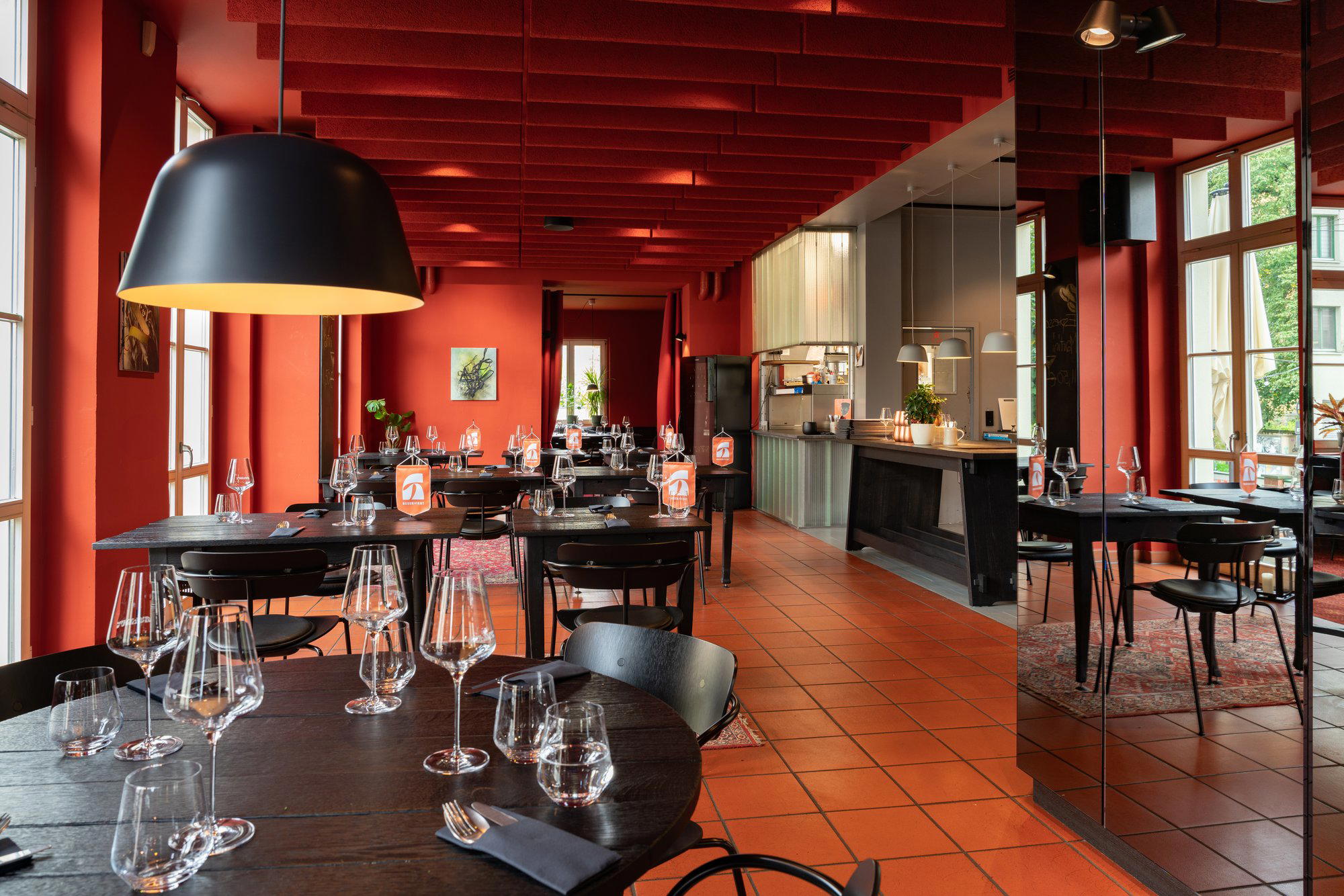
The Gasthaus Tradition and Where Helmut Fits
Germany's restaurant culture runs on a clear hierarchy of formats, and the Gasthaus occupies its own distinct tier. Not a fine-dining address, not a modern bistro with a curated natural wine list, and not a hotel restaurant angling for guide recognition — the Gasthaus is the format that predates all of those categories and, in most German cities, outlasts them too. Simple furnishings, a tap running most of the evening, regional cooking rooted in the surrounding agricultural supply chain, and staff who carry full trays without ceremony: these are the constants. Gasthaus Helmut, on Gohliser Strasse 42 in Leipzig's Gohlis neighbourhood, operates within that tradition.
Leipzig has a reasonably wide spread of dining formats. On the formal end, Falco (Modern European) and Stadtpfeiffer (Creative) occupy the city's top tier, and Kuultivo (Modern Cuisine) sits in the mid-premium range alongside C'est la vie (French). Gasthaus Helmut belongs to none of those cohorts.
Gohlis: A Residential Quarter with Gasthaus Density
Gohlis is one of Leipzig's older residential districts, built up in the late nineteenth and early twentieth centuries with apartment blocks, tree-lined streets, and the kind of street-level commercial infrastructure that includes bakeries, butchers, and eating establishments that serve the people who live there. It is not a destination neighbourhood in the way that parts of the Südvorstadt attract visitors, but that is part of its character. Addresses here tend to serve regulars rather than tourists, which shapes both the atmosphere and the menu logic. When the catchment is local, sourcing from local producers and keeping the offer seasonal and familiar becomes the natural operating model.
The Gasthaus format in German-speaking Europe has always had a closer relationship with regional supply than most other restaurant categories. Before the logistics of modern food distribution, a Gasthaus drew its ingredients from nearby farms and markets as a matter of necessity. In contemporary practice, that connection has become a point of differentiation from the mass-market casual dining chains that occupy a similar price bracket. An address on Gohliser Strasse is not pulling produce from a centralised distribution warehouse in the same way a franchise operation would. The surrounding Saxon countryside, with its market gardens, pork and game tradition, and strong brewing culture, provides the natural reference frame for what ends up on the table.
What the Format Implies About the Food
The name Gasthaus carries specific culinary expectations that have remained consistent across decades. Rustic preparation methods, portions that reflect manual labour-era appetite, and a menu structured around meat-led mains, potato and dumpling accompaniments, and soup or salad starters. Pork in various cuts, seasonal game when available, pickled vegetables, and bread-based components all belong to the vocabulary. Beer is not a sideline but an anchor of the experience — on draught, in the glass, ordered by the half-litre as a matter of course.
This is cooking that does not seek complexity for its own sake. The skill involved is in sourcing well, executing consistently, and maintaining the kind of kitchen discipline that keeps a neighbourhood address busy across multiple services per week. That is a different standard than the creative ambition measured at addresses like Frieda (Creative), but it is a standard nonetheless. Gasthaus cooking rewards familiarity with the tradition rather than novelty-seeking.
For a broader sense of how Leipzig's dining scene divides between traditional and contemporary formats, the full Leipzig restaurants guide maps the city's options across categories and price points.
Ingredient Sourcing in the Saxon Context
Saxony sits in a part of Germany where the agricultural tradition is tied closely to the landscape: river valleys suitable for market gardening, forested uplands that support game, and a strong artisanal food-production culture in areas like the Erzgebirge to the south. For a Gasthaus operating in this context, the sourcing logic tends to follow regional availability, pork from Saxon farms, seasonal vegetables from local markets, and beer from Saxon or Thuringian breweries rather than national brands.
This matters because the gap between a Gasthaus that sources attentively and one that does not is apparent on the plate. The quality of a pork schnitzel, for example, depends almost entirely on the breed, feed, and handling of the pig, not on technique. A kitchen working with good regional pork can produce something worth returning for. One working with commodity supply cannot, regardless of how well it is cooked. The Gasthaus format, when it works, relies on that sourcing relationship more than on culinary skill in the conventional sense.
Germany has a number of dining addresses where sourcing-led thinking operates at a much higher level of scrutiny and ambition, Schwarzwaldstube in Baiersbronn, Aqua in Wolfsburg, and ES:SENZ in Grassau all operate in a tier where producer relationships are documented and central to the offer. At the Gasthaus level, that transparency is rarely formalised, but the principle, that the food reflects where it comes from, applies equally.
Planning a Visit
Gasthaus Helmut is at Gohliser Strasse 42 in the Gohlis district, reachable from central Leipzig by tram. The format suits an informal weekday dinner or a weekend lunch rather than a special-occasion booking. No booking platform or website is listed in the available record, which is consistent with many traditional Gasthaus addresses in German residential quarters: walk-in, call ahead, or ask a local. For accommodation context while in Leipzig, the Leipzig hotels guide covers the range of options across the city. The Leipzig bars guide and Leipzig experiences guide are useful for building an itinerary around a visit to the Gohlis area. The Leipzig wineries guide rounds out the picture for those interested in the regional drinks offer.
For international reference points, contexts where the sourcing conversation around casual-format eating has developed into something more documented, Emeril's in New Orleans and Le Bernardin in New York City represent very different positions on the spectrum, as do JAN in Munich and CODA Dessert Dining in Berlin within the German context. Vendôme in Bergisch Gladbach completes a useful cross-section of how German fine dining handles sourcing at the upper end of the market.
Frequently asked questions
Does Gasthaus Helmut work for a family meal?
The Gasthaus format is historically one of Germany's most family-accommodating dining structures: unfussy seating, straightforward portions, and no performance-dining atmosphere to contend with. Gohliser Strasse 42 is in a residential quarter of Leipzig, which typically means the clientele skews local and mixed-age. That context makes it a reasonable choice for an informal family dinner rather than a special-occasion booking.
Is Gasthaus Helmut formal or casual?
Casual, by definition of format. The word Gasthaus signals simple furnishings, beer on tap, and a neighbourhood dining room rather than a structured service environment. Gohlis is a residential district, not a city-centre destination strip, which reinforces the low-key register. Come as you would for a weekday dinner with friends, not a business lunch.
Is Gasthaus Helmut Michelin-listed?
Gasthaus Helmut has received recognition including: This restaurant has the name “Gasthaus” in its name. The word “Gasthaus” generally suggests a restaurant with simple furnishings, rustic cuisine, beer on tap and waiters balancing full glasses of beer....
What should I eat at Gasthaus Helmut?
The Gasthaus name points toward rustic German preparation: hearty portions, traditional Saxon-influenced dishes, and the kind of cooking that suits beer on tap rather than a wine list. Saxony's agricultural tradition — river-valley market gardening, forest foraging, game — tends to show up in regional kitchens of this type. Specific current dishes are best confirmed directly with the restaurant before visiting.
What part of town is Gasthaus Helmut in?
Gasthaus Helmut is located at Gohliser Str. 42, 04155 Leipzig, Germany, Leipzig.
Comparable Venues
Comparable venues nearby, for context on price, style, and recognition.
| Venue | Cuisine | Price | Awards | Notes |
|---|---|---|---|---|
| Gasthaus HelmutThis venue — the venue you are viewing | Modern German Regional Gasthaus | $30–50 | Michelin Plate · Star Wine List | Not listed |
| Bayerischer Bahnhof | Traditional German Brewery with Saxon-Bavarian Cuisine | $20–30 | Not listed | Zentrum-Südost |
| Mein liebes Frollein | Organic German Breakfast Café | $10–20 | Not listed | Südvorstadt |
| endless | Modern International Breakfast | $10–20 | Not listed | Zentrum |
| Naumanns Gaststube | Traditional German Gaststube | $20–30 | Not listed | Lindenau |
| Café Luise | German Café | $10–20 | Not listed | Zentrum-West |
Recognition history
Dated appearances from independent guides and award organizations, with the underlying list record or original source where available.
Michelin Plate
Michelin · 2026 Michelin Plate
Star Wine List
Star Wine List
Continue exploring
More in Leipzig
Restaurants in Leipzig
Browse all →

Bars in Leipzig
Browse all →
Hotels in Leipzig
Browse all →
Wineries in Leipzig
Browse all →
Details
- Cozy
- Rustic
- Intimate
- Classic
- Casual Hangout
- Group Dining
- Standalone
- Open Kitchen
- Extensive Wine List
- Sommelier Led
- Beer Program
- Local Sourcing
- A La Carte
- Wine
- Beer
Current opening hours
- Monday
- 5:30–11 PM
- Tuesday
- 5:30–11 PM
- Wednesday
- 5:30–11 PM
- Thursday
- 5:30–11 PM
- Friday
- 5:30–11 PM
- Saturday
- 5:30–11 PM
- Sunday
- Closed
Hours can change for holidays and private events. Last verified .
Warm, unpretentious, and welcoming with a focus on comfort and genuine hospitality; described as accessible and contemporary without intellectual pretension.