One of Lisbon's most enduring seafood addresses, Gambrinus occupies a grand dining room on Rua das Portas de Santo Antão — the city's historic restaurant corridor — where the formality of the room and the precision of the service signal a tradition that predates the current wave of Michelin-chasing modernism. It sits in a different register from the city's tasting-menu circuit, built instead on classical Portuguese seafood execution and a front-of-house culture that treats the dining room as a serious operational space.
Pearl is the En Primeur Club membership app — saves, bookings, and concierge access live there. Same editors, same standards.
- Address
- R. das Portas de Santo Antão 23, 1150-264 Lisboa, Portugal
- Phone
- +351 21 342 1466
- Website
- gambrinuslisboa.com
- Directions
- Get directions
 Saves & bookings on Pearl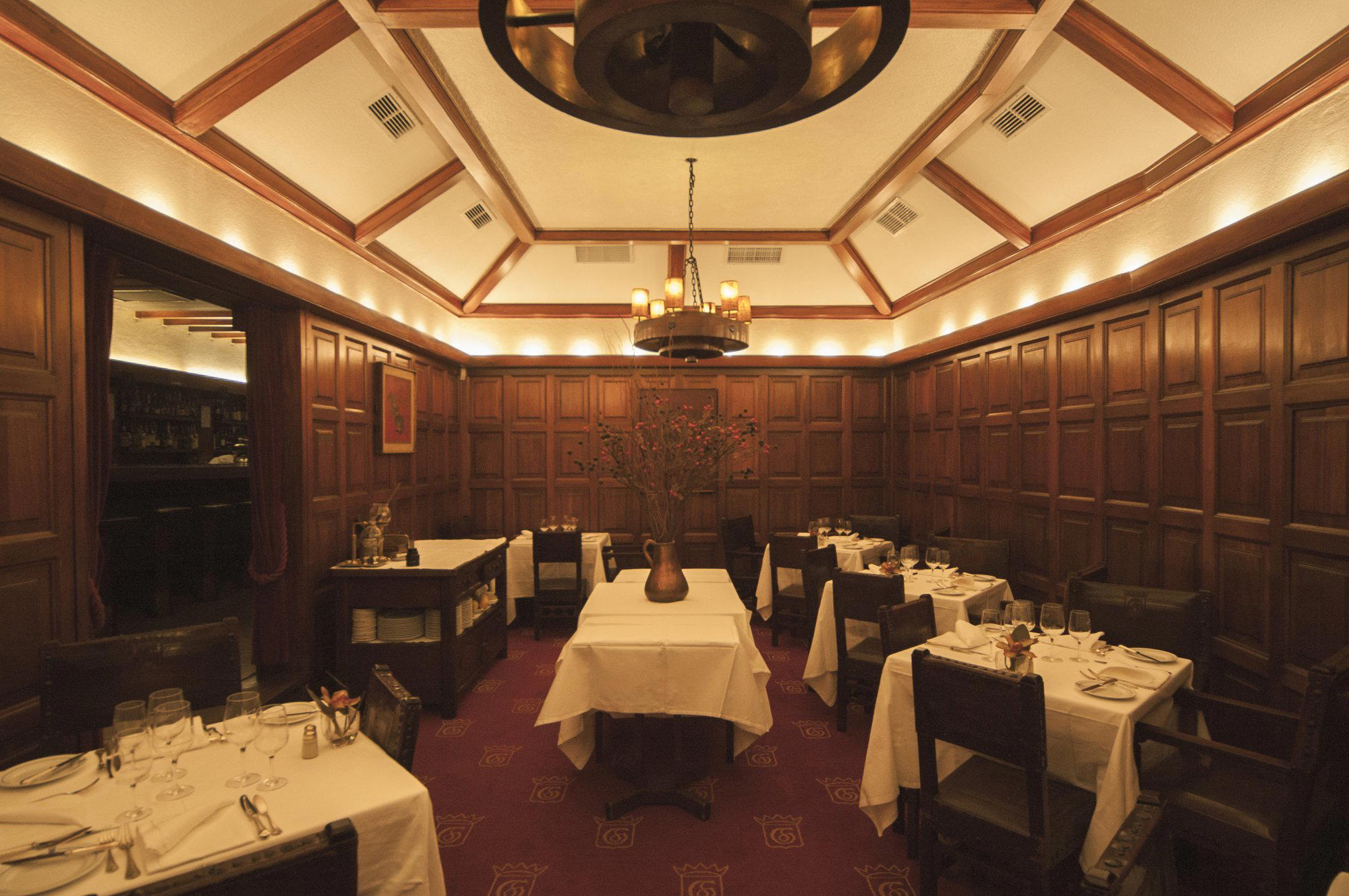
A Room That Remembers What Dining Rooms Were For
Rua das Portas de Santo Antão has been feeding Lisbon for longer than most of the city's celebrated restaurants have existed. The street runs north from the Restauradores square, lined with seafood houses and old-school tascas that predate the current era of tasting menus and Instagram-driven openings. Gambrinus sits at number 23, and the address alone locates it inside a specific tradition: pre-modernist, confidence-driven, anchored in the idea that a great restaurant is built around the dining room rather than the kitchen's ambitions alone.
Walking in, the register is immediately clear. The room is formal without being stiff — dark wood, white tablecloths, the low hum of professional service moving between tables. This is the kind of space that places weight on the act of eating: the table is the thing, not the backdrop. Lisbon's newer tasting-menu addresses, including Belcanto and CURA, operate on a different logic entirely, where the kitchen narrative drives the experience. Gambrinus inverts that hierarchy.
The Logic of the Classical Dining Room
In Lisbon, as in most European capitals, the gap between old-school grande salle restaurants and the Michelin tasting-menu circuit has widened considerably over the past decade. The latter category now clusters at the top of the price and prestige hierarchy: Eleven, 50 Seconds from Martin Berasategui, and the two-starred Belcanto each require advance planning and commitment to a fixed format. Gambrinus operates in a different tier — not in terms of quality, but in terms of format logic. The room accommodates à la carte dining in a tradition that prizes the guest's agency over the kitchen's narrative arc.
That distinction matters for how you read the service model. Front-of-house at restaurants like Gambrinus carries a different kind of weight than at tasting-menu counters. At a counter or progression-format table, the kitchen dictates the pace and the server's role is largely explanatory. In a classical à la carte room, the team has to read each table independently: pace a two-hour lunch differently from a three-hour dinner, handle a solo diner differently from a party of six, respond to what a guest actually wants rather than executing a pre-set sequence. The skill set is older and, in many ways, harder to maintain consistently.
Front-of-House as Craft, Not Support
The editorial angle on Gambrinus that gets missed in most contemporary coverage is that the dining room operation is itself the product. Across Portugal's higher-end restaurant circuit, the emphasis has shifted so heavily toward kitchen credentials that front-of-house professionalism has become almost invisible as a category of value. At Antiqvvm in Porto or The Yeatman in Vila Nova de Gaia, service is polished but ultimately in service of the kitchen's program. At Gambrinus, the relationship is reversed or at least balanced: the room team carries equal operational gravity.
This extends to how the wine program functions. A classical seafood room in Lisbon depends on a sommelier who understands that the guest choosing a plateau de fruits de mer is not necessarily interested in a lecture on Alentejo terroir. The skill is in reading the table: when to offer, when to recommend, when to simply confirm a choice and move on. Portugal's wine geography is genuinely complex, Vinho Verde, Colares, Setúbal, the Douro whites, and a competent sommelier in a room like this holds that geography lightly, deploying it when useful and setting it aside when it isn't.
Seafood in the Portuguese Classical Tradition
Portuguese seafood cookery at the classical end operates without the intervention-heavy tendencies that have come to define contemporary tasting menus. The country's Atlantic coastline and centuries of fishing culture produced a repertoire built on the integrity of the catch rather than transformation of it. A well-sourced percebes, a simply prepared bacalhau, or a grilled fish with olive oil and good salt can carry a table without the kitchen needing to announce itself at every course. This is the tradition Gambrinus occupies, and it is a tradition that requires sourcing discipline and restraint, neither of which is direct to maintain at volume in a city-centre dining room.
For context on where this sits in the broader Portuguese fine dining spectrum: the Michelin-starred addresses elsewhere in the country, Vila Joya in Albufeira, Ocean in Porches, Il Gallo d'Oro in Funchal, and Casa de Chá da Boa Nova in Leça da Palmeira, all operate in the progressive-modern register. Gambrinus positions itself outside that contest, which is a strategic choice as much as an aesthetic one.
Where Gambrinus Fits in Lisbon's Dining Circuit
Lisbon's current restaurant moment is disproportionately focused on the new: 2Monkeys in the creative register, the tasting-menu addresses climbing toward international recognition. The city's food press, and the international coverage that has followed Lisbon's broader tourism surge, tends to orbit these openings. Addresses like Gambrinus receive less column space precisely because they don't offer a narrative of reinvention.
That gap in coverage is, in practical terms, useful information. A restaurant that survives decades on Rua das Portas de Santo Antão without rebranding or repositioning is doing something consistently well enough to keep drawing the clientele that matters to it. The room's longevity is its own signal. For comparison, the international benchmarks for classical seafood dining at this level, Le Bernardin in New York City being the obvious reference, demonstrate that precision and restraint in seafood service carry their own category of prestige, distinct from the modernist tasting-menu circuit that dominates awards coverage. Atomix in New York City represents the opposite pole: maximum kitchen intervention, minimal à la carte agency. Gambrinus and Atomix are essentially arguing for different definitions of what a restaurant is for.
Planning Your Visit
Gambrinus sits at Rua das Portas de Santo Antão 23, within walking distance of the Restauradores metro station and easily combined with the broader Baixa-Chiado circuit. The street itself is worth understanding before you arrive: it functions as Lisbon's most concentrated dining corridor, with several long-running seafood houses operating in close proximity. Gambrinus is the address on the street with the longest institutional weight behind it. For those planning a broader Lisbon dining program, the full picture across restaurants, bars, hotels, and experiences is mapped across EP Club's Lisbon restaurants guide, Lisbon bars guide, Lisbon hotels guide, Lisbon wineries guide, and Lisbon experiences guide. Given the room's formality and the à la carte format, there is no fixed tasting commitment, which makes it a more flexible booking than most of the city's Michelin circuit. Reservations are advisable for dinner, particularly on weekends when the Restauradores-area foot traffic is at its highest.
How Gambrinus Lisbon compares with similar nearby venues.
| Venue | Cuisine | Price |
|---|---|---|
| Pinóquio | Seafood | Not listed |
| Varanda | Meats and Grills | $$$ |
Continue exploring
More in Lisbon
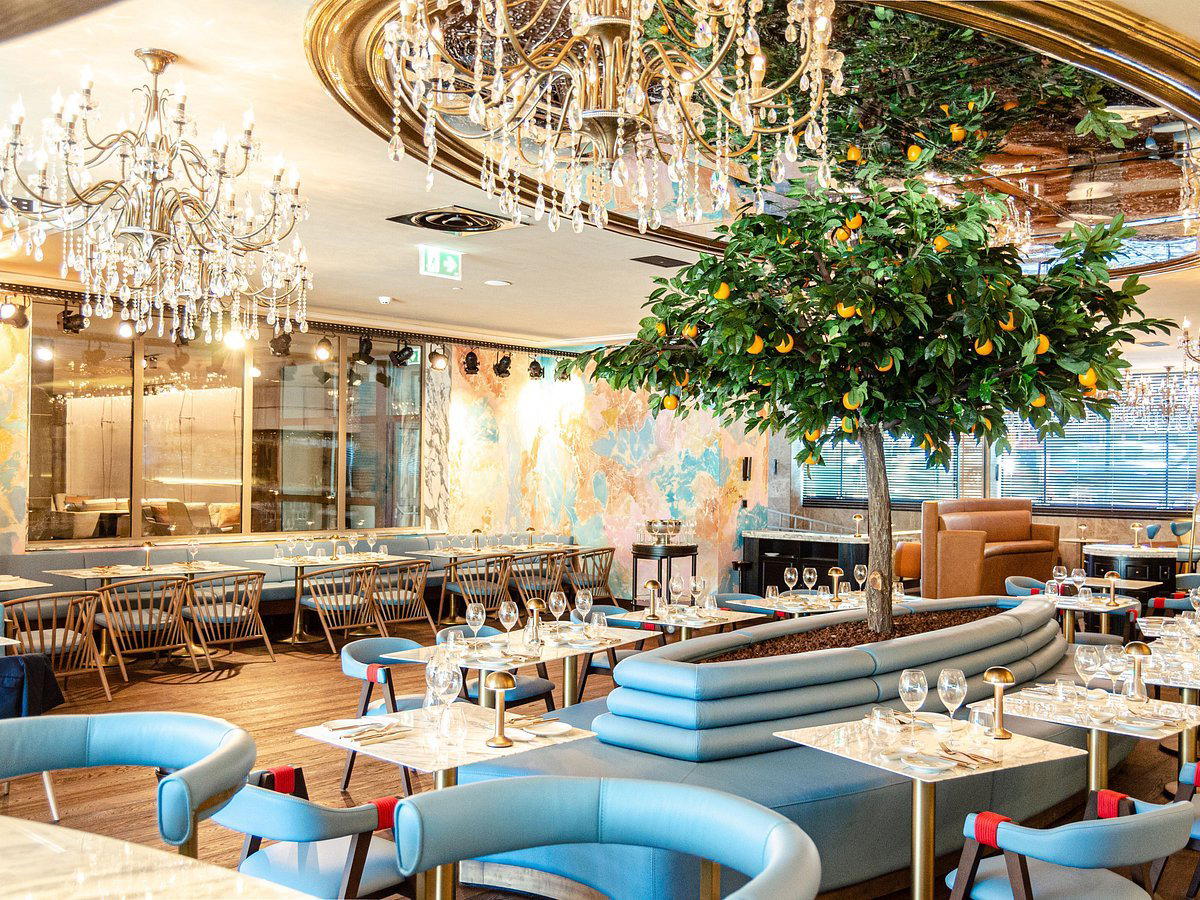
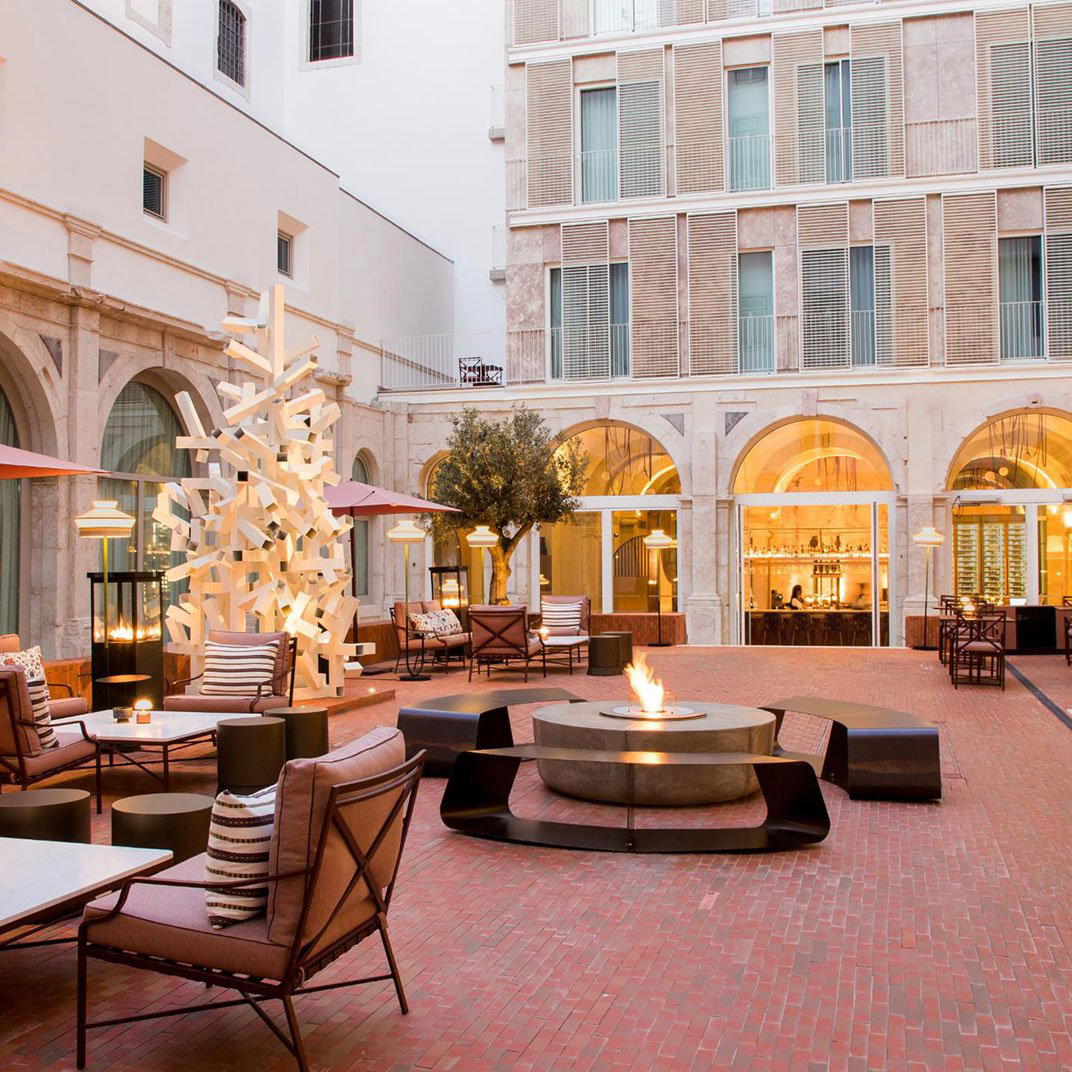
Restaurants in Lisbon
Browse all →
Bars in Lisbon
Browse all →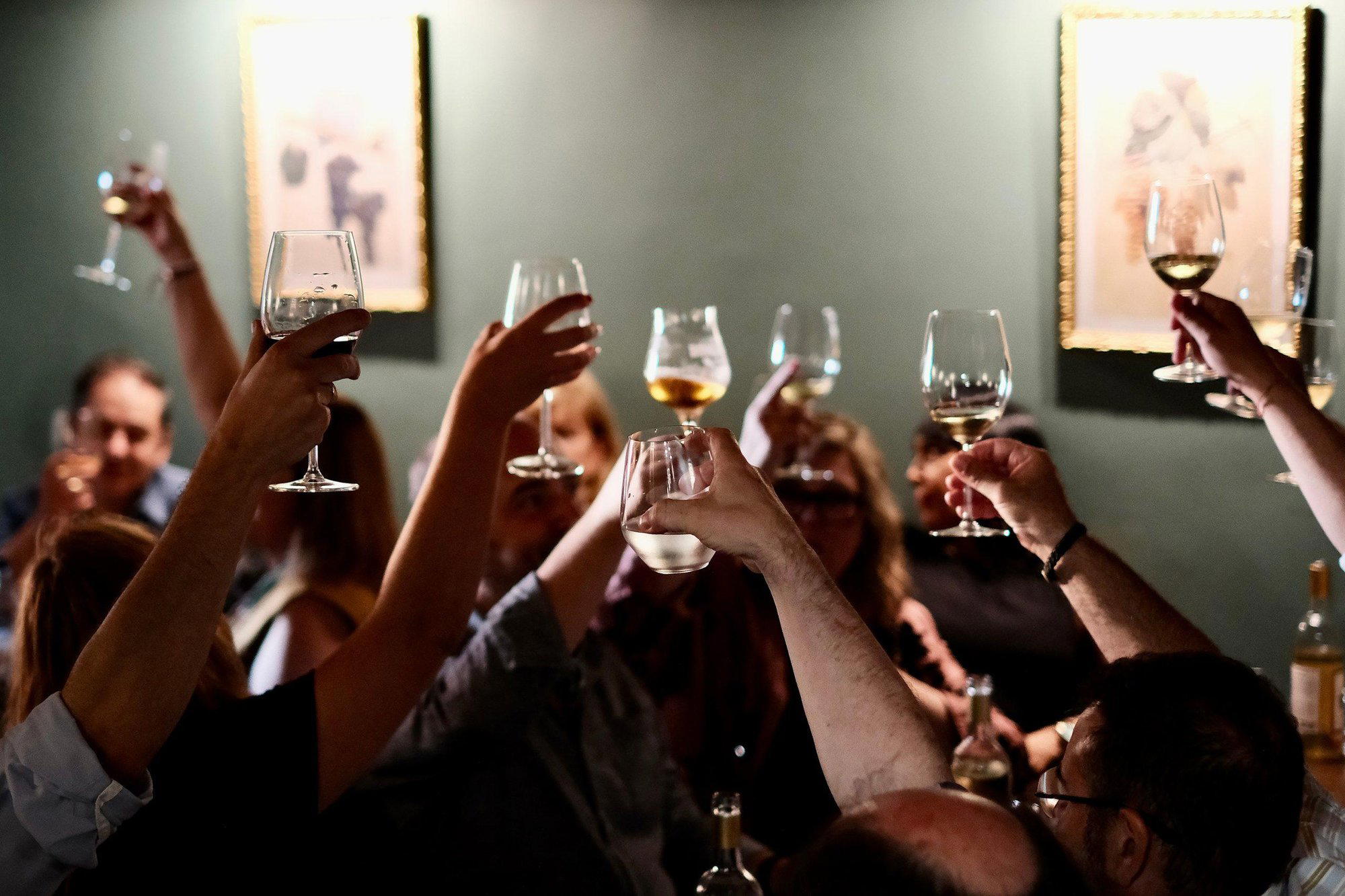
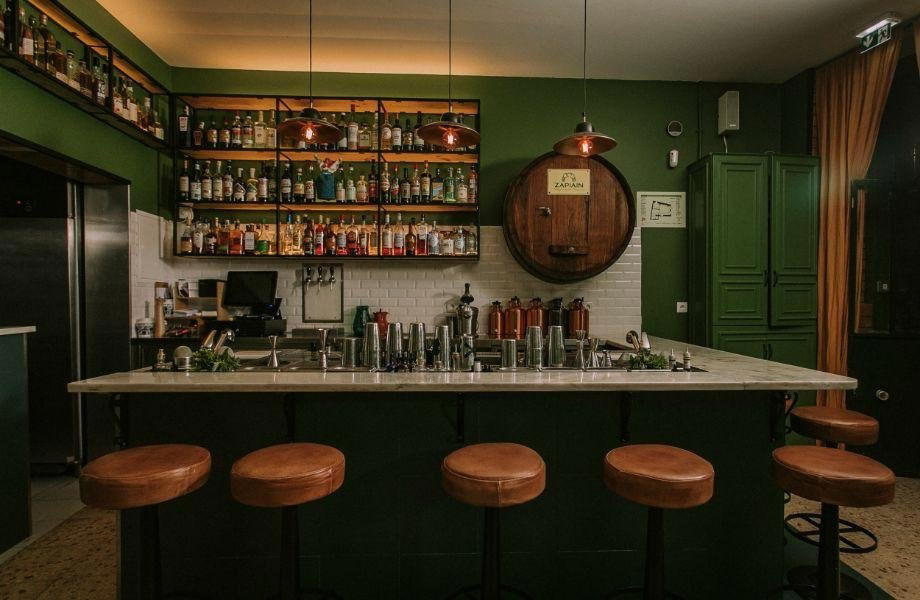
Hotels in Lisbon
Browse all →

At a Glance
- Classic
- Elegant
- Cozy
- Well Known
- Special Occasion
- Date Night
- Historic Building
- Extensive Wine List
Current opening hours
- Monday
- 12 PM–12 AM
- Tuesday
- 12 PM–12 AM
- Wednesday
- 12 PM–12 AM
- Thursday
- 12 PM–12 AM
- Friday
- 12 PM–12 AM
- Saturday
- 12 PM–12 AM
- Sunday
- 12 PM–12 AM
Hours can change for holidays and private events. Last verified .
Dark wooden paneling, vintage decor from 1964, cozy and charming atmosphere with oil paintings and stained glass, creating a timeless, traditional feel.
Know Before You Go
- Getting there
- R. das Portas de Santo Antão 23, 1150-264 Lisboa, Portugal