Fù Huì Huá

An eight-seat Mission District tasting counter named the San Francisco Chronicle's best new restaurant of 2025, Fù Huì Huá serves a four-hour Chinese-Japanese menu from a father-and-son kitchen. The wine and sake list is small but exceptionally well priced, and reservations are hard to secure (4/5).
Pearl is the En Primeur Club membership app — saves, bookings, and concierge access live there. Same editors, same standards.
- Address
- 2809 24th St, San Francisco, CA 94110
- Phone
- (415) 792-2768
- Website
- fuhuihua.com
- Directions
- Get directions
 Saves & bookings on Pearl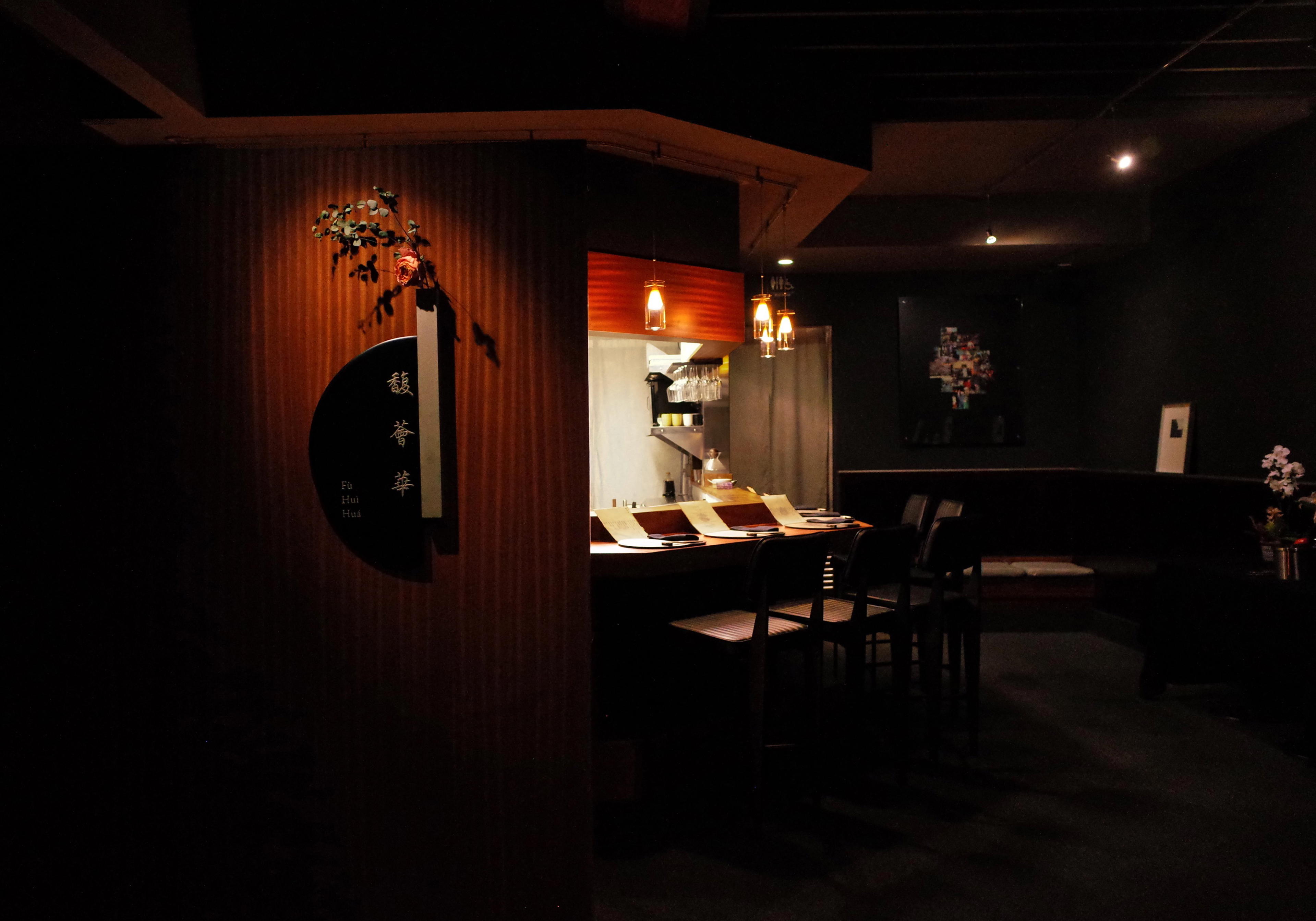
24th Street and What It Means for a Restaurant
The Mission District's 24th Street corridor has never operated on the same logic as Hayes Valley or the Financial District. It is a working neighbourhood with a dense food culture shaped by decades of Cantonese, Sichuan, and Central American cooking, where restaurants earn their place through consistency rather than concept. Fù Huì Huá, at 2809 24th St, enters this environment with the San Francisco Chronicle's Leading New Bay Area Restaurants recognition for 2025, a signal that points outward from the neighbourhood rather than simply within it.
That award matters more in context. The Chronicle's annual list functions as a cross-category barometer, drawing from price points and formats that Michelin's inspector framework often bypasses. Appearing on it in 2025 places Fù Huì Huá in a cohort that cuts across the city rather than inside a single dining tier. In a year when the Chronicle was tracking movement in neighbourhood restaurants with Chinese lineage, that placement carries editorial weight.
The Mission as a Stage for Chinese Cooking
San Francisco's relationship with Chinese cuisine is layered in ways that distinguish it from most American cities. The city has Chinatown, one of the oldest in North America, and the Richmond District's Clement Street, which operates as a second, more active Chinese food corridor. The Mission adds a third register: a neighbourhood where Chinese-American cooking intersects with Latin American food culture at street level, producing a set of restaurants that don't quite replicate what the Richmond or Chinatown offer.
This geographic dispersal is relevant to how a restaurant on 24th Street reads. It is not trying to anchor itself to an established Chinese dining cluster. The neighbourhood context gives it a different kind of freedom, and a different kind of pressure, because the immediate comparison set is eclectic rather than specialist. Restaurants in the Mission compete on atmosphere and execution across cuisines, not just within one.
That broader competitive environment separates Fù Huì Huá from the city's more insular fine dining circuit. San Francisco's upper tier, anchored by venues like Benu with its French-Chinese synthesis and three Michelin stars, or Atelier Crenn's three-star modern French program, operates in a different economic register and a different neighbourhood logic. Quince and Lazy Bear belong to the same insular world of $$$$ tasting menus where the booking infrastructure and the price point define the audience before the food does. Fù Huì Huá, at least as the Chronicle's recognition frames it, is doing something at a different altitude.
What Chronicle Recognition Signals in 2025
The San Francisco Chronicle's leading new restaurant selections have historically tracked where the city's dining energy is moving before Michelin catches up. Restaurants that appear on the list in their opening year frequently enter the Michelin ecosystem in subsequent cycles. That is not a guarantee, and the formats don't always translate, but the correlation is strong enough that Chronicle recognition functions as an early credentialing event in San Francisco's food press ecosystem.
In 2025 specifically, the list was notable for capturing Chinese and Chinese-American restaurants at a moment when that category is drawing more sustained critical attention nationally. Atomix in New York has demonstrated how Korean fine dining can sustain a peer conversation with French-technique restaurants at the highest price tier. That kind of repositioning is happening across Asian cuisines in American cities, and San Francisco, with its deep Chinese food history, is a natural site for it.
Whether the restaurant is operating in that register or at a more neighbourhood-accessible level is not determinable from the available record. What the Chronicle placement confirms is that the kitchen is producing food that critics are tracking, and that the 24th Street address has not limited its reach.
Placing Fù Huì Huá in the Wider Circuit
For readers arriving from outside San Francisco, the city's restaurant hierarchy has a few reliable reference points. Saison and The French Laundry in Napa define the ceiling of the Bay Area fine dining conversation. Single Thread Farm in Healdsburg represents a different model: an ingredient-led, multi-course format with a hospitality program that extends to a hotel. These are the anchor references for what serious cooking looks like in the region.
The restaurant sits in a different part of that map. It belongs to the category of restaurants that earn national recognition without operating at that price point or scale, closer in its position to the kind of neighbourhood-rooted critical darling that cities like Chicago (Alinea notwithstanding) and Los Angeles (Providence being the formal anchor) tend to produce in their more accessible dining tiers. The international comparison set, including 8½ Otto e Mezzo Bombana in Hong Kong or Le Bernardin in New York, operates on a different axis entirely, but the category logic is useful: restaurants earn their reputation either through institutional credentialing or through sustained critical and popular recognition at the neighbourhood level. The restaurant is accumulating the latter.
For those building a San Francisco itinerary, the 24th Street address places the restaurant in a part of the city that rewards walking. The Mission's food density means a meal at the restaurant can sit inside a broader neighbourhood evening rather than requiring a dedicated trip. That practical geography is part of what makes restaurants on this corridor work differently from those in SoMa or the Financial District, where dining tends to be more deliberate and less spontaneous.
For the wider San Francisco picture, see our full San Francisco restaurants guide, alongside hotels, bars, wineries, and experiences coverage for the city. If you're extending the trip to the wider Bay Area, Emeril's in New Orleans makes for an interesting point of comparison on how a city's signature cuisine evolves under critical attention over decades.
Know Before You Go
- Address: 2809 24th St, San Francisco, CA 94110
- Neighbourhood: Mission District
- Recognition: San Francisco Chronicle Leading New Bay Area Restaurants, 2025
- Booking: Check the restaurant directly; no online booking platform confirmed
- Getting there: The 24th Street BART station serves the corridor; street parking is available but competitive in the evening
Compact Comparison
Comparable venues nearby, for context on price, style, and recognition.
| Venue | Cuisine | Price | Notes |
|---|---|---|---|
| Fù Huì HuáThis venue — the venue you are viewing | Not listed | $$$$ | Not listed |
| Eight Tables by George Chen | Not listed | $$$$ | Chinatown, Modern Chinese Private Chateau Cuisine |
| Hakkasan | Financial District, Modern Cantonese | $$$$ | Not listed |
| HK Lounge Bistro | South of Market, Hong Kong-Style Dim Sum | $$ | Not listed |
| Campton Place | Not listed | $$$$ | Financial District/South Beach, Modern Indian Fine Dining |
| One Market Restaurant | Not listed | $$$$ | Financial District/South Beach, Contemporary American Fine Dining |
Recognition history
Dated appearances from independent guides and award organizations, with the underlying list record or original source where available.
San Francisco Chronicle Top 100 Bay Area Restaurants #10
San Francisco Chronicle
San Francisco Chronicle Best New Bay Area Restaurants
San Francisco Chronicle
Continue exploring
More in San Francisco
Restaurants in San Francisco
Browse all →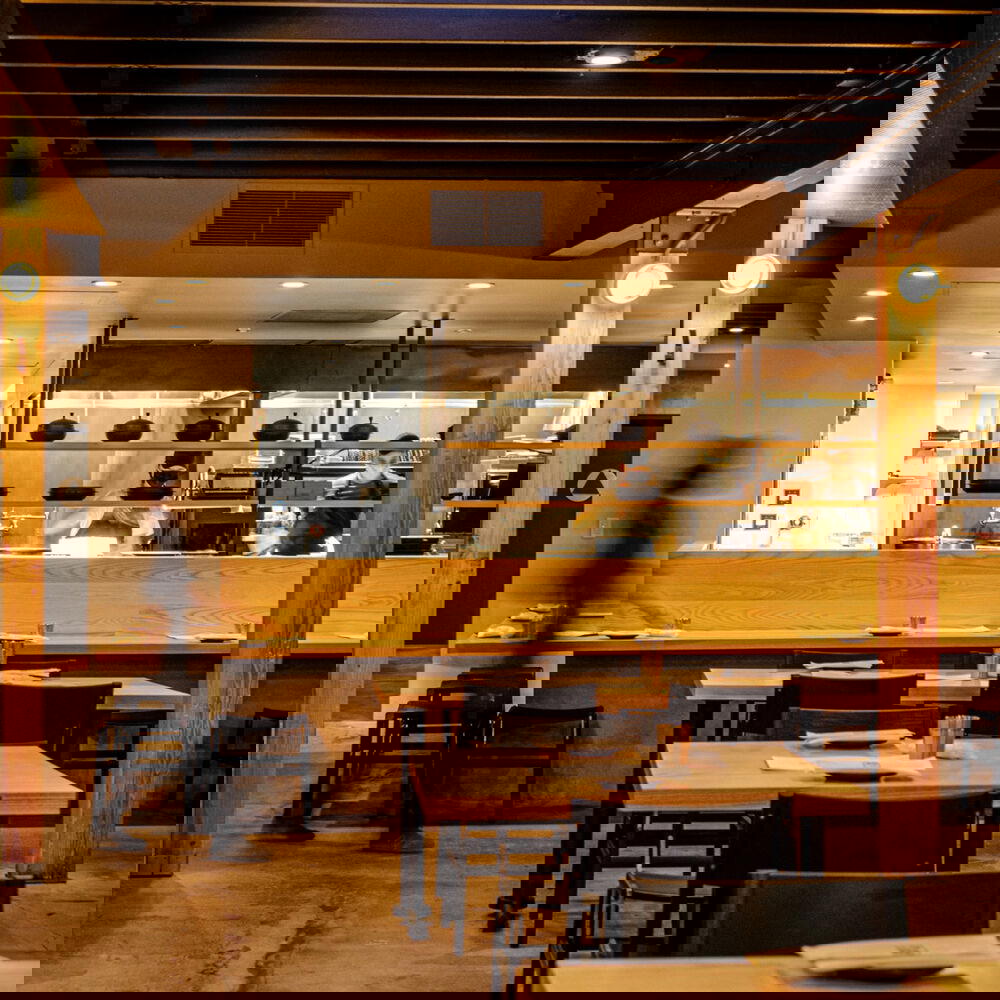
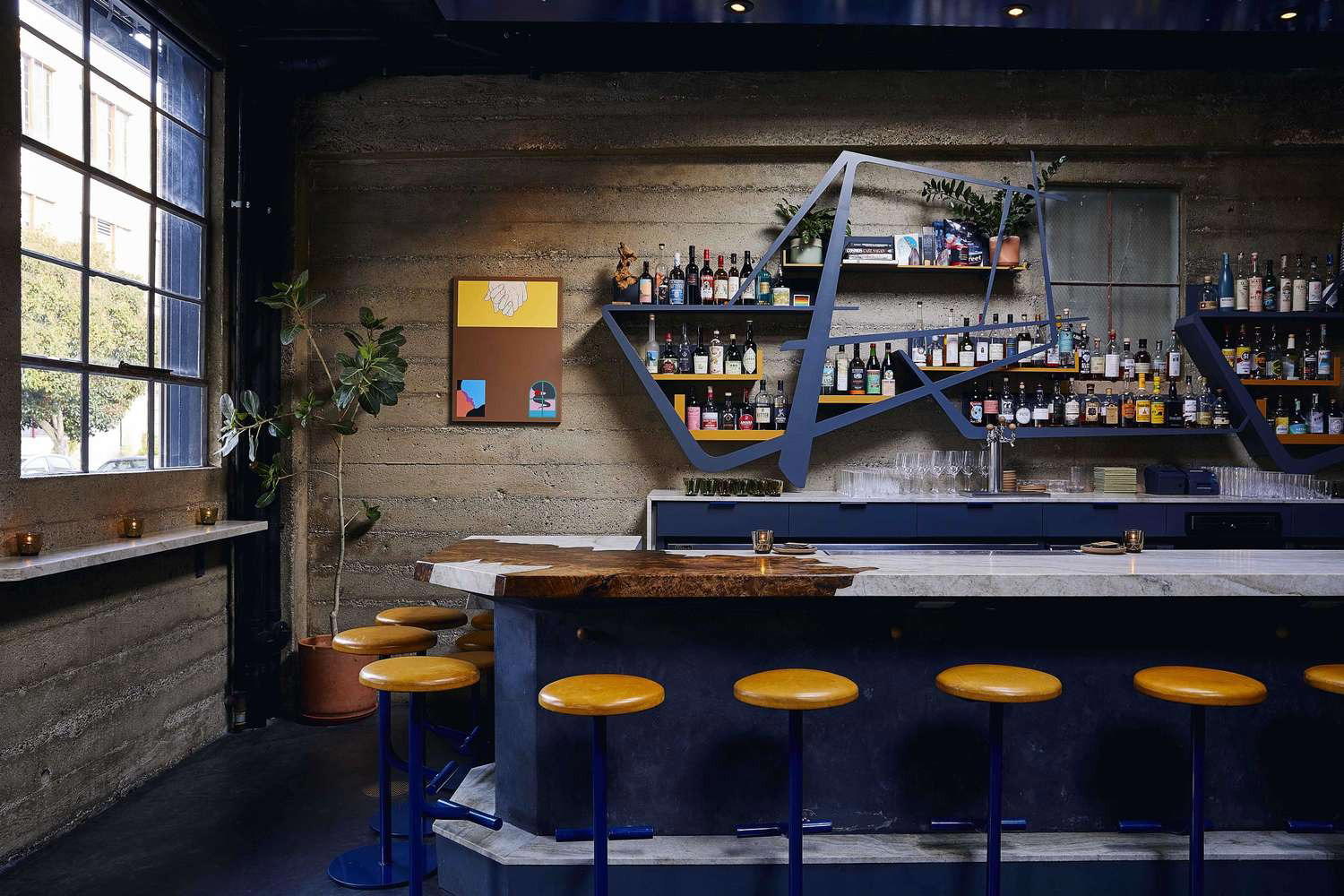
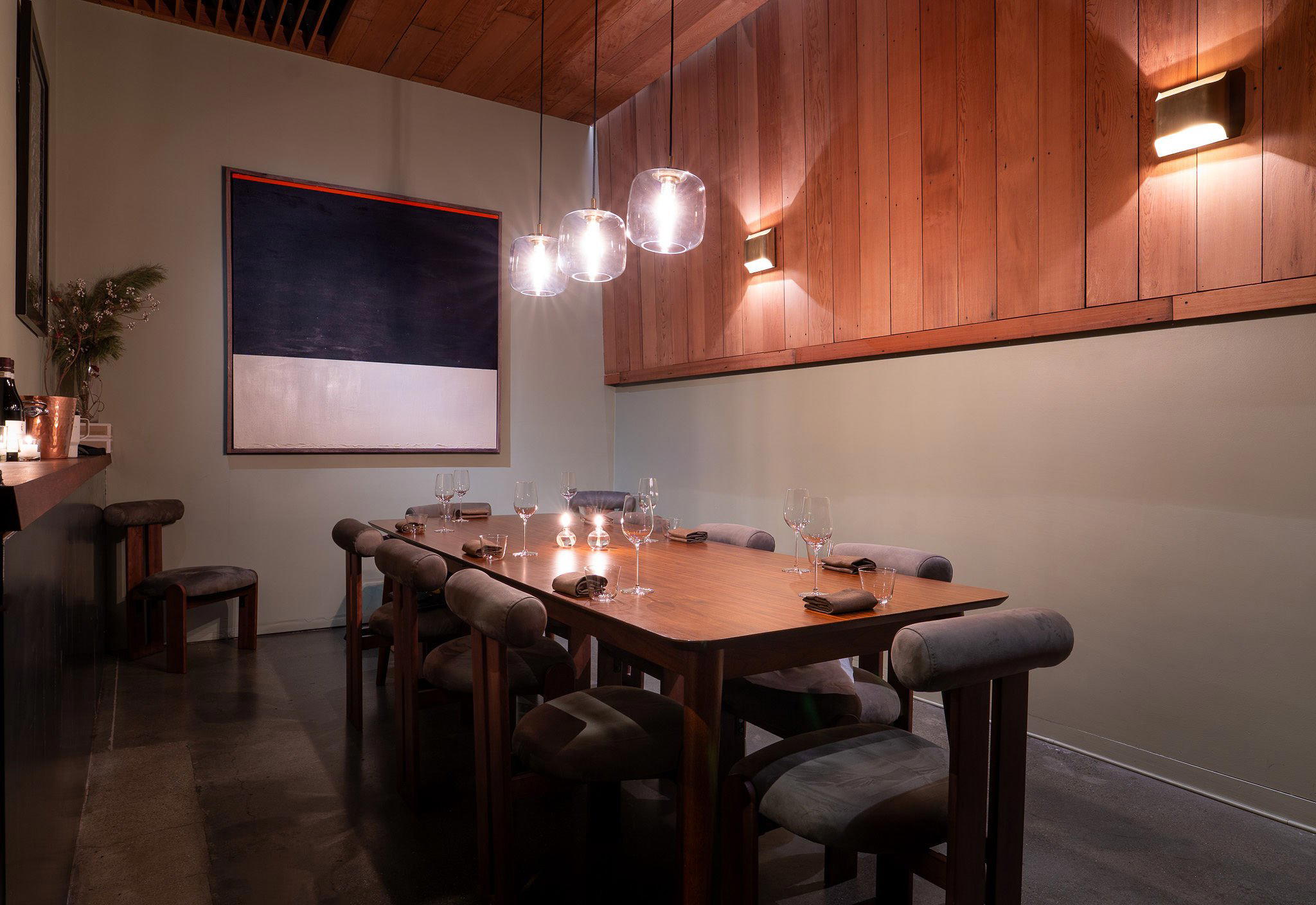
Bars in San Francisco
Browse all →
Hotels in San Francisco
Browse all →

At a Glance
- Intimate
- Elegant
- Sophisticated
- Special Occasion
- Date Night
- Chefs Counter
- Open Kitchen
- Sake Program
Current opening hours
- Monday
- Closed
- Tuesday
- Closed
- Wednesday
- 6:30–9:30 PM
- Thursday
- 6:30–9:30 PM
- Friday
- 5–11 PM
- Saturday
- 5–11 PM
- Sunday
- 5–11 PM
Hours can change for holidays and private events. Last verified .
Intimate, dimly-lit open kitchen counter with no windows; the kitchen itself is the focal point of the dining experience.