Forsythia

Michelin Plate
Our verdict
Open since 2019, Forsythia at 233 Chestnut St. is Philadelphia's most committed French bistro, where Chef Christopher Kearse applies classical technique to escargot, dry-aged duck, and halibut poached in olive oil. The relaxed room, tile floors, globe lights, open kitchen, makes the cooking feel approachable without softening its ambitions. A front bar offers a shorter snacks-and-drinks format for those who want a lower-commitment entry point.

Pearl is the En Primeur Club membership app, where members save venues, book tables and use the concierge.

The menu
What to order
- Duck breast
- Deviled eggs
- Agnolotti
- Tuna collar
French Cooking, Unfiltered, in Old City Philadelphia
Old City sits on ground that predates American independence, but its dining scene has spent the past decade accumulating something less historical: a genuine argument for seriousness. Along Chestnut Street, between the tourist drag of Independence Mall and the quieter residential blocks to the east, a handful of kitchens have pushed the neighbourhood toward a harder culinary conversation. Forsythia, which opened in 2019 at 233 Chestnut St. is the clearest example of what that looks like when the commitment is French.
French bistro cooking in American cities tends to follow one of two paths. The first is nostalgic recreation: checked tablecloths, Edith Piaf on loop, a menu that mistakes familiarity for depth. The second, rarer, is a kitchen that takes the French tradition as a living technical discipline rather than a costume. Forsythia belongs firmly in the second camp. Chef Christopher Kearse runs an unambiguous program here, not French-inflected, not French-adjacent, but French in the way that demands a serious knowledge of classical method to execute properly. In a Philadelphia dining scene that has historically favoured New American flexibility (see Fork and Friday Saturday Sunday for how that mode plays out at the upper end), that kind of commitment to a single culinary tradition is notable.
What the Room Tells You Before the Menu Arrives
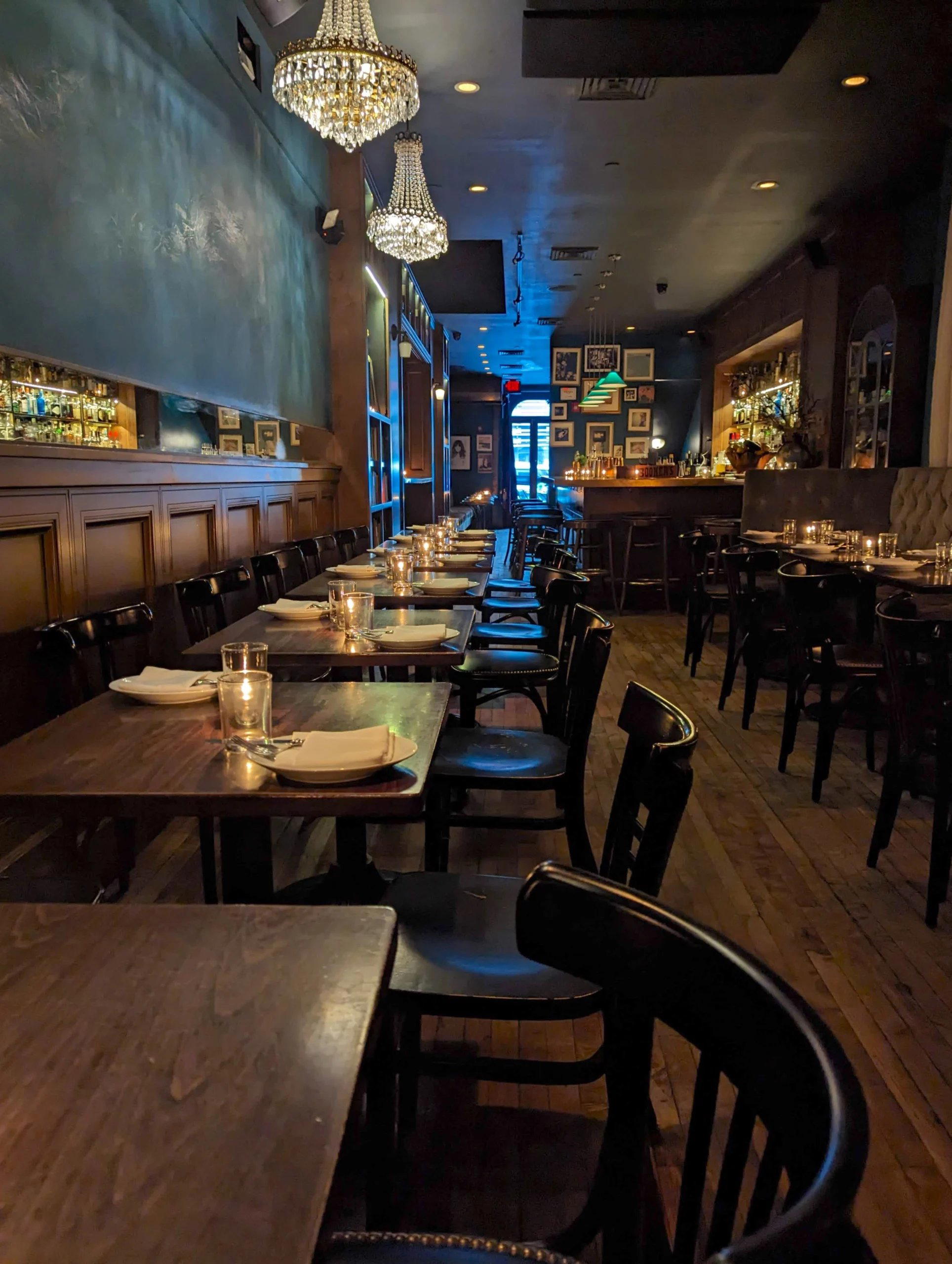
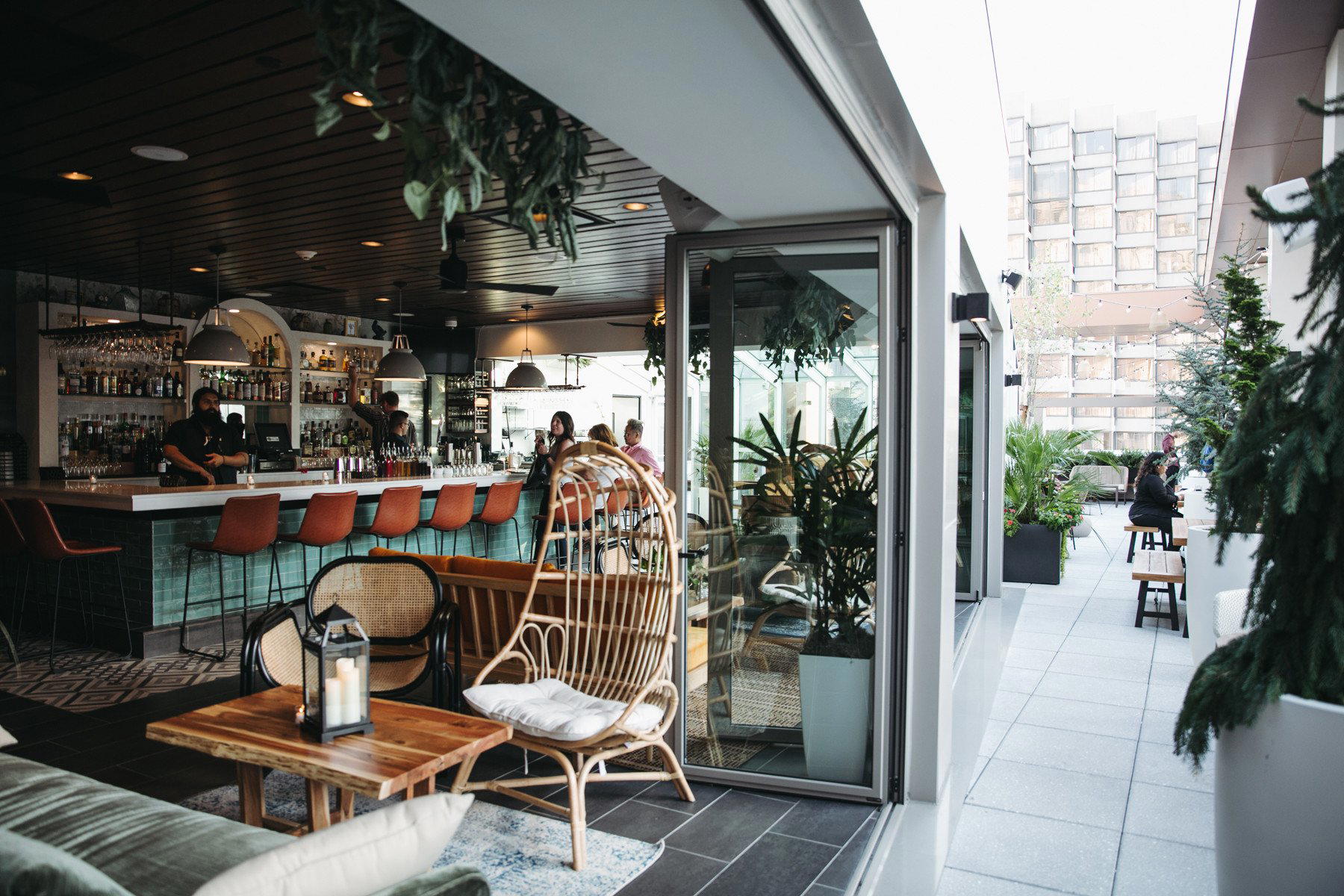
The physical environment at Forsythia is deliberate in its restraint. Tile flooring, globe pendant lights, and plain wooden tables avoid the kind of design theatrics that often substitute for kitchen ambition in newer American restaurants. The effect is a room that reads as a proper bistro rather than a concept. There is a front bar section near the entrance, separated functionally from the main dining room that sits further in. That division matters: the bar accommodates a shorter, snack-driven visit, while the dining room offers sightlines directly into the open kitchen, which becomes its own form of transparency about what the kitchen is doing and how.
For a restaurant with serious French ambitions, the atmosphere is notably relaxed. This is not the hushed formality of a three-star dining room, more accessible in feel to a neighbourhood brasserie in Lyon than to the studied reverence of, say, The French Laundry in Napa or Alain Ducasse's Louis XV in Monte Carlo. That positioning is a choice, not a compromise: it allows the cooking to carry the restaurant's ambition without requiring the diner to perform a corresponding level of occasion.
The French Tradition on the Plate
The menu at Forsythia works as a case study in what classical French technique looks like when it is applied with confidence rather than reverence. Escargot with Pernod-almond butter is a dish that most American kitchens treat as a relic; here it reads as a baseline test of the kitchen's relationship with classical aromatics. Tempura frog legs with saffron aioli is a more technically hybrid preparation, but the saffron aioli signals that the kitchen is working within a southern French register rather than drifting into fusion territory.
The yellow corn vichyssoise with crab is the kind of dish that illustrates why French technique transfers well across seasonal ingredient sets. Vichyssoise is cold, smooth, and built around the principle that a properly made stock and careful temperature management can carry modest ingredients into something precise. Adding local crab is not a statement about American identity; it is a practical application of a French technique to what is available.
Main course list demonstrates the kitchen's range in protein handling. Dry-aged duck is a process-intensive preparation that rewards only kitchens willing to manage aging conditions and adjust technique to the denser, more concentrated flesh. Halibut poached in olive oil is a different technical register entirely, demanding temperature precision to prevent the fish from seizing or going chalky. Both dishes appearing on the same menu, executed well, signals a kitchen that is genuinely fluent rather than selectively confident. For context on how French technique operates at the highest tiers of American fine dining, the approaches at Le Bernardin in New York City provide a useful reference point for the demands of seafood precision in particular.
Desserts follow the same logic. Chocolate mousse is a canonical test of aeration discipline. Peach and apricot mille-feuille requires clean lamination and the kind of pastry judgment that most American bistros outsource or skip. Their presence on the menu is not incidental; it suggests that the kitchen treats the full arc of service as a coherent argument.
Forsythia in the Philadelphia Dining Context
Philadelphia has developed a dining scene that rewards specificity. The city's most interesting restaurants tend to have a clear point of view: Mawn works within Cambodian and Pan-Asian traditions with similar commitment; South Philly Barbacoa has built its reputation around a single Mexican regional tradition executed with unusual depth. My Loup, which also works within a French-inspired frame, offers a useful comparison for how different kitchens in the same city can approach related culinary territory from distinct angles.
Forsythia's French commitment places it in a smaller tier within this scene. The competition for classical French cooking at the bistro level in Philadelphia is not deep, which gives Forsythia a fairly clear position: it is where you go in the city when the intention is French cooking without apology or dilution. For the record, restaurants operating at more technically extreme or format-driven ends of the spectrum, Alinea in Chicago, Lazy Bear in San Francisco, or 8 1/2 Otto e Mezzo Bombana in Hong Kong, represent a different category of proposition and should not be used as price or format comparisons for Forsythia's bistro-register ambitions.
Planning a Visit
Forsythia is at 233 Chestnut St. in Old City, a walkable neighbourhood served by multiple SEPTA bus routes and within reasonable distance of the Market-Frankford Line at 2nd Street station. For current hours, reservation availability, and pricing, checking directly with the restaurant is advisable, as these details shift seasonally. The front bar offers the most flexible entry point for a first visit, particularly for those who want to assess the kitchen's register before committing to a full dining room experience. For broader planning context across the city, consult our full Philadelphia restaurants guide, our full Philadelphia hotels guide, our full Philadelphia bars guide, our full Philadelphia wineries guide, and our full Philadelphia experiences guide.
Frequently asked questions
How do I find Forsythia?
Forsythia is located at 233 Chestnut St. Philadelphia.
What awards or recognition does Forsythia have?
Forsythia has received recognition including: For an unabashed, full-steam-ahead celebration of French cooking, look to Chef Christopher Kearse at this relaxed, modern bistro. Cute tile flooring, globe lights and simple tables set the stage for tempura frog legs with saffron aioli, esc….
What dish is Forsythia famous for?
Forsythia is most closely associated with its tempura frog legs with saffron aioli and escargot with Pernod-almond butter, both of which appear consistently in editorial coverage as signatures of Chef Christopher Kearse's French approach. The dry-aged duck and halibut poached in olive oil are the kind of main-course moves that show a kitchen comfortable with classical technique rather than novelty.
Can I walk in to Forsythia?
Bar seats at the front of 233 Chestnut St. are typically available for walk-ins looking for snacks and drinks, making that the more accessible option on short notice. The dining room further in, with its open-kitchen views, draws a reservation crowd, so walk-in availability there depends on the night.
What do critics highlight about Forsythia?
Michelin recognition for Forsythia points specifically to Chef Christopher Kearse's "full-steam-ahead" commitment to French cooking and the kitchen's confident execution of dishes like yellow corn vichyssoise with crab and peach and apricot mille-feuille. The room itself, with its tile flooring and globe lights, reads as deliberately unfussy, which critics note keeps focus squarely on the cooking.
How does Forsythia handle allergies?
Forsythia's menu draws from classical French technique, with ingredients like shellfish, dairy, tree nuts, and gluten appearing across multiple dishes, including the Pernod-almond butter escargot and mille-feuille.
Is Forsythia a good option for a French tasting menu experience in Philadelphia?
Forsythia operates as a modern bistro rather than a formal tasting-menu restaurant, which distinguishes it from Philadelphia's more ceremony-driven French dining options. Chef Christopher Kearse's menu at 233 Chestnut St. offers composed à la carte dishes, from escargot and frog legs to dry-aged duck and chocolate mousse, that collectively read as a coherent statement on French cooking without requiring a multi-hour commitment. Michelin coverage has flagged this balance as one of the restaurant's defining traits since it opened in 2019.
A Pricing-First Comparison
Comparable venues nearby, for context on price, style, and recognition.
| Venue | Cuisine | Price | Awards | Notes |
|---|---|---|---|---|
| ForsythiaThis venue (the venue you are viewing) | Modern French Bistro | $50–100 | Michelin Plate | Not listed |
| Little Water | Modern Coastal Seafood | $100–150 | Michelin Plate · James Beard Award Semi Finalist | Rittenhouse Square, Modern Coastal Seafood |
| Pyramid Club | Contemporary American Fine Dining | $50–100 | Not listed | Logan Square, Contemporary American Fine Dining |
| NaBrasa Brazilian Steakhouse | Brazilian Churrasco Steakhouse | $50–100 | Not listed | Logan Square, Brazilian Churrasco Steakhouse |
| Vedge | Modern Vegan Vegetable Fine Dining | $50–100 | Michelin Plate · We're Smart World 3 Radishes | Gayborhood, Modern Vegan Vegetable Fine Dining |
| Roxanne | Experimental American Tasting Menu | $100–150 | Michelin Plate · Esquire Best New Restaurants #40 | South Street, Experimental American Tasting Menu |
Recognition history
Dated appearances from independent guides and award organizations, with the underlying list record or original source where available.
Michelin Plate
Michelin · 2026 Michelin Plate
Continue exploring
More in Philadelphia
Restaurants in Philadelphia
All restaurants in Philadelphia →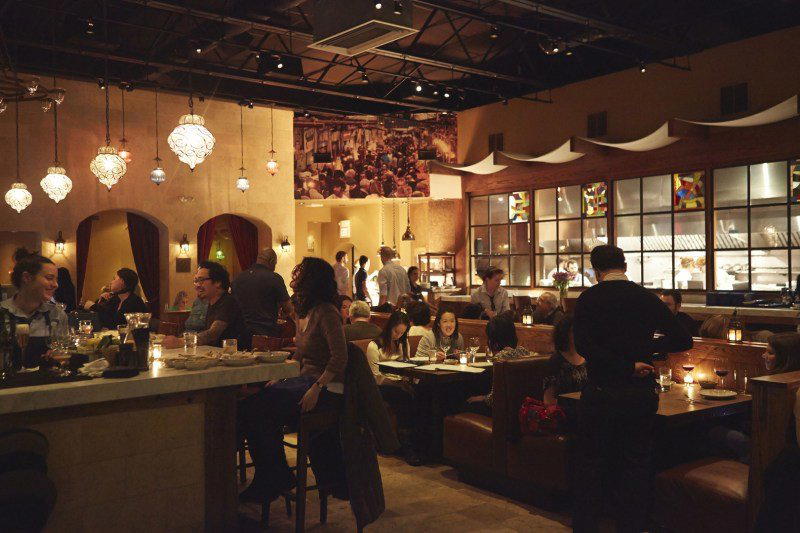
Bars in Philadelphia
All bars in Philadelphia →
Details
- Cozy
- Elegant
- Modern
- Intimate
- Sophisticated
- Date Night
- Special Occasion
- Business Dinner
- Open Kitchen
- Craft Cocktails
- Extensive Wine List
- Local Sourcing
- A La Carte
- Small Plates
- Tasting Menu
- Gluten Free Options
Current opening hours
- Monday
- 5–10 PM
- Tuesday
- 5–10 PM
- Wednesday
- 5–10 PM
- Thursday
- 5–10 PM
- Friday
- 5–10 PM
- Saturday
- 5–10 PM
- Sunday
- 5–9 PM
Hours can change for holidays and private events. Hours as of .
Warm, cozy atmosphere with interesting design, plants, black and white tile flooring, hanging globe lighting, and eclectic music creating a relaxed yet elegant vibe.