Floating Market sits within The St. Regis Mauritius Resort on the Le Morne Peninsula, drawing on the island's layered ingredient traditions to shape a dining experience rooted in place. The setting frames the southwestern coastline with a directness that few resort restaurants on the island match. For the broader Mauritius dining picture, EP Club's full restaurant coverage provides essential context.
Pearl is the En Primeur Club membership app — saves, bookings, and concierge access live there. Same editors, same standards.
- Address
- The St. Regis Mauritius Resort, Le Morne Peninsula, Le Morne, Mauritius, MU, Mauritius
- Phone
- +66 2 422 4270
- Directions
- Get directions
 Saves & bookings on Pearl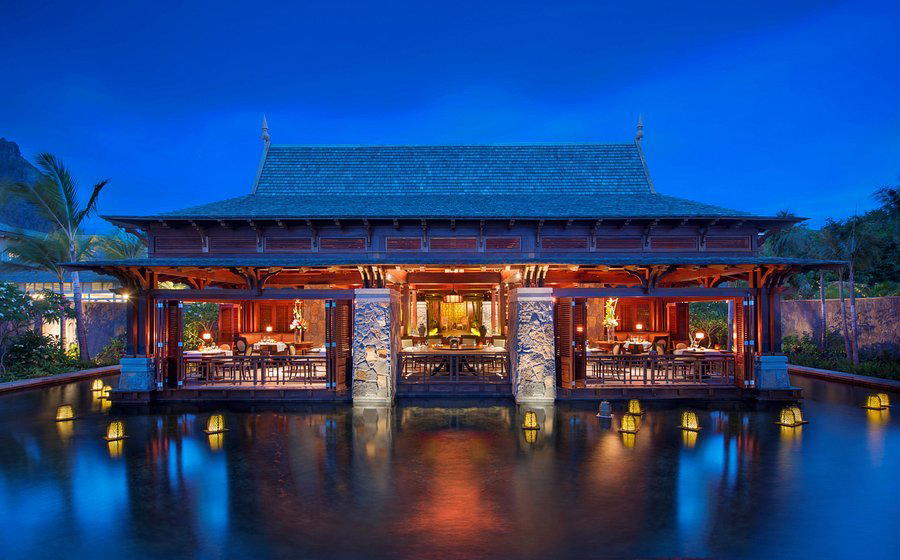
Where the Southwest Coast Sets the Table
Floating Market is a restaurant at The St. Regis Mauritius Resort in Le Morne, Mauritius, with a price tier around US$40 per person. The basalt monolith at its tip is a UNESCO World Heritage Site, and the coastline running south from the peninsula trades the busier beach clusters of Belle Mare and Grand Baie for a quieter, wind-shaped shoreline. Restaurants that operate in this corridor work with a different set of conditions than those further north: more isolation, stronger seasonal trade winds, and an ingredient supply chain that draws heavily on the island's southwestern fishing communities and smallholder farms rather than the centralised wholesale markets near Port Louis.
Floating Market, positioned within The St. Regis Mauritius Resort on the Le Morne Peninsula, sits inside that context. Resort dining in Mauritius has historically divided between two modes: international menus calibrated for risk-averse hotel guests, and more serious kitchens that treat the island's Creole, Indian, Chinese, and French inheritance as source material worth engaging with directly. The better addresses in the second category, including Archipel at Constance Prince Maurice and Blue Penny Cellar at Constance Belle Mare Plage, have pushed resort food toward a more grounded relationship with local producers. Floating Market operates within that broader shift.
The Sourcing Logic Behind Island Cooking
Mauritius occupies a specific agricultural and oceanic position that shapes what serious kitchens on the island can do with local ingredients. The island's fishing grounds support a meaningful catch of reef and pelagic species, including vacoas, capitaine, and the various tuna varieties that move through the warm Indian Ocean waters year-round. The inland plateau, particularly around Curepipe and the central highlands, produces tropical fruits, leafy vegetables, and the cane sugar that underpins the island's sweetening traditions. Further south, toward the Black River district where Le Morne sits, smallholder plots contribute chilies, gourds, and aromatic herbs that feed directly into Creole cooking.
This layered supply network is what makes the island's culinary inheritance coherent rather than arbitrary. Mauritius absorbed successive waves of influence: French colonial administration, Indian indentured labour, Chinese merchant communities, and the indigenous Creole population. Each group arrived with its own preserving, spicing, and cooking techniques. What resulted is a cuisine that uses the same locally-sourced fish or vegetable differently depending on which tradition the cook is working from. A capitaine fillet might arrive browned in butter with a court bouillon reduction in one context, or braised in a tamarind and chili rougaille in another. The raw material is the same; the culinary logic shifts entirely.
For other examples of how Mauritius's dining scene handles this kind of multicultural ingredient inheritance, Spoon des Iles in Ile Maurice and La Maison 20 Degrés Sud in Pointe aux Canonniers each take distinct positions on how much Western technique should frame local ingredients.
The Setting and What It Signals
The name references a trading format with deep roots across the Indian Ocean region. Floating markets, associated most immediately with Southeast Asian waterways but present in various forms across maritime trading cultures, operate on the logic of the boat as the point of sale: ingredients moving directly from water to buyer, with minimal distance between source and transaction. Applied to a resort restaurant in Mauritius, the reference carries a claim about proximity to supply and the informality of market culture, two values that the better dining options on the island have increasingly made central to their identity.
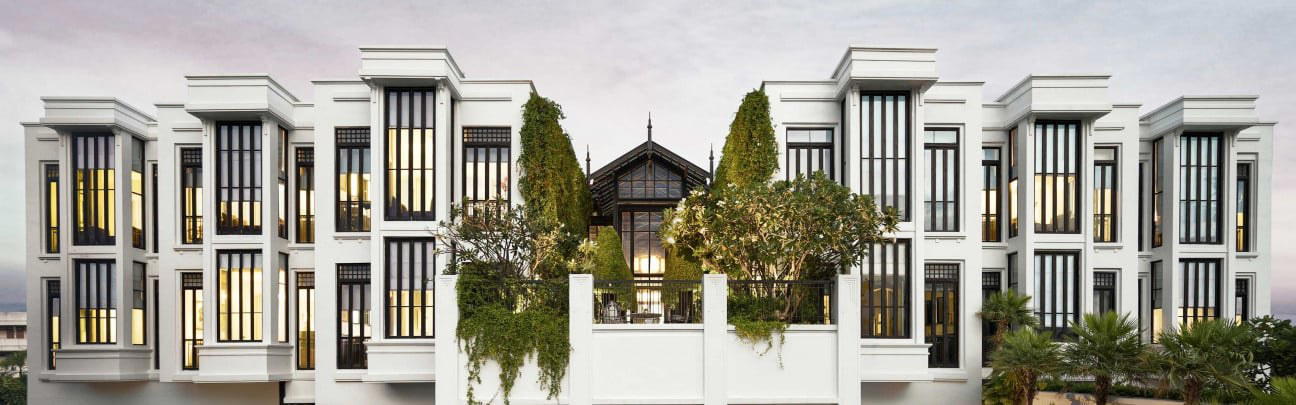
The St. Regis brand positions itself at the upper end of international resort categories, and the Le Morne property reflects that: a low-density layout, direct access to one of the southwestern coast's longer beaches, and the kind of architectural attention to setting that distinguishes properties conceived for a specific landscape rather than assembled from a standard resort kit. For guests staying at the resort, the restaurant functions as a primary dining anchor. For visitors coming specifically for dinner, the Le Morne Peninsula requires a drive from most of the island's other accommodation clusters, a logistical consideration that shapes when and how the restaurant is used.
Comparisons to island peers like One & Only, Le Saint Géran in Belle Mare or the wine-focused offer at Archipel Wine Cellar in Pointe de Flacq reveal how differently each coastal resort property has chosen to frame its food and beverage identity. At Le Morne, the market concept suggests an emphasis on daily availability and ingredient-driven flexibility rather than fixed tasting formats.
Le Morne in the Wider Mauritius Dining Order
Mauritius's premium dining tier is not geographically centralised. The east coast corridor around Poste de Flacq and Belle Mare holds several of the island's most serious kitchens, including Blue Penny Cellar in Poste de Flacq. The north, around Grand Baie and Pointe aux Canonniers, holds the island's most concentrated independent restaurant scene. The southwest, anchored by Le Morne, is more resort-dependent: the area has fewer standalone restaurants and a higher proportion of dining that happens within hotel grounds.
That structure places more weight on individual resort kitchens in the region. Simply India in Le Morne is among the other dining options in the immediate area, representing the Indian strand of the island's culinary inheritance. For visitors staying on the peninsula, the practical dining options within a short distance are limited, which means resort restaurants carry more consequence than they would in a neighbourhood with several independent alternatives nearby.
Planning a Visit
The restaurant sits within The St. Regis Mauritius Resort on the Le Morne Peninsula, accessed via the southwestern coastal road. Non-resident guests should contact the resort directly to confirm dining availability, as resort restaurants in this category often prioritise in-house guests during peak periods. Booking ahead is recommended.
Comparable Venues
Comparable venues nearby, for context on price, style, and recognition.
| Venue | Cuisine | Price | Notes |
|---|---|---|---|
| Floating MarketThis venue — the venue you are viewing | Pan-Asian Fusion (Thai, Malay, Vietnamese, Indonesian, Singaporean) | $$$ | Not listed |
| Archipel at Constance Prince Maurice | Modern Mauritian Fusion Fine Dining | $$$$ | Pointe de Flacq |
| Blue Penny Cellar at Constance Belle Mare Plage | French Bistronomy with Wine Cellar Experience | $$$$ | Pointe de Flacq |
| Archipel Wine Cellar | Contemporary International with Mauritian Twist | $$$$ | Pointe de Flacq |
| La Maison 20 Degrés Sud | Fusion with local and international influences | $$$$ | Pointe aux Canonniers |
| Atsuko | Japanese with Teppanyaki | $$$$ | Le Morne Peninsula |
Continue exploring
More in Mauritius
Restaurants in Mauritius
Browse all →
Bars in Mauritius
Browse all →
At a Glance
- Serene
- Scenic
- Elegant
- Date Night
- Special Occasion
- Waterfront
- Waterfront
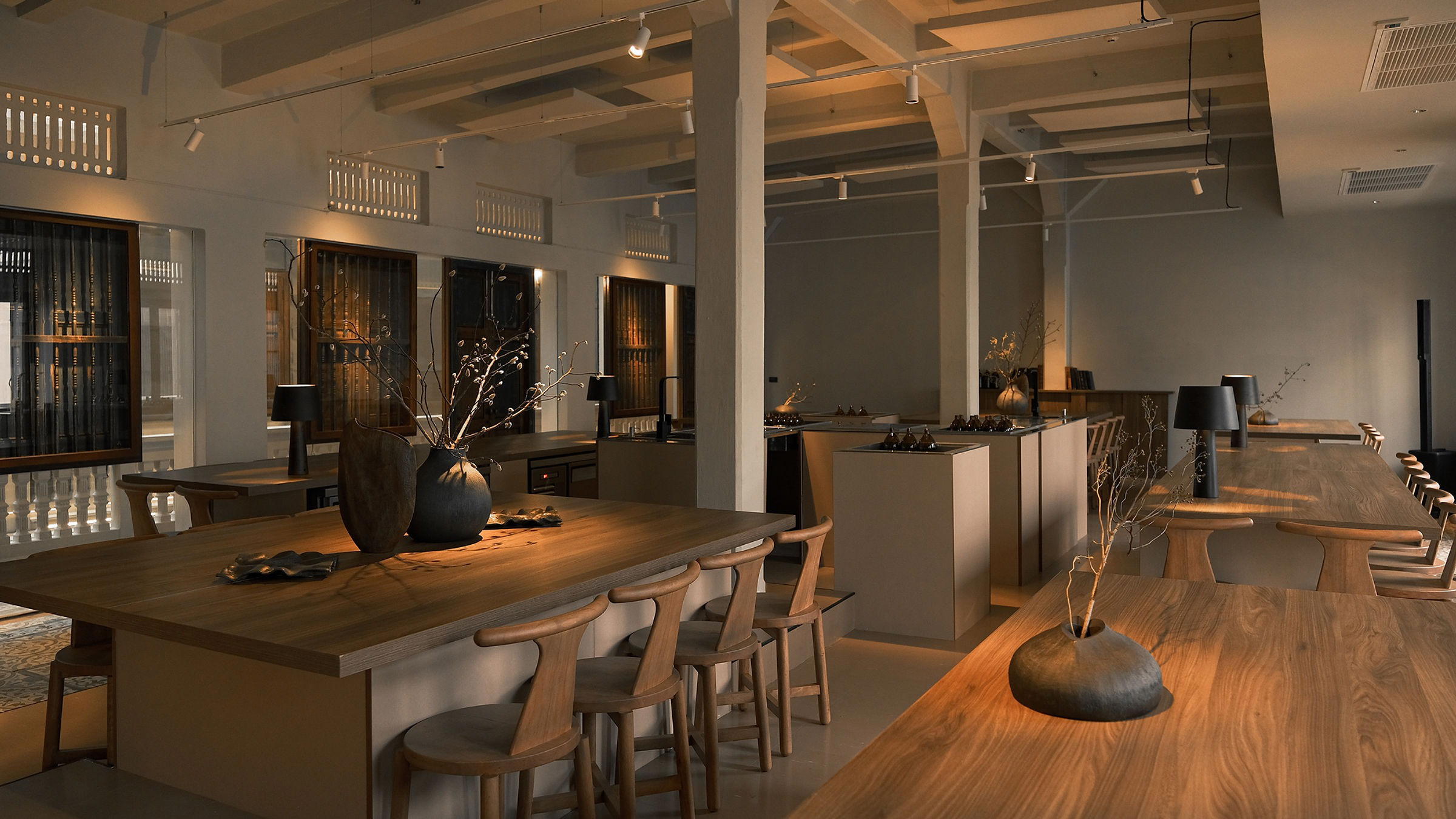
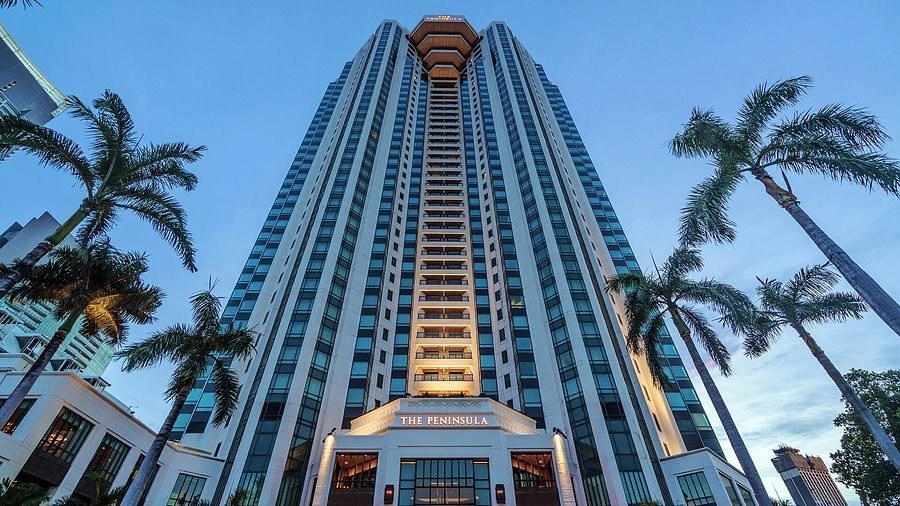
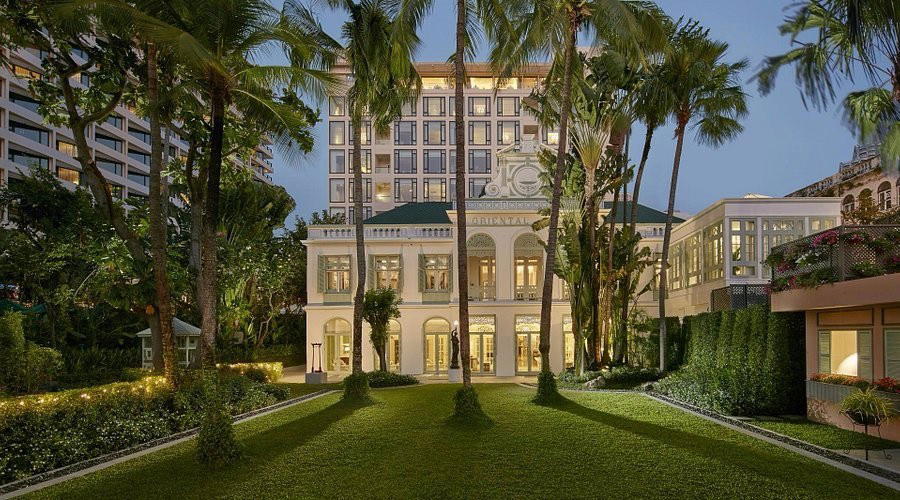
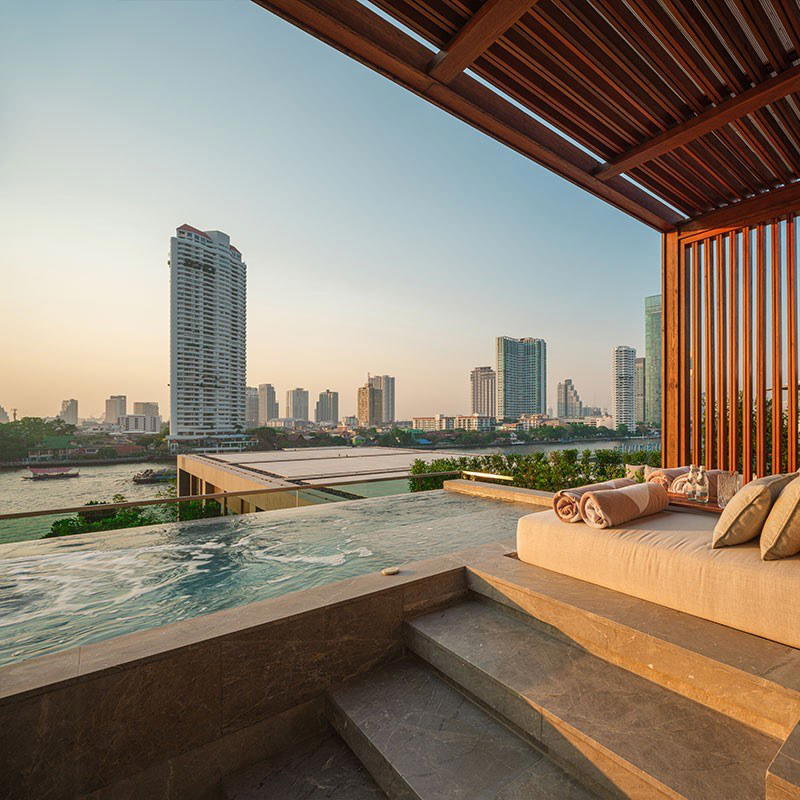
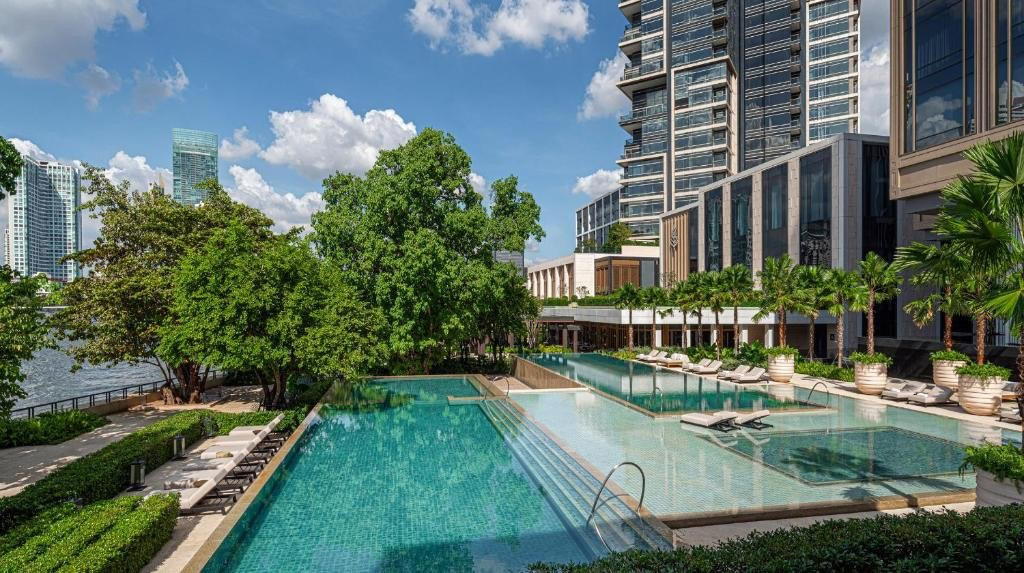
Serene waterside backdrop enhanced by water features and fountains, providing a tranquil and elegant atmosphere.