

1 Michelin Star
Our verdict
A one-Michelin-star address in the 2nd arrondissement where Sylvain Sendra builds modern menus around produce from Asafumi Yamashita's celebrated kitchen garden in Yvelines. The format is compact and precise, with tightly windowed sittings and a wine list that punches above the restaurant's size. Ranked #548 among Europe's top restaurants by Opinionated About Dining in 2025.

Pearl is the En Primeur Club membership app, where members save venues, book tables and use the concierge.
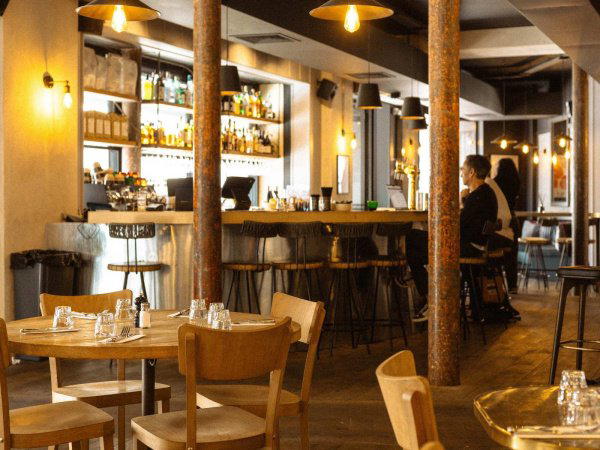
The menu
What to order
- Cauliflower with vanilla and shiso
- Rack of lamb with seasonal vegetables
- Pigeon with carrots and curry
- Merlu with watercress
- Potato purée (Robuchon-style and siphon)
- Onion tart with foie gras
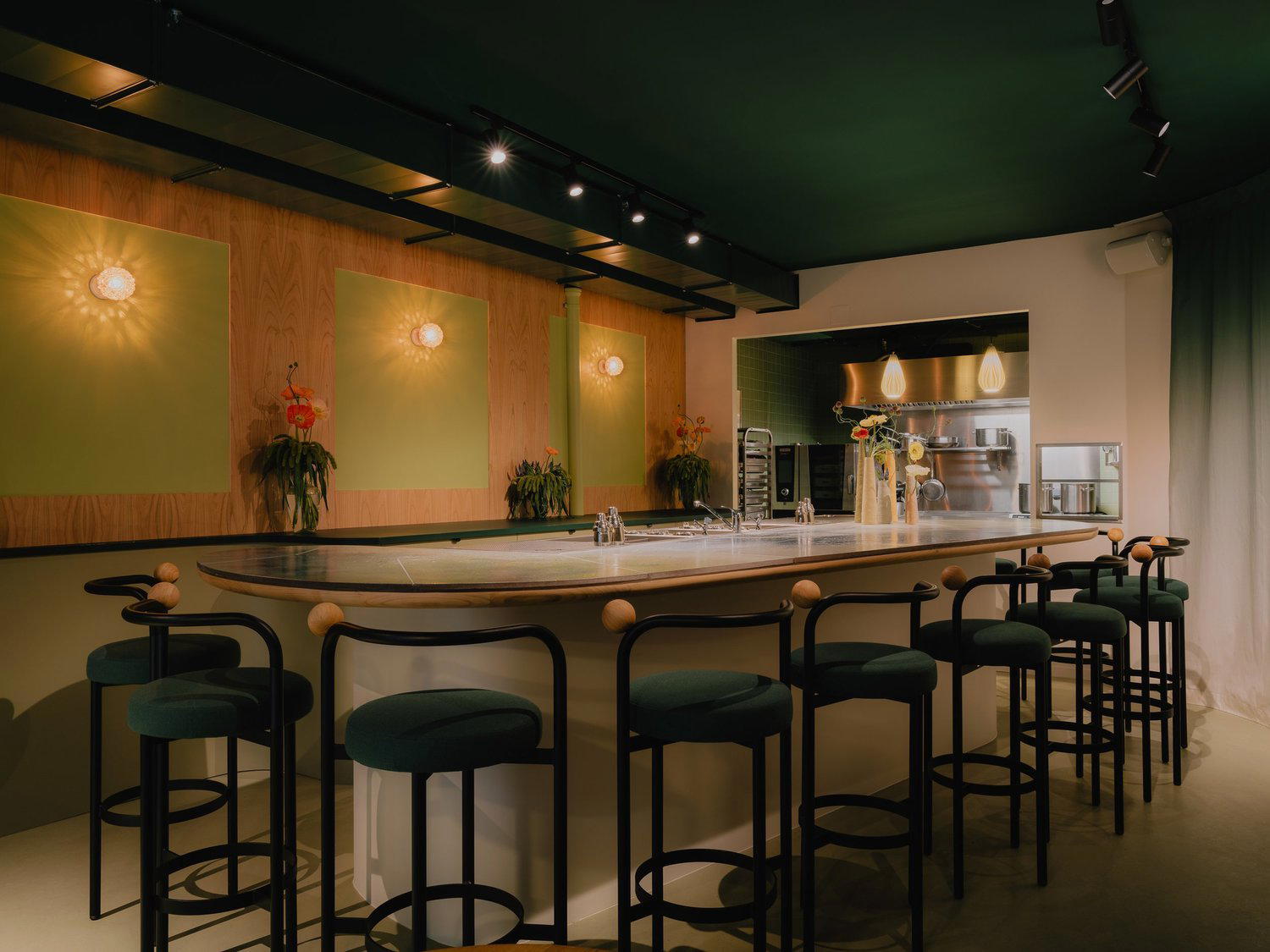
A Tight Room With a Clear Point of View
The 2nd arrondissement sits between the grand-brasserie axis of the grands boulevards and the more self-conscious dining rooms of the Marais, which makes Rue Paul Lelong an unlikely address for a Michelin-starred kitchen. The street is narrow and workaday, and the room at Fleur de Pavé reflects that register: this is not a space designed to announce itself. What it does instead is focus attention on what arrives at the table. In Paris, that trade-off, trading theatre for precision, has become the clearest signal that a restaurant is positioning itself in the serious mid-tier: above the neighbourhood bistro in ambition, well below the palatial rooms of Alléno Paris au Pavillon Ledoyen or Le Meurice Alain Ducasse in scale and ceremony.
Service windows here are short and deliberate. Lunch runs from 12:30 to 1:30 PM and dinner from 7:00 to 9:30 PM, Tuesday through Friday, with dinner only on Saturday and the kitchen closed Sunday. Those are the operating hours of a restaurant that has made a deliberate choice about pace and capacity. The compression of the sitting window concentrates both the kitchen's output and the diner's attention in a way that larger, longer-service rooms do not.
How the Menu Is Built, and What That Tells You
Paris's creative one-star tier has a recurring structural tension: how much to anchor the menu in French classical grammar versus how far to let global reference points shape the plate. The three-star rooms, institutions like Arpège, tend to resolve that tension by going very deep into a single philosophy. Sendra's approach at Fleur de Pavé is different in character. The Michelin inspectors note dishes that draw inspiration from across the world, with plating that reads as spontaneous rather than architecturally imposed, and a kitchen that routes flavour ahead of technique as a deliberate priority.
That framing matters for understanding what kind of meal this is. The menu is not structured around showcasing classical French brigade discipline or around a single-ingredient obsession. Instead, it moves across references with what the Opinionated About Dining record describes as enthusiasm and flair. OAD ranked the restaurant at #548 among European restaurants in 2025, a placement that positions it in a substantial but clearly defined tier: well-regarded across the European creative scene, operating with a smaller footprint than the flagship addresses, and recognised for consistency rather than spectacle.
The structural result for the diner is a menu that rewards curiosity more than deference. You are not arriving to receive a canonical version of a French classic. You are arriving to follow a kitchen's current thinking, which means the menu's logic becomes the main subject of the meal. When the kitchen is firing on that premise, the spontaneous plating and world-ranging references cohere into something that feels genuinely authored rather than assembled from trend signals.
The Yamashita Produce Connection
One element sets Fleur de Pavé apart from most of its peer group in the Paris creative one-star tier, and it has nothing to do with technique. Asafumi Yamashita, a Japanese market gardener working in Yvelines in the Greater Paris area, grows vegetables of significant scarcity and quality that reach only a small number of kitchens. Access to Yamashita's produce is a genuine differentiator because availability is genuinely constrained: this is not a supplier relationship that can be replicated by writing a larger cheque. The Michelin citation specifically identifies these vegetables as blue-ribbon ingredients and notes their exclusivity.
The broader significance is that a restaurant's ingredient sourcing at this level functions as a structural statement about menu architecture. Kitchens that anchor to a single exceptional producer must build menus around seasonal availability rather than fixed templates. That dynamic, producer-led seasonality as menu logic, is visible across the French creative field, from Bras in Laguiole to Flocons de Sel in Megève, each in different registers, and it tends to produce menus that shift meaningfully across the year rather than presenting a stable house repertoire. At Fleur de Pavé, the Yamashita relationship grounds the world-ranging menu in a specific, local, and seasonal material reality.
The Wine List as a Differentiator
For a restaurant of this footprint, the wine list is notable. The Michelin citation flags it directly: the quality is described as striking for a restaurant of this size, with rare bottles available for those willing to go deep into the selection. In Paris's one-star bracket, wine programs vary enormously, from perfunctory selections that treat wine as an afterthought to lists that represent genuine curatorial investment. Fleur de Pavé appears to sit firmly in the latter category.
That positioning matters practically. At the €€€ price point, a serious wine list with genuine rarities gives the meal a ceiling that menus alone cannot provide. It also signals that the restaurant's audience includes wine-focused regulars who return not just for the food but to move through the cellar over multiple visits. Compare that to the €€€€ tier, where lists at Le Gabriel at La Réserve Paris are expected to be comprehensive almost as a baseline condition. At Fleur de Pavé's price register, a list with genuine depth and rare selections is a deliberate over-delivery, and it changes the calculus of the total experience.
Paris's Creative One-Star Context
The one-star creative tier in Paris is more crowded and more differentiated than it was a decade ago. Addresses like Blanc signal one kind of contemporary French seriousness; Fleur de Pavé signals another. The distinguishing variables are menu architecture, ingredient sourcing philosophy, and whether the room is built for occasion dining or regular returns. Sendra's kitchen is positioned toward the latter: the short service windows, the mid-range price point relative to the three-star tier (Alléno and Arpège operate at €€€€ with significantly higher covers costs), and the OAD recognition all suggest a restaurant with a regular, returning clientele rather than one dependent on special-occasion bookings from tourists.
Across Europe, the creative format at this scale and price register has proven durable. Cocina Hermanos Torres in Barcelona and Enrico Bartolini in Milan represent the upper end of that creative European bracket; Fleur de Pavé, with its #548 OAD ranking, sits in a recognised but more accessible tier within the same broad movement. The comparison is not about scale but about the shared premise: menus built around authorial point of view, produce sourcing as editorial statement, and technique in service of flavour rather than display.
The French culinary tradition behind this kind of work has deep roots. Restaurants like Troisgros in Ouches, Auberge de l'Ill in Illhaeusern, and Paul Bocuse in Collonges-au-Mont-d'Or define the institutional end of the tradition. What the current Paris creative one-star tier is doing, at its more considered end, is finding a different way to carry that seriousness without replicating the format, scale, or ceremony of those rooms.
Planning Your Visit
Reservations: Advance booking is advisable given the compressed service windows; lunch sits run only one hour. Hours: Monday through Friday lunch 12:30–1:30 PM and dinner 7:00–9:30 PM; Saturday dinner only 7:00–9:30 PM; Sunday closed. Address: 5 Rue Paul Lelong, 75002 Paris. Budget: €€€, mid-tier relative to Paris's starred field. Wine: The list includes rare selections worth exploring beyond the standard by-the-glass options.
For broader context on where Fleur de Pavé sits within the Paris dining scene, see our full Paris restaurants guide. For hotels, bars, and experiences in the city, visit our Paris hotels guide, our Paris bars guide, our Paris wineries guide, and our Paris experiences guide.
Frequently asked questions
What do regulars order at Fleur de Pavé?
The kitchen does not publish a fixed signature dish list, and the menu shifts with produce availability, particularly given the reliance on Asafumi Yamashita's seasonal vegetable supply from Yvelines. What the Michelin citation and OAD record together suggest is that returning guests come back for the vegetable-forward courses built around Yamashita's produce, and for the wine list, which contains rare bottles that reward diners willing to spend time with a sommelier. The spontaneous plating style means that the most discussed dishes on any given visit tend to be the ones that surprise within the world-ranging framework rather than a consistent house repertoire. For the wine component specifically, the Michelin inspectors recommend the rare bottle selection as a highlight worth prioritising.
At-a-Glance Comparison
A compact comparison to help you place this venue among nearby peers.
| Venue | Cuisine | Price | Awards | Notes |
|---|---|---|---|---|
| Fleur de PavéThis venue (the venue you are viewing) | Modern French Gastronomique | $50–100 | 1 Michelin Star | Not listed |
| Alléno Paris au Pavillon Ledoyen | Modern French Fine Dining | $150–200 | 3 Michelin Stars · World's 50 Best #79 | Creative |
| Kei | Modern French with Japanese Influences | $300–500 | 3 Michelin Stars · World's 50 Best #93 | Contemporary French, Modern Cuisine |
| L'Ambroisie | Classic French Haute Cuisine | $300–500 | 2 Michelin Stars · World's 50 Best #23 | French, Classic Cuisine |
| Le Cinq - Four Seasons Hôtel George V | Modern French Fine Dining | $300–500 | 3 Michelin Stars · World's 50 Best #24 | French, Modern Cuisine |
| Plénitude | Modern French Sauce-Led Fine Dining | $300–500 | 3 Michelin Stars · World's 50 Best #14 | Contemporary French |
Recognition history
Dated appearances from independent guides and award organizations, with the underlying list record or original source where available.
Michelin 1 Star
Michelin
Opinionated About Dining Top Restaurants in Europe Recommended
Opinionated About Dining
Full recognition history (5 entries)
Michelin 1 Star
Michelin
Opinionated About Dining Top Restaurants in Europe Ranked #548
Opinionated About Dining
Michelin 1 Star
Michelin
Continue exploring
More in Paris
Restaurants in Paris
All restaurants in Paris →
Bars in Paris
All bars in Paris →



Fleur de Pavé
The wine
- Wine program
- Deep wine list
- Extensive wine list
- Sommelier-led
Details
- Elegant
- Intimate
- Modern
- Sophisticated
- Date Night
- Special Occasion
- Celebration
- Open Kitchen
- Chefs Counter
- Extensive Wine List
- Sommelier Led
- Farm To Table
- Local Sourcing
- Tasting Menu
- A La Carte
- Counter Dining
- Wine Pairings
- Wine List
- Vegetarian Friendly
- Allergy Accommodating
Current opening hours
- Monday
- 12:30–1:30 PM, 7–9 PM
- Tuesday
- 12:30–1:30 PM, 7–9 PM
- Wednesday
- 12:30–1:30 PM, 7–9 PM
- Thursday
- 12:30–1:30 PM, 7–9 PM
- Friday
- 12:30–1:30 PM, 7–9 PM
- Saturday
- 7–9 PM
- Sunday
- Closed
Hours can change for holidays and private events. Hours as of .
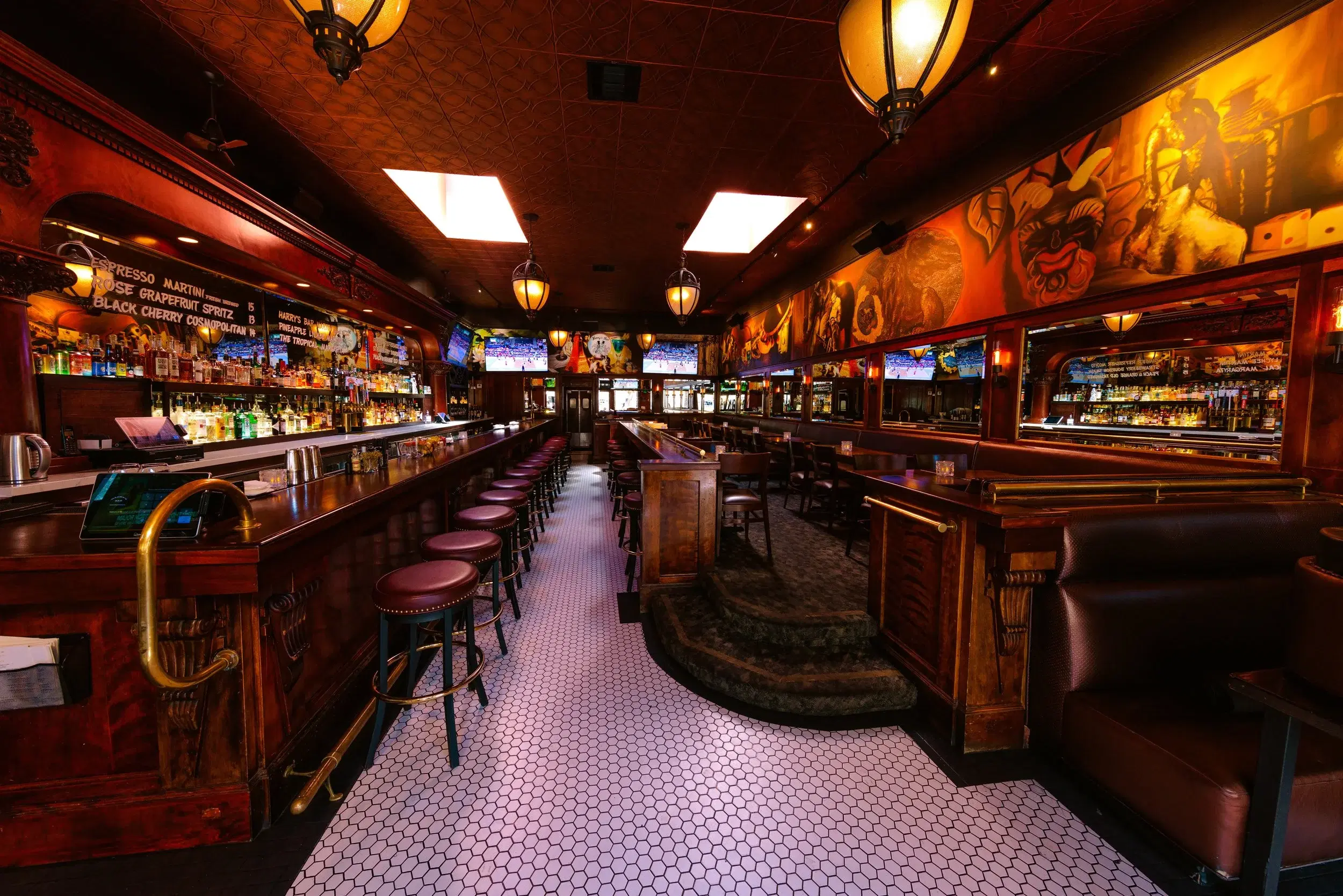
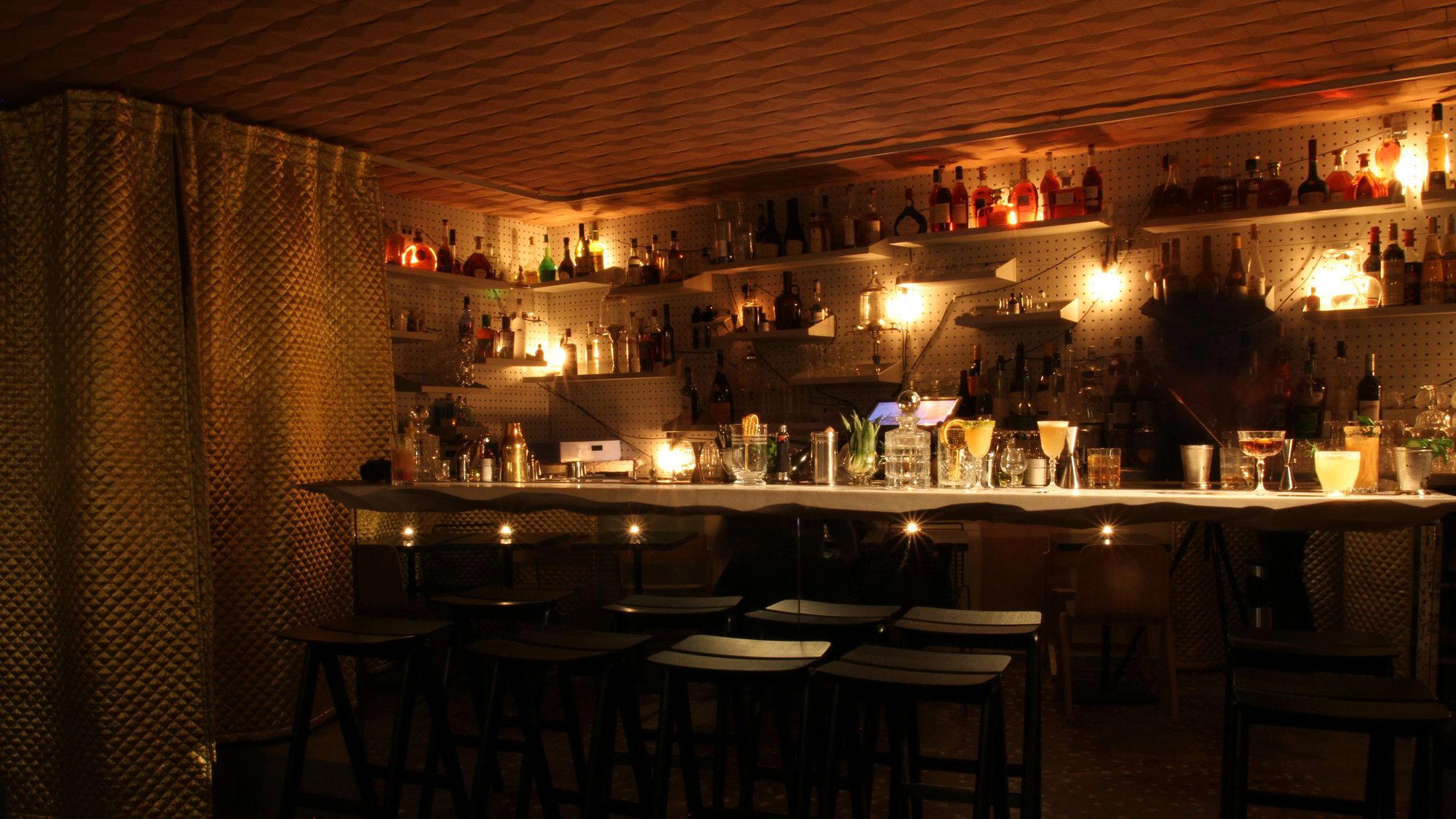
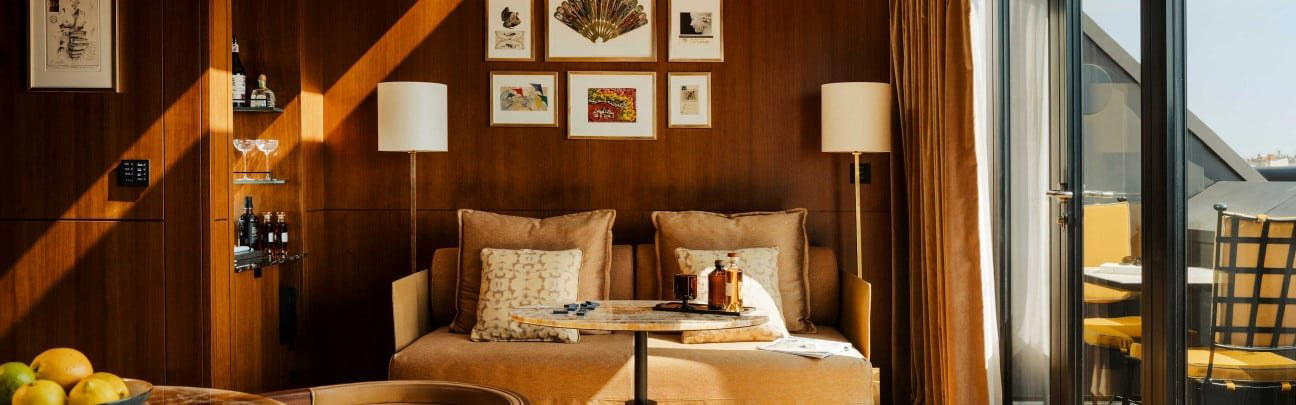
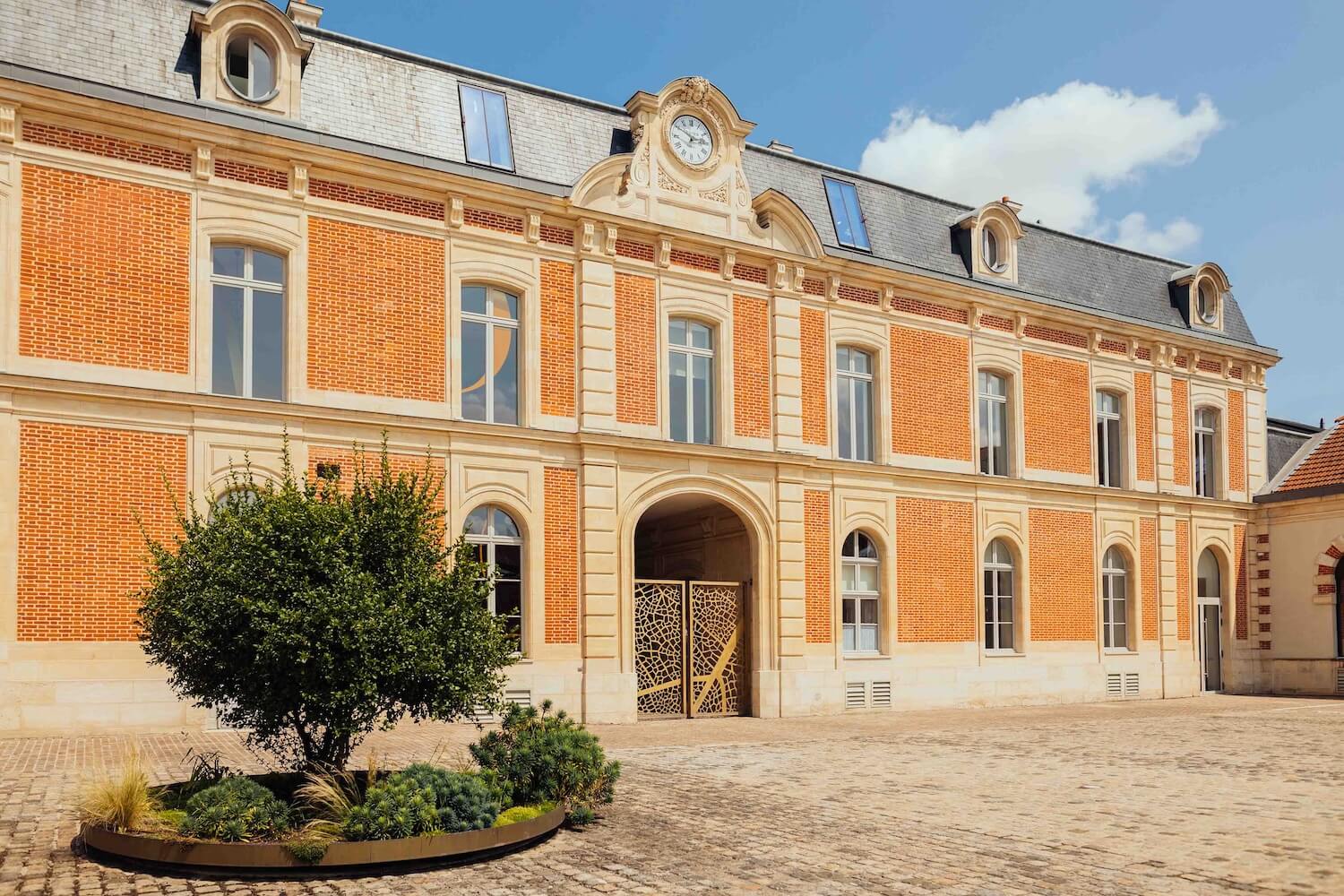
Soft lighting and intimate layout with refined contemporary design; upstairs features a serene dining room with black carpet and minimalist walls adorned with artwork, while downstairs offers open kitchen counter seating with direct chef interaction.