هوتل شهرام
Our verdict
In a city defined by the Hindu Kush and the empty niches where the Bamiyan Buddhas once stood, هوتل شهرام (Hotel Shahram) represents one of the few established lodging and dining options for travellers making the journey to this remote valley. Practical in orientation and rooted in local hospitality traditions, it serves a small but consistent traveller community in one of Afghanistan's most historically significant destinations.

Pearl is the En Primeur Club membership app — saves, bookings, and concierge access live there. Same editors, same standards.
- Address
- Bamyan
- Directions
- Get directions
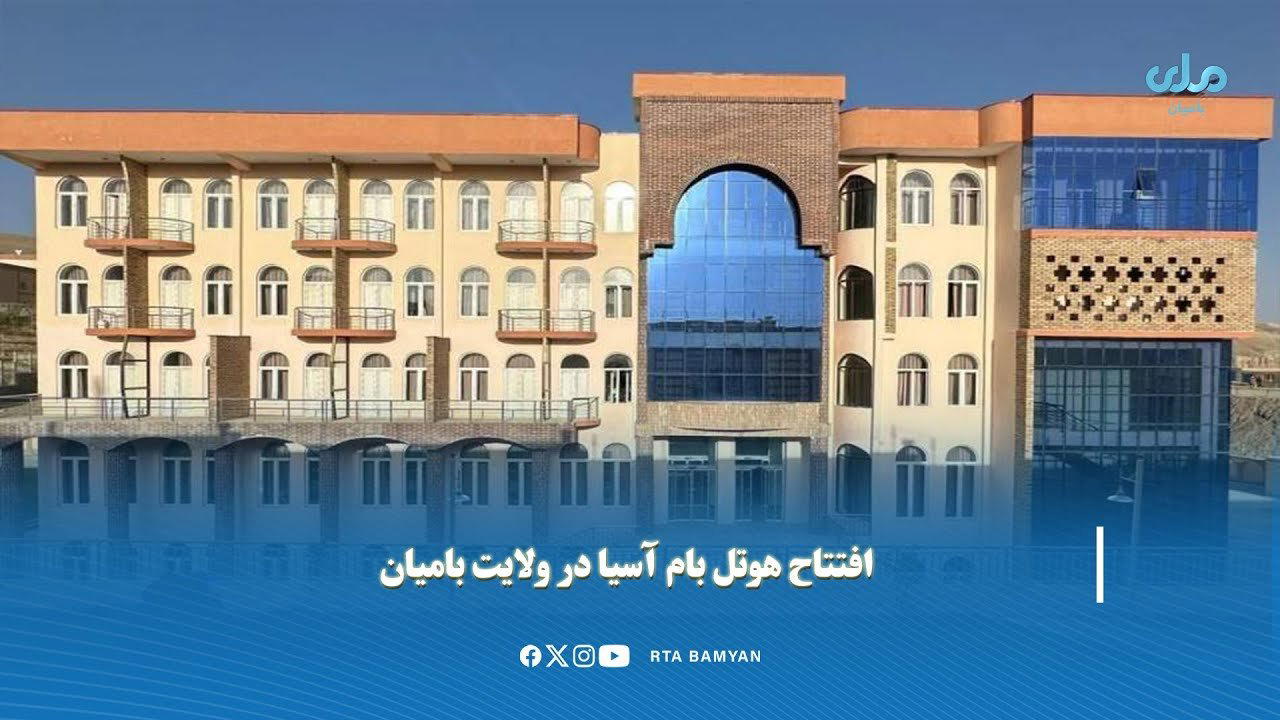
Arriving in Bamyan: The Context That Shapes Everything on the Table
The road into Bamyan from Kabul takes the better part of a day depending on conditions, climbing through passes that close entirely in winter and open to dusty switchbacks in summer. By the time a traveller reaches the valley floor, with the cliffs of the Buddhas' former niches dominating the northern wall and the Koh-i-Baba range pressing in from the south, the question of where to eat and sleep feels less like a leisure decision and more like a logistical one. Bamyan's hospitality infrastructure reflects that reality: it is spare, locally rooted, and oriented toward function over ceremony. هوتل شهرام sits inside that framework, operating in a city where the number of establishments serving overnight guests can be counted without difficulty, and where the kitchen's relationship to local supply chains is not a marketing position but a practical necessity.
Ingredient Sourcing in a Landlocked, High-Altitude Valley
Understanding what arrives on a plate in Bamyan requires understanding the geography first. The valley sits at roughly 2,500 metres above sea level, which limits the growing season, shapes what can be cultivated locally, and makes any supply chain that runs through Kabul — let alone internationally — slow and expensive. Afghan highland cooking has long adapted to these conditions: lamb and mutton raised in the surrounding mountains, root vegetables that store through winter, dried legumes, and flatbreads that travel well and bake without specialized equipment. The ingredient vocabulary of a place like Bamyan is defined as much by what cannot easily arrive as by what grows nearby.
In this context, the sourcing logic at a valley hotel differs fundamentally from the farm-to-table discourse at, say, Arpège in Paris or Atelier Crenn in San Francisco, where sourcing is an aesthetic and ethical statement made against a backdrop of abundant alternatives. In Bamyan, local sourcing is structural. The lamb is local because transporting chilled protein across mountain passes is not viable at scale. The bread is local because the tandoor is the dominant technology. The result is a cuisine that, at its most honest, reads as a direct expression of where it is made, which is a form of integrity that more resource-rich settings sometimes work hard to perform.
For travellers more accustomed to reviewing menus at Aponiente or Amber in Hong Kong, the recalibration required in Bamyan is significant, but it is also instructive. Afghan staples, qabuli pulao, lamb kebab, mantu dumplings, aush noodle soup, are not simplified versions of more complex traditions. They are complete culinary systems shaped by centuries of trade routes, pastoral economies, and agricultural constraints that no amount of imported technique would improve.
Bamyan does not have a competitive restaurant market in any conventional sense. The establishments serving food to travellers and locals are few, and they operate in a city where tourism infrastructure was only beginning to consolidate before conditions made international travel to Afghanistan significantly more complicated. Comparison venues in Afghanistan's wider dining geography include Barg Continental in Kabul, which operated at a different register, more urban, more oriented toward a cosmopolitan clientele, and Mansoor Restaurant in Mazar-i-Sharif and Restaurant Ghulam Hussain in Kunduz, each of which reflects the distinct agricultural and cultural character of its own region. Bamyan's offerings, including هوتل شهرام, occupy a different tier: smaller in scale, more focused on basic hospitality, and serving a traveller profile that self-selects for interest in the valley's archaeology and landscape rather than its dining options.
That traveller profile matters. The people making the journey to Bamyan are not arriving from a shortlist of comparable destinations in the way that, say, diners choosing between Atomix and Le Bernardin in New York are weighing similar experiences. They are in Bamyan because Bamyan is Bamyan: the site of the Bamiyan Buddhas destroyed in 2001, the starting point for treks into Band-e-Amir national park, and one of the few places in Afghanistan with a Hazara cultural identity expressed openly in its architecture, festivals, and food. The hotel that serves this traveller needs to be reliable rather than refined.
Planning a Visit: What the Logistics Actually Look Like
Reaching Bamyan under current conditions requires careful advance planning and a realistic assessment of the security environment. The Afghan government as of 2021 changed hands, and the practical implications for independent travel have been substantial. Travellers should consult current advisories from their home government before considering any itinerary that includes Afghanistan. For those who do make the journey, journalists, researchers, humanitarian workers, and a small number of independent travellers, Bamyan remains more accessible relative to other parts of the country, partly due to its geographic isolation and partly due to its historical character. Visit our full Bamyan restaurants guide for a broader picture of what the valley currently offers.
Specific booking details, contact information, pricing, and current operating hours for هوتل شهرام are not available in verified form. Any traveller planning to stay or eat here should seek current, on-the-ground confirmation through recent traveller accounts or local contacts before arrival. The absence of a web presence is itself informative: this is a property operating outside the international booking infrastructure that venues like Alinea in Chicago or Lazy Bear in San Francisco rely on, and it should be approached accordingly.
Frequently asked questions
Is هوتل شهرام okay with children?
Bamyan is a relatively calm valley town by Afghan standards, and guesthouses in the area generally operate in a family-oriented local culture. Nothing in the available record for هوتل شهرام indicates restrictions on families or children. Given the logistical demands of reaching Bamyan — a journey of the better part of a day from Kabul — the practical challenge of travelling with young children in this region is worth weighing before the question of the venue itself.
What should I expect atmosphere-wise at هوتل شهرام?
هوتل شهرام sits in Bamyan, a small valley city at roughly 2,500 metres above sea level, far removed from urban restaurant convention. Expect a spare, practical environment consistent with the broader character of hospitality infrastructure in this part of Afghanistan.
What makes هوتل شهرام a practical base for visiting the Bamyan valley and its historical sites?
Bamyan city is the primary access point for the valley's archaeological sites, including the niches left by the Buddhas of Bamyan, a UNESCO World Heritage site. هوتل شهرام is located in Bamyan city itself, positioning it within reach of these sites without additional overland travel. Accommodation options in Bamyan are limited, which means local guesthouses like هوتل شهرام function less as lifestyle choices and more as operational necessities for anyone spending time in the area.
What do people recommend at هوتل شهرام?
In the Bamyan valley context, food at traveller-facing establishments typically reflects what high-altitude, landlocked agriculture makes available: local grains, legumes, and seasonal produce. Specific dishes or standout items can change without current on-the-ground reporting. Check the venue's official channels for the latest details.
Where is هوتل شهرام in Bamyan?
هوتل شهرام is located at Bamyan, Bamyan.
Is هوتل شهرام reservation-only?
Given Bamyan's remote location and the advance planning required to reach it safely, contacting accommodation through local fixers, travel agencies operating in Afghanistan, or overland networks before arrival is the practical approach most travellers use in this region.
At-a-Glance Comparison
| Venue | Cuisine |
|---|---|
| هوتل شهرامThis venue — the venue you are viewing | Afghan |
Details
- Casual Hangout
- A La Carte