Fava Pot

Washingtonian 100 Very Best Restaurants #87
Our verdict
Fava Pot brings Egyptian cooking into the Falls Church conversation at a moment when Northern Virginia’s dining strength is increasingly defined by immigrant-owned, ingredient-led kitchens rather than downtown formality. Its 2026 placement at No. 87 on Washingtonian’s 100 Very Best Restaurants list gives the restaurant a clear editorial signal: this is regional cooking being taken seriously in the wider DC area, not treated as a side note.

Pearl is the En Primeur Club membership app, where members save venues, book tables and use the concierge.
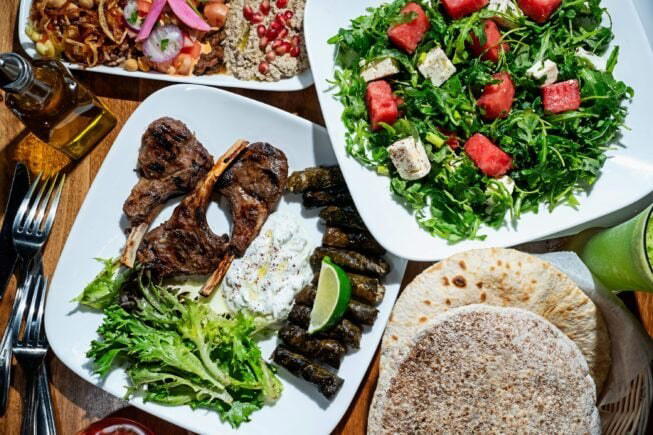
The menu
What to order
- Molokheya
- Koshary
- Falafel
- Moussaka
- Chicken kofta
Approaching Fava Pot, the first context is Falls Church itself: everyday errands, commuter traffic, local regulars, and a dining scene where restaurants often earn attention through repeat visits rather than ceremony. The restaurant’s appeal should be read in that practical setting. Without relying on luxury cues, it sits within a Northern Virginia market where many strong dining rooms are judged by consistency, identity, and the ability to draw people back. In that context, recognition can matter because it helps a local restaurant stand out in a crowded field.
Fava Pot’s inclusion on Washingtonian’s 100 Very Best Restaurants 2026 list gives it a credential in a competitive regional conversation. The recognition is useful not as decoration, but as a signal that a Falls Church restaurant can compete beside more familiar DC-area formats. Falls Church has long made this argument. Many kinds of locally rooted dining sit within short drives of one another, and serious diners here have learned to read neighborhood restaurants with the same attention they give higher-profile rooms.
Fava Pot makes its case through clarity, comfort, and restraint
Restaurants like this are often best understood by looking first at how they function for diners rather than by forcing them into a narrow category. The better reading starts with the practical architecture of a meal: pace, balance, hospitality, and the kind of experience that can reward repeat visits rather than one-time spectacle. That base makes consistency meaningful in a different way from luxury formats. Timing matters. Focus matters. A restaurant with a clear identity has less need for excess.
That is the frame for Fava Pot: a Falls Church restaurant whose current regional profile rests on recognition from Washingtonian and on its place in a strong local dining field. It does not need to be treated as a grand occasion to be taken seriously. It needs to be evaluated as part of the everyday restaurant culture that makes Northern Virginia compelling.
Falls Church diners can compare that logic across the city. Other Falls Church dining rooms also rely on comfort, regular use, and familiar rhythms, but the point of view differs from place to place. Other local restaurants show different sides of the area’s appetite for casual, polished, or special-occasion meals. Those contrasts are the point. Fava Pot belongs to a local scene where seriousness is not limited to tasting menus.
Falls Church rewards restaurants with a clear cultural center
The DC suburbs have become more interesting than many downtown corridors because specificity travels well here. A restaurant need not translate itself into generic comfort if the audience already knows how to eat across traditions and formats. Falls Church has the advantage of density: diners can move among casual meals, group dinners, polished dining, and other regionally grounded restaurants without treating any category as novelty.
That is why the Washingtonian recognition matters. Inclusion in the 2026 list places Fava Pot inside a regional conversation that includes expense-account rooms, chef-driven counters, and neighborhood institutions. For a Falls Church restaurant, the achievement is less about hierarchy than visibility. It tells readers that a restaurant outside the most obvious fine-dining frame is being judged within the same metropolitan field. In a region where many community-rooted restaurants operate with narrow margins and limited publicity machinery, that editorial attention can redirect how diners allocate attention.
Falls Church comparisons also show the limits of simple category labels. Elevation Burger and Flippin' Pizza speak to convenience-led eating. Dolan Uyghur Restaurant, Present, and Nue point toward the region’s broader appetite for restaurants with distinct points of view and service rhythms. Fava Pot fits into that broader local conversation: the value is not a label, but a restaurant organized around a coherent identity. The reader deciding where to eat should think less in terms of “casual versus serious” and more in terms of whether the meal has a center of gravity.
How to place it in a Falls Church itinerary
Fava Pot works especially well as part of a food-focused Falls Church day rather than a stand-alone detour built around ceremony. The city rewards grazing, comparing, and returning. Use Our full Falls Church restaurants guide to map the immediate dining field, then widen the trip through Our full Falls Church hotels guide, Our full Falls Church bars guide, Our full Falls Church wineries guide, and Our full Falls Church experiences guide. The rhythm is suburban: plan around driving patterns, group size, and the likelihood that peak meal periods bring regular local demand.
For readers tracking notable casual restaurants beyond Northern Virginia, the useful comparison is not category-for-category sameness but format discipline. Focused restaurants in other cities show how a clear identity can gain force through repetition and editorial recognition. Other casual, flavor-forward rooms work in a similar lane, where place, consistency, and audience shape reputation. The broader rule holds across regions: strong restaurants know exactly what they are before worrying about broad appeal.
The editorial verdict is simple: Fava Pot is strongest when read as part of Falls Church’s serious everyday dining culture. Its 2026 Washingtonian recognition supplies the external trust signal, but the deeper reason to pay attention is the restaurant’s place in a local scene that rewards clarity. Restaurants do not need grand presentation to carry authority, and Northern Virginia is one of the American regions where places like this can find an audience without apology.
Frequently asked questions
Is Fava Pot good for families?
Fava Pot is in Falls Church, where many meals are planned around practical local dining rather than formal ceremony. Its inclusion in Washingtonian’s 100 Very Best Restaurants 2026 suggests notable regional appeal.
How would you describe the vibe at Fava Pot?
Fava Pot should be approached as a Falls Church restaurant with serious regional recognition rather than as a white-tablecloth destination. Washingtonian’s 2026 recognition places it in the area’s notable everyday dining conversation.
Where is Fava Pot in Falls Church?
Falls Church.
Should I book Fava Pot in advance?
Advance planning makes sense for any restaurant that appears in Washingtonian’s 100 Very Best Restaurants 2026, especially in Falls Church. Fava Pot’s recognition signals enough local interest to check timing before heading over.
Fast Comparison
Comparable venues by cuisine and price in the same metro.
| Venue | Cuisine | Price | Awards |
|---|---|---|---|
| Fava PotThis venue (the venue you are viewing) | Egyptian/Mediterranean | $20–30 | Washingtonian 100 Very Best Restaurants #87 |
| Elevation Burger | Organic Grass-Fed Burgers | $10–20 | Not listed |
| Dolan Uyghur Restaurant | Authentic Uyghur & Central Asian | $10–20 | Not listed |
| Present | Authentic Vietnamese | $20–30 | Not listed |
| Nue | Modern Vietnamese (Elegantly Vietnamese) | $50–100 | Washingtonian 100 Very Best Restaurants #79 |
Recognition history
Dated appearances from independent guides and award organizations, with the underlying list record or original source where available.
Washingtonian 100 Very Best Restaurants #87
Washingtonian
Continue exploring
More in Falls Church
Restaurants in Falls Church
All restaurants in Falls Church →
Bars in Falls Church
Browse all →
Details
- Cozy
- Casual
- Casual Hangout
- Family
- Group Dining
- Brunch
- Standalone
- Beer Program
- Local Sourcing
- Street Scene
- A La Carte
- Beer
- Vegetarian Friendly
- Vegan Options
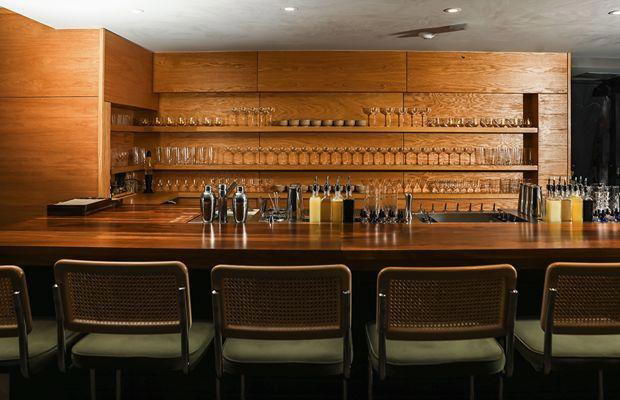
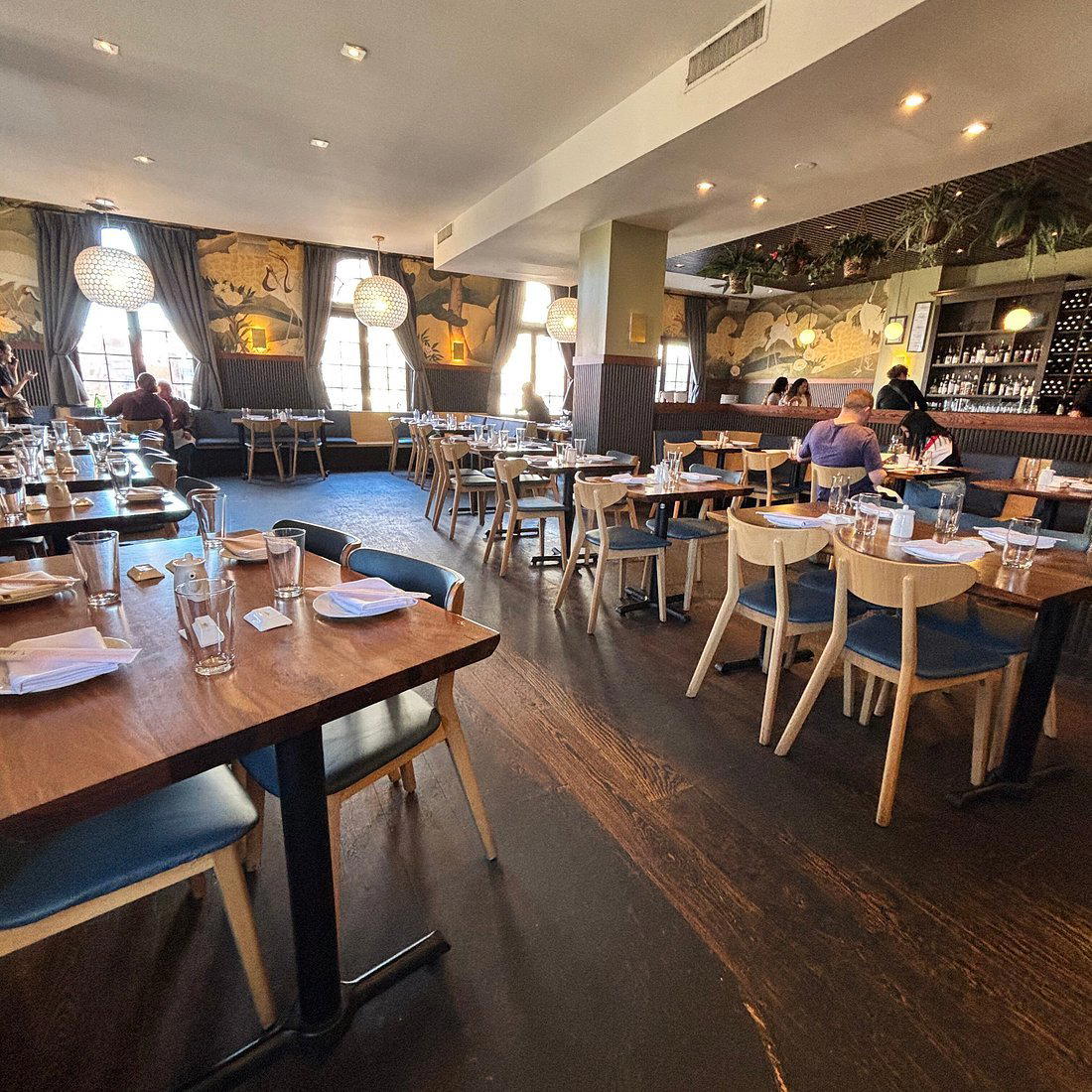
Warm, homey, and unpretentious, with a casual neighborhood feel that reviewers describe as ideal for relaxed vegetarian and Egyptian comfort-food meals.