Farmer's Table
On La Mesa Boulevard, Farmer's Table occupies a stretch of the East County dining corridor where farm-referencing concepts have found an attentive local audience. The format draws on the broader California tradition of produce-driven, seasonal cooking that links neighborhood restaurants to the agricultural supply chains of San Diego County's inland valleys. It sits within a walkable cluster of independent restaurants along one of La Mesa's most active dining streets.
Pearl is the En Primeur Club membership app — saves, bookings, and concierge access live there. Same editors, same standards.
- Address
- 8141 La Mesa Blvd, La Mesa, CA 91942
- Phone
- +16197246465
- Website
- myfarmerstable.com
 Saves & bookings on Pearl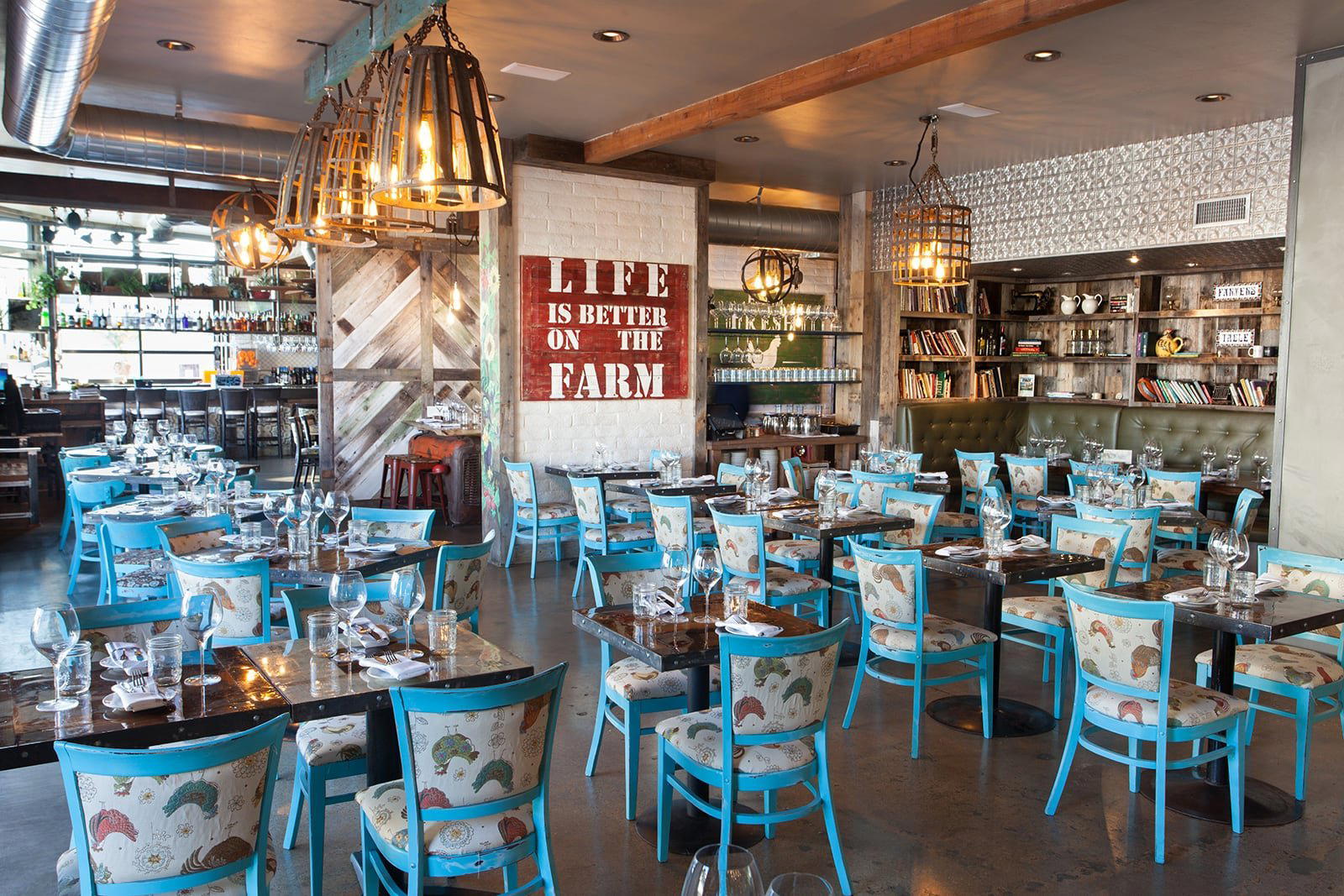
La Mesa Boulevard and the Produce-Driven Dining Current
La Mesa Boulevard has developed, over the past decade, into one of San Diego's East County dining corridors worth tracking. The street runs through the village core of La Mesa, a city of roughly 60,000 that sits about ten miles east of downtown San Diego, and its restaurant concentration has thickened considerably as independent operators moved in alongside older-established names. The dining character here skews toward neighborhood-anchored concepts rather than destination flagships, which means the cooking tends to reflect what local operators believe their community actually eats, rather than what a publicist might pitch to a national food publication.
Within that context, farm-referencing restaurant concepts have found a receptive audience across Southern California, and Farmer's Table at 8141 La Mesa Blvd sits inside that broader current. The name signals a positioning that has become familiar in California dining over the past fifteen years: a commitment, stated or implied, to sourcing that connects the plate to the region's agricultural output. San Diego County supports a genuinely diverse growing season, with inland valleys producing citrus, avocados, herbs, and specialty vegetables that circulate through both farmers' markets and restaurant supply lines. A restaurant operating under this framing in La Mesa can draw on that supply with relative geographic logic.
The Arc of a Meal: How the Table Unfolds
The farm-to-table format, at its most considered, structures a meal as a progression through what the season offers rather than through a fixed menu architecture. This is where the concept either earns its name or reveals itself as a marketing posture. Across California, the restaurants that have built lasting reputations in this mode, from Single Thread Farm in Healdsburg to Blue Hill at Stone Barns in Tarrytown, treat the tasting progression not as a sequence of courses but as an argument about place and moment. The ingredient arrives first; the technique follows.
At the neighborhood scale, the discipline required to maintain that progression is less about formal tasting menus and more about menu rotation and sourcing honesty. A restaurant that changes its offerings in response to what is actually available, rather than holding a static lineup that merely sounds seasonal, delivers a meaningfully different experience across visits. Repeat diners to farm-adjacent concepts in La Mesa and across San Diego's East County often cite this variability as the reason they return, finding the meal a different conversation each time rather than a repeated script.
The physical approach to Farmer's Table along La Mesa Boulevard places it within walking distance of other independent operators that have helped define the street's current identity. Antica Trattoria anchors the Italian end of the corridor, while Aromi Italian Cuisine occupies a similar register nearby. Brigantine La Mesa draws seafood-focused diners, and Casa De Pico has operated as a longstanding Mexican dining institution in the area. The variety along this stretch means Farmer's Table competes not just within its own category but across a mixed independent dining scene where a guest's alternative on any given evening might span Italian, Mexican, or coastal American.
California Produce-Driven Cooking and Its San Diego Chapter
The farm-to-table tradition in California has deep roots, traceable to the Chez Panisse era of the 1970s and spreading outward from Berkeley into the broader West Coast dining sensibility. San Diego's contribution to that tradition has been quieter than the Bay Area's, but the county's agricultural geography has always supported it. The presence of working farms in Fallbrook, Ramona, and the San Diego River valley means that a restaurant willing to build supplier relationships has access to a supply chain that larger urban markets often have to assemble from greater distances.
This regional specificity matters when positioning a restaurant like Farmer's Table against the national conversation around farm-sourced cooking. Operations at the scale of The French Laundry in Napa or Le Bernardin in New York City command sourcing relationships at a different level of formality and documentation. Closer in format and market position, Addison in San Diego represents the county's flagship fine-dining expression of California produce-driven cooking, with Michelin recognition that places it in a distinct tier. Providence in Los Angeles and Smyth in Chicago demonstrate how the ingredient-first approach translates across different urban contexts. Farmer's Table operates well below those price points and formality levels, which is precisely what makes it relevant to the La Mesa dining community: it brings a version of the same philosophical orientation to a neighborhood scale and a price range that functions as a regular dining option rather than a special-occasion destination.
Placing Farmer's Table in the East County Dining Scene
La Mesa's dining scene has not historically attracted the same editorial attention as Hillcrest, Little Italy, or North Park within the broader San Diego conversation. That gap reflects proximity to downtown and the concentration of food media attention in denser urban cores rather than any deficiency in the East County offering. Restaurants along La Mesa Boulevard, including those in the vicinity of 6126 Lake Murray Blvd, serve a residential audience that dines frequently and knows its options well. That kind of repeat-customer base tends to be a more demanding audience than the tourist-heavy clientele of downtown districts, because the judgment is accumulative rather than a single impression.
Farm-concept restaurants that hold up under that kind of scrutiny tend to share certain operational characteristics: a sourcing story that can be verified by anyone paying attention across seasons, a menu that reflects genuine availability rather than a fixed narrative, and a room where the informality feels deliberate rather than accidental. These are the signals that distinguish a concept with real agricultural grounding from one that has borrowed the vocabulary without the supply-chain commitment.
For a fuller picture of what La Mesa's independent dining scene offers across cuisines and price points, our full La Mesa restaurants guide maps the corridor and places individual operators in context against each other.
Credentials Lens
Comparable venues nearby, for context on price, style, and recognition.
| Venue | Cuisine | Price | Awards | Notes |
|---|---|---|---|---|
| Farmer's TableThis venue — the venue you are viewing | Farm-to-Table American-Italian | $$ | , | |
| Antica Trattoria | Authentic Italian Trattoria | $$ | , | La Mesa |
| 6126 Lake Murray Blvd | American Barbecue and Craft Beer | $$ | , | La Mesa |
| Swami's Cafe La Mesa | California Breakfast & Lunch Cafe | $$ | , | Old La Mesa |
| Mario's De La Mesa Restaurant | Traditional Mexican | $$ | , | La Mesa Village |
| Craft Kitchen | Craft American Gastropub | $$ | , | Downtown La Mesa |


At a Glance
- Rustic
- Cozy
- Brunch
- Family
- Casual Hangout
- Open Kitchen
- Craft Cocktails
- Farm To Table
- Local Sourcing
- Organic
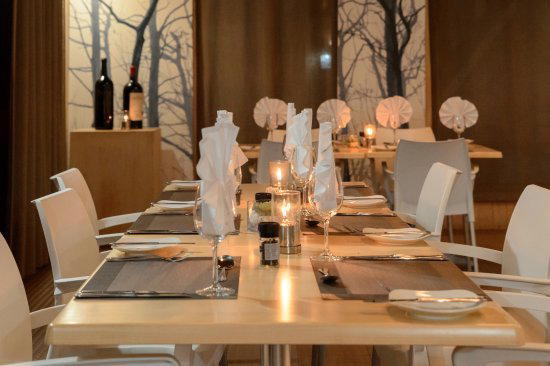
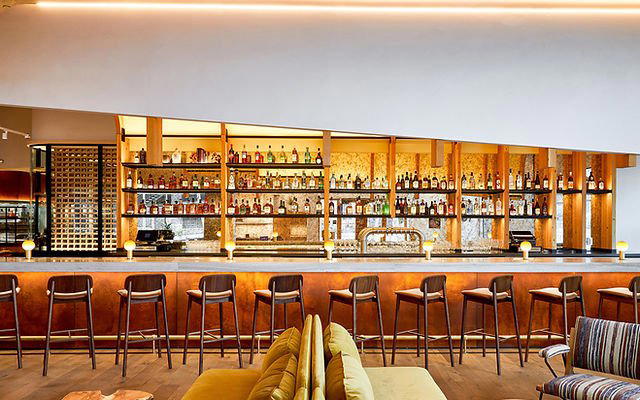
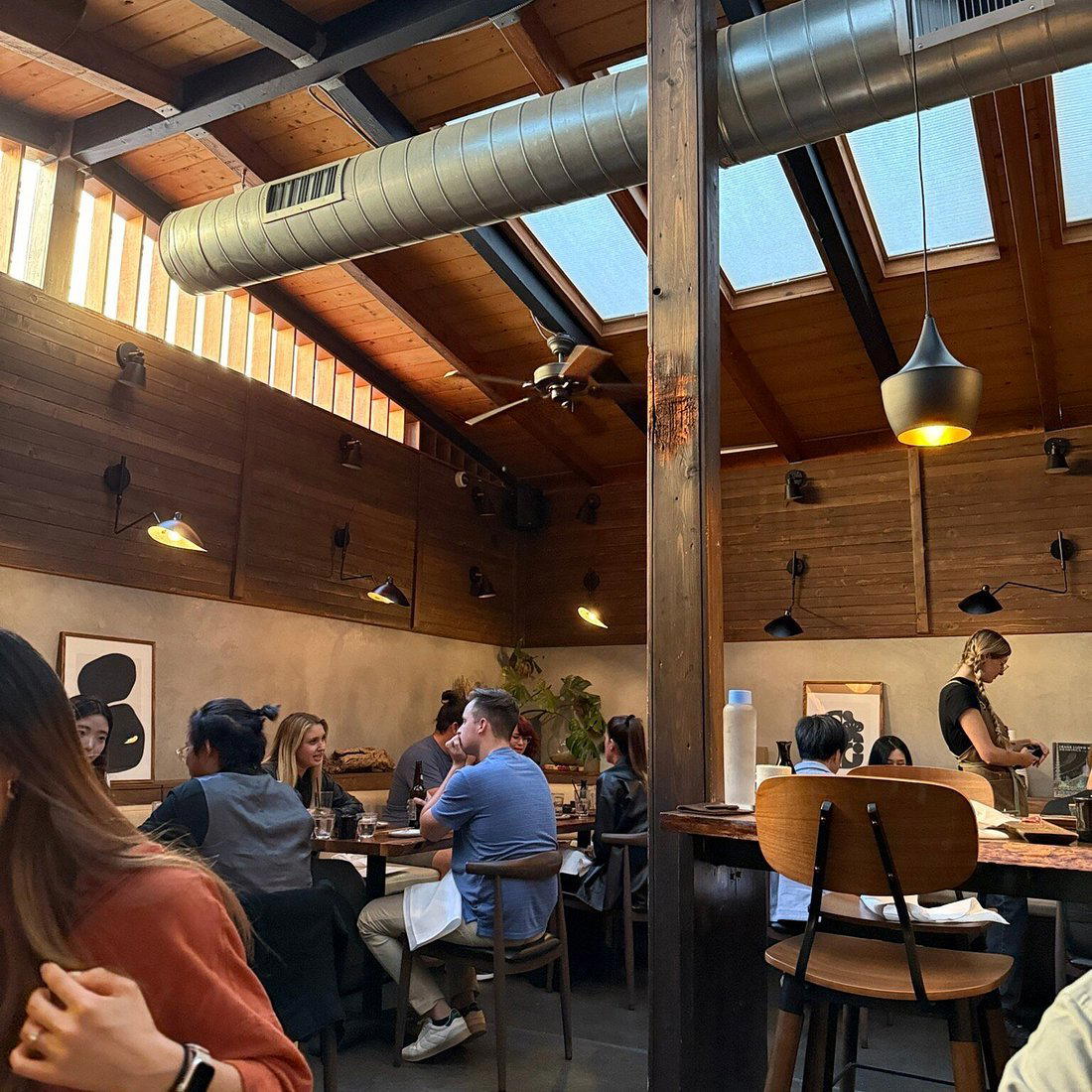
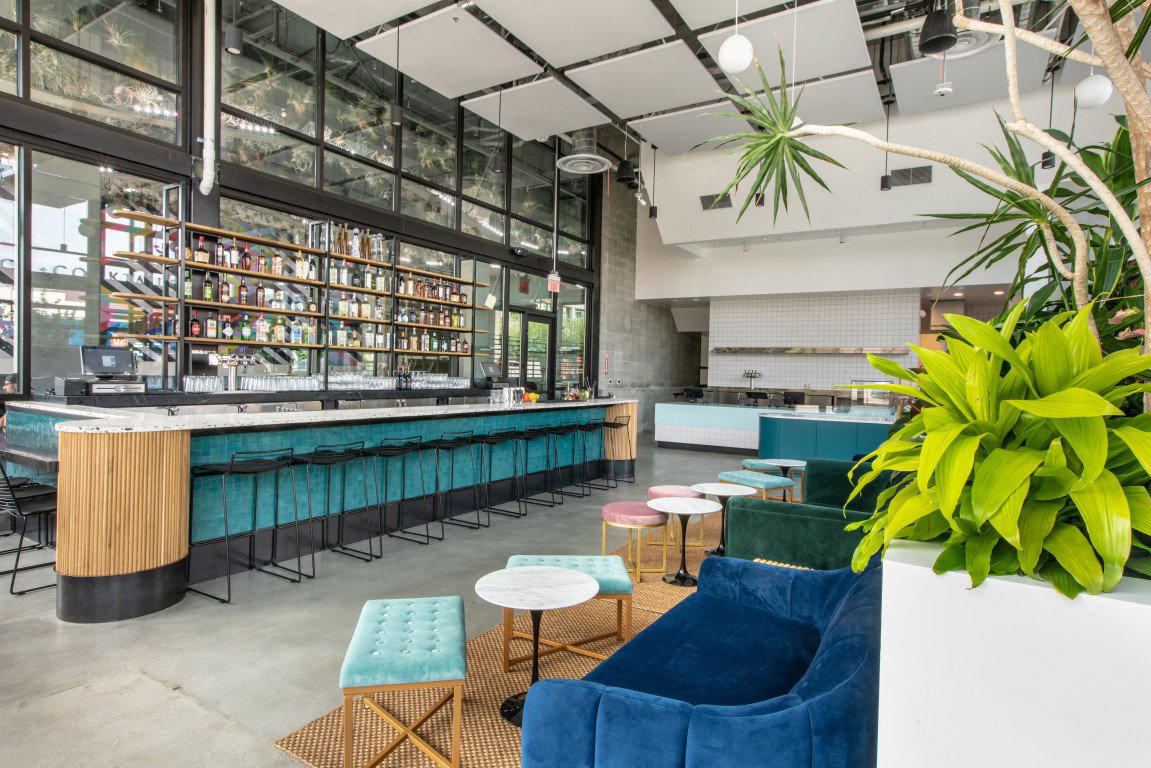
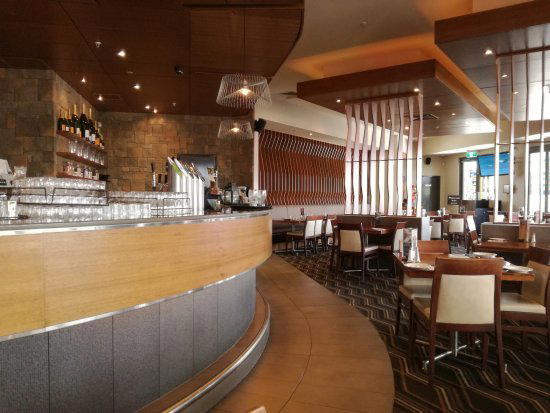
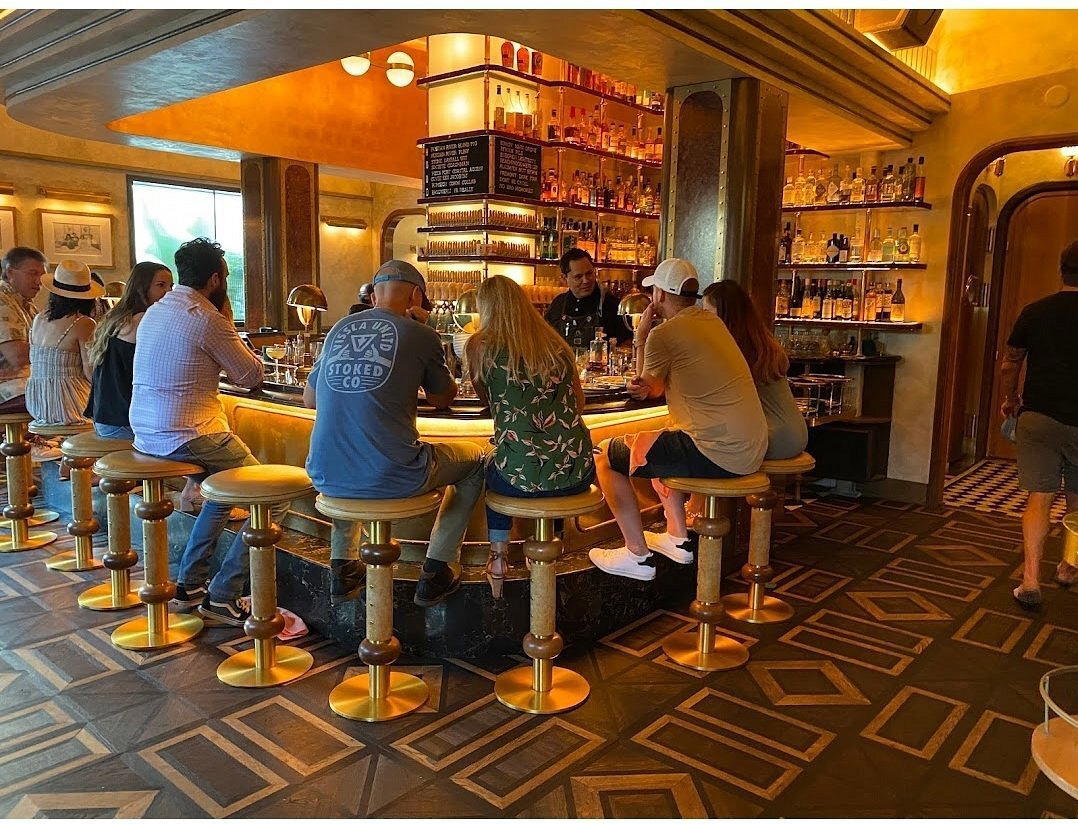
Inviting family-friendly atmosphere with indoor/outdoor bar and sunny patio seating.