Fan

Three childhood friends from Lima run this Bayswater corner site, serving Peruvian food shaped by their shared culinary memory. The menu draws on coastal and highland traditions, emphasizing ingredient sourcing that honors Peru's diverse ecosystems. The room is intimate, seating limited, and the kitchen works without the formality or price point of London's Mayfair Peruvian tier.
Pearl is the En Primeur Club membership app — saves, bookings, and concierge access live there. Same editors, same standards.
- Address
- 6 Chepstow Road, Bayswater and Maida Vale, London, Greater London, W2 5BH, GBR
- Phone
- +44 7351 471926
- Website
- guide.michelin.com
 Saves & bookings on Pearl
Fan sits on Chepstow Road in Bayswater, a residential stretch where storefronts rarely announce themselves loudly. The kitchen is run by three childhood friends from Lima, each bringing a distinct culinary perspective shaped by Peru's coastal, Andean, and Amazonian regions. This collaboration is not conceptual; it reflects the way food moves through Peru itself, where proximity to the Pacific, altitude, and biodiversity dictate what lands on the plate. The format is casual, the sourcing is precise, and the room seats fewer than thirty, which makes advance planning necessary during peak evenings.
London's Peruvian restaurant scene has grown substantially over the past decade, with high-profile names clustering in Mayfide and Marylebone. Fan operates in a different register, lower price point, smaller footprint, and a neighbourhood audience that values technique without ceremony. The kitchen is visible from most tables, and the service model is informal but attentive. The trio's shared Lima upbringing informs the menu structure: ceviche, tiradito, and anticuchos appear alongside larger plates that reference highland cooking methods and Amazonian produce. Each dish is built around specific sourcing decisions, and the menu notes provenance where it matters, Cornish fish for ceviche, British beef for anticuchos, and imported ají amarillo and ají panca for heat and color.
Ingredient Sourcing and Menu Architecture
Peruvian cuisine depends on biodiversity, and Fan's approach acknowledges that constraint. The kitchen works with British suppliers for proteins and greens, then layers Peruvian pantry staples, corn varieties, purple potatoes, rocoto peppers, sourced through importers who specialize in South American produce. The result is a hybrid supply chain that prioritizes freshness for raw fish and meat, while maintaining flavor accuracy through carefully chosen imported goods. Ceviche here uses sustainable UK-caught fish, dressed with leche de tigre that balances citrus, chili, and tiger's milk brine. The tiger's milk itself is adjusted daily, reflecting the acidity and fat content of the day's catch. This is a detail-level commitment that smaller kitchens can sustain more easily than large-format operations.
The anticuchos, skewered meats grilled over high heat, are a test of sourcing and timing. Fan uses British beef heart, a cut that requires precise trimming and marination to avoid toughness. The ají panca marinade is built in-house, and the grill is calibrated to char without drying. The skewers arrive with a side of salsa criolla and roasted corn, both of which are sourced to match Peruvian texture and flavor. This is not fusion; it is adaptation within logistical limits. The kitchen's discipline lies in knowing which ingredients must be imported and which can be substituted without loss.
The menu also includes dishes that reference Peru's highland and Amazonian traditions, where cooking methods shift from raw to slow-cooked. Pachamanca-style preparations, traditionally cooked in underground ovens, are adapted here for a small commercial kitchen, using Dutch ovens and careful heat management. The result is braised lamb or pork that arrives tender, with layers of native potato varieties and herbs. The portion sizes are generous, and the plating is direct. The focus is on ingredient integrity and thermal precision, not visual spectacle.
The Room and the Rhythm
Dining room at Fan is narrow and warm, with tables set close enough that conversation spills across the space. The kitchen's proximity means diners see prep, plating, and grill work in real time. The atmosphere is convivial rather than hushed, and the service team, many of whom are Peruvian, can walk you through regional variations and sourcing notes without prompting. The wine list is short, leaning toward natural and biodynamic bottles from Europe and South America, with a handful of pisco-based cocktails that nod to Lima's bar culture.
Reservations are recommended, especially on weekends, though walk-ins are occasionally accommodated at the bar. The kitchen operates on a single-seating model during peak times, which means pacing is controlled and tables turn slowly. For those exploring London's full restaurant landscape, Fan offers a counterpoint to the formality and price of 10 Greek Street or the polish of 101 Pimlico Road. It sits closer in spirit to neighbourhood formats like 081 Pizzeria Peckham or 104, where the focus is on ingredient-driven cooking in a stripped-back setting.
Bayswater itself is undergoing gradual transformation, with new openings tilting toward casual formats that prioritize regional accuracy over trend cycles. Fan benefits from this shift, drawing a mix of local regulars and diners willing to travel for cooking that reflects a specific cultural lens. The trio's shared history in Lima gives the menu coherence, and their collective decision-making, visible in the kitchen's rhythm and the menu's balance, suggests a long-term project rather than a fleeting concept.
For those interested in how Peruvian sourcing translates to a London context, Fan provides a case study. The kitchen's reliance on imported pantry goods and local proteins mirrors approaches at other regional specialists, from Jōdo Saké Bar in Los Angeles to Onigiri Time in Pasadena, where cultural fidelity depends on hybrid supply chains. The broader London dining scene includes options across bars, hotels, wineries, and experiences, but Fan's commitment to ingredient provenance and regional technique places it within a niche tier that values transparency over scale.
The verdict: Fan is a neighbourhood Peruvian that operates on ingredient discipline and cultural memory, not spectacle or price inflation. The trio's shared Lima background anchors the menu, and their sourcing decisions, importing ají varieties, working with UK fish and meat, reflect the constraints and possibilities of cooking regional food abroad. The room is small, the service is warm, and the cooking is precise. For those seeking Peruvian food that honors biodiversity and technique without formality, Fan delivers consistently.
Side-by-Side Snapshot
Comparable venues by cuisine and price in the same metro.
| Venue | Cuisine | Price |
|---|---|---|
| Fan | Three childhood friends from Lima are... | This venue |
| The Barbary Notting Hill | ||
| Commander | ||
| El Pirata Detapas | ||
| Frame Notting Hill | ||
| Taqueria | Mexican | Mexican |
Recognition history
Dated appearances from independent guides and award organizations, with the underlying list record or original source where available.
Michelin Plate
Michelin · 2026 Michelin Plate
Continue exploring
More in London
Restaurants in London
Browse all →
Bars in London
Browse all →
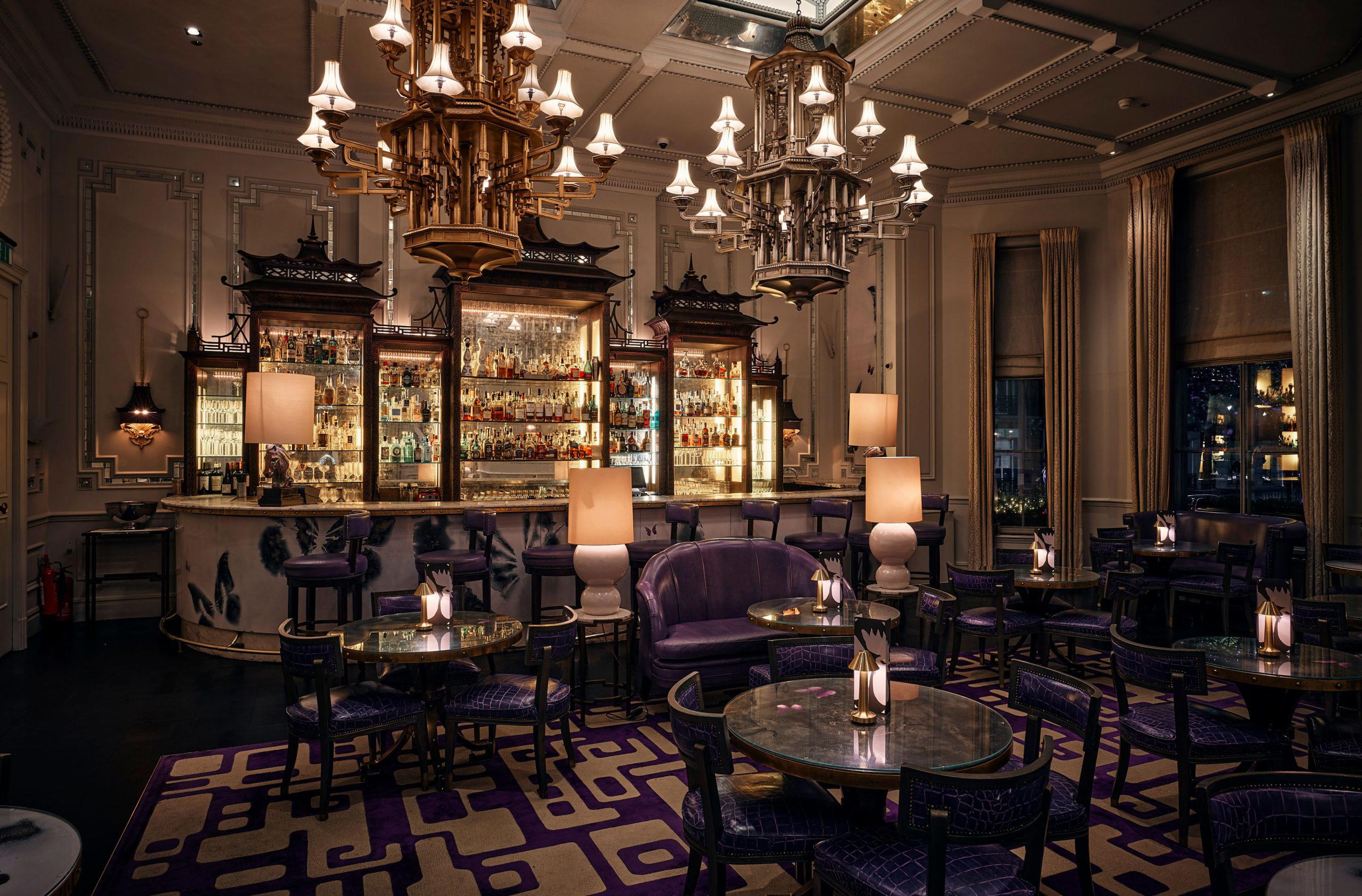
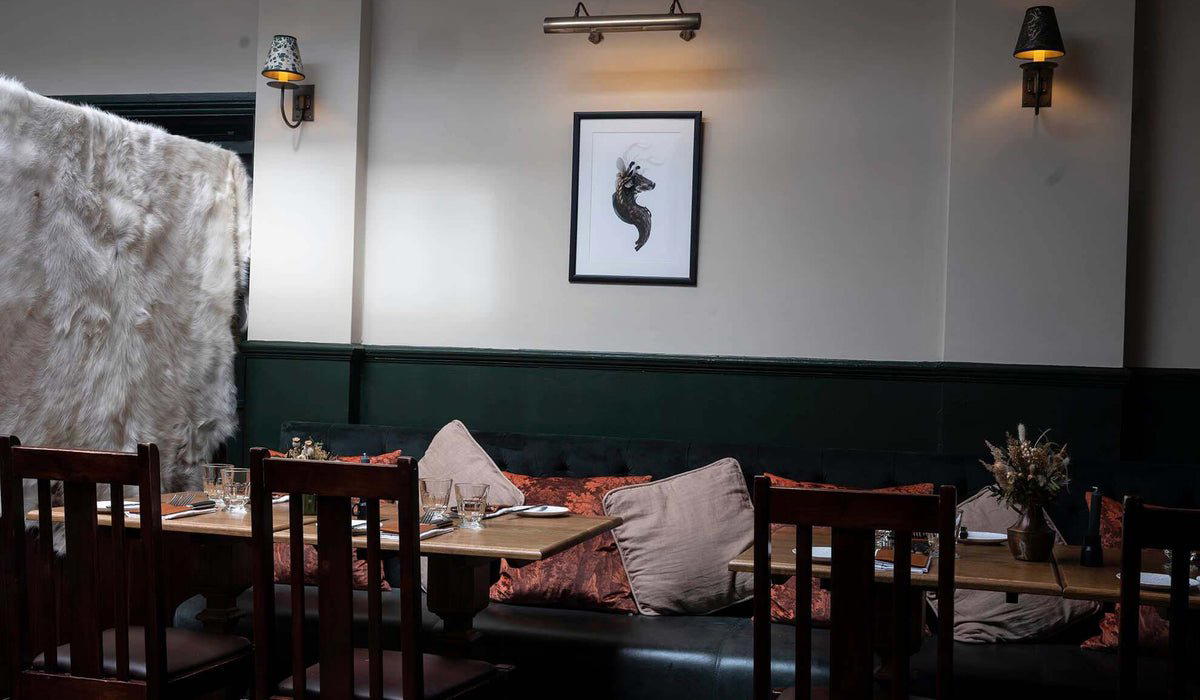
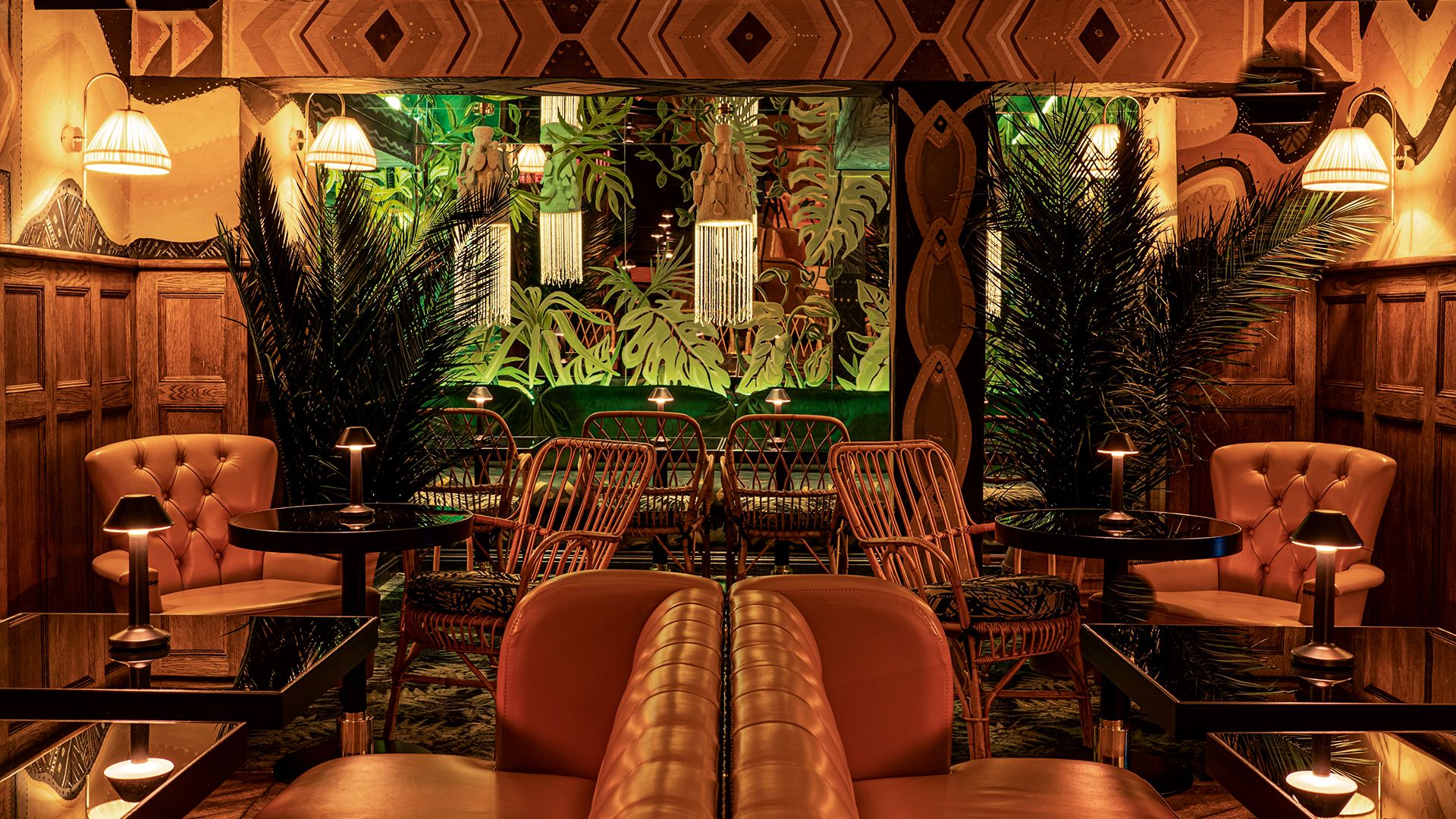
Hotels in London
Browse all →


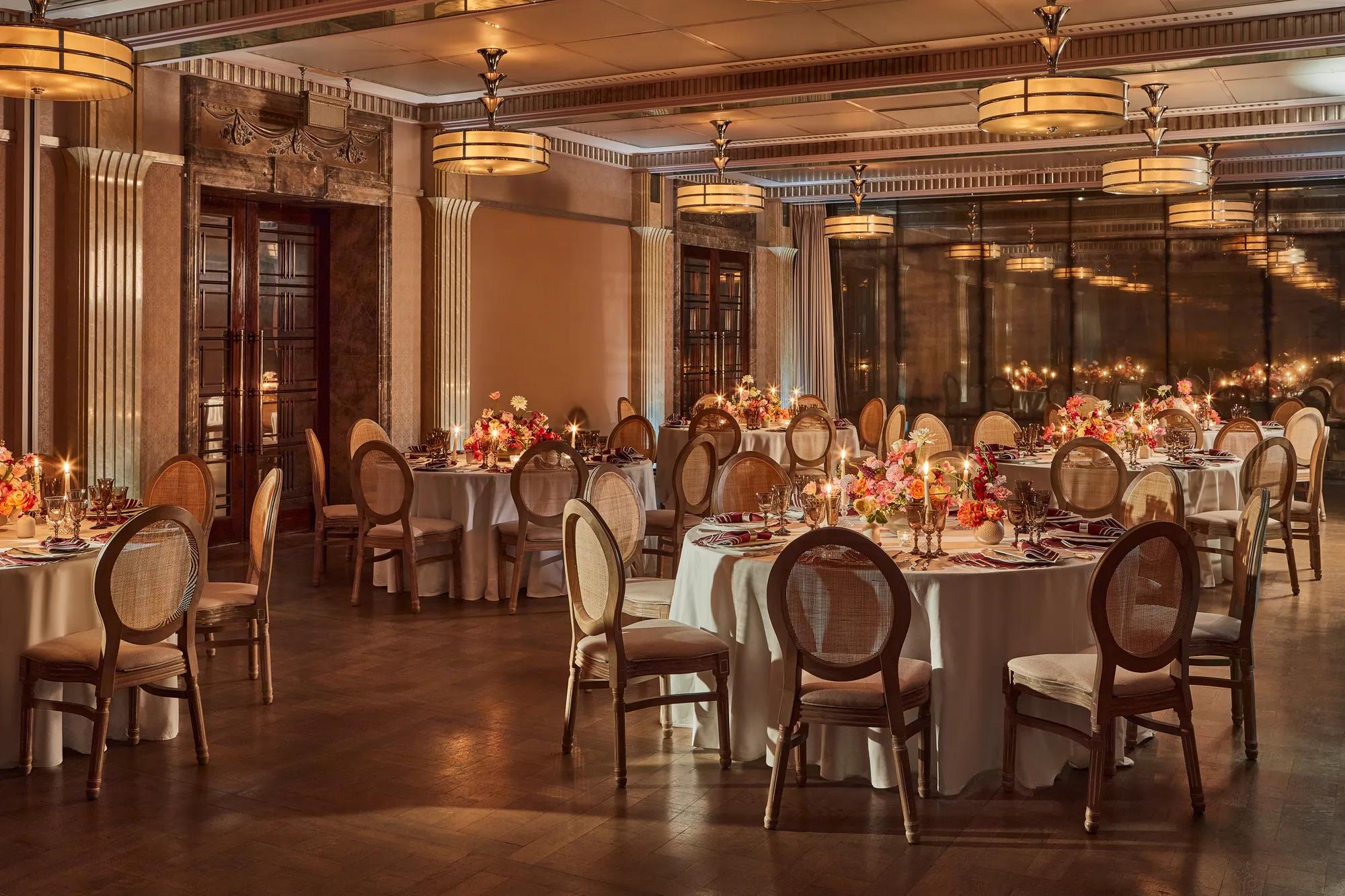

Wineries in London
Browse all →
At a Glance
- Sophisticated
- Intimate
- Modern
- Romantic
- Date Night
- Special Occasion
- Business Dinner
- Group Dining
- Solo
- Chefs Counter
- Design Destination
- Standalone
- Craft Cocktails
- Beer Program
- Extensive Wine List
Tucked into Notting Hill, the restaurant is described as intimate and elegant, with a refined, date-night feel suited to a focused tasting experience.