Escabèche



Michelin Plate · We're Smart World 2 Radishes
Our verdict
Michelin Plate-recognised for two consecutive years, Escabèche on Dumortierlaan brings a sharply defined approach to Creative French cooking in Knokke's quieter residential quarter. Chef Kim Verhasselt works with first-class ingredients, threading Mediterranean and Eastern accents through dishes that favour acid brightness over richness. The result is a menu that reads coastal without leaning on cliché.

Pearl is the En Primeur Club membership app, where members save venues, book tables and use the concierge.
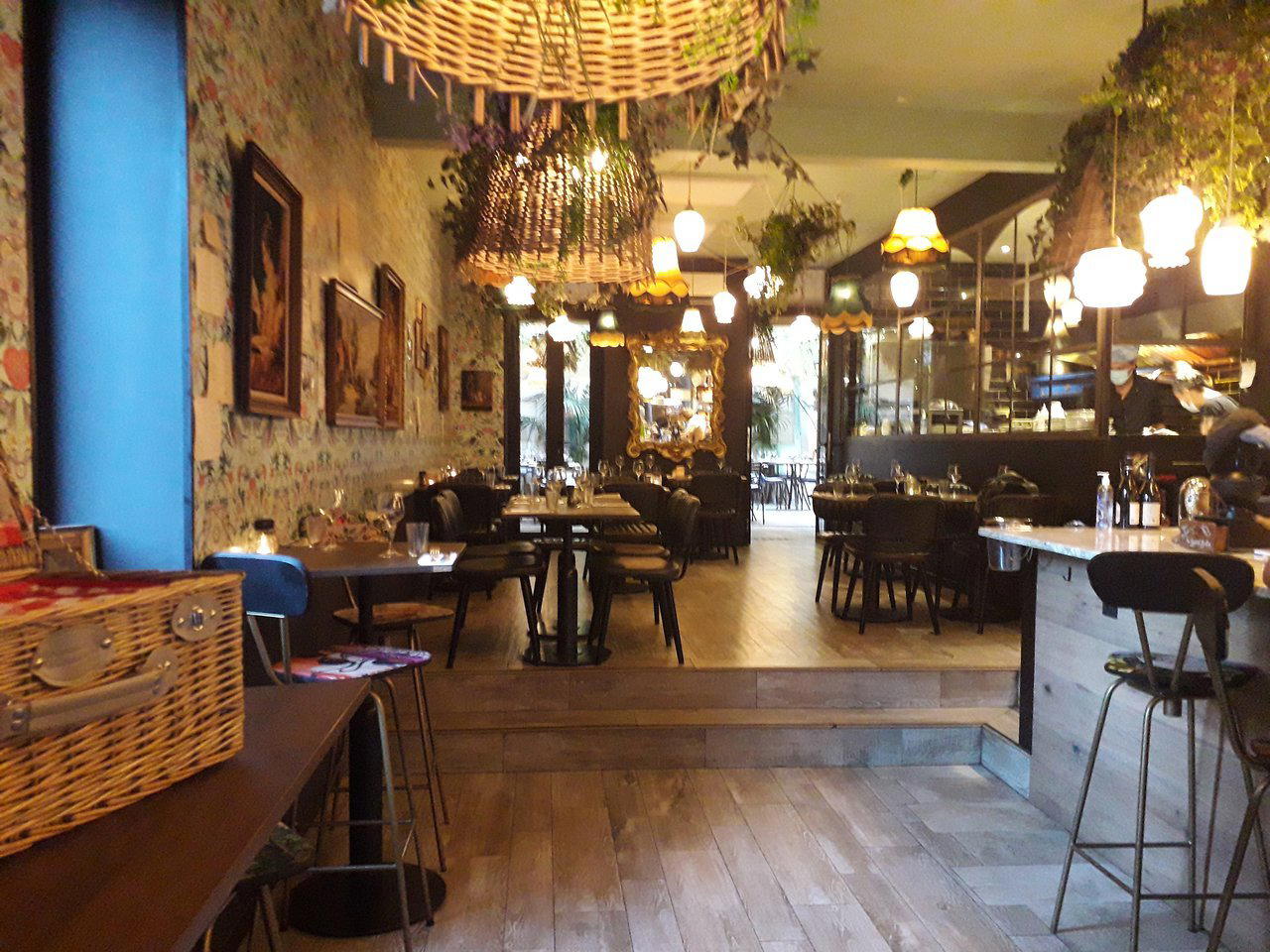
Knokke's Residential Fringe and What It Produces
Knokke-Heist occupies a particular place in the Belgian coastal imagination: part seaside resort, part year-round address for those who treat the North Sea coast as a serious place to eat. The town's dining scene has fragmented into distinct tiers over the past decade, with the highest-profile rooms clustered near the casino and the seafront promenade, while a quieter, more considered tier has taken root along the residential avenues further inland. Dumortierlaan sits in that second category. The address signals something about Escabèche's orientation before you walk through the door: this is not a restaurant angling for passing tourist traffic.
That positioning matters when reading what the kitchen does. In neighbourhoods where foot traffic is reliable, menus can afford a certain conservative legibility. In quieter residential settings, a restaurant survives on reputation and return visits, which tends to push kitchens toward specificity. At Escabèche, that specificity expresses itself through a cooking style that uses acid as a structural element rather than a finishing gesture.
The Kitchen's Logic: Acid, Weight, and the Mediterranean Thread
Creative French at the €€€ price point in Belgium occupies a complicated middle ground. Escabèche is priced to attract regulars rather than occasion diners, and the cooking reflects that: technically precise, but not reliant on the kind of theatrical flourishes that justify a once-a-year splurge.
Chef Kim Verhasselt builds dishes around a deliberate lightness. Where much of the Belgian fine-dining tradition leans into richness and reduction, the kitchen here introduces Mediterranean and Eastern references to shift the register. A combination of pointed cabbage, apple, and king crab with skate shows the approach clearly: the cabbage and apple provide sharpness, the crab adds sweetness, and the skate anchors the plate with substance without loading it with fat. Dishes are constructed to feel light at the end of a meal rather than heavy at the start of the next one.
A second dish illustrates the range: celeriac in salt crust with savoy cabbage and winter truffle alongside veal sweetbreads. Sweetbreads are as rich as offal gets, and salt-crusted celeriac is not a lean preparation. The truffle adds aromatic intensity. What keeps the dish from collapsing under its own weight is the same acid discipline applied throughout the menu. The escabèche technique itself, a marinade method of Spanish and Portuguese origin involving vinegar or citrus, appears as a preparation for mushrooms and cauliflower alongside goose liver and a Simmenthal beef tartare. Using the restaurant's namesake method on vegetables rather than fish or meat is an editorial choice: it brings brightness to components that would otherwise read as supporting cast.
Simmenthal beef, a dual-purpose breed prized in alpine regions for its fat marbling and clean flavour, signals an ingredient-sourcing posture that goes beyond the default Belgian supply chain. First-class ingredients at this price point means selecting producers rather than accepting standard hospitality-trade supply, and the specific breed reference in the kitchen's repertoire is consistent with that approach.
Where Escabèche Sits in Knokke's Dining Picture
Knokke now sustains a wider range of serious cooking than its resort-town profile might suggest. The coastal location supports a natural appetite for fish and shellfish, but the town's permanent and semi-permanent population has created demand for restaurants that operate year-round at a higher register. Bartholomeus in nearby Heist represents the apex of seafood-focused ambition along this stretch of coast, while the Knokke proper scene ranges from the creative Franco-Belgian seriousness of Sel Gris down through mid-tier options like Dah Makan for fusion and Boo Raan for Thai at a more accessible price point. Cuines 33 operates at the €€€€ level with a creative format, while Blanco covers the Mexican register at €€.
Escabèche at €€€ with back-to-back Michelin Plate recognition in 2024 and 2025 positions it as a serious mid-tier address: a kitchen the guide considers worth noting but not yet in the star conversation. The Michelin Plate, awarded for good food rather than the full star criteria, functions as a quality signal without implying the full apparatus of tasting menus and elaborate service that stars tend to require. For a residential-quarter restaurant with a return-visit model, that may be the appropriate tier.
The broader West Flemish coastal dining conversation extends further along the Belgian coast and inland. Willem Hiele in Oudenburg has built a profile around terroir-driven cooking that references the polders and the sea simultaneously. Inland, Boury in Roeselare and Hof van Cleve in Kruishoutem represent the upper tier of West Flemish fine dining, with multiple stars and an international visitor profile. Zilte in Antwerp anchors the urban end of Belgian creative cooking.
For those building a broader European itinerary around Creative French cooking at this register, comparable addresses exist in the German-speaking countries: Restaurant Haerlin in Hamburg and Gourmetrestaurant Dichter in Rottach-Egern both operate in the Creative French tradition, though with significantly different price positioning and service formats. Bozar Restaurant in Brussels offers a useful point of comparison for how Creative French plays in a major Belgian urban context versus a coastal resort town.
Planning a Visit
Escabèche is located at Dumortierlaan 94 in Knokke-Heist, a residential avenue that requires intent to reach rather than proximity to the main tourist circuits. The €€€ price range places it in the bracket where a full dinner for two with wine lands meaningfully above a casual meal but well below the town's top-end tables. Phone and online booking details are not published in current records; visiting the address directly or asking your hotel concierge to make contact is the practical approach, particularly during the summer season when the broader Knokke-Heist area operates at peak capacity. The Michelin Plate recognition in both 2024 and 2025 suggests consistent output rather than a single strong year, which makes advance planning sensible. For a complete picture of what the town offers beyond this address, the EP Club Knokke restaurants guide covers the full range, and the Knokke hotels guide, bars guide, wineries guide, and experiences guide provide the broader infrastructure for a stay.
What Regulars Order
The dishes that surface consistently in accounts of the kitchen anchor around the escabèche preparations and the acid-forward compositions: the skate with king crab, pointed cabbage, and apple is the clearest expression of the kitchen's method, using the sweetness of crab against the sharpness of apple and the neutral, flaky texture of skate. The veal sweetbreads with salt-crusted celeriac, savoy cabbage, and winter truffle represent the richer register the kitchen can reach without abandoning the lightness principle. The mushroom, cauliflower, and goose liver escabèche alongside Simmenthal beef tartare is the dish most directly tied to the restaurant's name and culinary identity. Across two consecutive years of Michelin Plate recognition, these compositions have remained consistent reference points for the kitchen's approach to Creative French cooking with Mediterranean and Eastern structural influences.
Frequently asked questions
What kind of recognition has Escabèche received?
Escabèche has received recognition including: Kim Verhasselt cooks with first-class ingredients in which he incorporates Mediterranean and Eastern influences. He gives his dishes crisp acid accents so they are not plump but light and refreshing. He combines pointed cabbage, apple and k….
Is Escabèche more mid-range or high-end?
Pricing at Escabèche is listed as €€€.
What do regulars order at Escabèche?
The dishes that return most consistently in accounts of the kitchen are built around the escabèche preparations and the kitchen's signature acid logic. The skate with pointed cabbage, apple, and king crab is a recurring reference point, as is the veal sweetbreads with celeriac in salt crust, savoy cabbage, and winter truffle. The tartar of Simmenthal beef paired with escabèche of mushrooms, cauliflower, and goose liver represents the more terrestrial end of the same approach. All three sit in the €€€ price range that positions Escabèche above casual coastal dining in Knokke-Heist.
Where do I go for Escabèche?
Escabèche is located at Dumortierlaan 94, 8300 Knokke-Heist, Belgium, Knokke.
Reputation First
| Venue | Cuisine | Price | Awards | Notes |
|---|---|---|---|---|
| EscabècheThis venue (the venue you are viewing) | Creative French with Mediterranean and Japanese influences | $50–100 | Michelin Plate · We're Smart World 2 Radishes | Not listed |
| Sel Gris | Creative Contemporary Fine Dining | Not listed | 1 Michelin Star | French, Creative |
| Boo Raan | Authentic Traditional Thai | $50–100 | 1 Michelin Star | Thai |
| Cuines 33 | Modern Creative Fine Dining | Not listed | 2 Michelin Stars | Creative |
| Blanco | Modern Mexican-Mediterranean Fusion | $50–100 | Michelin Plate | Not listed |
| Dah Makan | Asian-Western Fusion | Not listed | Michelin Plate | Not listed |
Recognition history
Dated appearances from independent guides and award organizations, with the underlying list record or original source where available.
Michelin Plate
Michelin
Opinionated About Dining Newly Added European Restaurants
Opinionated About Dining
We're Smart World 2 Radishes
We're Smart World
Full recognition history (6 entries)
Opinionated About Dining Top Restaurants in Europe Recommended
Opinionated About Dining
Michelin Plate
Michelin
Michelin Plate
Michelin
Continue exploring
More in Knokke Heist
Restaurants in Knokke Heist
All restaurants in Knokke Heist →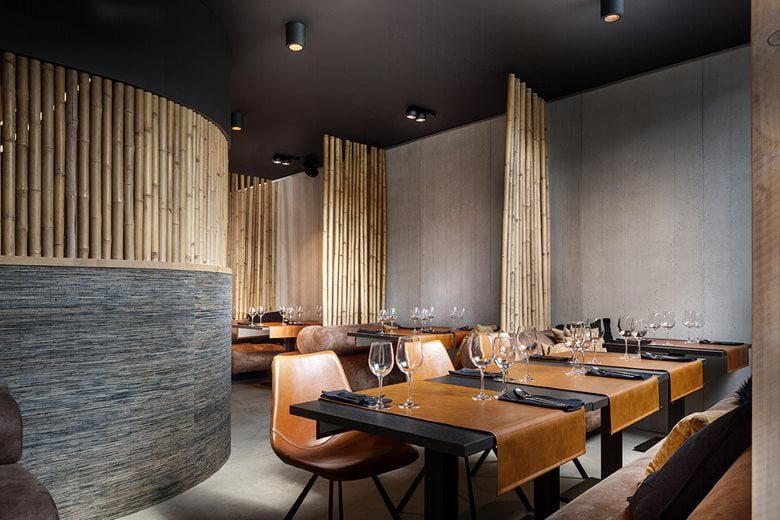
Details
- Elegant
- Modern
- Intimate
- Sophisticated
- Date Night
- Special Occasion
- Business Dinner
- Open Kitchen
- Extensive Wine List
- A La Carte
- Tasting Menu
- Wine
- Allergy Accommodating
Current opening hours
- Monday
- 12–2:30 PM, 7–10 PM
- Tuesday
- Closed
- Wednesday
- Closed
- Thursday
- 12–2:30 PM, 7–10 PM
- Friday
- 12–2:30 PM, 7–10 PM
- Saturday
- 12–2:30 PM, 7–10 PM
- Sunday
- 12–2:30 PM, 7–10 PM
Hours can change for holidays and private events. Hours as of .
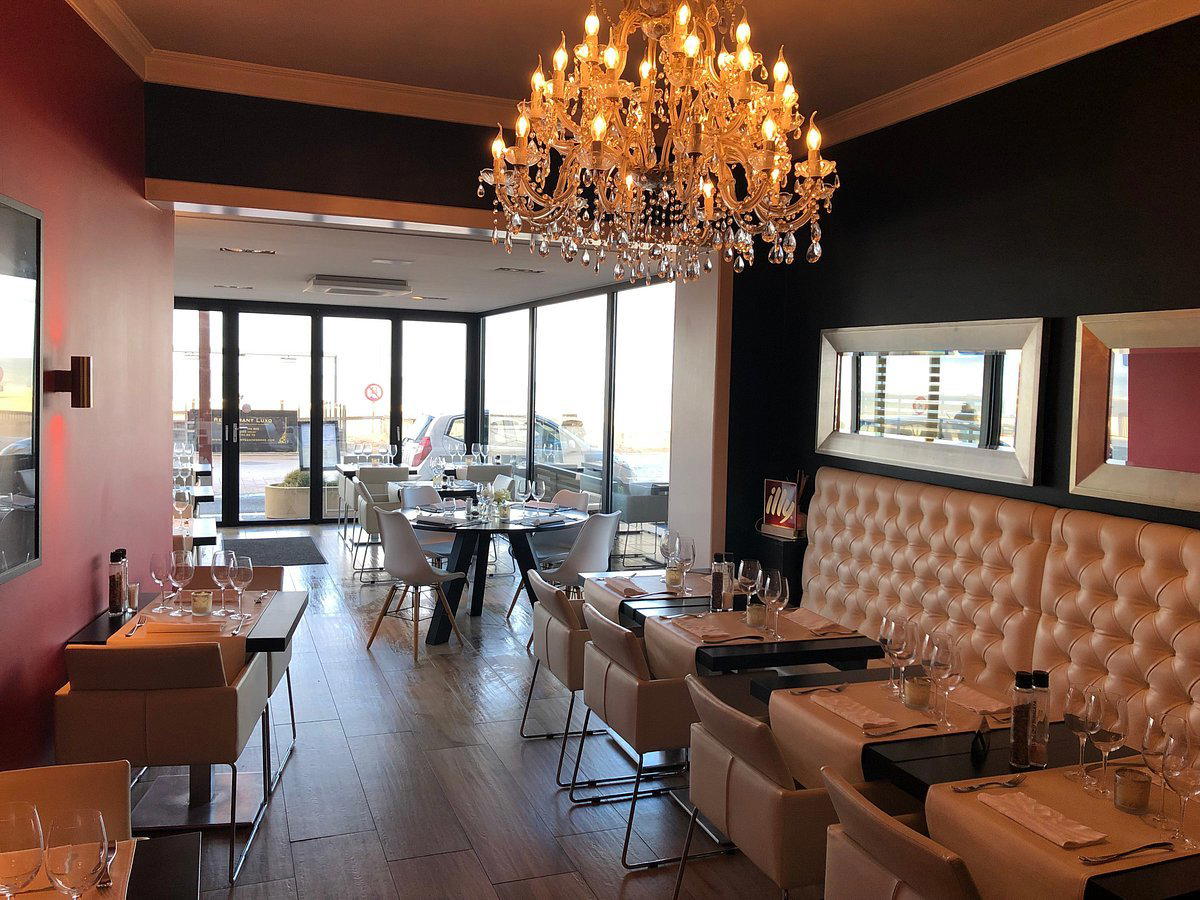
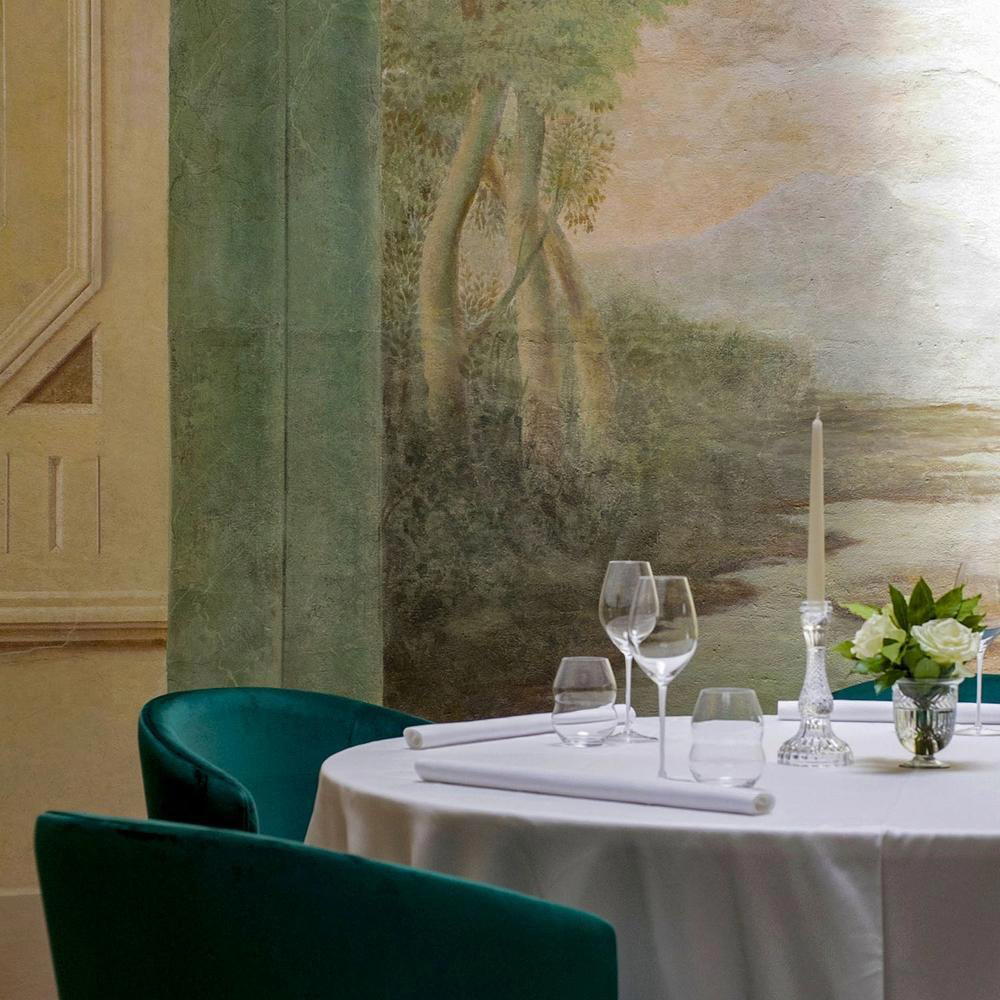
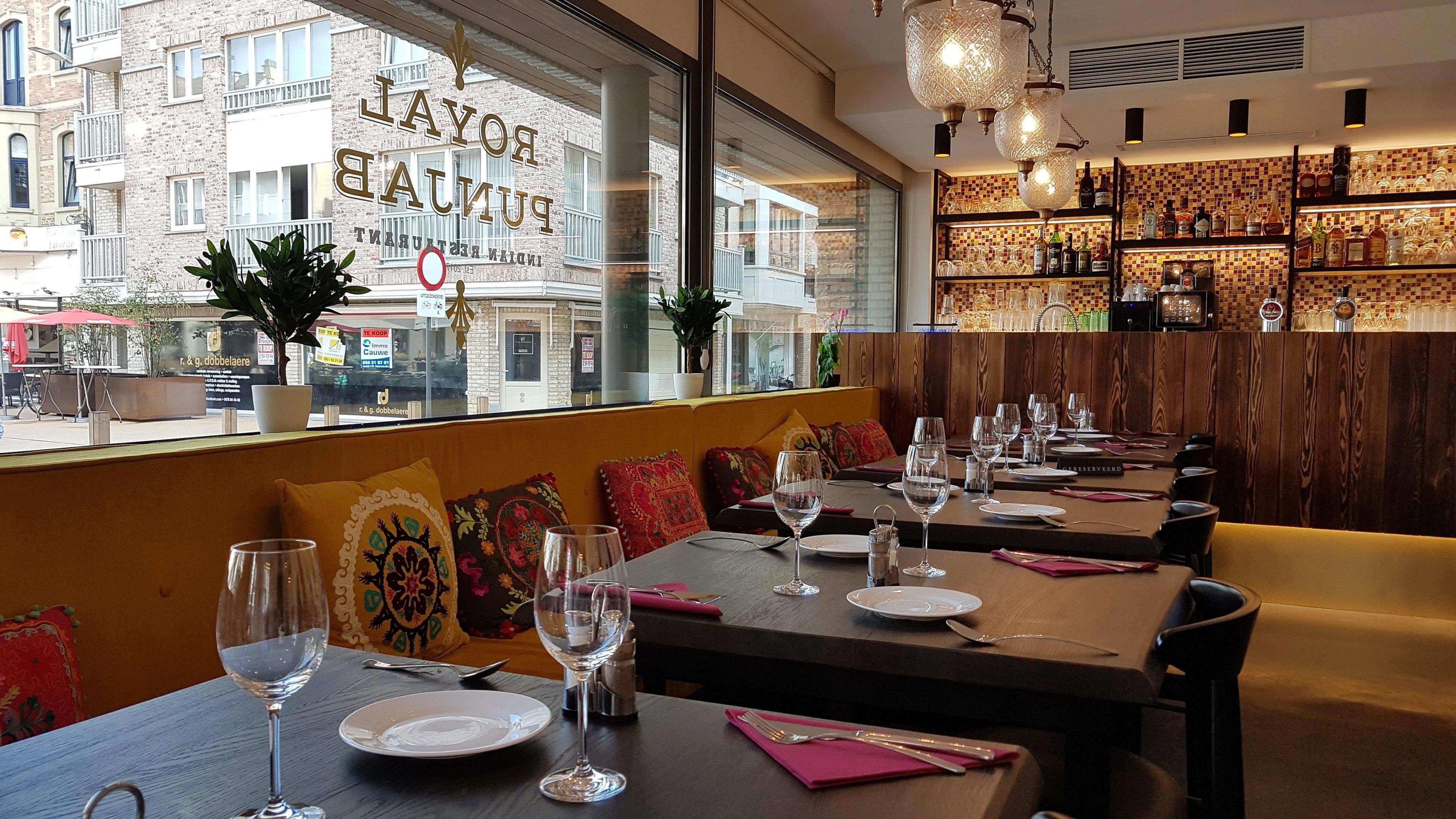
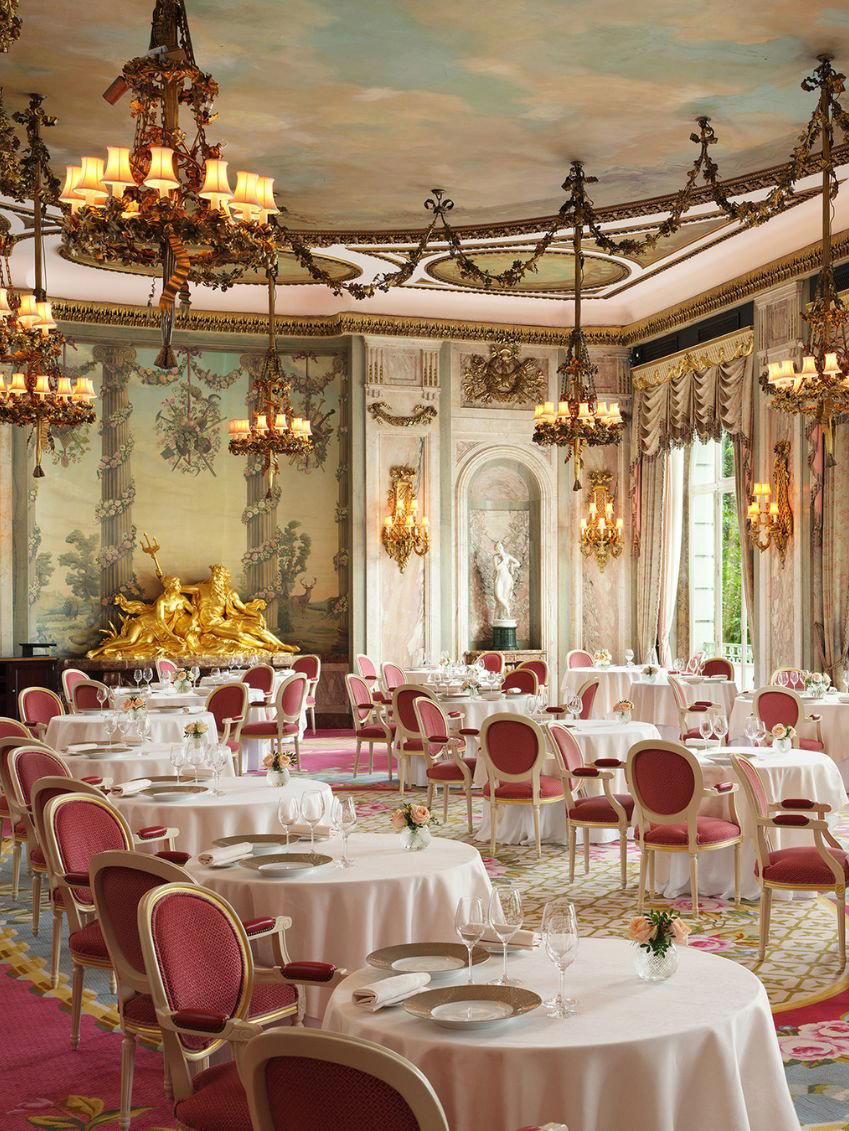
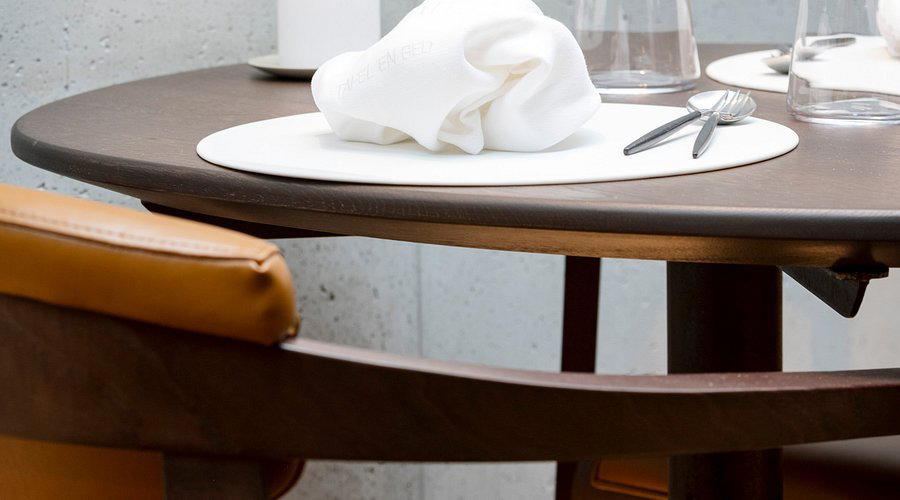
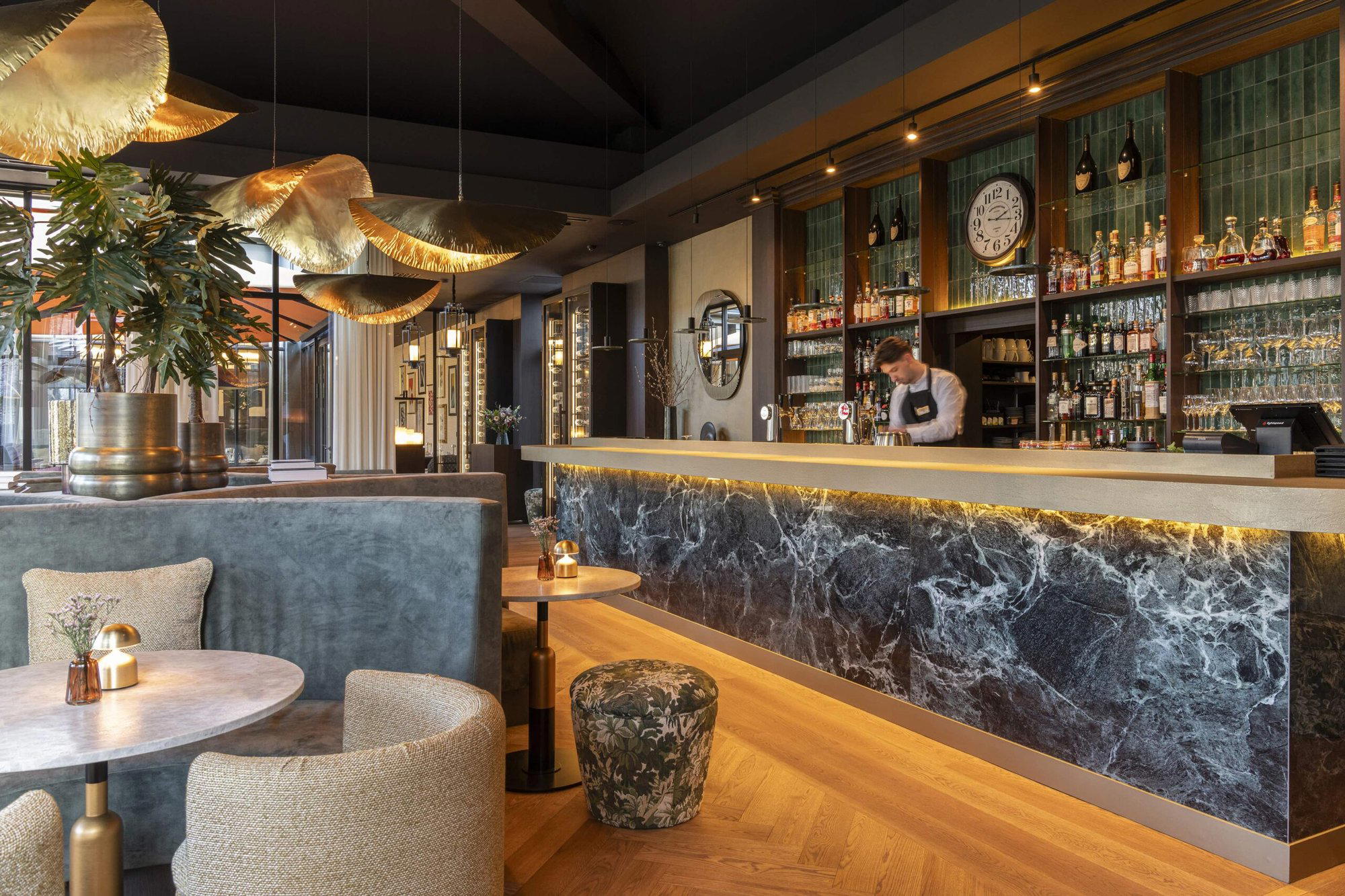
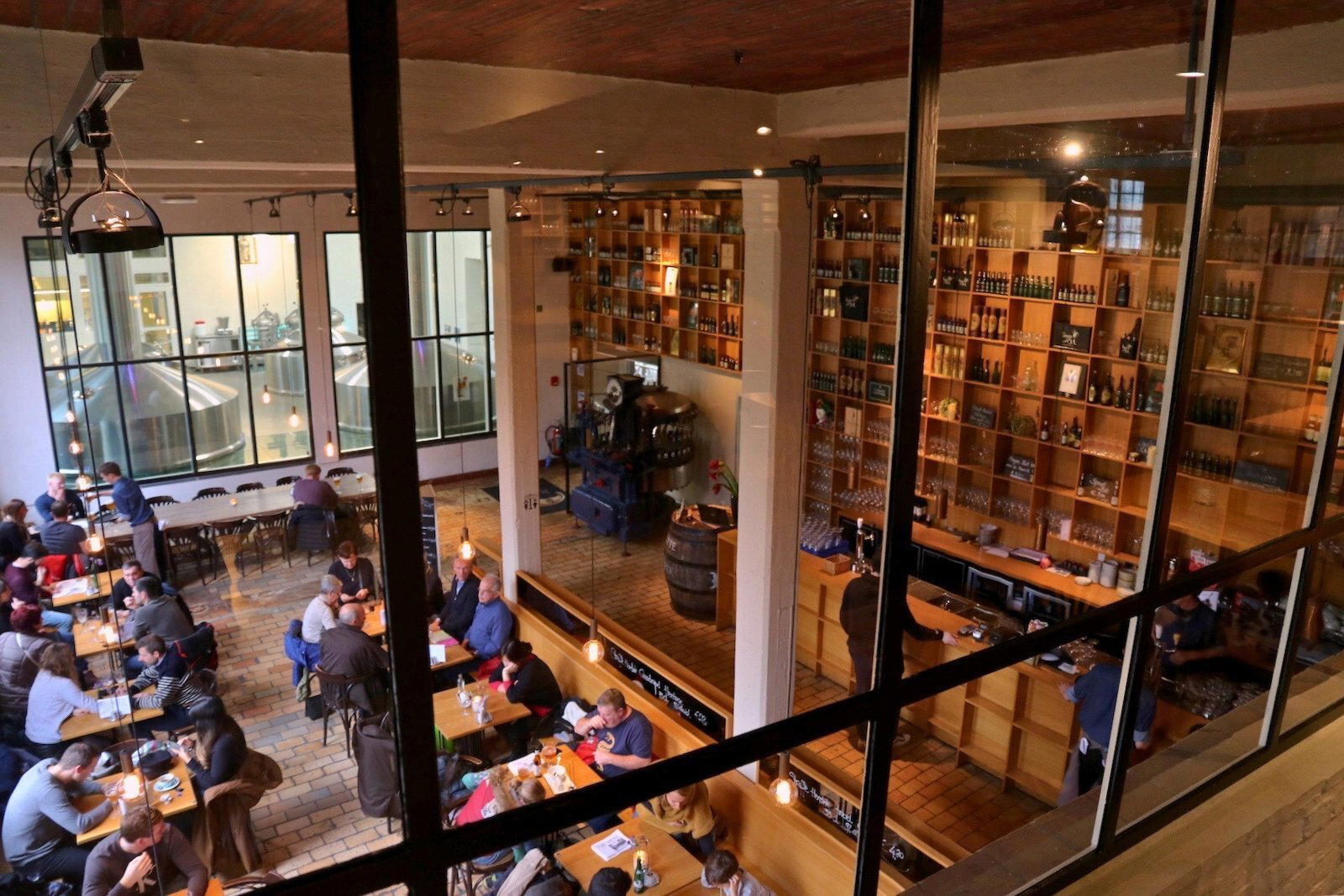
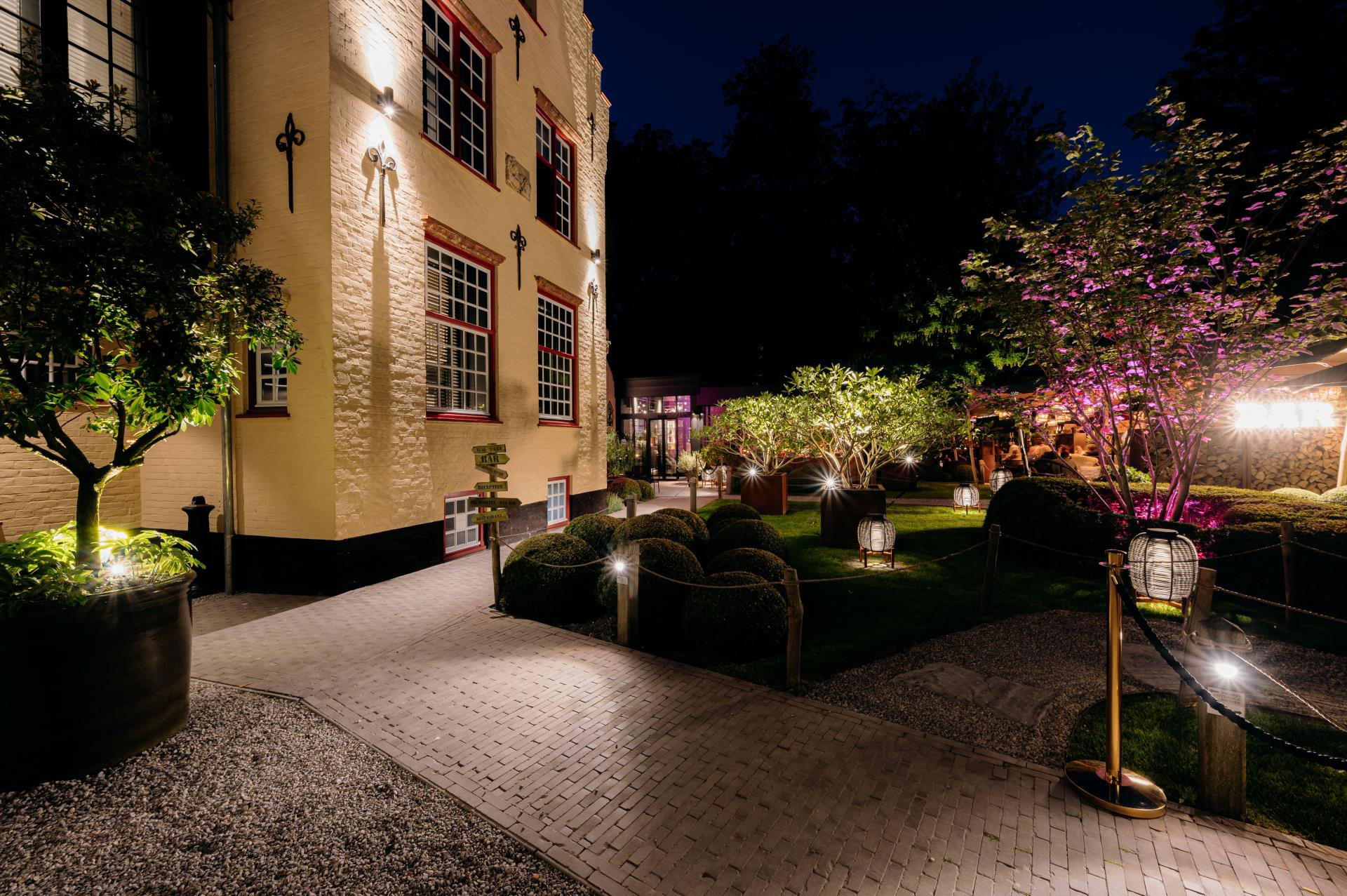
Trendy welcoming interior with eigentijdse en warme atmosphere, ideal for intimate dinners and lunches.