
Set within a working safari park in rural Blekinge, Eriksbergs Vilt & Natur pairs centuries-old farmstead buildings with serious gastronomy and a wine program that has ranked among Sweden's finest for two consecutive years on Star Wine List. The sourcing story begins before the kitchen: the estate's own wild game and natural surroundings shape what arrives on the plate, making the journey to Trensum part of the experience itself.
Pearl is the En Primeur Club membership app — saves, bookings, and concierge access live there. Same editors, same standards.
- Address
- Guöviksvägen 353, 374 96 Trensum, Sweden
- Phone
- +46 454 56 43 00
- Website
- eriksberg.se
- Directions
- Get directions
 Saves & bookings on Pearl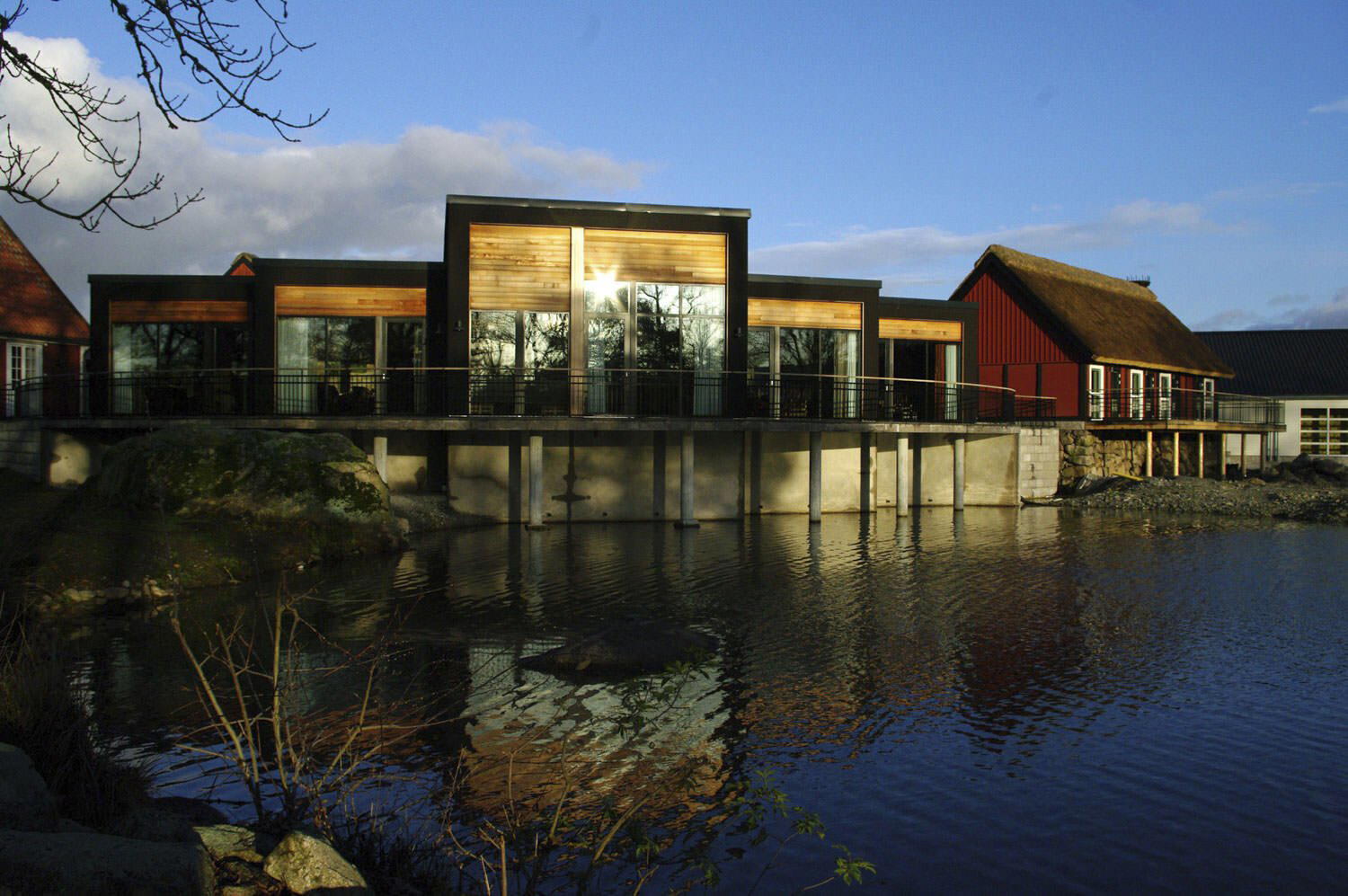
Where the Larder Is Also the View
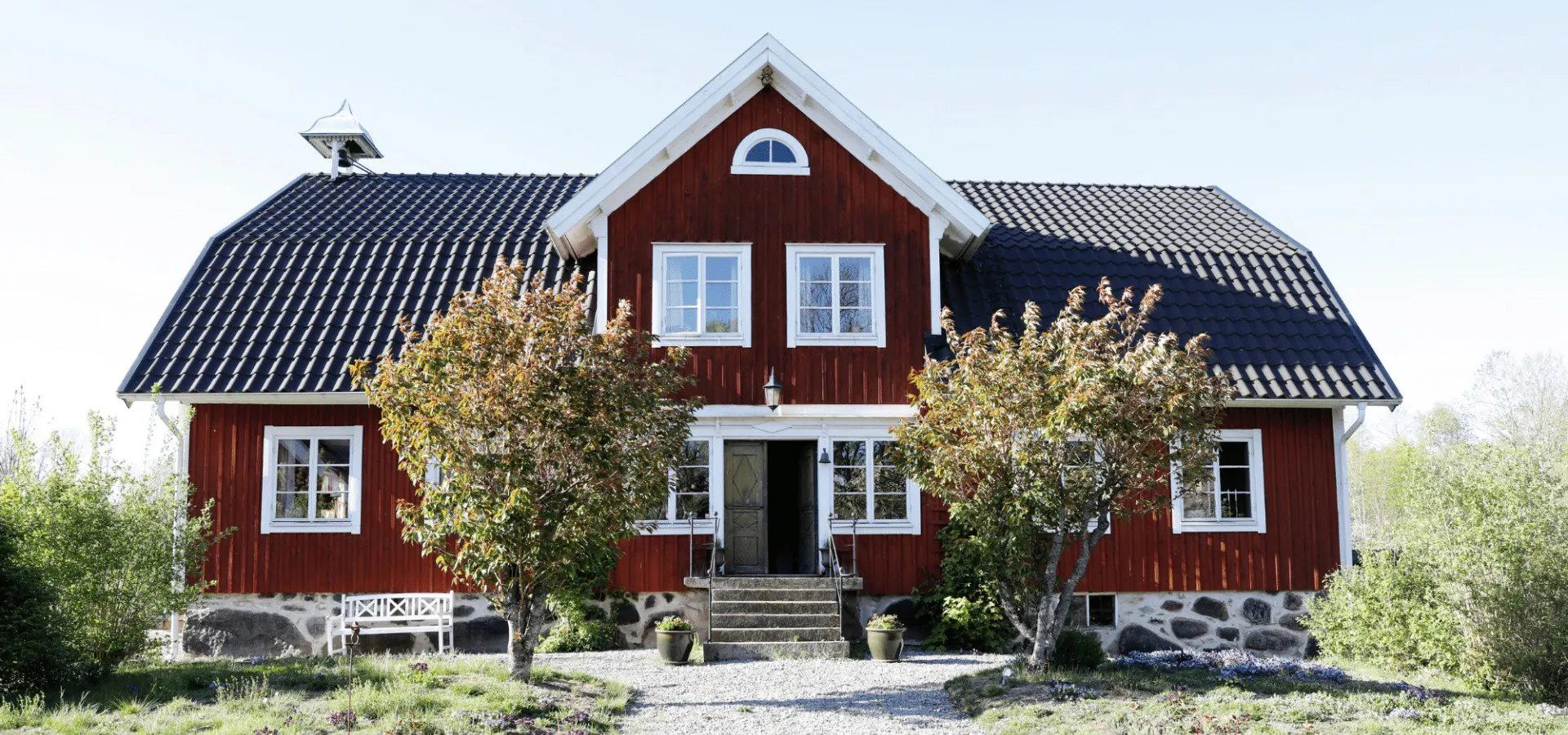
Arriving at Eriksbergs Vilt & Natur, the sequence of impressions matters. Before you reach either restaurant, you have already passed through a working safari park, where European bison, fallow deer, and other wildlife roam the same Blekinge landscape that supplies the kitchen. The buildings themselves are several hundred years old, their stone and timber carrying the kind of accumulated density that no renovation project can manufacture. In southern Sweden's dining conversation, which increasingly turns on questions of provenance and place, Eriksberg sits at an unusual intersection: the sourcing argument is not a marketing position but a physical reality visible from the dining room window.
That physical context sets Eriksberg apart from the broader wave of New Nordic restaurants that have made ingredient origin a central editorial claim. Venues like VYN in Simrishamn and ÄNG in Tvååker have built serious reputations around regional sourcing, but they operate from conventional restaurant premises. Eriksberg's kitchen draws from an estate ecosystem, which changes what sourcing means in practice: the gap between field and plate is measured in metres, not supply-chain kilometres.
The Sourcing Logic Behind the Plate
Swedish wild game cookery has a long tradition that predates any contemporary fine-dining interest in it. Elk, deer, and boar have been central to the country's rural food culture for centuries, and the Blekinge region, with its mixed forest and coastal proximity, has always been particularly well-positioned for it. What Eriksberg adds to that tradition is the estate-management dimension: the animals are part of a managed natural environment, which means the quality and character of the meat reflects decisions made at the landscape level, not just in the kitchen.
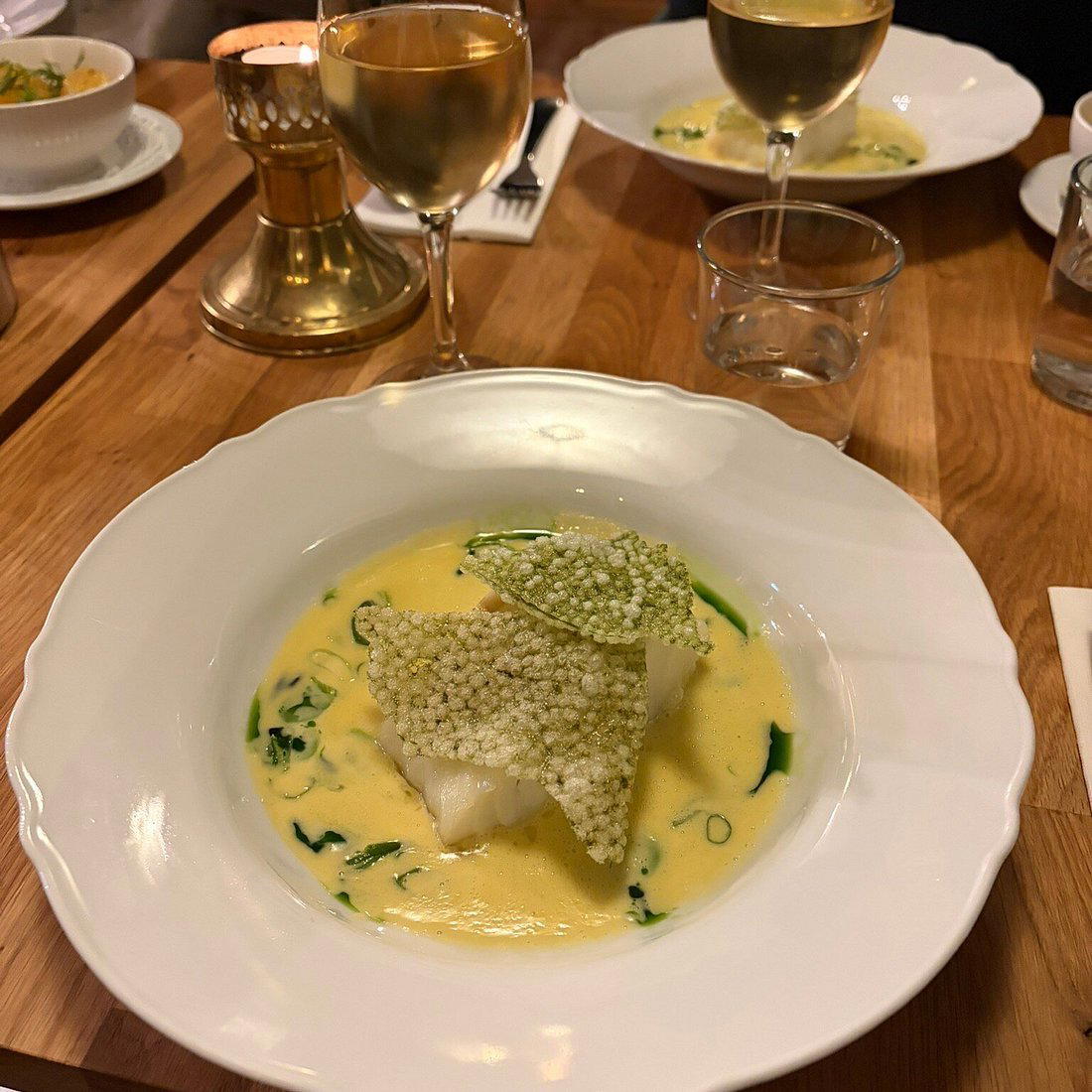
This is a different argument from the farm-to-table positioning that became fashionable across Scandinavian dining in the 2010s. At Eriksberg, the game is not sourced from a preferred regional supplier but produced within the same property boundary as the restaurant. The implications for a kitchen are significant: access to cuts and quantities that commercial supply chains rarely make available, the ability to plan menus around the estate's seasonal rhythms, and a traceability that goes beyond certification into direct observation. For guests who have spent time in the safari park before sitting down to eat, the connection between those two experiences is something most restaurant visits cannot replicate.
Southern Sweden's restaurant tier has been increasingly well-documented. Vollmers in Malmö holds two Michelin stars and operates at the top end of the region's contemporary dining offer. Knystaforsen in Rydöbruk and PM & Vänner in Växjö have each built followings rooted in regional identity. Eriksberg's position in that peer group is defined less by tasting-menu formalism and more by the estate-experience format, which places it in a different competitive register: not a destination restaurant in the conventional sense, but a destination in the fuller sense of the word.
A Wine Program That Has Earned Independent Recognition
The wine program at Eriksberg has attracted consistent external validation. Star Wine List, one of the more authoritative European wine publication platforms, ranked Eriksberg's list at number one in Sweden in both 2023 and 2024, with a number two ranking also appearing in both years across different category tiers. For a property in rural Blekinge, that level of sustained recognition within the Swedish wine community is a signal worth reading carefully. Wine lists that rank at that level in consecutive years reflect curatorial consistency, not a single strong vintage of purchasing decisions.
Sweden's fine-dining wine culture has developed considerably over the past decade. Stockholm venues like Frantzén set the ceiling for what a Scandinavian wine program can look like at the summit of the market, while regional restaurants such as Signum in Mölnlycke and 28+ in Gothenburg have demonstrated that serious wine programs are not exclusively a capital-city proposition. Eriksberg fits that regional pattern but adds the dimension of its food-and-wine pairing context: game-focused menus create particular opportunities for the kind of structured, terroir-driven wines that reward cellaring, and a program that ranks nationally suggests the list is built with that pairing logic in mind.
The Restaurants and the Setting
Eriksberg operates two restaurants, Visenten and a second venue within the estate, each positioned differently within the overall offer. The award data references both in the same citation, suggesting the wine program recognition applies across the property rather than to a single room. The estate's buildings, some dating back several hundred years, create a physical atmosphere that operates at a different register from the clean-lined contemporary interiors that define much of Sweden's premium dining scene. Rough stone walls and aged timber carry associations that modern restaurant design has been trying to recreate artificially for the past decade; at Eriksberg, they are simply what the buildings are.
For guests planning a visit, Trensum is accessible from Karlskrona, the nearest significant town in Blekinge, and the estate's rural location means that the journey itself functions as a decompression from urban pace rather than an inconvenience. The combination of safari experience, estate dining, and accommodation options on the property suggests that a single-night stay is the format most suited to getting full value from the visit. Those exploring the region's broader dining offer can find additional context in our full Trensum restaurants guide, while our Trensum hotels guide, bars guide, wineries guide, and experiences guide cover the surrounding area in detail.
Further afield, those building a southern Sweden itinerary around serious food might cross-reference Hotell Borgholm in Borgholm, JH Matbar in Ystad, or Fyr in Halmstad for a picture of how the region's dining has developed beyond its urban centres.
Comparison Snapshot
| Venue | Cuisine | Price | Awards |
|---|---|---|---|
| Eriksbergs Vilt & NaturThis venue — the venue you are viewing | Eriksbergs Vilt & Natur offers an exciting combination of safari park, a rustic environment with buildings that are several hundred years old – and great gastronomy. In the two restaurants, Visenten a...; Star Wine List #2 (2024); Star Wine List #1 (2024); Star Wine List #2 (2023); Star Wine List #1 (2023) | This venue | Not listed |
| Operakällaren | Swedish, Modern Cuisine | €€€€ | Michelin 1 Star |
| AIRA | Modern European, Modern Cuisine | €€€€ | Michelin 2 Star |
| Vollmers | New Nordic, Contemporary | €€€€ | Michelin 2 Star |
| VYN | New Nordic, Creative | €€€€ | Michelin 2 Star |
| Adam / Albin | New Nordic | €€€€ | Michelin 1 Star |
Recognition history
Dated appearances from independent guides and award organizations, with the underlying list record or original source where available.
Star Wine List
Star Wine List
Star Wine List
Star Wine List
Star Wine List
Star Wine List
Continue exploring
More in Trensum
Restaurants in Trensum
Browse all →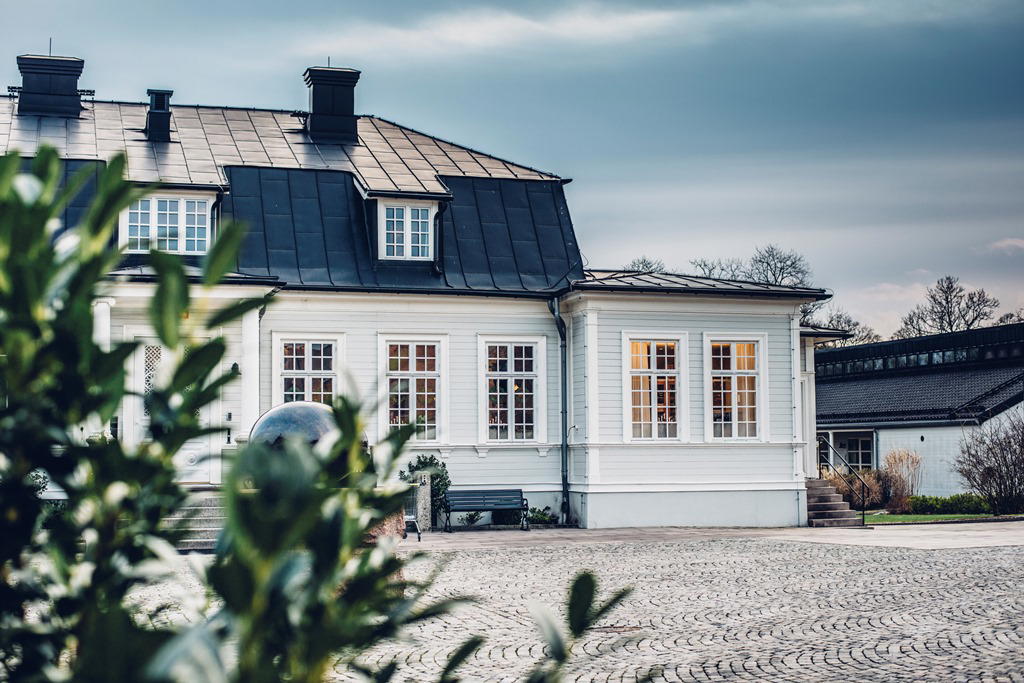
Bars in Trensum
Browse all →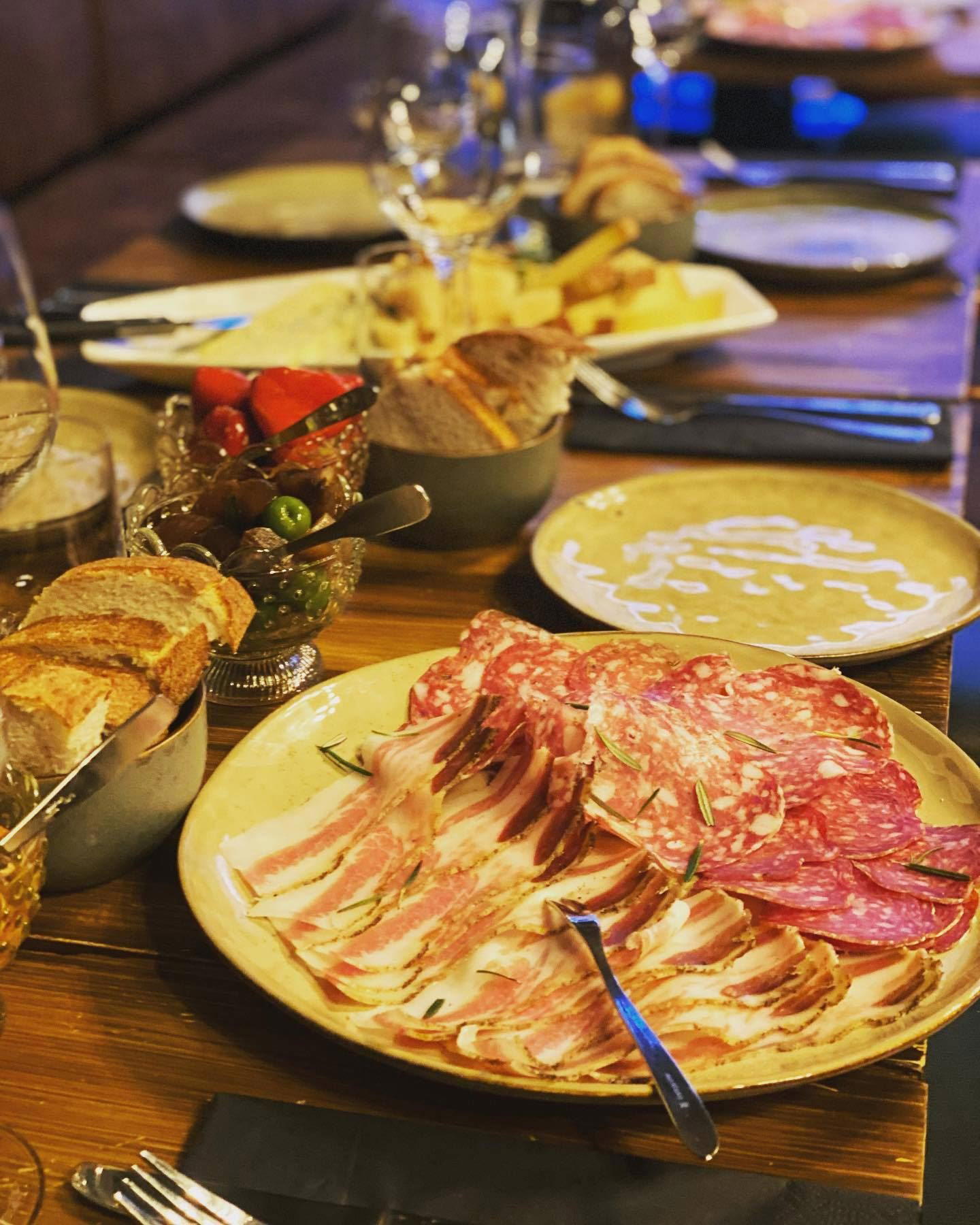
Hotels in Trensum
Browse all →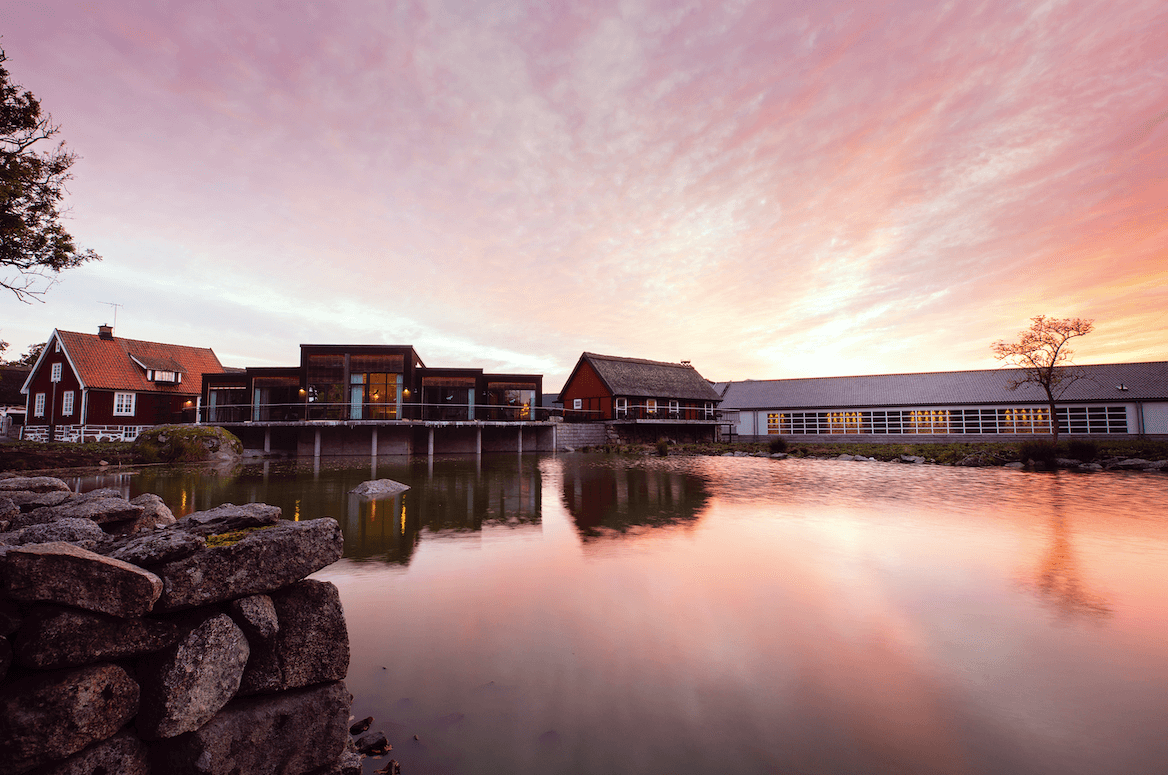
Wineries in Trensum
Browse all →
At a Glance
- Rustic
- Scenic
- Cozy
- Elegant
- Special Occasion
- Family
- Celebration
- Open Kitchen
- Terrace
- Historic Building
- Extensive Wine List
- Sommelier Led
- Local Sourcing
- Garden
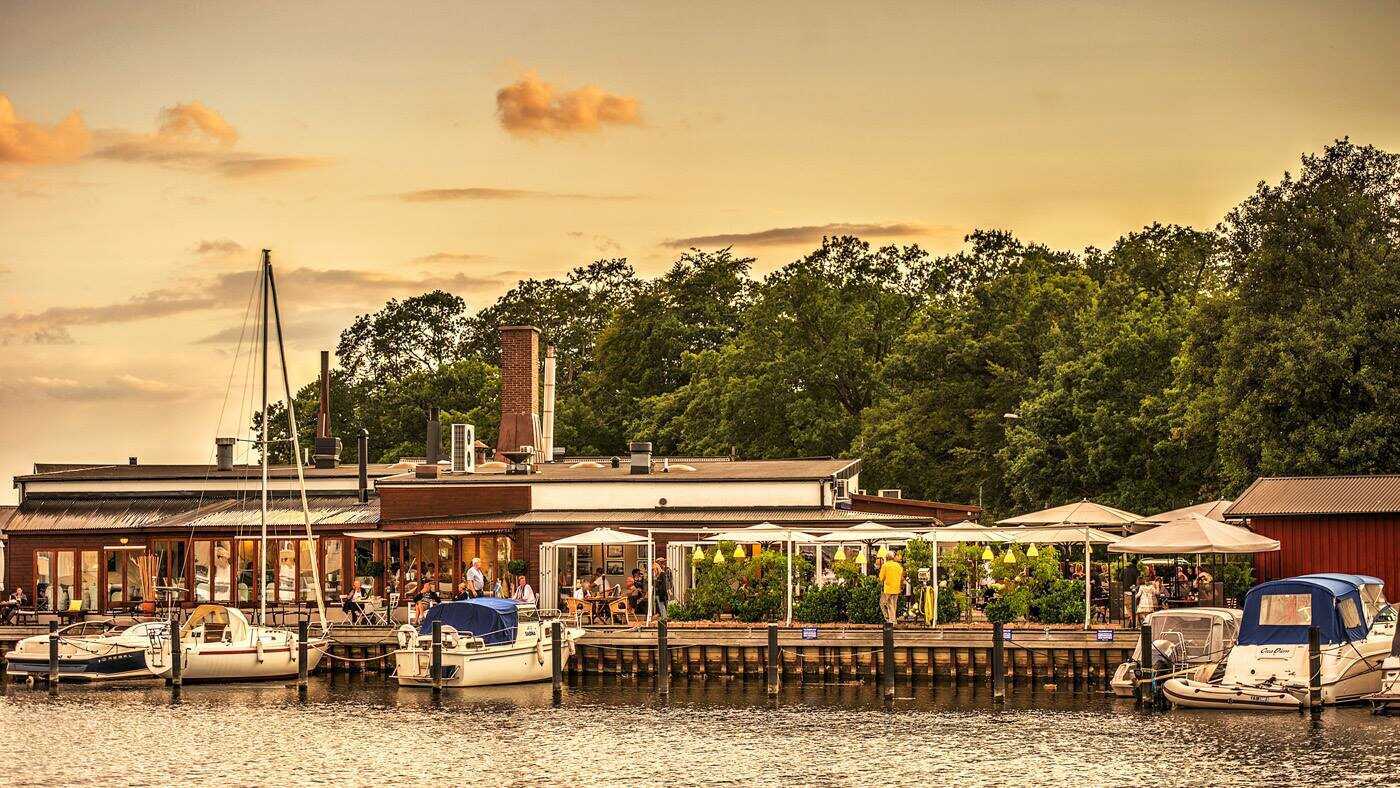
Harmonious and relaxing atmosphere with views of grazing wildlife, classic manor elegance, and natural lighting.
Know Before You Go
- Getting there
- Guöviksvägen 353, 374 96 Trensum, Sweden