Our verdict
Emilio occupies a quiet address on Hans Jensensvej in Billund, a town better known for its airport and LEGOLAND than its restaurant scene. For a city with limited fine-dining options, the presence of a named Italian-inflected restaurant operating at this address signals something worth investigating. Visitors passing through Denmark's western Jutland corridor should factor it into any meal planning.
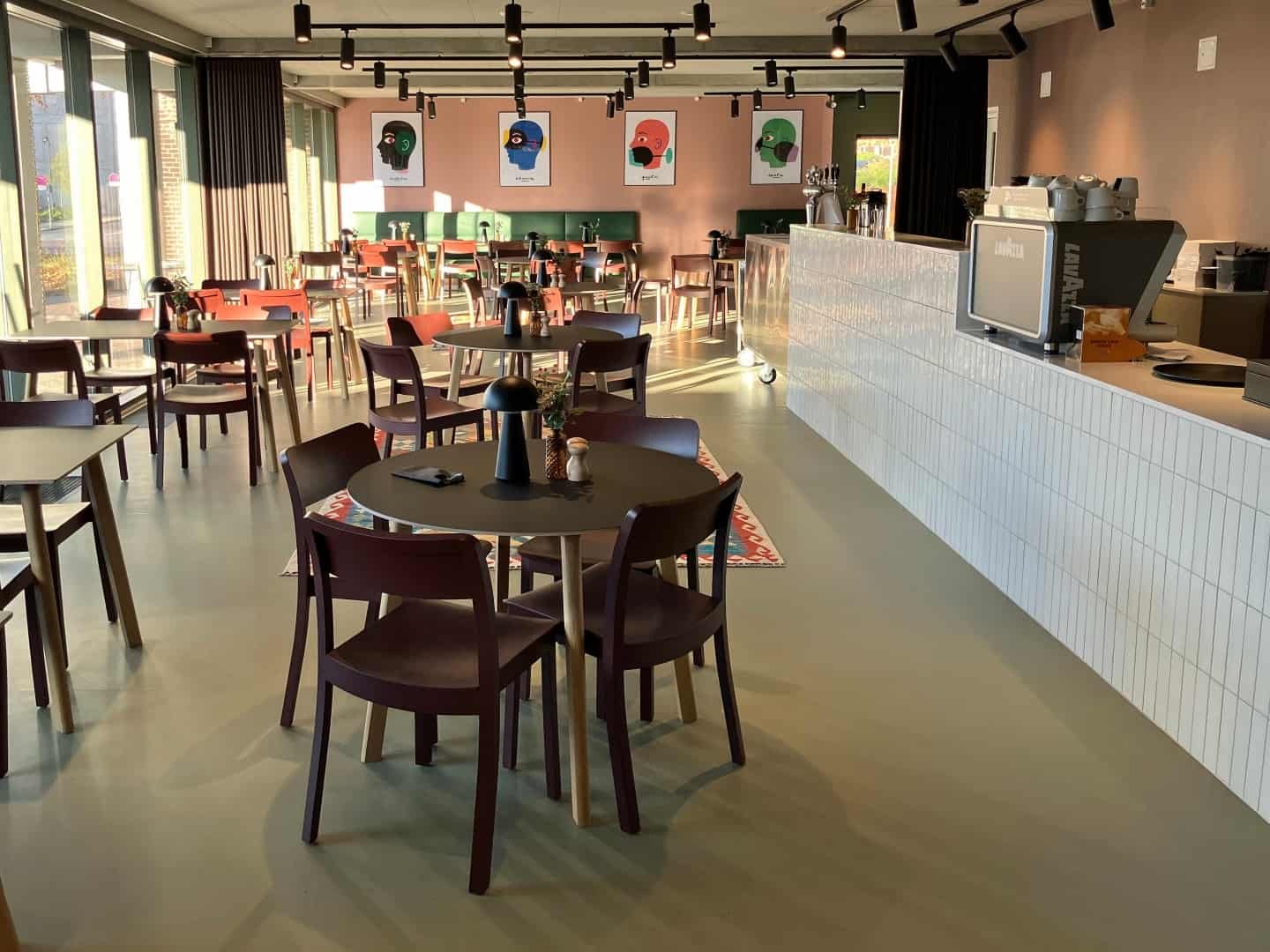
Dining in Billund: What the Scene Actually Looks Like
Billund is not a dining city in the way that Copenhagen or Aarhus commands that designation. Its international airport funnels several million passengers annually through Jutland, most of them bound for LEGOLAND or connecting onward, and the town's restaurant options have historically reflected that transient character: fast-casual formats, hotel dining rooms, and a handful of independent operators running everything from pizza to steakhouse cuts. That context matters when you're placing Emilio, located at Hans Jensensvej 6, inside any meaningful conversation about where to eat in the region.
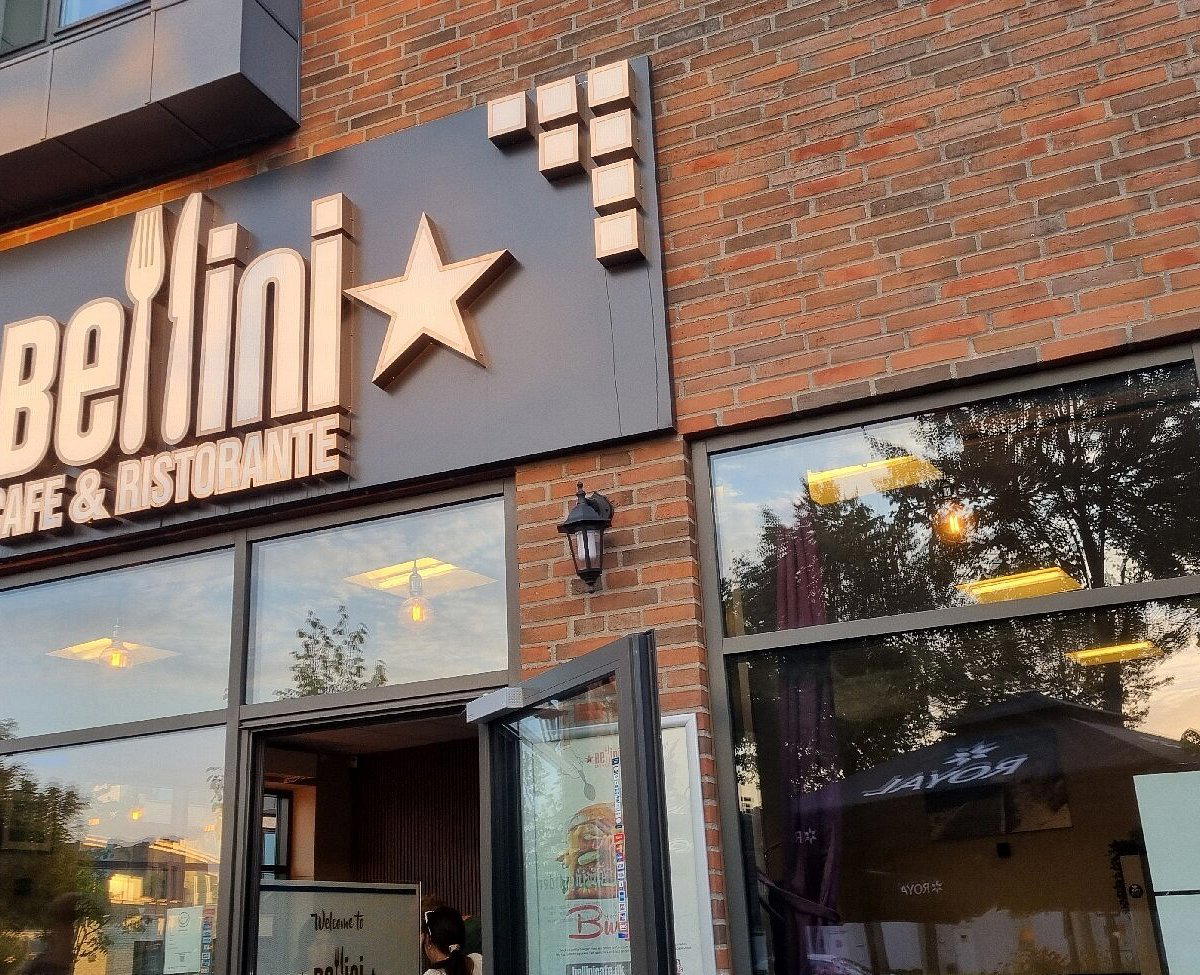
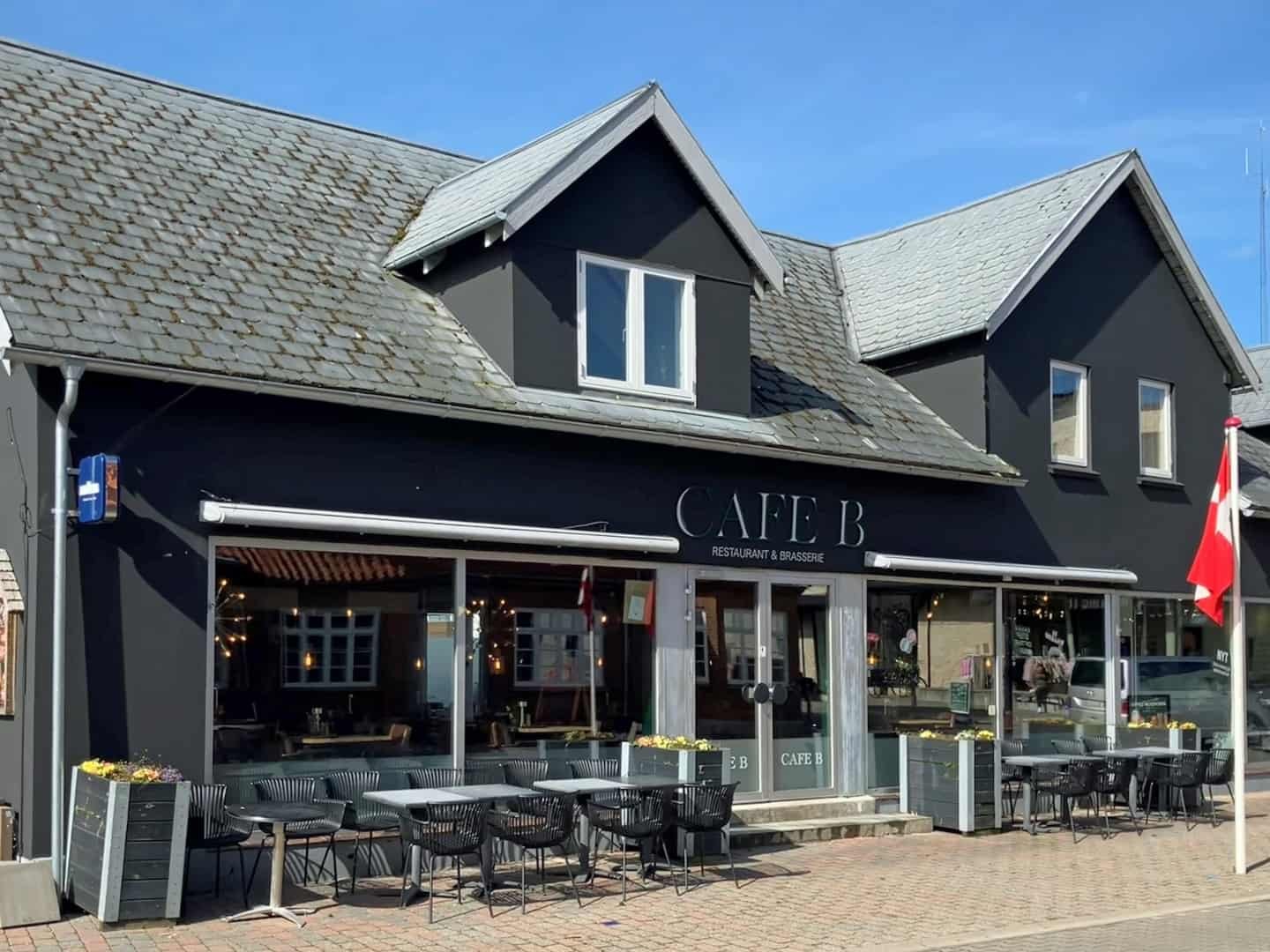
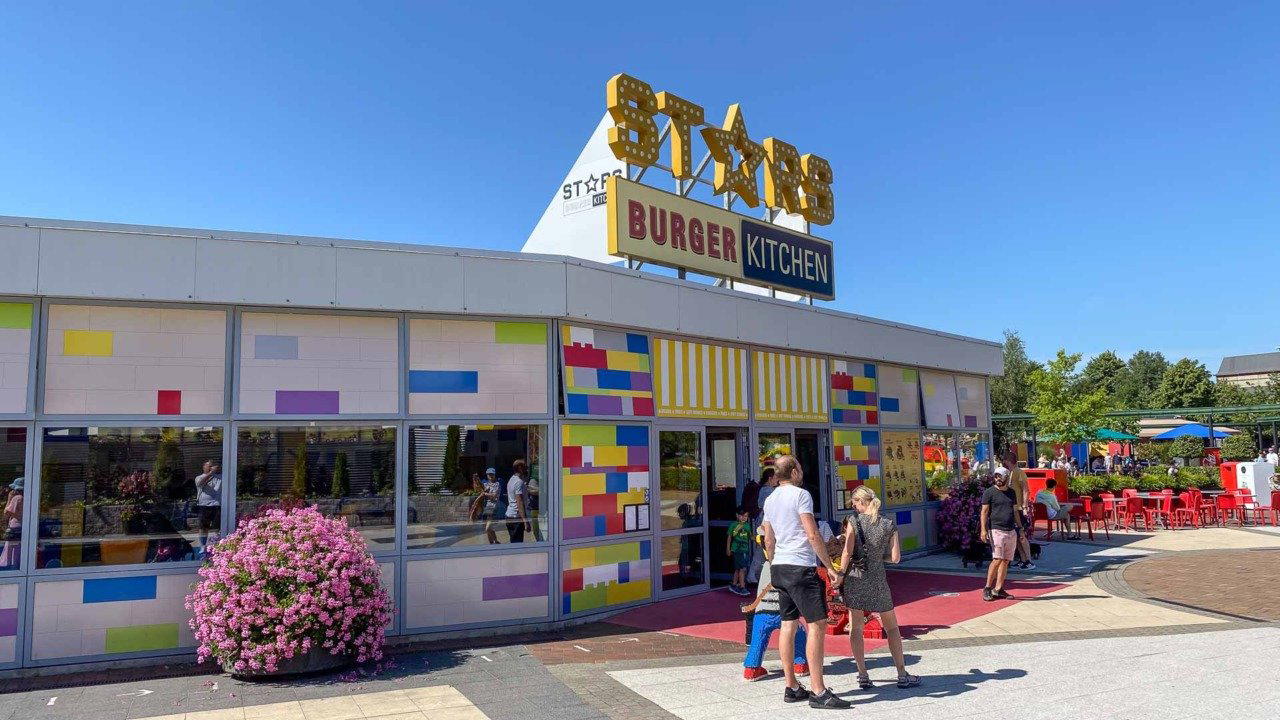
Denmark's broader fine-dining story is compelling and well-documented. Geranium in Copenhagen and Jordnær in Gentofte represent the country's upper tier, both carrying Michelin recognition that has placed Danish cooking in a serious international conversation. Further west, Frederikshøj in Aarhus and LYST in Vejle anchor the Jutland peninsula's more ambitious dining options, with Ti Trin Ned in Fredericia and Henne Kirkeby Kro in Henne drawing destination diners willing to travel for a considered meal. Emilio operates in a different register entirely, a local independent in a small city, set against peers like Bellini Café Ristorante, Bones, Burger Kitchen, Cafe B, and Billund Pizza Steakhouse.
The Address and What It Signals
Hans Jensensvej is a residential-leaning street in Billund proper, away from the airport strip and the larger hotel corridors that define much of the town's visitor infrastructure. Restaurants operating at addresses like this in small Danish cities tend to be neighbourhood-driven rather than tourist-dependent, a meaningful distinction in a place where walk-in traffic from airport transients could easily become the default business model. That positioning, if borne out by the operation itself, would place Emilio closer to a local institution than a transit-zone convenience stop.
Across Denmark, some of the country's more considered dining experiences have emerged from similarly modest addresses. Dragsholm Slot Gourmet in Hørve and Frederiksminde in Præstø both operate outside major urban centres, building reputations through consistency and local rootedness rather than metropolitan foot traffic. Tri in Agger and Pearl by Paul Proffitt in Kruså offer further examples of Jutland operators carving out distinct identities in small-town settings. The pattern across these properties is that physical remoteness from a city's dining core is not automatically a disadvantage, it tends to concentrate the kitchen's focus and clarify the offer for guests who are specifically seeking the experience rather than stumbling in.
Team Dynamics and the Service Equation
In restaurants of this size and local orientation, the relationship between the kitchen, the floor team, and whoever manages the wine and beverage side tends to define the experience more visibly than it does in larger urban operations. At a metropolitan restaurant, a guest can have a meaningful meal despite disconnects between front and back of house simply because the scale absorbs those frictions. In a smaller independent, the seams show immediately, and so does the cohesion when a team is genuinely aligned.
The leading small-town European restaurants operate with a kind of integrated service logic that larger establishments sometimes lose: the person bringing food to your table knows what went into it, the person recommending a wine understands the kitchen's direction, and the rhythm of the meal is set collaboratively rather than by rote. This is the model that defines celebrated rural dining experiences across Scandinavia and beyond, from the farm-to-table operators of western Jutland to destination kitchens like Lazy Bear in San Francisco and technically precise fine-dining rooms like Le Bernardin in New York City, which despite their very different scales share a commitment to front-of-house and kitchen working as a single unit rather than parallel operations. For Emilio, operating in a small city where repeat local guests likely outnumber first-time visitors, that team coherence would be a baseline requirement for sustained relevance.
Planning a Visit
Billund's dining infrastructure is compact enough that planning ahead matters. The town lacks the density of options that allows for spontaneous pivots if a first-choice restaurant is full or closed. Emilio sits at Hans Jensensvej 6 in central Billund, and visitors arriving via Billund Airport, the airport sits approximately within the municipality and is one of Denmark's busier international entry points, should factor in that the town's restaurants are spread across a relatively small geographic footprint, making most accessible without significant transport. For a fuller picture of where Emilio sits within the local dining scene, the full Billund restaurants guide covers the range of options across formats and price points.
Frequently asked questions
Is Emilio child-friendly?
Nothing in Emilio's published record explicitly flags a children's menu or family facilities, which is worth confirming directly before visiting. Hans Jensensvej sits in a residential part of Billund, away from the busier hotel corridors, so the setting is low-key rather than high-energy. That quieter atmosphere tends to suit families who prefer a relaxed pace over a buzzing room.
What's the overall feel of Emilio?
Emilio sits on Hans Jensensvej, a residential-leaning street in Billund proper, which places it apart from the airport-adjacent hotel dining that defines much of the town's food offer. The address signals a neighbourhood-oriented room rather than a transit-crowd venue. Billund's dining scene is compact by Danish standards, and restaurants on quieter streets like this one tend to operate with a local-first focus.
Is Emilio a good dining option if you're staying near Billund Airport?
Emilio's address at Hans Jensensvej 6 places it in the residential core of Billund rather than the airport strip, making it a deliberate choice rather than a convenient stopover. In a town where the dining infrastructure is compact and options are limited, a restaurant operating off the main hotel corridor tends to draw a more locally rooted crowd. Visitors staying near the airport will need to plan the short journey into town, but that separation from the transit belt is part of what distinguishes Emilio from the hotel-dining alternatives.
What dish is Emilio famous for?
No specific signature dish is documented in Emilio's available record, and fabricating one would be a disservice to how the kitchen actually operates. For current menu details, reaching out to the restaurant directly via their address at Hans Jensensvej 6, Billund is the most reliable route.
Booking and Cost Snapshot
| Venue | Cuisine | Price |
|---|---|---|
| EmilioThis venue (the venue you are viewing) | Café & Coffee House | Not listed |
| Bellini Café Ristorante | Authentic Italian with Wood-Fired Pizza | $20–30 |
| Billund Pizza Steakhouse | Pizza & Steakhouse | $20–30 |
| Bones | American BBQ | $20–30 |
| Burger Kitchen | American Burgers | $10–20 |
| Cafe B | Indian & Steakhouse | Not listed |
Emilio
Featured Guides
Continue exploring
More in Billund
Details
- Elegant
- Cozy
- Modern
- Casual Hangout
- After Work
- Brunch
- Hotel Restaurant
- A La Carte
- Coffee
Elegant and inviting atmosphere emphasizing quality and refined taste in a hotel setting.