

Housed within the Hotel Rural La Vida de Antes in Consuegra, El Retorno is where chef Pedro Rodríguez channels years of Madrid kitchen experience back into the Castilian-La Mancha pantry. The menu works through local staples, migas, gachas, wild boar, venison, with a focus on seasonal and regional sourcing. A practical, honest option after a morning among the windmills on the hill above town.
Pearl is the En Primeur Club membership app — saves, bookings, and concierge access live there. Same editors, same standards.
- Address
- Calle Reina María Cristina Habsburgo, Lorena, 2, 45700 Consuegra, Toledo, Spain
- Phone
- +34 601 30 88 78
- Website
- restauranteelretorno.es
- Directions
- Get directions
 Saves & bookings on Pearl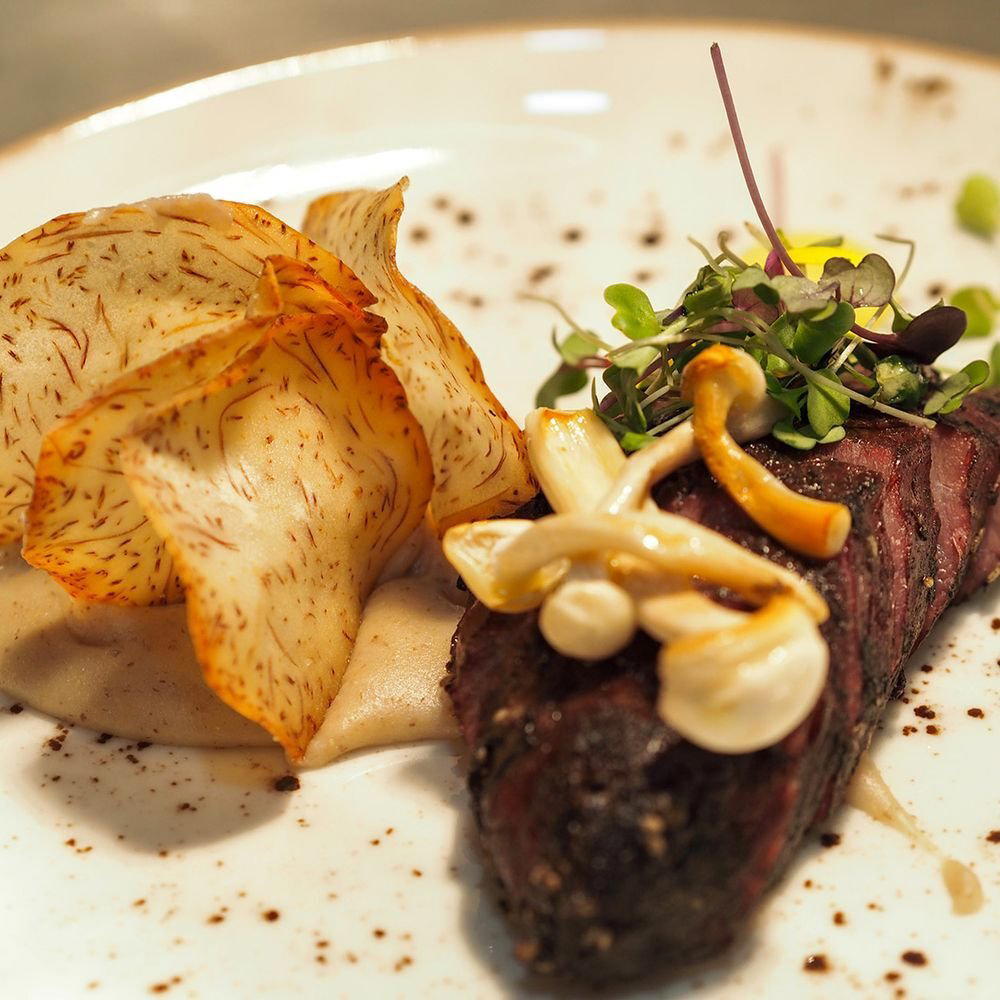
Stone walls, slow food, and a pantry drawn from La Mancha
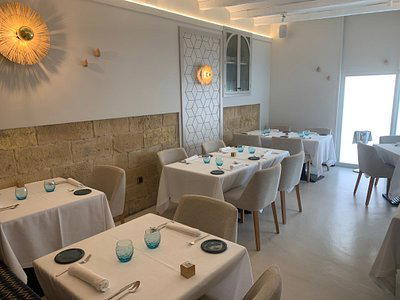
Consuegra's ridge of twelve whitewashed windmills is the image that pulls visitors to this part of Toledo province, but the town below the hill has its own quieter argument to make. The streets around the Plaza Mayor hold a particular kind of Castilian calm: dry air, low buildings, a pace that resists the urgency of the capital two hours north. El Retorno is a restaurant in Consuegra serving Modern Spanish La Mancha cuisine at about $65 per person, accessed through its own independent entrance within the Hotel Rural La Vida de Antes, fits that register precisely. The setting is rural hotel dining at its most grounded, with no theatrical lighting or modernist plating philosophy on the walls, just a space where the food is expected to carry the weight.
That food arrives from a kitchen shaped by a return to Consuegra after an extended period working in Madrid, giving the restaurant its name and its conceptual spine. The Madrid years matter not as biography but as context: a chef trained in the capital's professional infrastructure, now applying that discipline to ingredients most fine-dining kitchens in Spain's cities would never prioritise. The direction here is resolutely local, with an international flavour that reflects Rodríguez's broader training rather than any attempt to import foreign technique for its own sake.
Where the ingredients come from, and why that shapes the menu
La Mancha's culinary identity is built from the land's constraints as much as its gifts. The plateau climate, extreme heat in summer, cold winters, poor water retention in the soil, has historically produced a cuisine of preservation, economy, and patience. Saffron, almonds, game, pulses, and aged cheeses define the regional pantry. What El Retorno does is take that inherited vocabulary seriously at the sourcing level, relying on seasonal availability and local producers rather than defaulting to year-round commodity supply chains.
The migas on the menu are a useful marker. Fried breadcrumbs are a dish with deep Castilian roots, historically a shepherd's food made from stale bread transformed by pork fat, garlic, and whatever the season allowed alongside. Serving them with egg is a classic combination that depends entirely on the quality of both components for its effect. There is nowhere for a weak ingredient to hide in a dish this direct. The same logic applies to the almond-flavoured gachas, a thick porridge-style preparation with Moorish antecedents in the region, served with artisanal bread. These are dishes that collapse without good sourcing and rise considerably with it.
Game is the other axis of the menu. Cheek of wild boar and venison tenderloin place El Retorno squarely in the hunting-season tradition of inland Castile, where boar and deer are abundant in the Montes de Toledo to the south. Wild boar cheek is a cut that requires long, low cooking to render properly; done well, it produces a depth of flavour that farmed pork struggles to match. Venison tenderloin is leaner and more demanding at the pass, a cut that punishes overcooking, and its presence on a menu in this price register says something about the kitchen's confidence with the primary ingredient.
This sourcing orientation puts El Retorno in a different conversation from the restaurants that define Spain's international dining reputation. Operations like DiverXO in Madrid, Arzak in San Sebastián, or Aponiente in El Puerto de Santa María operate at the progressive end of Spanish gastronomy, where three Michelin stars and experimental formats drive the agenda. The restaurant makes no claim to that tier, and it is not Michelin-starred. What it offers instead is a different kind of argument: that La Mancha's larder, handled with honesty and skill, does not need transformation to be worth sitting down for.
Consuegra's dining context
Consuegra is a day-trip destination for many visitors, the windmills and the medieval castle draw enough traffic to make the town familiar on the Toledo province tourist circuit, but overnight stays remain relatively rare. That pattern shapes what local restaurants need to do. The restaurant, positioned within a rural hotel, serves both passing visitors looking for a substantial lunch after the hill walk and guests staying in the property who want dinner without driving. Consuegra's restaurant options are limited in number, which makes the kitchen's commitment to local sourcing more meaningful: there is less competitive pressure to cut costs, and more reason to build relationships with producers in the surrounding comarca.
The broader Castilian-La Mancha region has seen growing attention in recent years as Spanish gastronomy has expanded beyond the Basque Country and Catalonia. Restaurants like Atrio in Cáceres, across the border in Extremadura, have demonstrated that interior Spain can sustain serious, nationally recognised dining. Closer to home, the wine output of the region (La Mancha appellation covers Europe's largest single wine-producing area) has pushed quality upward across the board, and the combination of local wine with game and pulse-based cooking is a natural pairing. For those interested in exploring beyond the table, Consuegra's wineries and local experiences extend the regional picture considerably.
Who eats here, and when
The seasonal logic of the menu means timing matters. Game dishes are at their most relevant in autumn and winter, when hunting season is active in the Montes de Toledo and the cold-weather logic of braised boar cheek and roasted venison makes physical sense. Spring brings a different set of possibilities from the local agricultural calendar, and saffron, Consuegra is among the more significant saffron-producing municipalities in Spain, with its harvest festival held each October, runs as a thread through regional cooking year-round but peaks in autumn relevance.
The restaurant's position within a rural hotel means the practical logistics are direct for guests staying on-site. For those visiting specifically for lunch, the independent access keeps the restaurant usable without engaging with the hotel's check-in process. Bars in Consuegra are the natural context for an aperitivo before or after, following the Spanish pattern of separating drinks and dining rather than combining them at the table.
Spain's dining scene spans a wide range of formats and price registers. For those building a broader itinerary around serious Spanish restaurants, the country's concentration of three-Michelin-star operations, from El Celler de Can Roca in Girona to Mugaritz in Errenteria, Azurmendi in Larrabetzu, Martin Berasategui in Lasarte-Oria, Quique Dacosta in Dénia, Cocina Hermanos Torres in Barcelona, and Ricard Camarena in València, provides context for just how concentrated Spanish gastronomic ambition has become. The restaurant sits at the opposite end of that spectrum in format and scale, which is not a criticism. The restaurants making one considered use of a specific regional pantry are often the ones operating furthest from the Michelin circuit's gravitational pull.
Planning a visit
The restaurant sits at Calle Reina María Cristina Habsburgo, Lorena, 2, within the Hotel Rural La Vida de Antes in central Consuegra. The town is approximately 130 kilometres south of Madrid by road, making it viable as a day trip from the capital or as a stop on a longer route through Toledo province. The windmills on the Cerro Calderico ridge above town are a short walk or drive from the centre; most visitors combine the two in a single morning. Phone and booking details are not listed publicly; arriving without a reservation may be possible given the restaurant's scale, but checking with the hotel directly before a special visit is the sensible approach.
At-a-Glance Comparison
Comparable venues nearby, for context on price, style, and recognition.
| Venue | Cuisine | Price | Awards | Notes |
|---|---|---|---|---|
| El RetornoThis venue — the venue you are viewing | Modern Spanish La Mancha | $$$ | Michelin Plate | Not listed |
| Dáviro | Modern Traditional Spanish | $$$ | Michelin Plate | Oropesa |
| La Cábala | Modern Spanish Tapas | $$$ | Michelin Plate | Historic Center |
| Tobiko | Creative Spanish Fusion | $$$ | Michelin Plate | Toledo |
| Askua Barra | Modern Spanish Tapas | $$$ | Not listed | Cortes |
| Amparito Roca | Traditional Spanish with Modern Twists | $$$ | Michelin Plate | Castellana |
Recognition history
Dated appearances from independent guides and award organizations, with the underlying list record or original source where available.
Macarfi 7.5 Food Rating
Macarfi
Michelin Plate
Michelin
Continue exploring
More in Consuegra
Restaurants in Consuegra
Browse all →
Hotels in Consuegra
Browse all →
At a Glance
- Rustic
- Cozy
- Elegant
- Intimate
- Special Occasion
- Date Night
- Historic Building
- Extensive Wine List
- Local Sourcing
Current opening hours
- Monday
- 1:30–4 PM
- Tuesday
- 1:30–4 PM
- Wednesday
- Closed
- Thursday
- 1:30–4 PM
- Friday
- 1:30–4 PM, 8:30–11 PM
- Saturday
- 1:30–4 PM, 8:30–11 PM
- Sunday
- 1:30–4 PM
Hours can change for holidays and private events. Last verified .
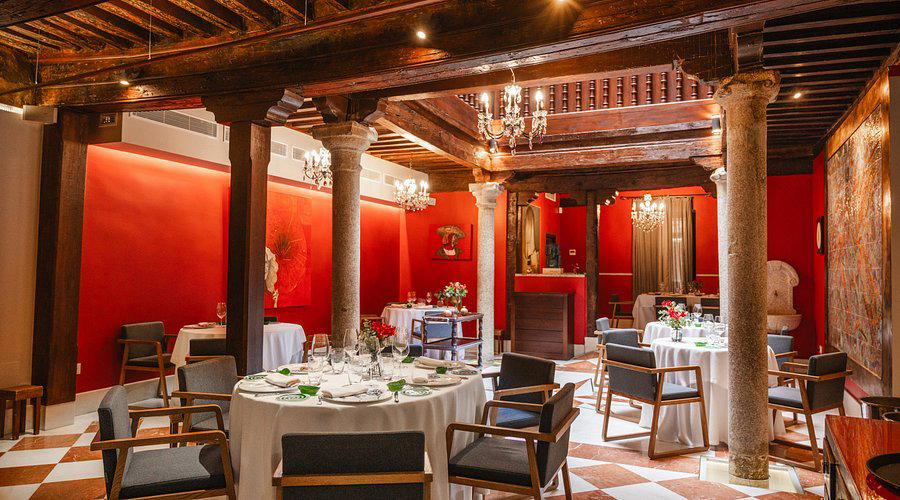
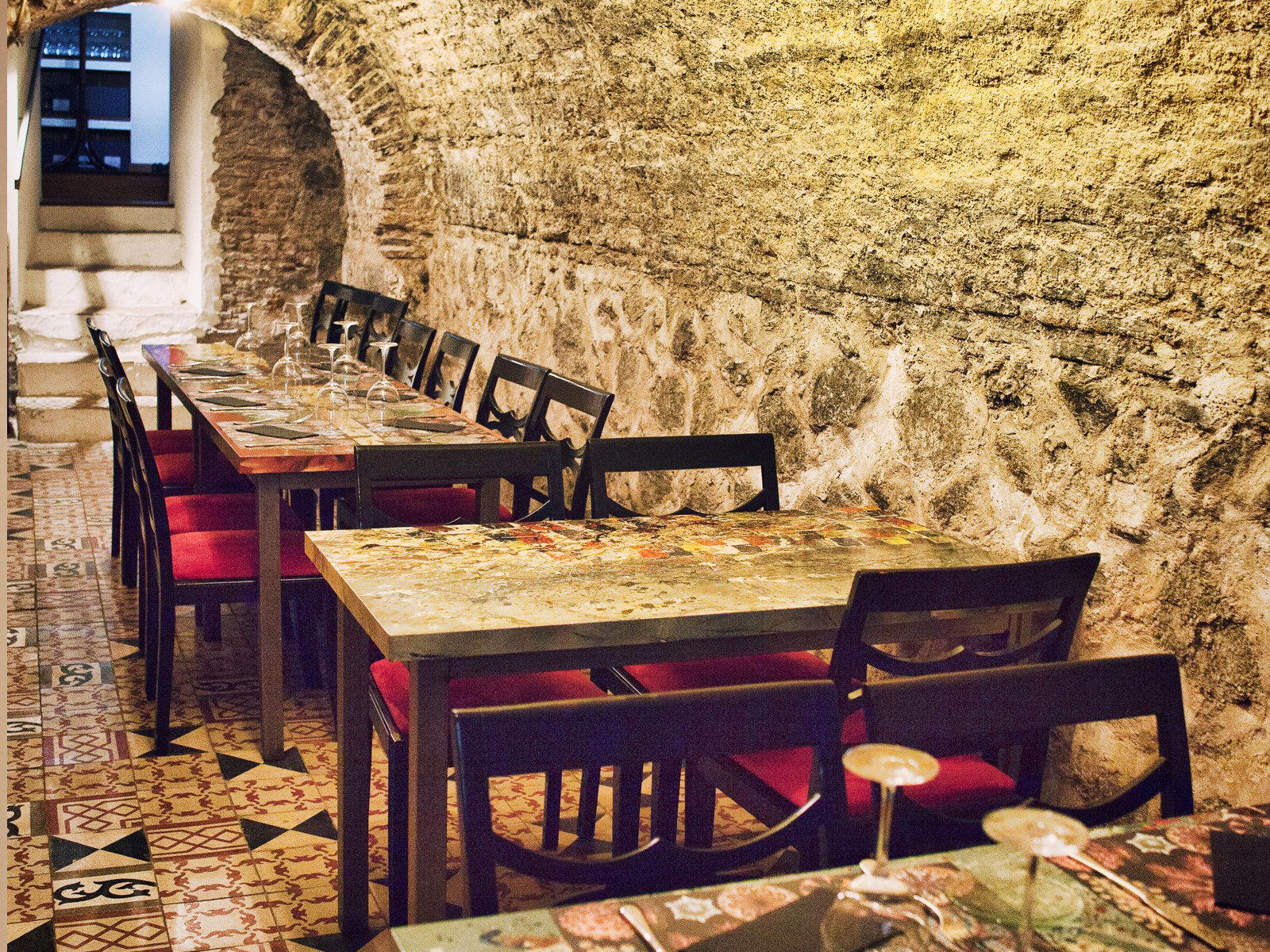
Warm, even lighting in a practical elegant room with original stone walls and wooden beams, creating a relaxed, inviting atmosphere focused on food.