
Edo Sho gives Murakami’s beef and hot-pot traditions a focused local address rather than a big-city tasting-menu frame. Its Tabelog 100 - Hot Pot - 2024 selection and modest lunch spend place it in a useful category for travellers who want regional Japanese cooking with clear structure, not ceremony for its own sake.
Pearl is the En Primeur Club membership app — saves, bookings, and concierge access live there. Same editors, same standards.
- Address
- 2-17 Omachi, Murakami, Niigata 958-0842, Japan
- Phone
- +81 254-50-1181
- Website
- edoshow.com
 Saves & bookings on Pearl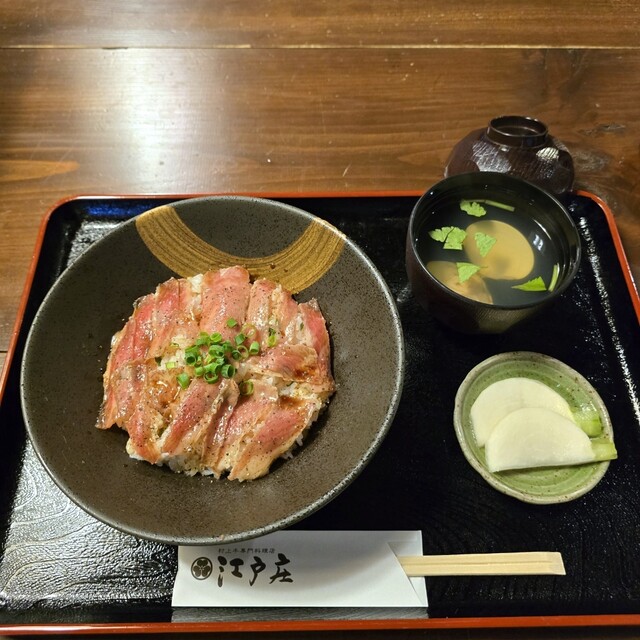
Murakami’s old town rewards a slower appetite: low buildings, shopfronts close to the street, and a food culture shaped as much by the Sea of Japan and Niigata’s rice country as by formal dining rooms. Edo Sho belongs to that regional register. The draw is not a long counter performance or a metropolitan tasting menu, but the disciplined comfort of sukiyaki, shabu shabu, and beef dishes in a city better known to many travellers for salmon, sake, and winter weather than for destination hot pot.
That matters because Japanese hot pot is often misunderstood by visitors as a simple cold-weather category. In practice, sukiyaki and shabu shabu sit on different ideas of seasoning, fat, broth, and pacing. Sukiyaki leans into soy, sweetness, and concentration; shabu shabu is cleaner, built around brief cooking and the quality of the meat itself. A restaurant that treats both seriously has to manage sourcing, slicing, heat, and restraint. Edo Sho’s inclusion in Tabelog 100 - Hot Pot - 2024 puts it in a national conversation about this category rather than only a local lunch circuit.
Murakami hot pot, read through beef rather than ceremony
Niigata dining often draws attention for rice, sake, seafood, and preservation traditions, but beef-led hot pot gives another view of the prefecture’s appetite. The format is direct: the value sits in ingredient handling and timing rather than decoration. In a city such as Murakami, that directness feels apt. Regional restaurants have less need to mimic Tokyo’s luxury codes; they can work through narrower menus, familiar formats, and a confidence that comes from feeding locals as well as travellers.
Edo Sho’s category spread, sukiyaki, shabu shabu, and beef dishes, places it within that ingredient-first lane. The point is not novelty. It is the difference between hot pot as a casual group meal and hot pot as a test of procurement and proportion. Beef needs enough richness to carry sweet soy in sukiyaki, while shabu shabu exposes any weakness in texture or cut. The restaurant’s recognition in a hot-pot-specific Tabelog list is useful because it judges the venue against specialists, not against the broader noise of Japanese dining.
Murakami’s scale also changes the decision for travellers. In Tokyo or Osaka, hot pot competes with hundreds of polished alternatives and often becomes a reservation game. Here, the appeal is more particular: a compact regional city, a defined lunch format, and a cuisine that makes sense after a morning spent around the old merchant district or nearby food shops. For readers comparing Murakami options, å²ç¹ æ°å¤ä¹ and 料亭 能登新 point toward the city’s more traditional Japanese dining register, while the restaurant narrows the lens to beef and hot pot.
Why the Tabelog 100 signal matters here
A Tabelog 100 selection in the hot pot category is a more meaningful signal than a generic popularity badge. Sukiyaki and shabu shabu are deeply familiar in Japan, which means the bar for distinction is not theatrical presentation but consistency: meat quality, seasoning balance, service rhythm, and whether the format feels worth seeking out beyond convenience. The restaurant’s listed score of 3.65 reinforces that it sits above ordinary local utility without turning the meal into an expense-account production.
The price tier also shapes the editorial case. Murakami is not trying to compete with Ginza counters or Kyoto kaiseki rooms, and that is precisely the point. The stronger comparison is with regional specialists whose value lies in doing a narrow thing properly. For travellers building a food-led route through Niigata, this kind of address can be more revealing than another famous-city reservation: it shows how a national dish category adapts to a smaller place, a different pace, and a local clientele.
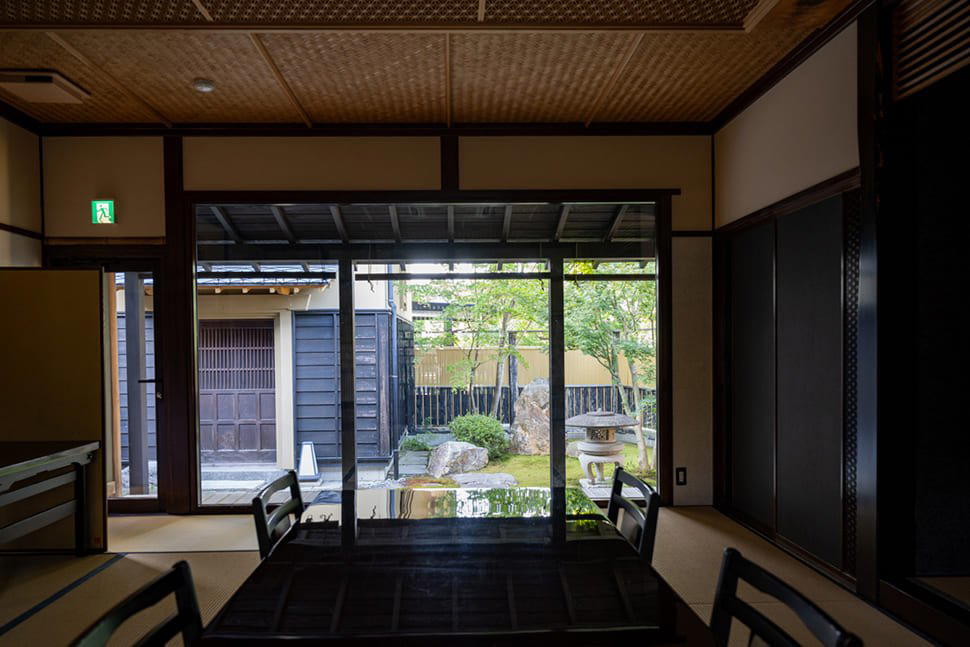
Atmosphere should be read in that same frame. The room is listed with tatami seating and a relaxed interior, which suggests a Japanese dining setting built for sitting into the meal rather than rushing through it. Non-smoking status helps, especially for visitors travelling with older relatives or children. Private rooms are not part of the format, so the experience is better understood as shared-room regional dining rather than a sealed-off occasion restaurant.
How to place it within a Murakami itinerary
The restaurant works well as a focused meal in a compact Murakami dining day, particularly for travellers who want one beef-led sitting between seafood, sake, and preserved-salmon stops. The venue is close enough to the city’s central rhythm to pair with a walking itinerary, but the smarter editorial move is to treat lunch as the anchor rather than an afterthought. Hot pot rewards time at the table; it loses its point when squeezed between transit connections.
For wider planning, start with Our full Murakami restaurants guide, then layer the trip through Our full Murakami hotels guide, Our full Murakami bars guide, Our full Murakami wineries guide, and Our full Murakami experiences guide. Readers comparing beef and casual Japanese formats elsewhere in the country can also look at -Grilled beef Sukiyaki- KAMAKURA TANUKIAN 鎌倉 たぬき庵 in Kamakura, #肉といえば松田 奈良本店 in Kashihara, and 1/3 HAMBURGER FACTORY in Kanazawa.
For broader Japan dining context, the contrast is useful:. 鮪と炭火焼き うお炭 秋葉原店 in Tokyo points toward urban seafood and charcoal cooking.cafe in Osaka toward café culture.know in Kumamoto toward contemporary regional dining, (Shoku) Vietnam in Kawasaki toward everyday international cooking in Japan, [Curry Senmon Ten] Maruyama Kyoju. in Sapporo toward specialist curry, and [ki:] in Kyoto toward Kyoto’s quieter contemporary register. Across the Pacific, Jōdo Saké Bar in Los Angeles and Onigiri Time in Pasadena show how Japanese formats change once they leave their domestic setting.
The editorial verdict is simple: the restaurant is a regional specialist with a credible national category signal. Choose it for Murakami when the meal should explain something about Japanese beef hot pot, ingredient handling, and local pacing, not when the brief calls for a chef-led tasting menu or private-room formality.
In Context: Similar Options
Comparable venues by cuisine and price in the same metro.
| Venue | Cuisine | Price | Notes |
|---|---|---|---|
| Edo ShoThis venue — the venue you are viewing | Murakami beef steak & sukiyaki in a traditional townhouse | $$ | Not listed |
| å²ç¹ æ°å¤ä¹ | Traditional Kappo with Murakami Salmon | $$ | Murakami |
| 料亭 能登新 | Japanese Restaurant | Not listed | Murakami |
| Akaishi Shokudou | Okinawan Yaeyama Soba | $$ | Ibaruma |
| 香屋 | Hiroshima Okonomiyaki Izakaya | $$ | 城町 |
| 1000mヒュッテ 1000m Hut | Mountain Café - Japanese & Western | $$ | Niseko Grand Hirafu |
Recognition history
Dated appearances from independent guides and award organizations, with the underlying list record or original source where available.
Tabelog 100 #45 · No. 45
Tabelog · Tabelog 100 - Hot Pot - 2024
Continue exploring
More in Murakami

At a Glance
- Cozy
- Classic
- Rustic
- Intimate
- Date Night
- Group Dining
- Family
- Special Occasion
- Casual Hangout
- Historic Building
- Standalone
- Design Destination
- Extensive Wine List
- Local Sourcing
Current opening hours
- Monday
- 11 AM–2 PM
- Tuesday
- 11 AM–2 PM
- Wednesday
- 11 AM–2 PM
- Thursday
- Closed
- Friday
- 11 AM–2 PM
- Saturday
- 11 AM–2 PM
- Sunday
- 11 AM–2 PM
Hours can change for holidays and private events. Last verified .
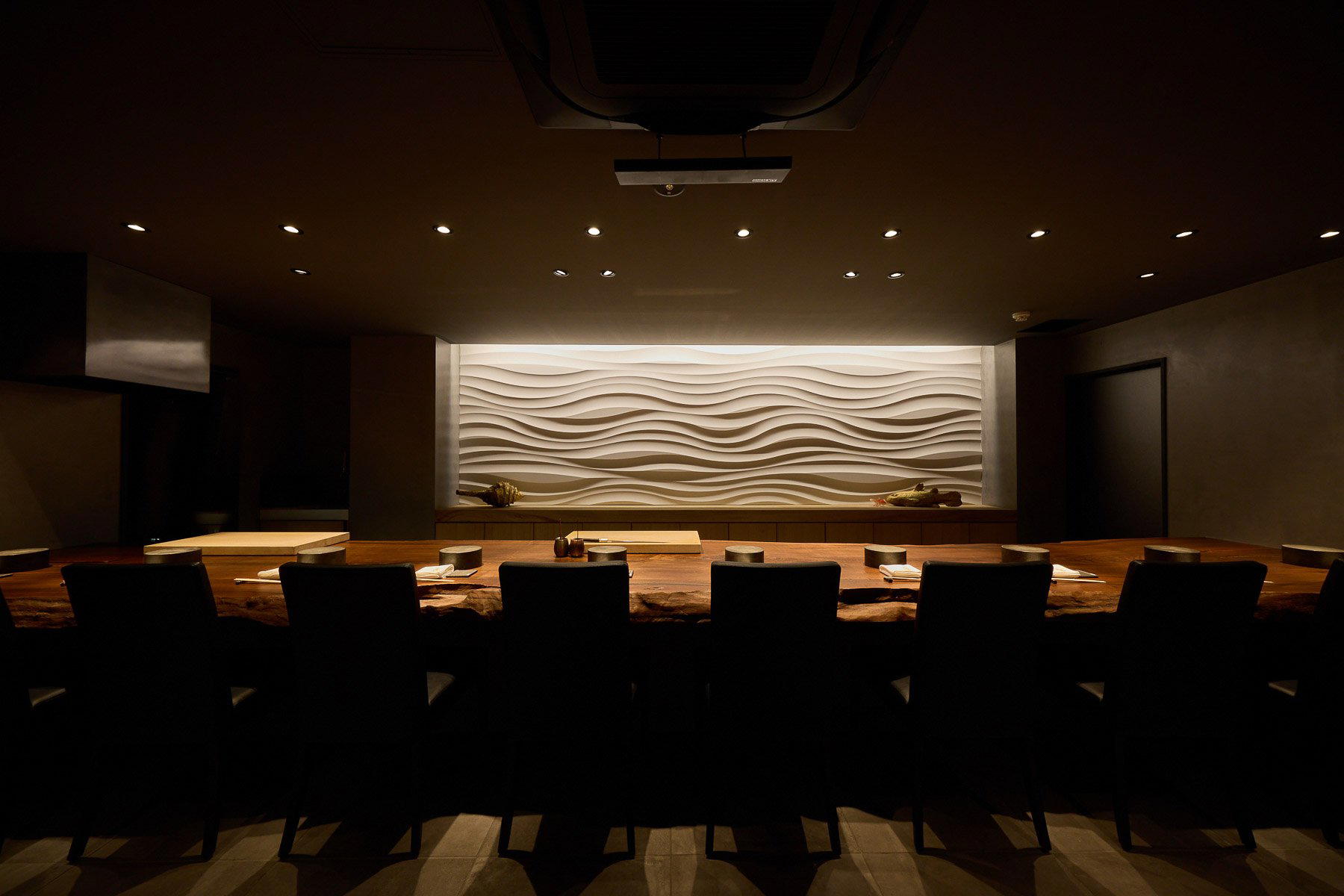
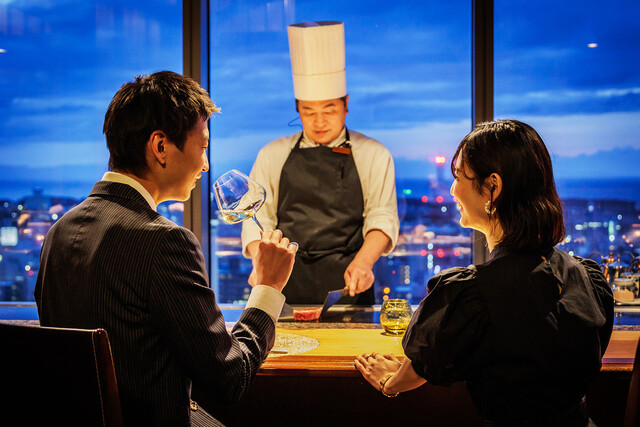
Warm wood, white plaster walls and the atmosphere of a historic Murakami machiya townhouse create a quietly elegant, cozy setting for relaxed meals.