Doe's Eat Place
Doe's Eat Place serves Delta-Style Steakhouse fare in a historic Biloxi building, with porterhouse steak and hot tamales on a dinner-focused, conversational floor.
Pearl is the En Primeur Club membership app — saves, bookings, and concierge access live there. Same editors, same standards.
- Address
- 195 Beach Blvd, Biloxi, MS 39530
- Phone
- +12282716343
- Directions
- Get directions
 Saves & bookings on Pearl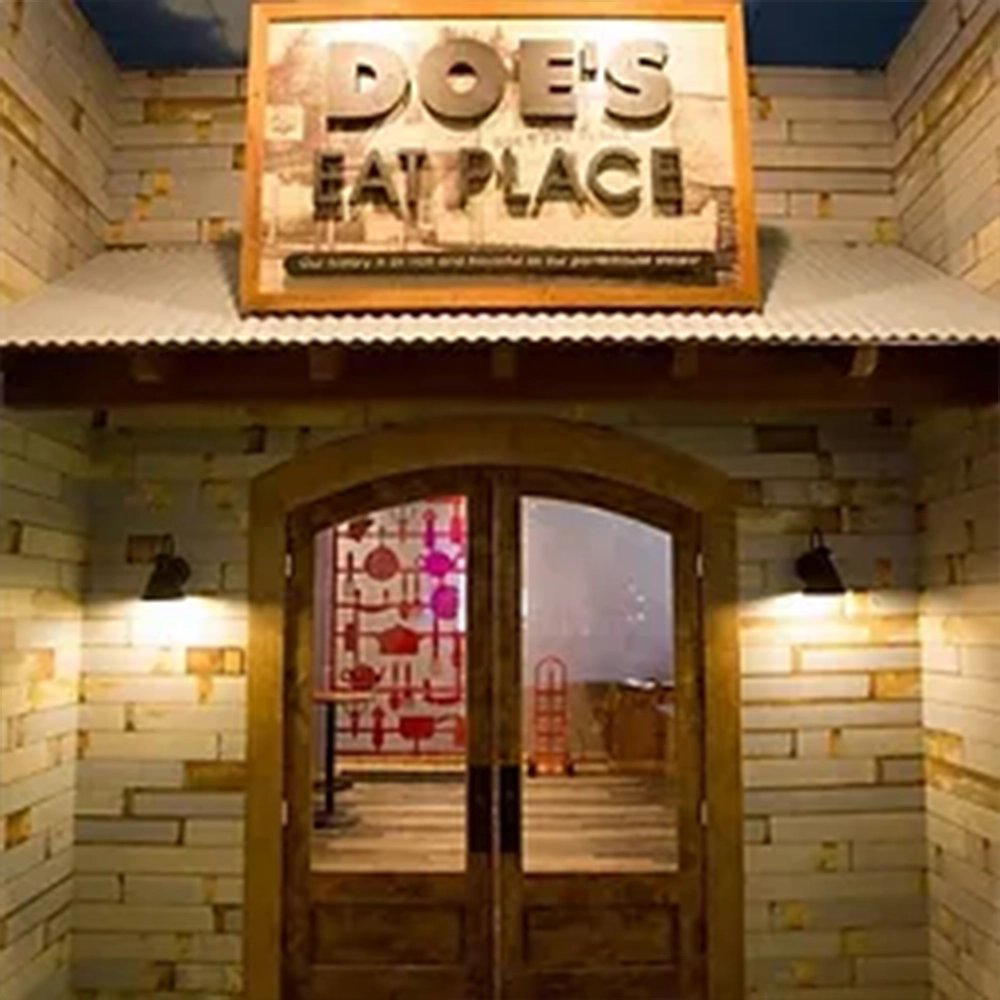
A Gulf Coast Institution in Context
Along the stretch of Beach Boulevard that follows the Mississippi Sound, Biloxi's dining identity has long been shaped by two competing forces: the casino corridor, which pulled hospitality investment toward high-volume buffets and celebrity import concepts, and an older, quieter tradition rooted in Gulf seafood, Southern comfort cooking, and family-run establishments that predate the gaming era by decades. Doe's Eat Place sits in that second current. The address at 195 Beach Blvd places it on the boulevard itself, within reach of the casino strip but operating at a remove from its logic.
The Doe's name carries weight across the Deep South. The original Doe's Eat Place in Greenville, Mississippi, opened in the 1940s and became among the more discussed steakhouse-tamale operations in American food writing, a combination that reads as improbable but is rooted firmly in the Mississippi Delta's documented culinary history, where hot tamales arrived via Mexican laborers working the cotton fields in the early twentieth century and stayed, becoming a regional staple served alongside beef in roadhouse settings. Franchise and licensed iterations of the Doe's name have spread across the South, each carrying some degree of that origin story's cultural weight.
The Delta Tamale Tradition and What It Means Here
The Mississippi Delta tamale deserves more attention than it typically receives outside regional food circles. Unlike the masa-heavy, lard-enriched tamales of Mexican and Tex-Mex traditions, the Delta version is typically boiled rather than steamed, uses a thinner cornmeal dough, and is seasoned with a spicier, more peppery filling. The result is a looser, wetter product that holds its own against beef drippings and hot sauce. This is not a derivative tradition; it is a genuinely distinct American regional form that food historians, including those writing for serious publications, have documented carefully. When a Biloxi restaurant carries the Doe's name, that tamale lineage is part of what it inherits.
Biloxi itself has strong grounds for this kind of overlap food culture. The city's culinary character was built on shrimping and oystering, on the Vietnamese and Cajun communities that shaped the coast after the post-war decades, and on the broader Gulf South palate that runs from New Orleans eastward. A steakhouse-tamale format is not a novelty act here; it maps onto a region comfortable with culinary hybridity and informal, generous formats.
Where Doe's Biloxi Sits Against the Local Field
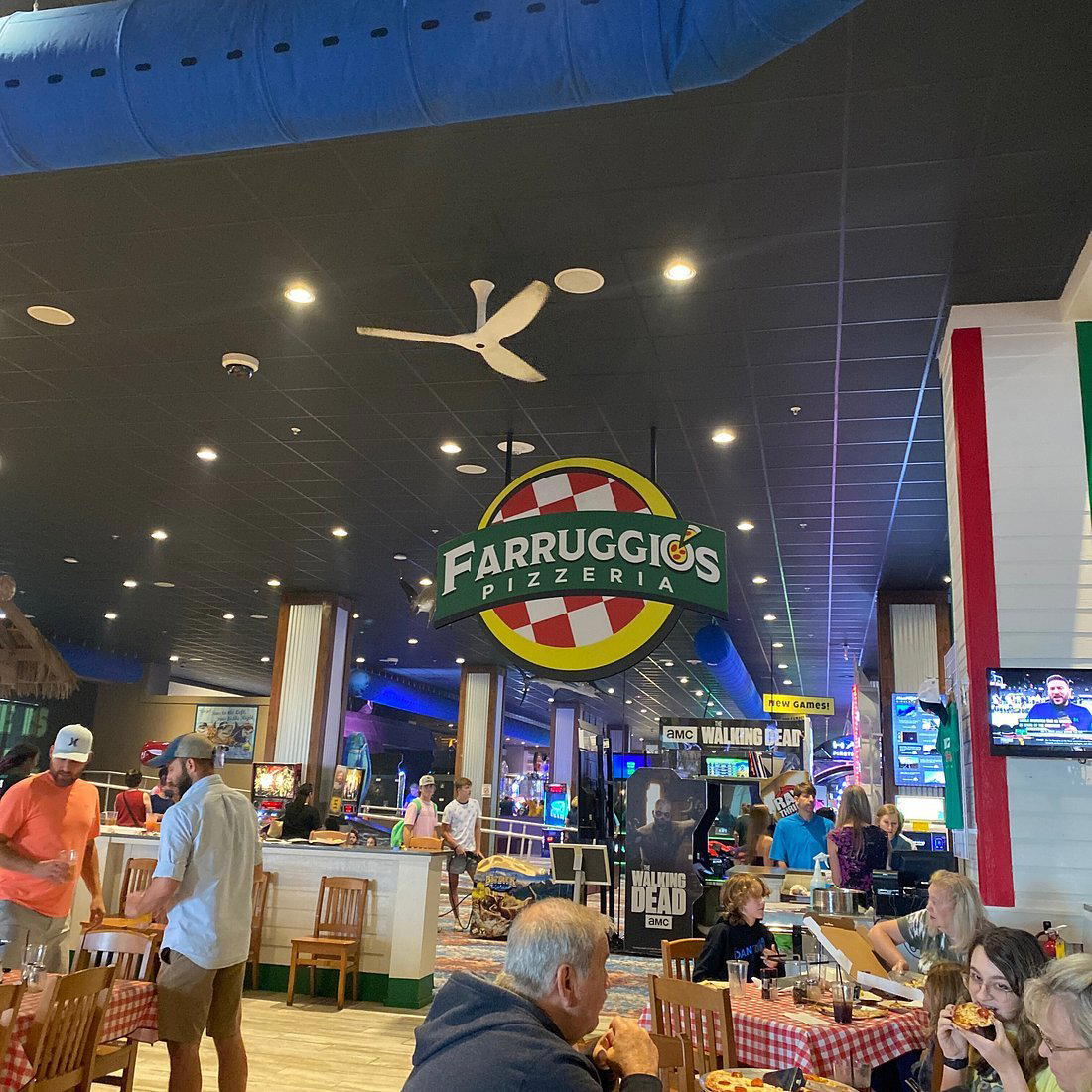
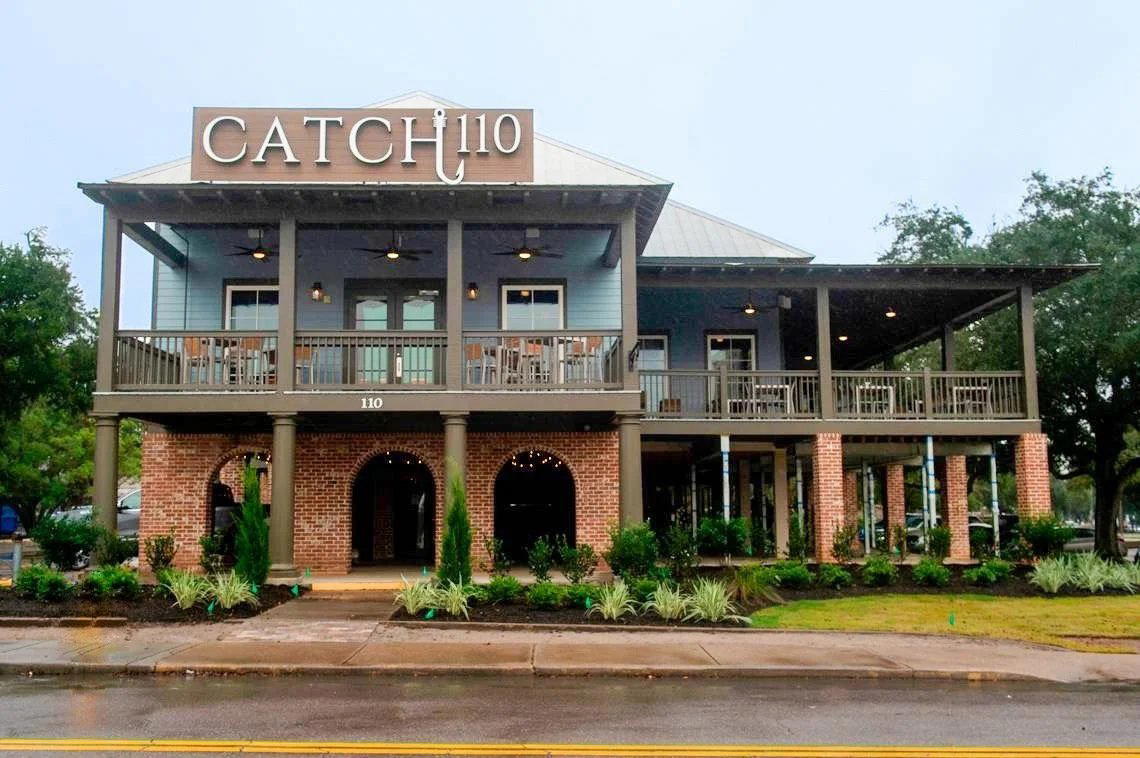
Biloxi's restaurant scene has diversified considerably in the past decade. Operations like Catch 110 and Jia represent the casino-adjacent, polished dining tier, while Farruggio's anchors the Italian-American tradition that has a long presence on the Gulf Coast. Field's Mediterranean Biloxi extends toward a different register entirely, and even Margaritaville Restaurant occupies its own category of high-volume tourist-facing volume. Doe's operates outside most of those comparable venues. Its identity is closer to the Southern roadhouse tradition: a format where the food is the occasion, the atmosphere is incidental, and the regulars dictate the rhythm.
That positions it differently from the nationally recognized operations that define fine dining benchmarks elsewhere in the country. Places like Le Bernardin in New York City, The French Laundry in Napa, or Smyth in Chicago operate in a tier defined by tasting menus, sourcing transparency, and formal service architecture. Doe's is not competing in that register, and that is precisely the point. The Gulf South's most resonant eating establishments, much like Emeril's in New Orleans, understand that regional authority can outweigh formal credentials when the cooking is honest and the identity is coherent.
The Format and What to Expect
The Southern steakhouse-tamale format that Doe's represents is built on informality as a feature rather than a gap. Tables fill early, portions are large, and the menu skews toward beef and the house tamales that define the brand's regional identity. This is not the kind of operation built around a tasting sequence or a wine list curated against vintage charts. It is a room where families and locals return on the same instinct that drives repeat visits to any well-calibrated neighborhood institution.
Visitors arriving from markets where the fine-dining register dominates, expecting the kind of sourcing narrative you might find at Blue Hill at Stone Barns in Tarrytown or the technical rigor of Lazy Bear in San Francisco, will need to recalibrate their frame. The value proposition here is different: depth of regional identity, cooking calibrated for the Gulf South palate, and the particular satisfaction of eating something with a documented American food history behind it.
Planning Your Visit
The venue sits at 195 Beach Blvd, Biloxi, MS 39530, on the waterfront boulevard that runs parallel to the Mississippi Sound. Reservations are recommended, and the restaurant's regular hours are Wednesday and Thursday from 5 to 9 PM, Friday from 5 to 10 PM, Saturday from 4 to 10 PM, and Sunday from 5 to 9 PM. Arriving early in the evening, particularly on weekends, is advisable given the local following these establishments typically maintain.
Those building a broader Gulf Coast itinerary might cross-reference comparable regional operations: Providence in Los Angeles demonstrates how Gulf seafood traditions translate into a fine-dining register, while Addison in San Diego and Single Thread Farm in Healdsburg show the farm-sourcing approach at the opposite end of the formality spectrum.
Booking and Cost Snapshot
Comparable venues nearby, for context on price, style, and recognition.
| Venue | Cuisine | Price | Notes |
|---|---|---|---|
| Doe's Eat PlaceThis venue — the venue you are viewing | Biloxi Beach, Delta-Style Steakhouse | $$$$ | Not listed |
| Thirty-Two | Biloxi, Steakhouse & Seafood | $$$$ | Not listed |
| One Thirty One Lameuse | Not listed | $$$ | downtown Biloxi, Southern Seafood with Contemporary Twists |
| Field's Mediterranean Biloxi | downtown, Mediterranean Seafood Fusion | $$$ | Not listed |
| Farruggio's | Biloxi, Italian Pizzeria | $$ | Not listed |
| Patio 44- Biloxi | American Steakhouse & Seafood | $$ | Not listed |
Continue exploring
More in Biloxi
At a Glance
- Rustic
- Classic
- Well Known
- Special Occasion
- Group Dining
- Business Dinner
- Historic Building
Current opening hours
- Monday
- Closed
- Tuesday
- Closed
- Wednesday
- 5–9 PM
- Thursday
- 5–9 PM
- Friday
- 5–10 PM
- Saturday
- 4–10 PM
- Sunday
- 5–9 PM
Hours can change for holidays and private events. Last verified .
Rustic Southern steakhouse charm with a casual, welcoming Delta vibe on the fifth floor of Margaritaville Resort.