Dirty Water
Our verdict
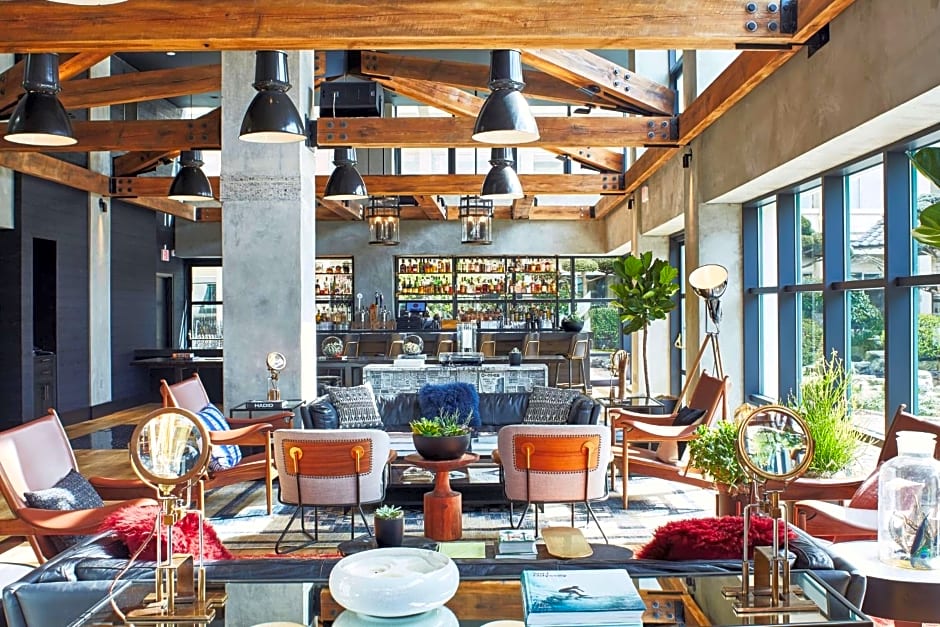
A 6,252-square-foot bar and restaurant carved out of the Twitter building's lobby at 1355 Market Street, Dirty Water arrived in San Francisco's Mid-Market corridor as one of the more ambitious commercial dining bets of its era, with a reported $4 million buildout behind it. The scale was deliberate: 200 seats across a space that read less like a neighborhood restaurant and more like a destination anchored to the office development reshaping that stretch of Market Street. The program leaned cocktail-forward, with classic formats including margaritas, old fashioneds, Moscow mules, and mojitos forming the backbone of the drinks list. The kitchen, associated with Chef Edwin Sandoval and Pastry Chef Rachel Maresca, ran a menu that extended into food, with an antelope preparation drawing enough repeat orders to earn the venue's own description as one of its best-selling items. The combination placed Dirty Water somewhere between a serious bar program and a full-service dining room rather than firmly in either category. The Mid-Market location shaped the experience in ways that a traditional San Francisco neighborhood address would not. Market Street between 8th and 11th was, during Dirty Water's operating years, a corridor defined by tech-company headquarters and large commercial footprints rather than foot traffic from residential blocks or established dining clusters. That context made the 200-seat format more legible: the venue was built to absorb office crowds and large-party bookings in a district where few comparable-scale options existed at the time. Dirty Water operated for roughly three years before closing, a trajectory that drew more coverage as a cautionary note about Mid-Market's dining challenges than as a reflection of the kitchen or bar program itself. The $4 million opening had generated significant press attention, and the closure received comparable scrutiny, making it one of the more documented restaurant stories of that San Francisco moment.

A 6,252-square-foot bar and restaurant carved out of the Twitter building's lobby at 1355 Market Street, Dirty Water arrived in San Francisco's Mid-Market corridor as one of the more ambitious commercial dining bets of its era, with a reported $4 million buildout behind it. The scale was deliberate: 200 seats across a space that read less like a neighborhood restaurant and more like a destination anchored to the office development reshaping that stretch of Market Street.
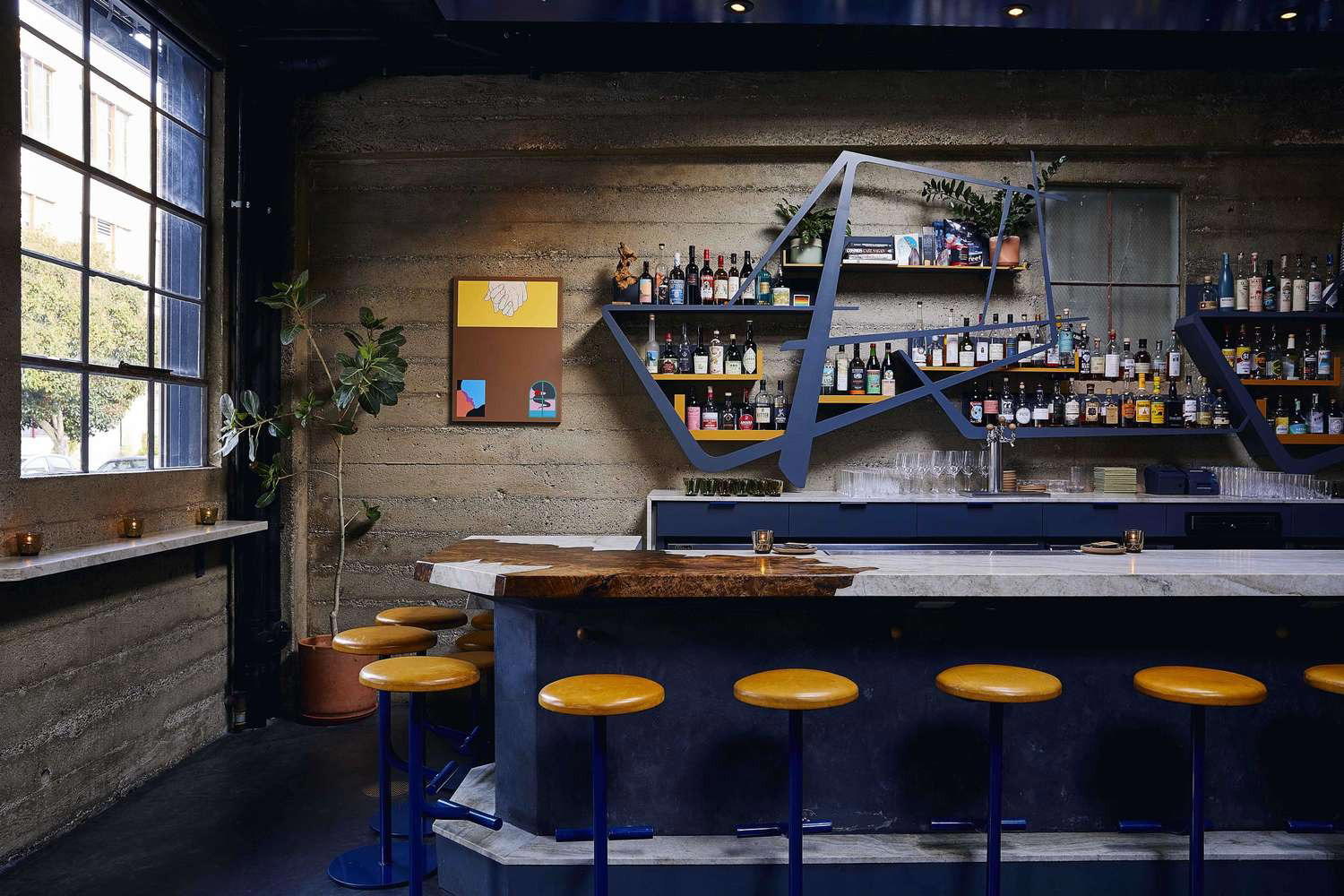
The program leaned cocktail-forward, with classic formats including margaritas, old fashioneds, Moscow mules, and mojitos forming the backbone of the drinks list. The kitchen, associated with Chef Edwin Sandoval and Pastry Chef Rachel Maresca, ran a menu that extended into food, with an antelope preparation drawing enough repeat orders to earn the venue's own description as one of its best-selling items. The combination placed Dirty Water somewhere between a serious bar program and a full-service dining room rather than firmly in either category.
The Mid-Market location shaped the experience in ways that a traditional San Francisco neighborhood address would not. Market Street between 8th and 11th was, during Dirty Water's operating years, a corridor defined by tech-company headquarters and large commercial footprints rather than foot traffic from residential blocks or established dining clusters. That context made the 200-seat format more legible: the venue was built to absorb office crowds and large-party bookings in a district where few comparable-scale options existed at the time.
Dirty Water operated for roughly three years before closing, a trajectory that drew more coverage as a cautionary note about Mid-Market's dining challenges than as a reflection of the kitchen or bar program itself. The $4 million opening had generated significant press attention, and the closure received comparable scrutiny, making it one of the more documented restaurant stories of that San Francisco moment.
Comparable Venues Nearby
Comparable venues nearby, for context on price, style, and recognition.
| Venue | Cuisine | Price | Notes |
|---|---|---|---|
| Dirty WaterThis venue (the venue you are viewing) | American Gastropub | Not listed | Not listed |
| Firefly | Seasonal American Comfort Cuisine | $30–50 | Noe Valley |
| Bill's Place | Classic American Diner Burgers | $20–30 | Outer Richmond |
| Breadwinner | American Deli / Sandwiches | $10–20 | Presidio |
| Cat Cora’s Kitchen | New American with Greek Flair | $20–30 | San Francisco International Airport |
| Fish & Farm | Farm-to-Table American Gastropub | $50–100 | Chinatown |
Continue exploring
More in San Francisco
Restaurants in San Francisco
All restaurants in San Francisco →
Bars in San Francisco
All bars in San Francisco →
Details
- Casual Hangout
- After Work
- Open Kitchen
- Craft Cocktails
- A La Carte