Depot St. Pizza
On Depot Street in downtown Morgan Hill, this pizza address occupies a stretch of Santa Clara County that is quietly building a more considered food identity. The sourcing story behind a good pizza, flour, tomato, cheese, matters as much as the fire that cooks it, and Morgan Hill's agricultural surroundings make that conversation relevant here. See our full city guide for wider context.
Pearl is the En Primeur Club membership app — saves, bookings, and concierge access live there. Same editors, same standards.
- Address
- 17520 Depot St (Main), Morgan Hill, CA 95037
- Directions
- Get directions
 Saves & bookings on Pearl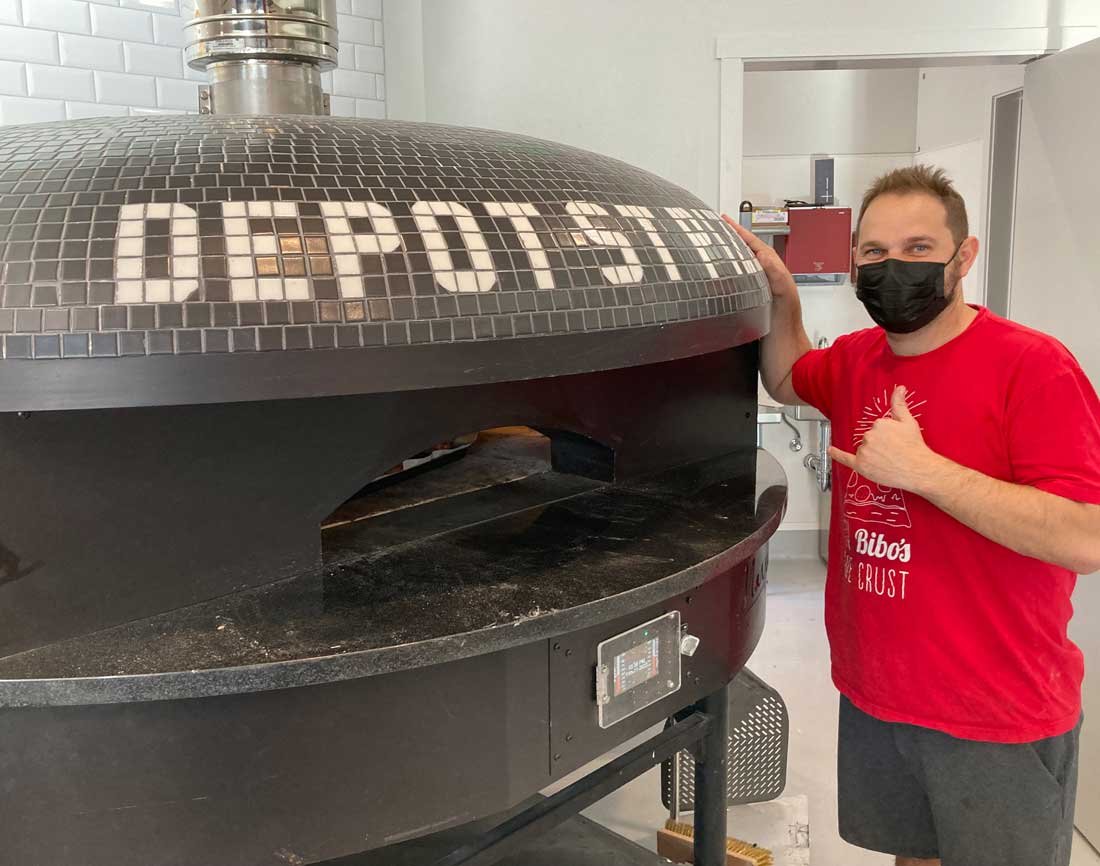
Where Downtown Morgan Hill Meets the Pizza Counter
Depot Street in Morgan Hill runs through a downtown that has been finding its footing as a genuine small-city dining destination rather than a freeway-exit afterthought. The street itself takes its name from the old Caltrain corridor that shaped this part of Santa Clara County, and that working-town infrastructure is still legible in the low-slung storefronts and the scale of the blocks. A pizza address at 17520 Depot St sits inside that character: it is not a destination restaurant extracting itself from its surroundings, but something more grounded in the rhythm of the street.
The Sourcing Logic Behind a Good Pizza
Pizza is a format that exposes its ingredients with unusual efficiency. There is almost nowhere to hide in a well-made crust, a tomato sauce, and a properly distributed cheese pull. That transparency is why the sourcing conversation that has reshaped American dining over the past two decades hits the pizza category with particular force. California, and specifically the Santa Clara Valley and its surrounding agricultural zones, provides an ingredient supply chain that many pizza operations in denser urban markets cannot access with the same proximity. Morgan Hill sits within reach of Gilroy's garlic and onion production, Watsonville's strawberry and vegetable farms, and the broader Central Coast dairy belt that supplies much of the state's fresh cheese. A pizza operation at this address, in this geography, has access to that supply, whether or not it formalises that sourcing into a marketing point.
The comparison is instructive. At the farm-to-table end of American fine dining, places like Blue Hill at Stone Barns in Tarrytown and Single Thread Farm in Healdsburg have made ingredient provenance the explicit architecture of their menus. At the other end of the format spectrum, a neighbourhood pizza counter operates on a different logic: the sourcing advantage is structural rather than programmatic, and it shows up in the quality of the base ingredients rather than in a printed provenance list. Northern California's pizza scene benefits from this structural advantage at every price point, from the wood-fired rooms of San Francisco down through the South Bay and into Morgan Hill.
California Pizza in Regional Context
California has its own well-established grammar for pizza. The state's version of the form diverged from New York and Chicago precedents partly through access to produce and partly through a cultural openness to variation that arrived alongside the Alice Waters–era food movement in the 1970s. By the 1990s and into the 2000s, California-style pizza had codified its own logic: thinner crusts, seasonal vegetables, local cheeses, and a willingness to treat the pizza as a canvas for whatever the surrounding agricultural zone was producing well. That tradition operates at every tier, from the wood-fired, prix-fixe rooms that charge fine-dining prices to the walk-in neighbourhood counters that feed a weeknight crowd.
Morgan Hill does not have the density of San Francisco's Mission or North Beach pizza culture, but it sits inside the same state-level ingredient infrastructure. Restaurants like Lazy Bear in San Francisco and Providence in Los Angeles demonstrate how seriously California takes the sourcing conversation at the summit of the market. The argument here is not that a neighbourhood pizza address operates at that tier, it does not, but that the sourcing conditions that make those restaurants possible are also available, in different proportions, to a pizza counter working the same state geography. That is worth understanding as a reader who cares about where food comes from and why it tastes different when the supply chain is shorter.
Across the country, the farm-proximity argument shows up in different formats. Smyth in Chicago and Oyster Oyster in Washington, D.C. have each built their identities around hyper-local sourcing in urban contexts where that proximity requires deliberate effort. In California's South Bay, proximity to agricultural land is less deliberate, it is simply a function of where the city sits in the state's geography.
The Neighbourhood Dynamic
Downtown Morgan Hill has been adding dining options at a pace that reflects the city's growth as a commuter and lifestyle destination for people priced out of San Jose and the Peninsula. The city's food scene is not monolithic: it ranges from the more considered offer at Odeum, which occupies a different tier of the local market, down through casual formats that serve the everyday dining needs of a growing residential population. A pizza address on Depot Street belongs to the latter category, which is neither a criticism nor a limitation, it is a description of the role that category plays in a functioning food ecosystem. Every city that develops a serious dining identity does so because it has a working casual tier as well as its destination addresses.
For context on what a genuine sourcing-forward pizza approach can look like at the fine-dining end of the American spectrum, addresses like Frasca Food and Wine in Boulder and Addison in San Diego show how California and Rocky Mountain ingredient cultures translate into composed, regionally grounded menus. The distance between those formats and a neighbourhood pizza counter is real, but the underlying sourcing geography that both operate within is more continuous than the price difference suggests.
Planning a Visit
Depot St. Pizza is located at 17520 Depot St in Morgan Hill's downtown corridor, walkable from the Caltrain station and accessible from US-101 via the East Main Avenue exit. The surrounding downtown blocks include the bulk of Morgan Hill's casual dining and bar options, making Depot Street a practical anchor for an evening in the city. Given the neighbourhood format, walk-in access is the standard approach, though arrival timing during peak dinner hours on weekends may require flexibility.
For visitors building a broader South Bay itinerary, the context for this stop is a city that is growing its food offer with some seriousness. Readers who use California's agricultural geography as a lens for understanding its food offer, the same frame that animates discussions of The French Laundry in Napa or Le Bernardin in New York City at the luxury end, will find that even a neighbourhood pizza stop in Morgan Hill sits inside a supply chain worth paying attention to.
At-a-Glance Comparison
Comparable venues nearby, for context on price, style, and recognition.
| Venue | Cuisine | Price | Notes |
|---|---|---|---|
| Depot St. PizzaThis venue — the venue you are viewing | New York/Neapolitan Hybrid Pizza | $$ | Not listed |
| Odeum | Modern Mediterranean with Greek and Spanish influences | $$$ | Downtown Morgan Hill |
| 19Seventy | Modern Italian | $$ | Whittier |
| Farmer's Bottega | Farm-to-Table Italian | $$ | Uptown |
| Renata's Cafe Italiano | Traditional Italian Trattoria | $$ | Old Towne Orange |
| Bettolino Kitchen | Modern California-Italian | $$ | Hollywood Riviera |
Continue exploring
More in Morgan Hill
Restaurants in Morgan Hill
Browse all →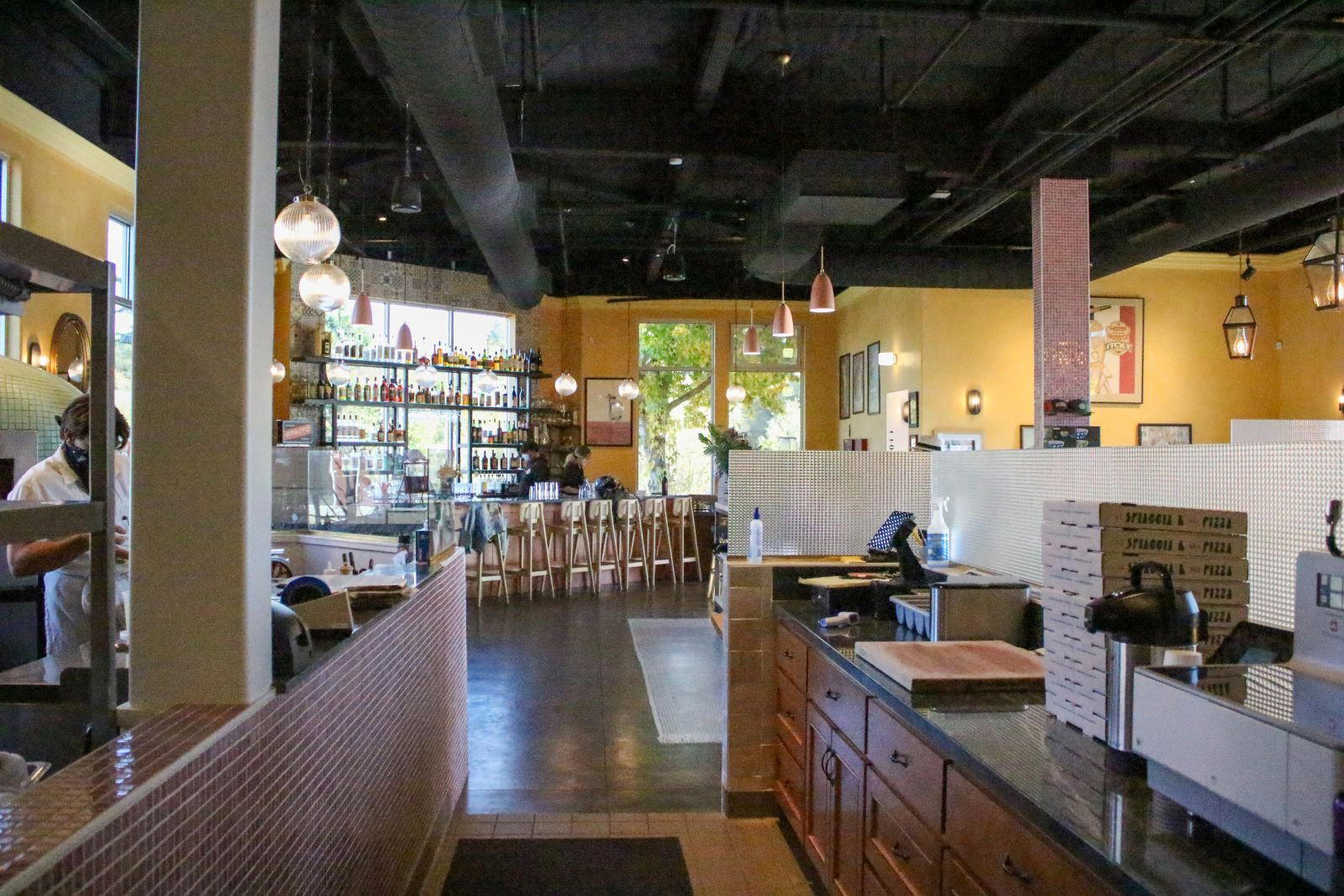
Bars in Morgan Hill
Browse all →

Hotels in Morgan Hill
Browse all →

At a Glance
- Casual
- Cozy
- Casual Hangout
- Family
- Beer Program
- Local Sourcing
Casual pizza shop atmosphere in a modern development, focused on high-quality pies.