Deme
Our verdict
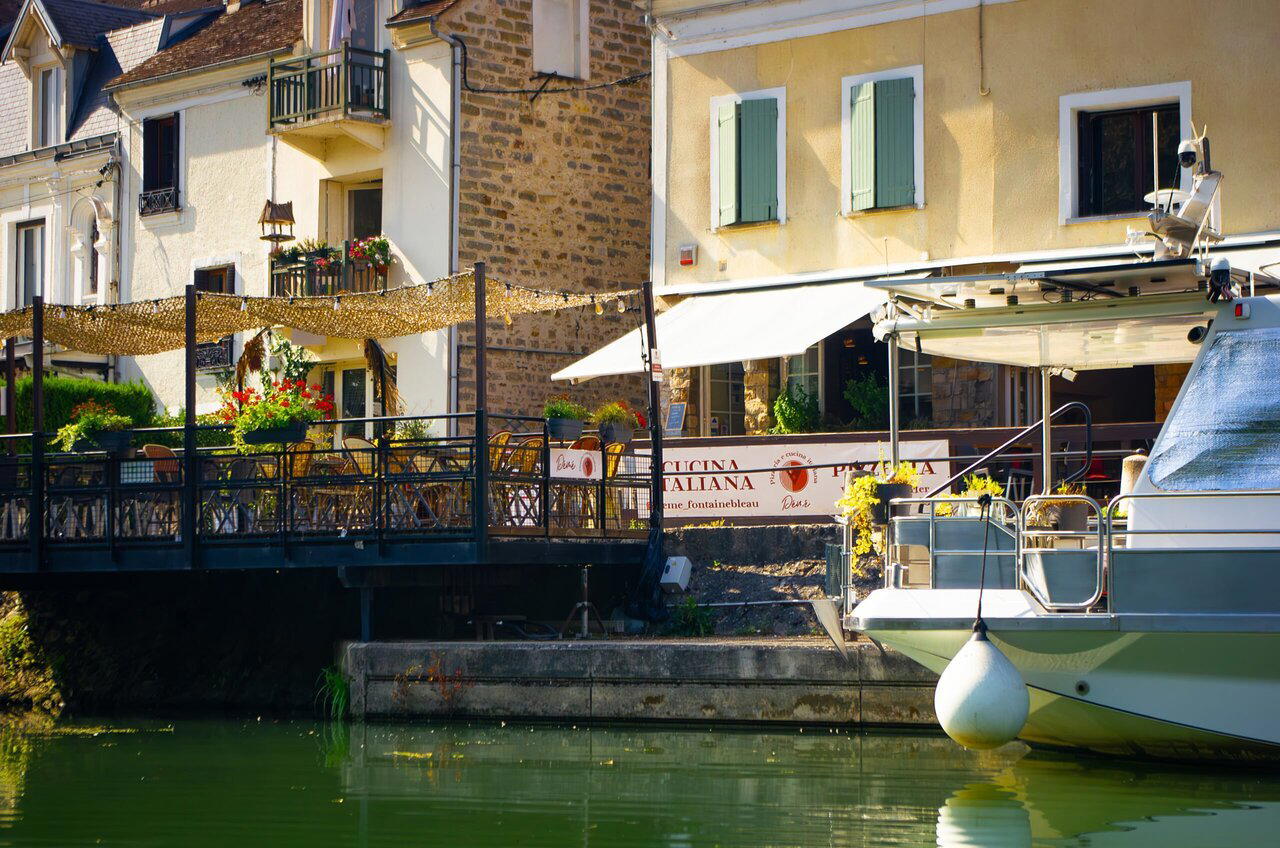
On the banks of the Seine in Samois-sur-Seine, Deme occupies a riverside address that places it squarely within the quieter current of Seine-et-Marne dining, where provenance and place tend to matter more than spectacle. For those travelling south from Paris through the Fontainebleau forest corridor, it represents a considered stop in a town more often associated with Django Reinhardt's legacy than with destination restaurants.

Pearl is the En Primeur Club membership app, where members save venues, book tables and use the concierge.
The menu
What to order
- Pizza Démé with gorgonzola and walnuts
- Pizza Porcina with porcini mushrooms
A River Town Table and What Surrounds It
Samois-sur-Seine sits roughly 60 kilometres southeast of Paris, pressed between the forest of Fontainebleau and the left bank of the Seine. The town is small, its quayside unhurried, and the traffic arriving for lunch or dinner tends to come from nearby Fontainebleau, Melun, or from Paris via the A6 motorway. This is not the circuit of grand destination dining that draws visitors to Mirazur in Menton or Alléno Paris au Pavillon Ledoyen. It is something quieter: a regional dining culture where the river, the forest, and the farms of Seine-et-Marne define what ends up on the plate.
Deme holds an address at 21 Quai de la République, which places it directly on the riverfront. In towns like Samois-sur-Seine, a quai address is not incidental. The proximity to water shapes the physical approach, the sound of the Seine, the light off its surface, the pace that a riverside setting enforces on an afternoon or evening. France has a long tradition of riverside dining rooms where the geography is as much a part of the proposition as the kitchen, from the guinguettes that once lined the Marne to the more serious tables along the Rhône. Deme sits within that broader tradition of French restaurant culture where location is not backdrop but ingredient.
Sourcing in Seine-et-Marne: What the Region Provides
Seine-et-Marne is often underestimated as a food-producing region precisely because it sits in the shadow of Paris, its agricultural output absorbed into the capital's supply chains and its independent restaurant culture receiving less editorial attention than the city itself. But the department produces serious ingredients. The Brie de Meaux, one of France's most protected cheeses, is made here. The forests around Fontainebleau yield game in season. The Seine and its tributaries have historically supported freshwater fish, and the market gardens of the region supply both Paris and local tables with produce that travels a fraction of the distance required to supply a city like Lyon or Bordeaux.
This matters for any kitchen operating at Deme's address. Restaurants in the Seine-et-Marne corridor that take sourcing seriously have access to short supply chains that larger urban kitchens cannot replicate. Brie de Meaux takes roughly four to six weeks to develop its characteristic rind and paste, and buying it locally means receiving it at precisely the stage the producer and the kitchen agree suits the table. The same logic applies to game: when the hunting season opens in September, the gap between the forest and the plate in a town like Samois-sur-Seine is measured in kilometres, not supply chain days. This is a structural advantage that the region's leading tables exploit, even if few visitors from Paris think to credit it.
In the broader conversation about where French regional cuisine is heading, the contrast between destination tables in Provence or the Alps Flocons de Sel in Megève, L'Oustau de Baumanière in Les Baux, and the quieter, less photographed tables of the Île-de-France hinterland is instructive. The former operate under enormous visibility pressure. The latter often work with similar raw material quality at a fraction of the promotional noise. Whether Deme is exploiting that regional advantage fully is a question leading answered by visiting, but the address alone positions it within an ingredient-rich territory that many kitchens would envy.
Positioning and Peer Context
France's national dining conversation gravitates toward its most decorated addresses: Troisgros in Ouches, Bras in Laguiole, Auberge de l'Ill in Illhaeusern, Paul Bocuse's Auberge du Pont de Collonges. These are institutions that carry decades of critical scrutiny and international visitor traffic. Deme operates in a different register.
That position has its own logic. Restaurants in the mid-Seine corridor that perform well do so on the strength of what they do repeatedly and well: consistent sourcing, rooms that reflect the scale of the town rather than the ambitions of a city kitchen, and menus that change with what the season and the region provide rather than with what earns coverage in the Paris press. Georges Blanc in Vonnas and Maison Lameloise in Chagny demonstrate what sustained regional commitment produces over generations. Deme, at its quai address, operates in a less rarified version of the same tradition.
For contrast with French kitchens operating at the other end of the ambition scale, the decorated rooms at Le 1947 à Cheval Blanc in Courchevel, La Vague d'Or in Saint-Tropez, or Auberge du Vieux Puits in Fontjoncouse are worth cross-referencing in our guides. Internationally, the ingredient-sourcing seriousness of a kitchen like Le Bernardin in New York or the format precision of Lazy Bear in San Francisco shows how seriously provenance-led cooking is taken well beyond France's borders. Our full Samois-sur-Seine restaurants guide maps the town's dining options in more detail for visitors planning a longer stay in the Fontainebleau area.
Planning a Visit
Samois-sur-Seine is accessible from Paris by car in approximately one hour via the A6 motorway, exiting toward Fontainebleau and then following the Seine south. The town is also reachable by train to Fontainebleau-Avon station, followed by a short taxi or bicycle ride to the riverfront. The quai address means that in warm months, late afternoon or early evening arrivals offer the leading light on the water, and weekends draw a more visitor-oriented crowd than weekday lunches. Booking ahead is advisable for weekend service, though the town's scale suggests the room is unlikely to be large. Visitors pairing the meal with a stay in the broader Fontainebleau area will find the town more rewarding approached as a half-day excursion than a rushed detour. See also Les Prés d'Eugénie in Eugénie-les-Bains and La Table du Castellet in Le Castellet for other French regional tables worth planning a route around.
Frequently asked questions
Is Deme a family-friendly restaurant?
Samois-sur-Seine is a quiet village on the Seine, the kind of place where riverside tables attract a local, multigenerational crowd rather than a specifically curated one. A quai address at 21 Quai de la République, in a town this size, tends toward relaxed rather than formal.
Is Deme better for a quiet night or a lively one?
Samois-sur-Seine has no nightlife circuit. For a village pressed between the Fontainebleau forest and the Seine, the tempo after dark is measured in river sounds, not crowd noise. A quai restaurant at this address will almost certainly reflect that: closer to a quiet dinner than an animated evening out, which for many visitors is precisely the point of coming this far from Paris.
How far is Deme from Paris, and is it worth the trip as a standalone destination?
Deme sits in Samois-sur-Seine, approximately 60 kilometres southeast of Paris, reachable in roughly one hour via the A6 motorway toward Fontainebleau. The town's position between the Seine and the Fontainebleau forest gives it a character distinct from anything within the périphérique, a reason to go rather than merely a stop along a larger route. Pairing the meal with time in the forest or along the river bank makes the drive more than logistically worthwhile.
Where do I go for Deme?
Deme is located at 21 Quai de la République, 77920 Samois-sur-Seine, France, Samois Sur Seine.
Fast Comparison
| Venue | Cuisine | Price | Awards | Notes |
|---|---|---|---|---|
| DemeThis venue (the venue you are viewing) | Traditional Italian Pizzeria & Trattoria | $20–30 | Not listed | Not listed |
| Mirazur | Modern French Fine Dining | $300–500 | 3 Michelin Stars · World's 50 Best #1 | Modern French, Creative |
| Alléno Paris au Pavillon Ledoyen | Modern French Fine Dining | $150–200 | 3 Michelin Stars · World's 50 Best #79 | Creative |
| Kei | Modern French with Japanese Influences | $300–500 | 3 Michelin Stars · World's 50 Best #93 | Contemporary French, Modern Cuisine |
| L'Ambroisie | Classic French Haute Cuisine | $300–500 | 2 Michelin Stars · World's 50 Best #23 | French, Classic Cuisine |
| Le Cinq - Four Seasons Hôtel George V | Modern French Fine Dining | $300–500 | 3 Michelin Stars · World's 50 Best #24 | French, Modern Cuisine |
Continue exploring
More in Samois Sur Seine
Restaurants in Samois Sur Seine
All restaurants in Samois Sur Seine →
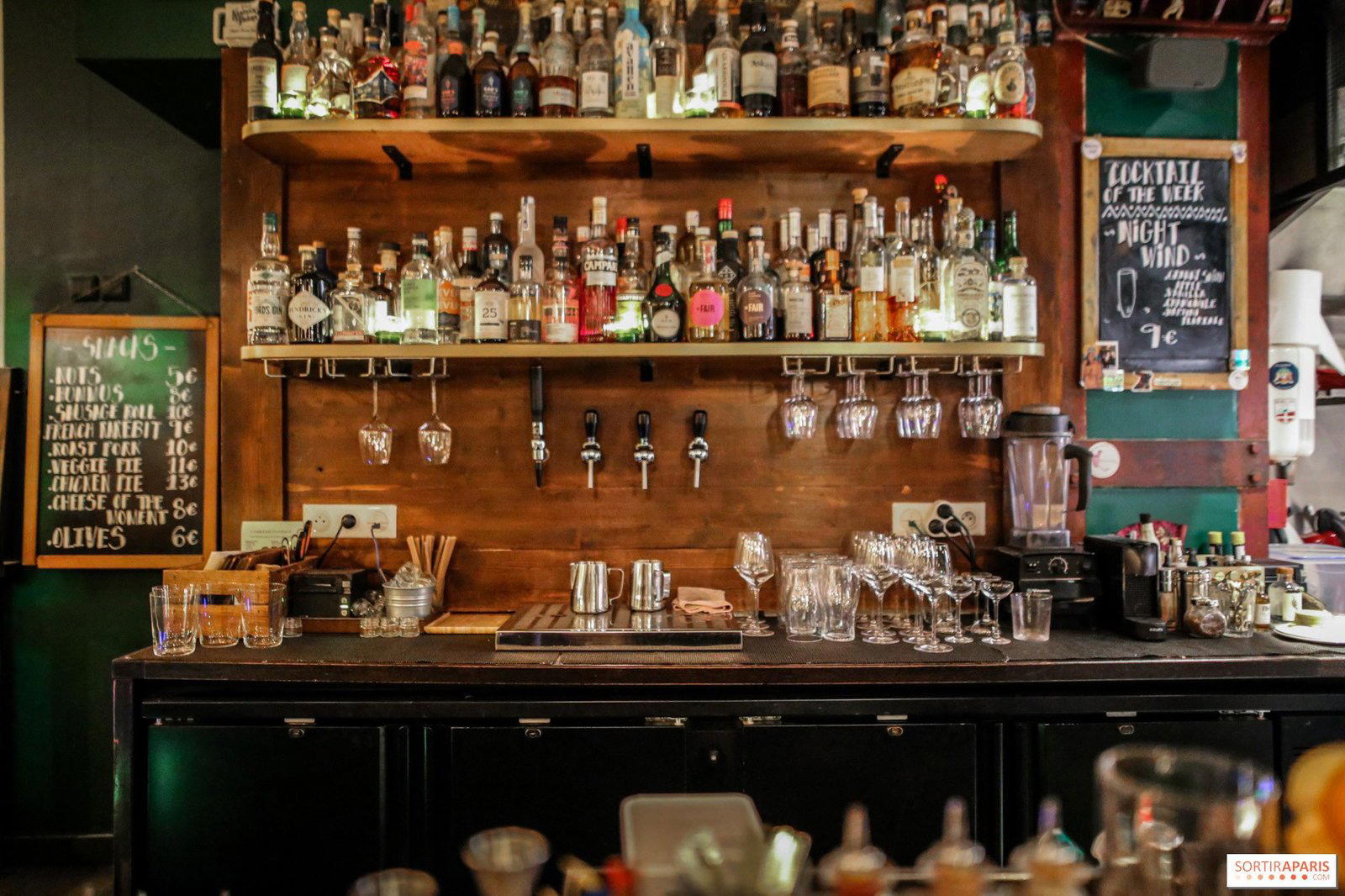
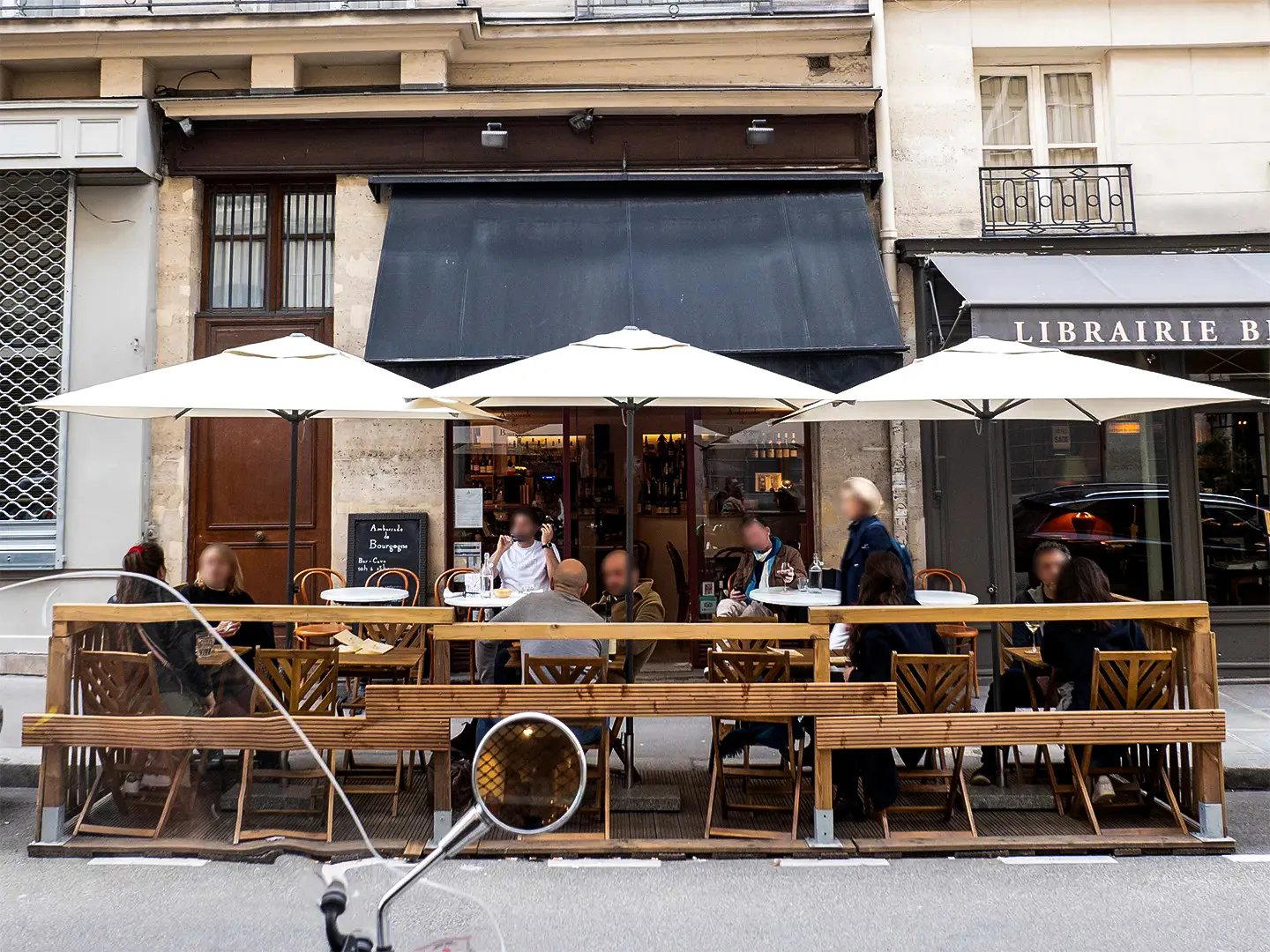
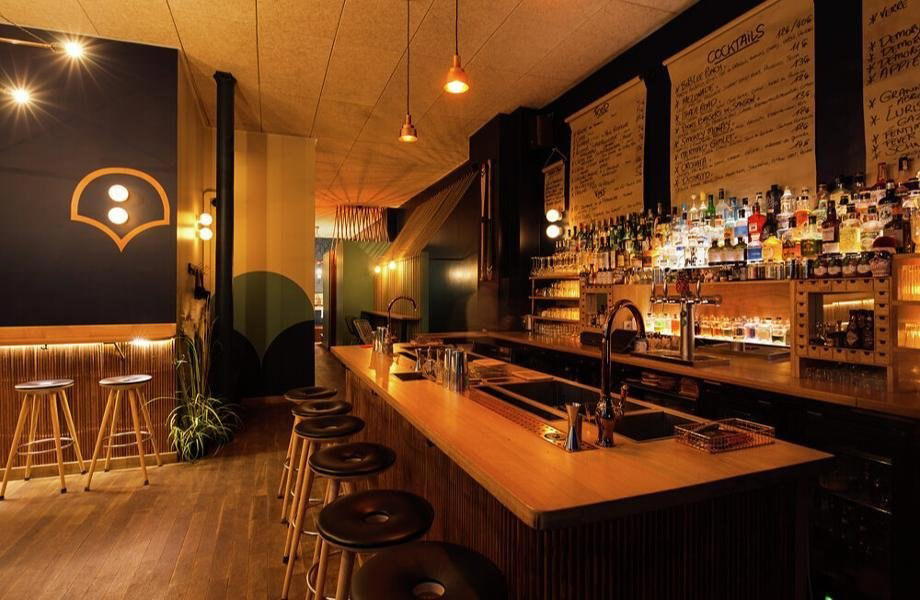
Bars in Samois Sur Seine
Browse all →
Hotels in Samois Sur Seine
Browse all →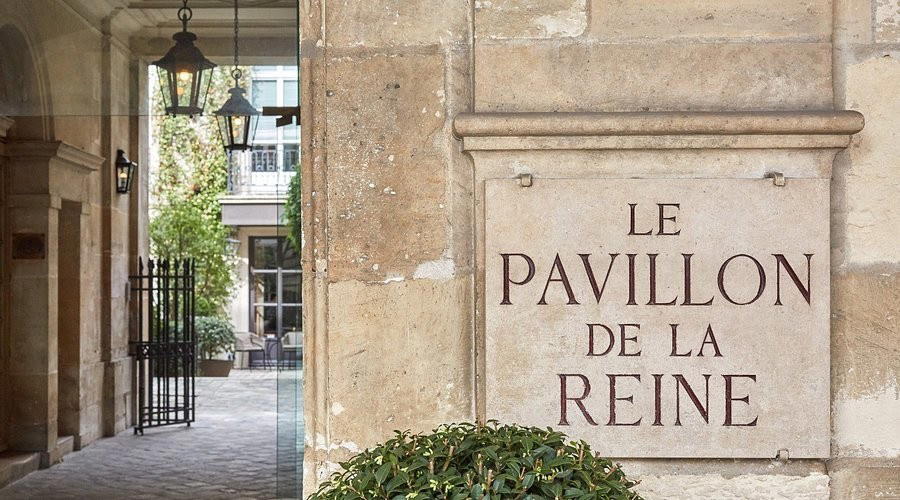
Wineries in Samois Sur Seine
Browse all →
Details
- Romantic
- Scenic
- Cozy
- Intimate
- Date Night
- Family
- Group Dining
- Casual Hangout
- Waterfront
- Terrace
- Private Dining
- Craft Cocktails
- Local Sourcing
- Waterfront
- A La Carte
- Family Style
- Italian Wine
- Traditional Cocktails
- Vegetarian Friendly
Current opening hours
- Monday
- 12–2:30 PM, 7–10:30 PM
- Tuesday
- 12–2:30 PM, 6–10:30 PM
- Wednesday
- 12–2:30 PM, 6–10:30 PM
- Thursday
- 12–2:30 PM, 7–10:30 PM
- Friday
- 12–2:30 PM, 7–10:30 PM
- Saturday
- 12–2:30 PM, 7–10:30 PM
- Sunday
- 12–2:30 PM, 7–10:30 PM
Hours can change for holidays and private events. Hours as of .
Warm and welcoming with a picturesque riverside setting, featuring antique mirrors and burgundy accents reflecting the chef's Calabrian heritage, creating an intimate yet lively atmosphere.