De Leest
De Leest in Vaassen was a three-Michelin-star restaurant known for contemporary Dutch seafood tasting menus. Must-try dishes included langoustine with mushrooms and escabeche, Oosterschelde lobster with fava beans and savory, and scallop served both as tartare and grilled. Chef Jacob Jan Boerma married precise technique with seasonal produce sourced from the Veluwe and nearby waters, while sommelier Kim Veldman curated European and organic wines. The dining experience emphasized many small, carefully composed courses that highlighted fresh shellfish, subtle Asian notes, and restrained sauces. De Leest closed permanently on 27 December 2019, leaving a legacy of exacting seafood dishes and a warm, intimate dining room in the heart of Vaassen.
- Address
- Kerkweg 1, Vaassen, 8171, Netherlands
- Phone
- +31 578 57 13 82
- Website
- restaurantdeleest.nl
- Directions
- Get directions
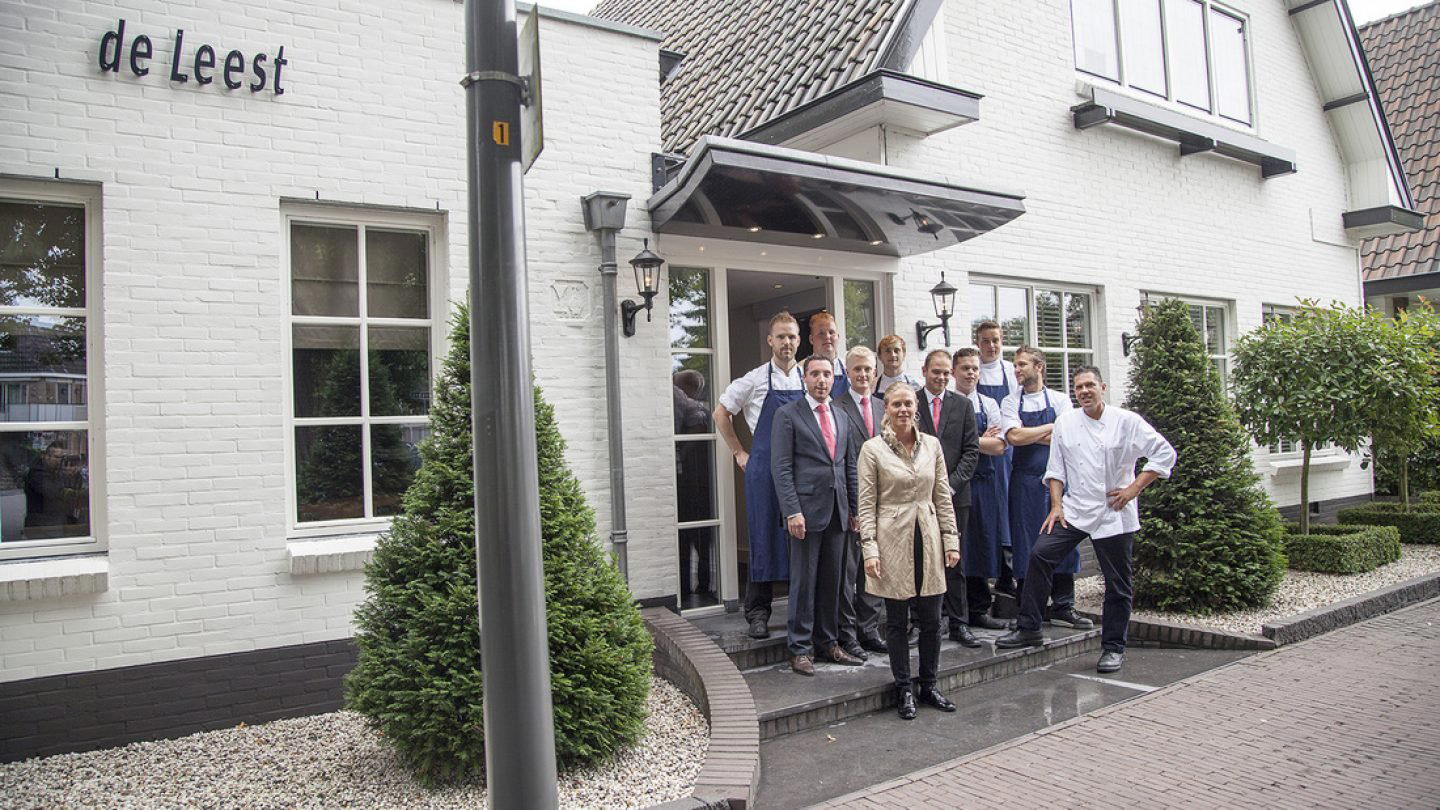
De Leest was a restaurant in Vaassen, Netherlands, at Kerkweg 1. Located at Kerkweg 1, De Leest served tasting menus that emphasized regional produce, river and sea fish, and precise cooking. From the first course the kitchen aimed to highlight texture and freshness: delicate shellfish, light emulsions, and crisp seasonal vegetables arrived as a steady procession of small, highly detailed plates. De Leest earned steady acclaim for that clarity of purpose and for transforming a modest shoemaker’s shop into a refined dining destination in Vaassen, Netherlands.
Jacob Jan Boerma led the restaurant with a clear culinary vision rooted in technique and terroir. Boerma moved from a two-star environment near Amsterdam before opening the restaurant, and his achievements there include one Michelin star in 2003, a second in 2007, and a third from 2014 until the restaurant’s closure. The kitchen emphasized seafood over loud flavors, favoring exact cooking of langoustines, lobster, and scallops. Kim Veldman managed the front of house and wine list, selecting European and organic labels that complemented subtle sauces and briny courses.
The restaurant was a member of Les Patrons Cuisiniers and became known for its price-quality balance, a rare value in haute cuisine. The restaurant closed permanently on 27 December 2019 for family reasons, leaving a compact but influential body of work in Dutch gastronomy. The courses at the restaurant moved through many short courses, each designed to show a single idea. Signature dishes included langoustine with mushrooms and escabeche, where the crustacean was barely warmed to keep texture, paired with an acidic escabeche that cut through the richness.
Oosterschelde lobster appeared with fava beans and savory, a combination that balanced sweet shellfish with fresh summer pods. Another notable plate paired slowly cooked lobster with celeriac, vinegar, potato, shiitake, chorizo, and a touch of sauerkraut for acidity and contrast. Scallop featured as both tartare and grilled, emphasizing raw sweetness and smoky sear in rapid succession. Oyster mousseline poached with yuzu offered clean briny flavors lifted by citrus, while occasional Asian accents, lemongrass marshmallow or yuzu, were used sparingly to sharpen a bite.
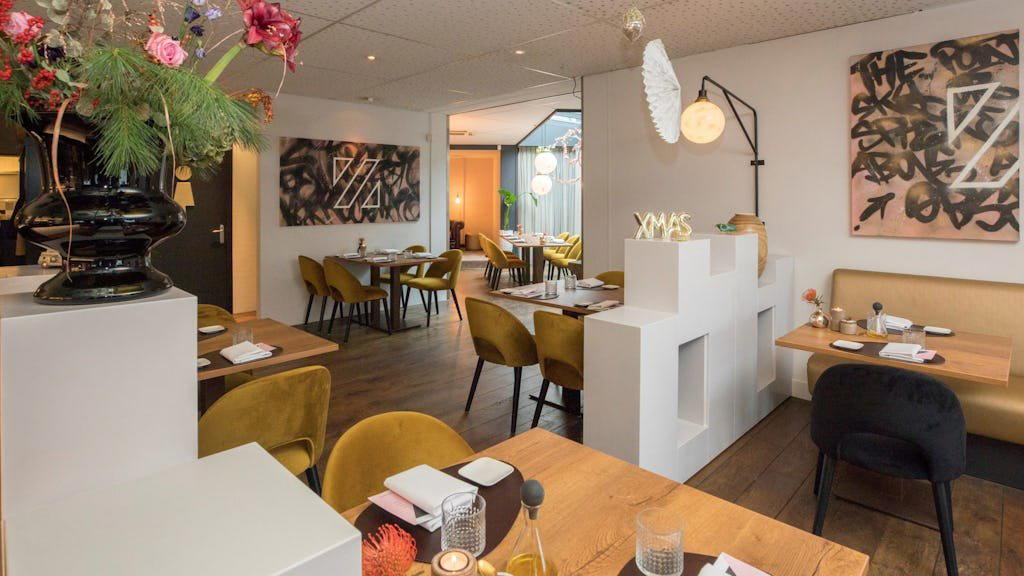
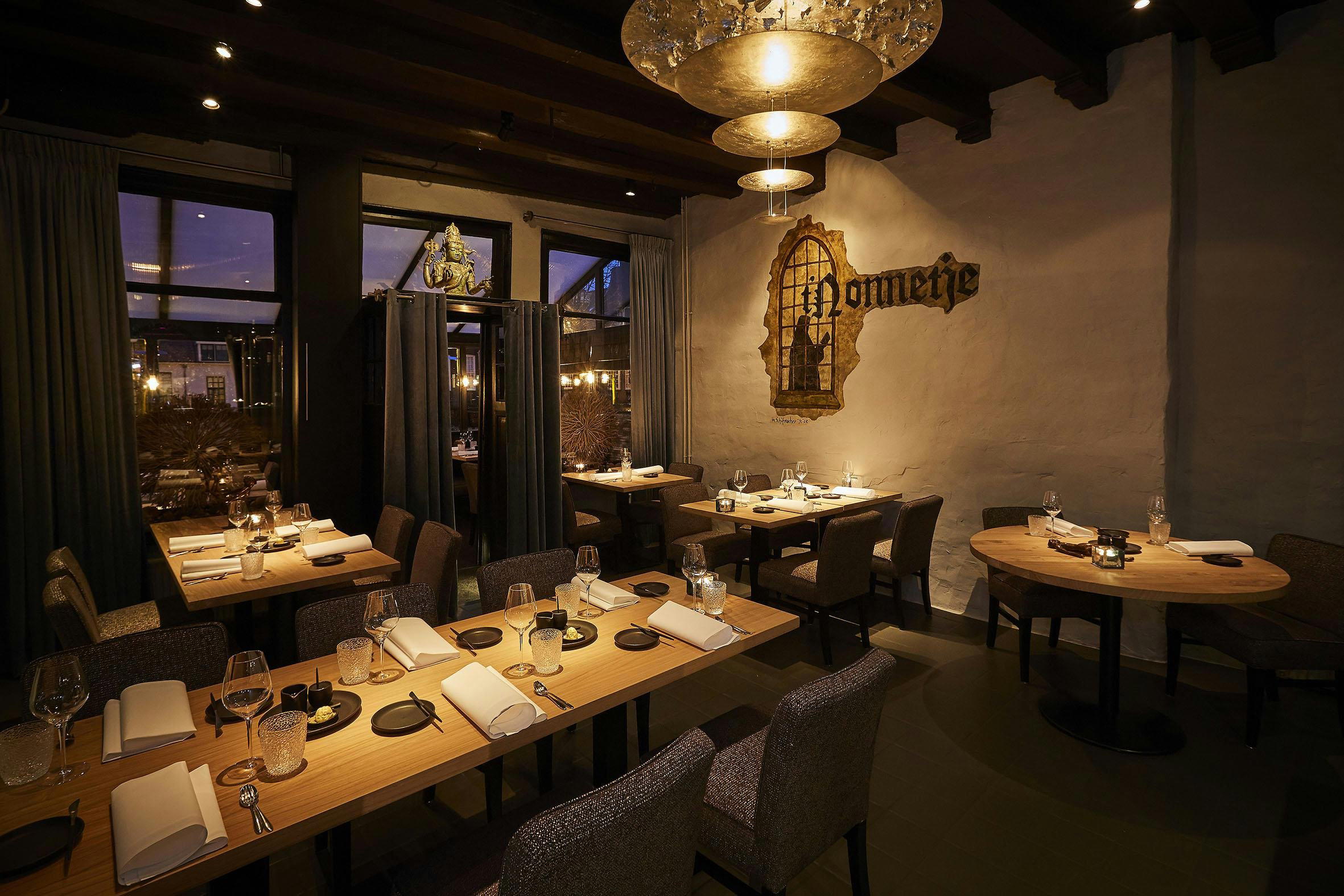
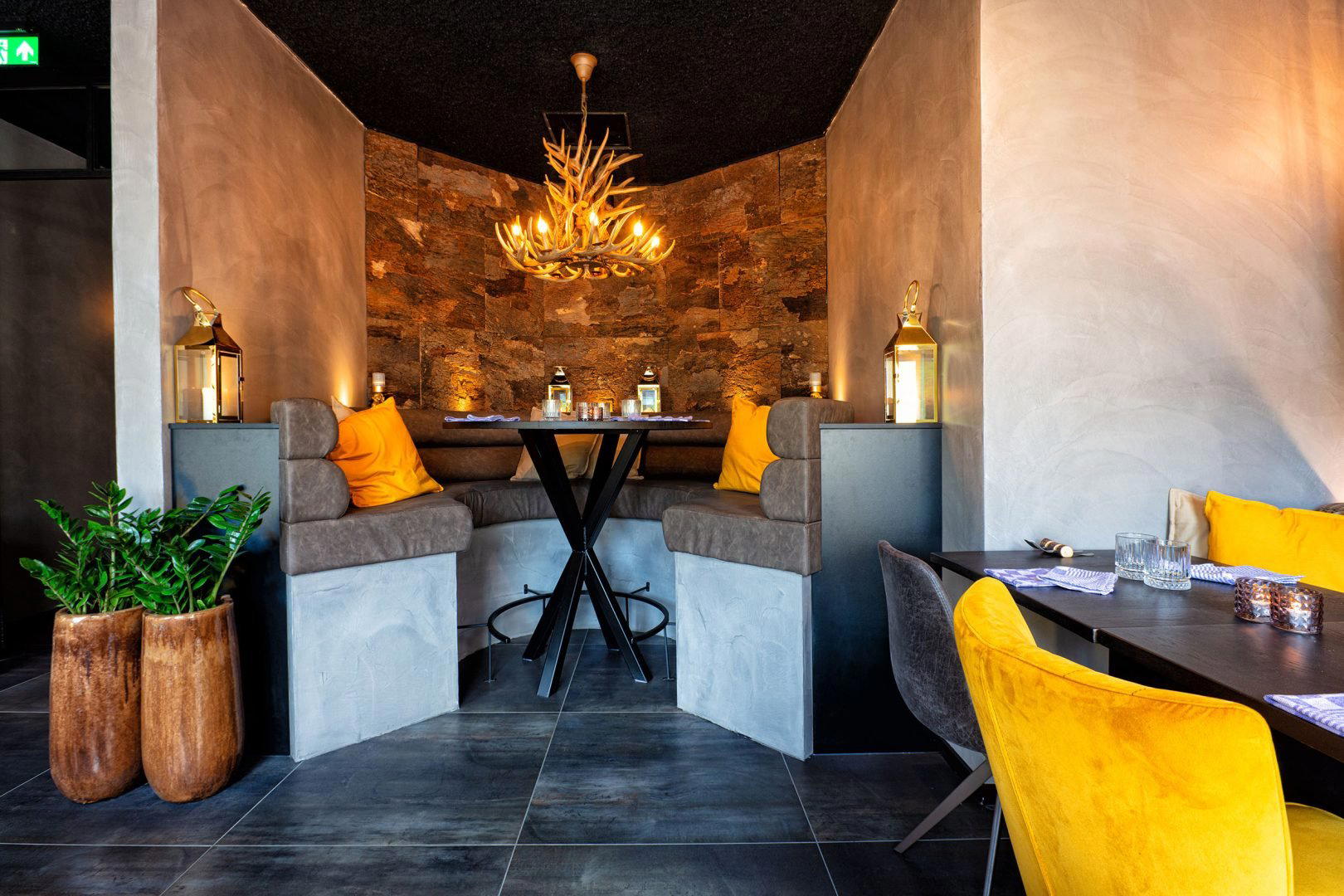
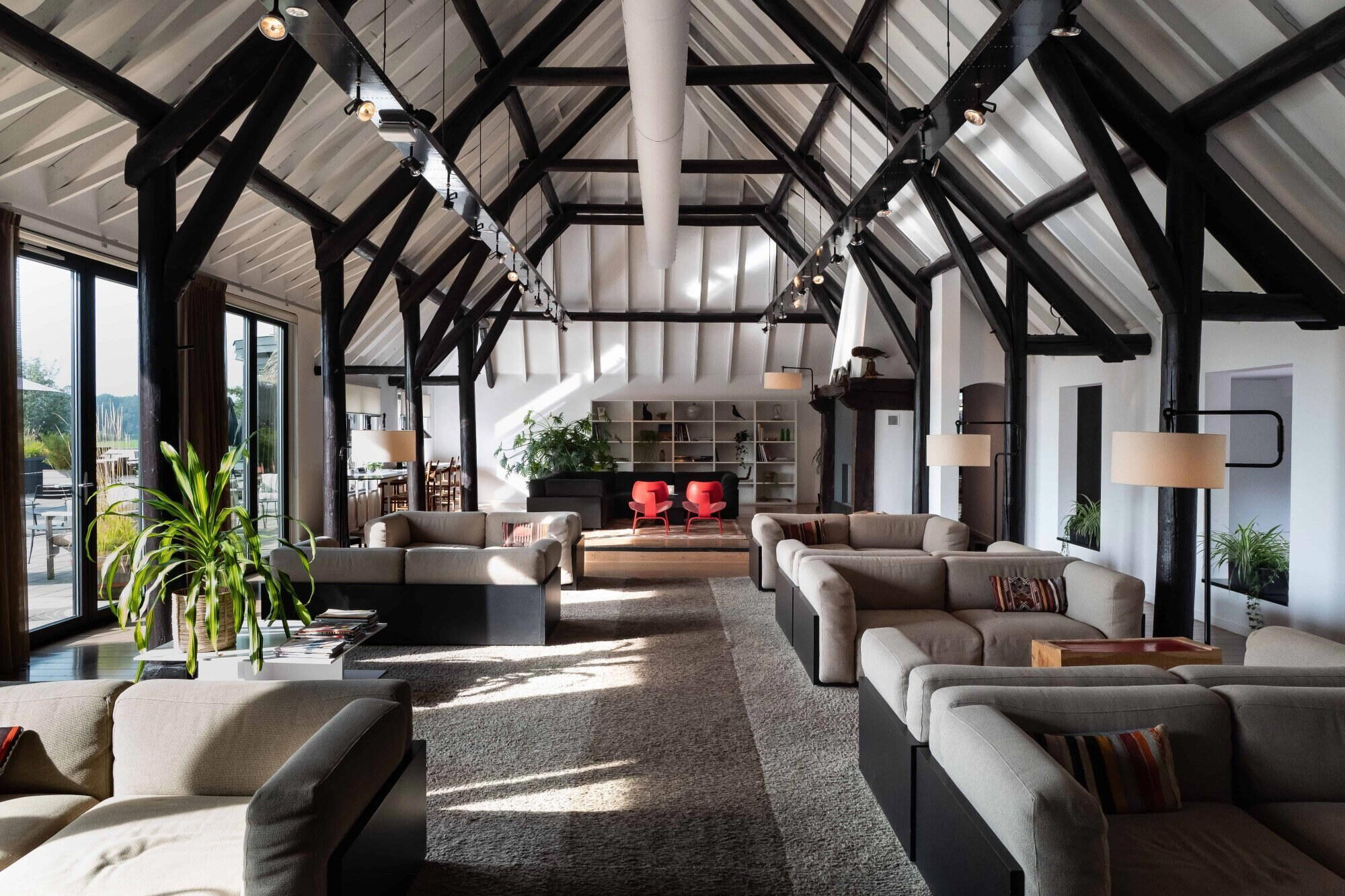
Seasonal specialties rotated with peas, fava beans, and forest mushrooms; the tasting menu adapted on a weekly basis to reflect availability. Service at the restaurant matched the food’s restraint: attentive without theatrics and rooted in knowledge. The dining room occupied a converted shoemaker’s shop with exposed beams and an intimate scale. Tables were arranged to allow quiet conversation and focused attention on each plate.
Lighting and materials aimed for comfort rather than spectacle, and the interior preserved original structural details to remain comfortable on cool evenings. The wine program, curated by Kim Veldman, favored European growers and several organic producers, with pairings that tracked acidity and minerality to the seafood-led menu. For guests seeking a front-row kitchen view or direct interaction, the team sometimes offered chef-led explanations and pacing adjustments for dietary needs. For visitors, allow time in Vaassen and nearby Apeldoorn to explore the Veluwe and regional producers.
The restaurant remains an important chapter in contemporary Dutch gastronomy. Jacob Jan Boerma’s exacting seafood plates and Kim Veldman’s thoughtful wine pairings set a standard for tasting-menu dining outside major city centers. Though the restaurant closed on 27 December 2019, its menus, techniques, and regional focus continue to influence chefs and diners interested in refined seafood cookery.
In Context
Comparable venues nearby, for context on price, style, and recognition.
| Venue | Cuisine | Price | Awards | Notes |
|---|---|---|---|---|
| De LeestThis venue — the venue you are viewing | Dining | Not listed | Not listed | Not listed |
| Aroma | Vaassen, Italian Fine Dining | $$$$ | Michelin Plate | Not listed |
| Colors World Food | Markt, International Fusion Small Plates | $$ | Not listed | Not listed |
| Klein Zakopane | Giesbeek, Traditional Polish Goral | $$ | Not listed | Not listed |
| Badhuis | Not listed | $$ | Not listed | Noordoost, Seasonal European Small Plates |
| Bistronome Des Arts | centrum, Authentic French Bistro | $$ | Not listed | Not listed |