Our verdict
Darbunah is a Baghdad dining address that draws from Iraq's deep tradition of communal, ritual-paced meals. Positioned within the city's evolving restaurant scene, it represents the kind of local institution where the rhythm of eating matters as much as what arrives at the table. For visitors reading the capital's dining culture, it is a useful reference point.

Pearl is the En Primeur Club membership app — saves, bookings, and concierge access live there. Same editors, same standards.
- Address
- الكرادة, بغداد
- Directions
- Get directions
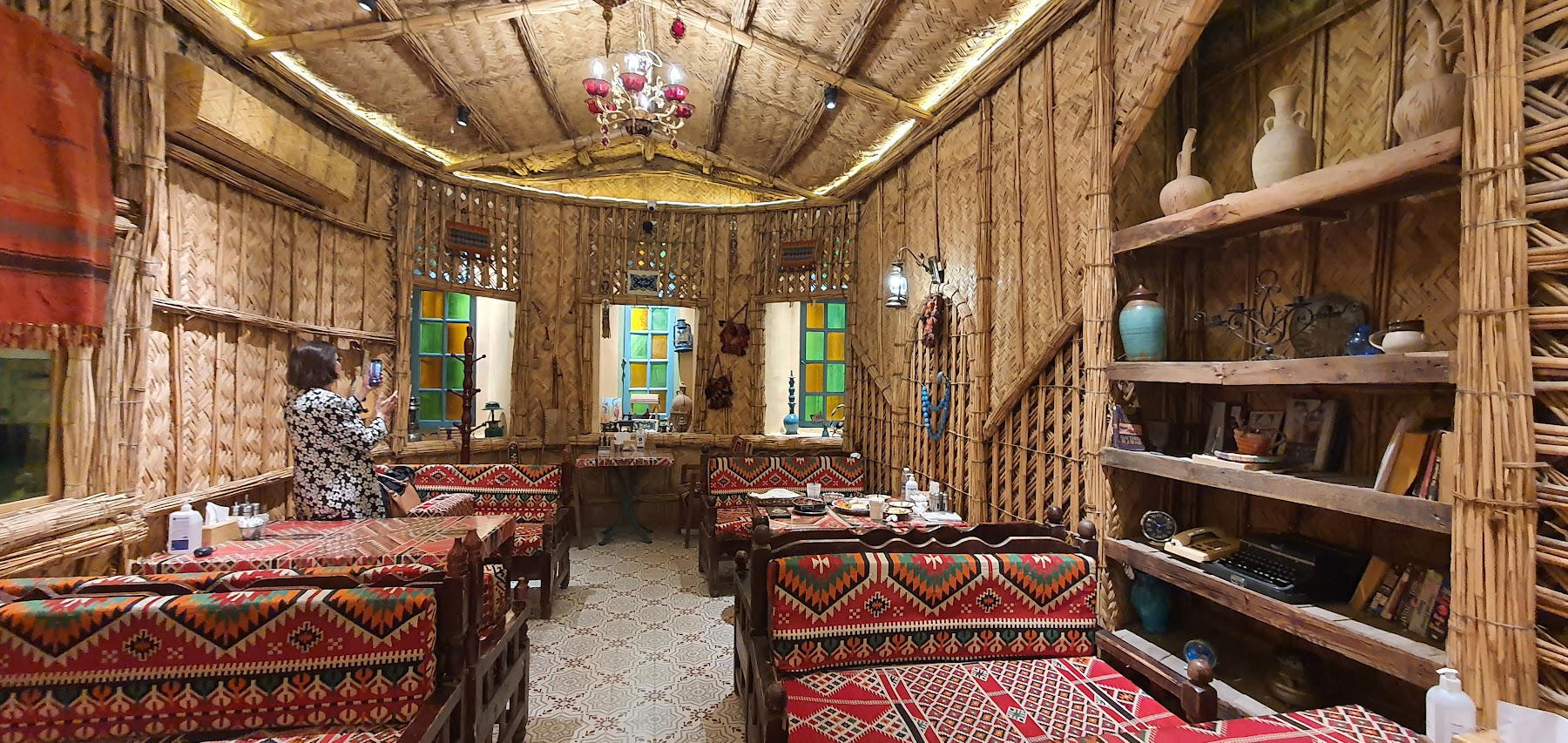
The menu
What to order
- Kebabs
- Stews
The Pace of the Meal in Baghdad
Baghdad's dining culture has always been structured around time. A meal here is not a transaction with a fixed endpoint; it is a sequence of arrivals, a negotiation between hospitality and appetite, punctuated by tea, conversation, and dishes that appear in their own order. Darbunah, situated in a city where restaurants function as social infrastructure as much as food destinations, operates inside this tradition. The experience of eating there is shaped less by any single dish than by the cumulative logic of how a meal unfolds in this part of the world.
That pacing tradition is worth understanding before you arrive. Iraqi dining typically begins with mezze-style spreads, moves through grilled proteins and rice dishes anchored by slow-cooked stocks, and resolves in sweetness and hot beverages. The meal is not rushed toward a bill; the table is held. For visitors arriving from dining cultures where the cover is turned within ninety minutes, the adjustment requires a deliberate shift in expectation. Darbunah, like other serious Baghdad addresses, rewards the reader who arrives without a fixed schedule.
Where Darbunah Sits in the Baghdad Dining Map
Baghdad's restaurant scene has rebuilt itself over two decades of disruption, and what has emerged is neither homogeneous nor easily ranked by Western critical frameworks. The city now supports everything from casual shawarma counters, represented at the street level by places like Shawarma Shabab Alsaadoon, to juice-and-snack institutions such as Hajj Zibala Juice, and older, more established dining rooms like Casino Al Iraq, which carries its own legacy in the city's social history. Darbunah occupies a position within this spread that is worth clarifying: it draws on Iraqi cooking's communal, table-sharing format in a setting that prioritizes the ritual of eating over speed or novelty.
The broader Iraqi dining tradition that places like Darbunah represent has a regional counterpart in cities like Erbil and Mosul, where addresses such as Seasons Restaurant, QI 21 Sushi and Grills, and مشويات ابو قصي serve as anchors for their own local dining cultures. Darbunah's Baghdadi context distinguishes it from these: the capital carries a density of food tradition, from the Tigris fish grills of Abu Nawas to the bread-and-stew logic of the older teahouse districts, that informs even contemporary dining rooms operating today. The venue مطعم دربـــونـــة in Karrada is part of this broader network. For readers building a full picture of Iraqi dining, our full Baghdad restaurants guide maps the wider terrain.
The Ritual Architecture of an Iraqi Table
Understanding what sets Iraqi dining apart from, say, the tasting-menu formats of Atomix in New York or the precisely sequenced courses at Alinea in Chicago, requires attention to the structural logic of how dishes are ordered and shared. At the high end of the global spectrum, restaurants like Le Bernardin or Alléno Paris au Pavillon Ledoyen exercise complete control over the meal's sequence. Iraqi tradition inverts that dynamic: the table, not the kitchen, determines the rhythm. Dishes are ordered collectively, arrive without strict choreography, and are eaten from shared plates. The guest who waits for individual plating will misread the room.
This matters at Darbunah because the dining ritual here is participatory. The correct approach is to order broadly, eat from the center, and allow the meal to accumulate. Rice dishes in Iraq, particularly those built on spiced stocks and slow-cooked meat, are not side orders; they are structural. Flatbreads arrive hot and function as utensils as much as food. The sequence from savory to sweet happens at the table's own pace, not at the kitchen's direction. Restaurants operating in this tradition, from Al Rahman Restaurant to Khan Kebap in Duhok, share this structural logic, even as the specific dishes vary by region.
Planning the Visit: Practical Orientation
Restaurant access in the capital frequently operates through local referral or walk-in, with formal reservations less universal than in cities with mature booking infrastructure. Arriving earlier in the evening, before 8pm, typically allows for easier seating at in-demand addresses. Groups larger than four benefit from advance coordination, even where formal booking is not the norm.
Dress expectations at Baghdad restaurants in this category tend toward smart-casual without rigidity. The social register of the room is important: Iraqi dining culture places weight on being a considered guest, which translates into modest dress and attentiveness to the shared-table format. Allergy communication is leading handled directly with staff on arrival, as menus at restaurants in this tradition are rarely published with allergen annotations. That direct conversation with the room, rather than reliance on printed information, is part of the dining culture itself.
Comparable venues in Iraq's northern cities, including Seasons Restaurant and QI 21 Sushi and Grills in Erbil, tend to have more formalized booking systems, which reflects the different pace of hospitality infrastructure development between Baghdad and the Kurdistan Region. For readers accustomed to the reservation structures of Lazy Bear in San Francisco or the timed sittings at Emeril's in New Orleans, the Baghdad approach requires a recalibration of planning habits.
The Wider Context: Iraqi Cooking as a Serious Tradition
Iraq's culinary tradition is among the oldest continuously practiced in the world, rooted in Mesopotamian agriculture and shaped by centuries of trade routes connecting Persia, the Levant, and the Arabian Peninsula. The staple grammar of the Iraqi table, slow-cooked lamb, spiced rice, sour-note pickles, and bread central to every meal, has not changed in its essentials across generations. What changes is the dining room around it. Contemporary Baghdad restaurants are negotiating between this deep tradition and the expectations of a population that has also encountered global food culture. That negotiation is visible in restaurants like Darbunah, which represents a point in the spectrum where tradition is the anchor rather than the departure point. For readers who have explored the tasting menus of 8½ Otto e Mezzo Bombana in Hong Kong or the classical French precision of Alain Ducasse at Louis XV in Monte Carlo, the shift to an Iraqi communal table is a meaningful change of frame, not a step down.
Frequently asked questions
What makes Darbunah a distinctive choice for experiencing traditional Iraqi cuisine in Baghdad?
Baghdad is one of the few cities where Iraqi cooking, rooted in Mesopotamian agriculture and centuries of Silk Road trade influence, is served in its home context rather than as a diaspora interpretation. Darbunah operates within that tradition in a city that has actively rebuilt its dining culture over the past two decades. For visitors specifically seeking Iraqi food as practiced in Iraq rather than abroad, Baghdad itself is the credential, and Darbunah is positioned within that scene.
What do regulars order at Darbunah?
What is consistent with Baghdad's Iraqi dining tradition is a table built around shared dishes, slow-cooked proteins, and grain-forward preparations that reflect the Mesopotamian agricultural roots the city's restaurants draw on. Arriving with an open approach to the full spread, rather than ordering selectively, aligns with how the Iraqi communal table is typically structured.
Should I book Darbunah in advance?
Confirmed booking channels for Darbunah, including phone and website, are not publicly listed at the time of writing. Baghdad restaurants operating at a known local following tend to fill without much advance notice, particularly on weekend evenings. Arriving early or making contact through local concierge services in Baghdad is the most reliable approach until direct booking details are confirmed.
What's Darbunah best at?
Darbunah sits within Baghdad's broader dining scene, which has rebuilt itself across two decades and now produces cooking grounded in Iraqi tradition rather than imported formats. The strength of venues in this category is the pace and structure of the meal itself: sequential, communal, and designed for extended time at the table rather than quick turnover. That rhythm is what distinguishes Baghdad's serious dining rooms from casual options.
Is Darbunah allergy-friendly?
No specific allergen or dietary accommodation policy for Darbunah is publicly documented. Iraqi cuisine typically relies on wheat, dairy, and tree nuts as foundational ingredients across many dishes, so diners with significant allergies should clarify requirements directly with the venue before visiting.
Should I splurge on Darbunah?
Price range data for Darbunah is published details are limited at this time. Baghdad's restaurant market generally prices well below comparable dining rooms in Beirut or Amman, meaning that a full-table Iraqi meal with multiple shared courses tends to represent strong value even at the upper end of the local market. The question is less about splurging and more about committing to the full meal structure rather than ordering minimally. Check the venue's official channels for the latest details.
What It’s Closest To
Comparable venues nearby, for context on price, style, and recognition.
| Venue | Cuisine | Price | Notes |
|---|---|---|---|
| DarbunahThis venue — the venue you are viewing | Authentic Iraqi | Not listed | Not listed |
| Al Rahman Restaurant | Traditional Iraqi Grill | Not listed | Al-Adhamiya |
| Casino Al Iraq | Middle Eastern | Not listed | central Baghdad |
| Shawarma Shabab Alsaadoon | Iraqi Shawarma | $1–10 | Al Saadoon |
| كص ابو حسين | Traditional Iraqi Shawarma & Kass | $1–10 | Al-Mutanabbi Street |
| مطعم شاورما شباب السعدون | شاورما عربية تقليدية | $1–10 | شارع السعدون |
Continue exploring
More in Baghdad
Restaurants in Baghdad
Browse all →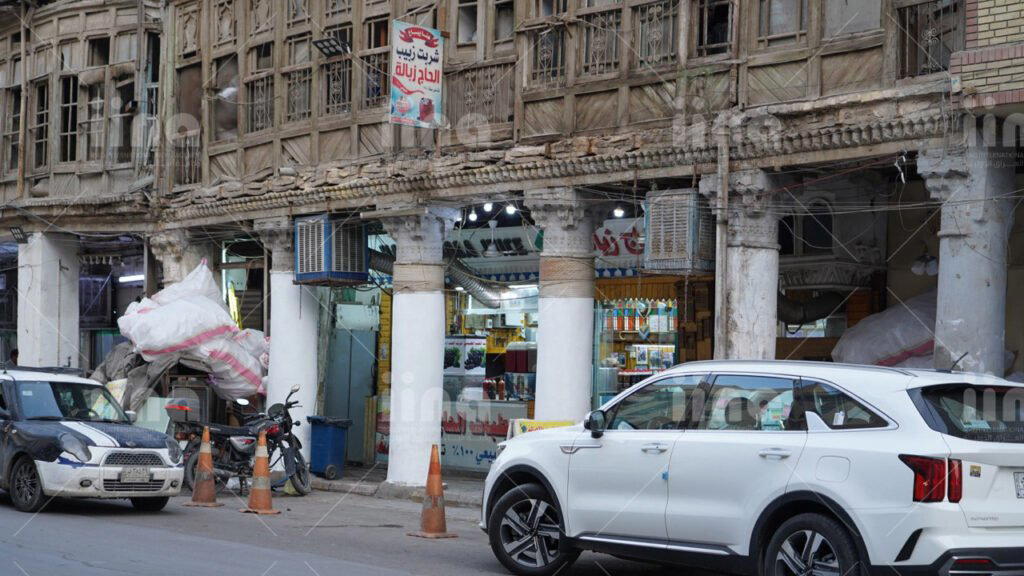
Details
- Cozy
- Classic
- Family
- Casual Hangout
- Local Sourcing
- A La Carte
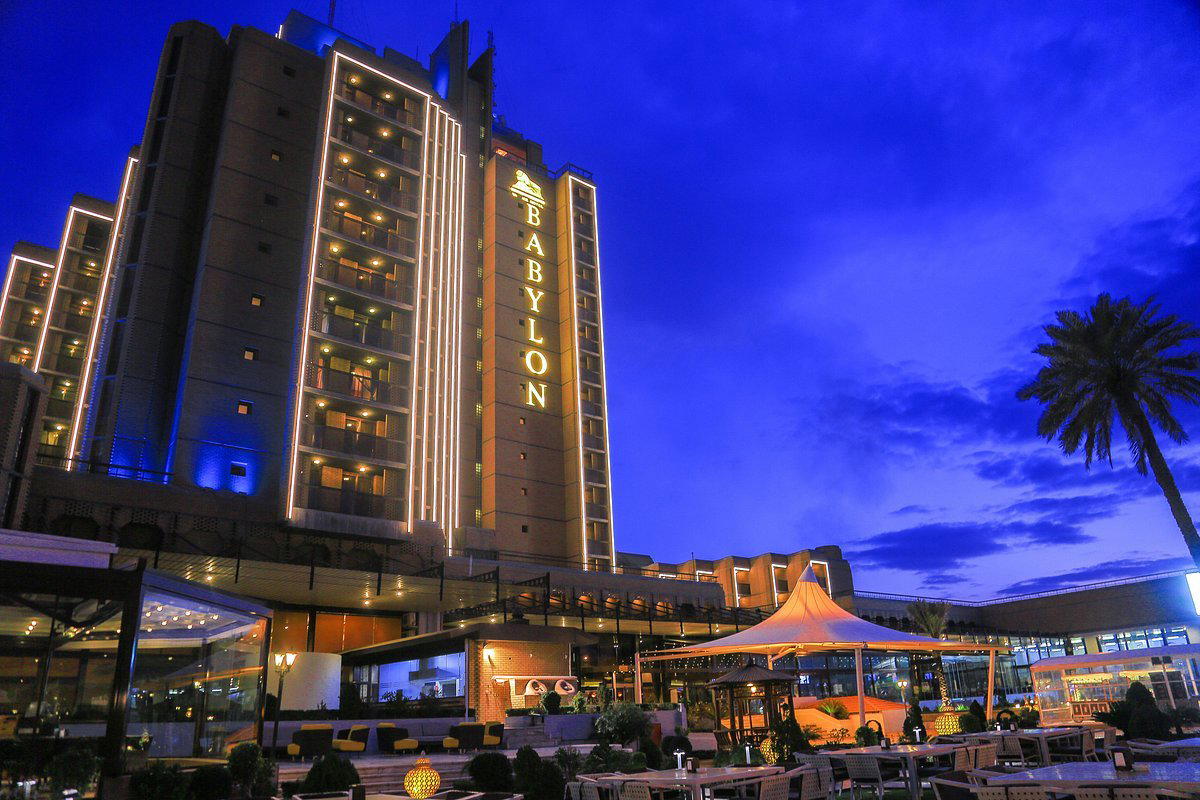
Warm and inviting atmosphere.