Our verdict
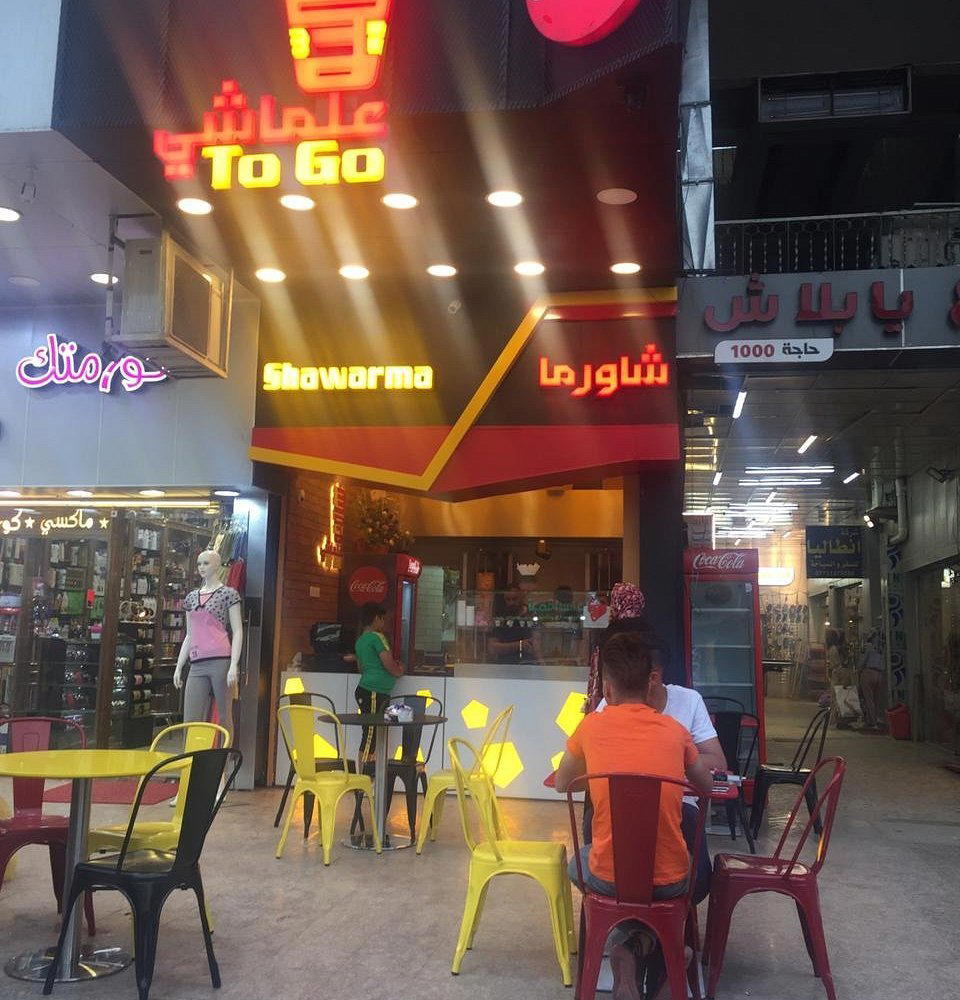
In the Alsaadoon district of Baghdad, shawarma culture runs deep and Shabab Alsaadoon sits inside that tradition as a neighbourhood fixture rather than a destination address. The format is fast, the crowd is local, and the proposition is straightforward: grilled meat, warm bread, and the particular energy of a Baghdad street that still knows how to eat well.

Pearl is the En Primeur Club membership app — saves, bookings, and concierge access live there. Same editors, same standards.
The menu
What to order
- Beef shawarma
- Iraqi shawarma
Alsaadoon and the Grammar of Baghdad Street Eating
Alsaadoon is one of Baghdad's more layered commercial districts, a stretch of the city where mid-century architecture and contemporary street commerce occupy the same block without much tension between them. The eating here has always been functional in the leading sense: quick, honest, built around the logic of what a neighbourhood actually needs rather than what a dining room might aspire to project. Shawarma is the dominant format in this part of the city, and Shawarma Shabab Alsaadoon operates inside that tradition as a local fixture whose coordinates are the district itself.
To understand what this kind of venue represents, it helps to understand how shawarma functions in Iraqi street food more broadly. Unlike the heavily sauced, lavishly garnished versions that have spread across the Gulf and into European fast-food chains, Baghdad-style shawarma tends toward a cleaner profile: spiced rotating meat, a flatbread that has some structural integrity, and condiments that support rather than obscure the protein. The balance is calibrated for volume and regularity, not occasion dining. These are places people return to on a weekly or even daily basis, and consistency is the primary metric by which they are judged by the people who depend on them.
The Alsaadoon Address and What It Signals
Location in Baghdad is rarely incidental. The Alsaadoon area has historically been a commercial and cultural hub, concentrated enough to generate foot traffic but diverse enough that it draws from multiple surrounding neighbourhoods. A shawarma counter in this district is not operating in a vacuum: it sits inside a competitive micro-environment where several similar operators are in direct proximity, and where the local population is entirely capable of identifying which one is doing the job properly. The name Shabab Alsaadoon anchors the venue explicitly to its address, a naming convention common among Iraqi food businesses that signals a kind of neighbourhood ownership rather than a branded concept seeking to travel.
For visitors approaching Baghdad's food scene from the outside, this distinction matters. The city's eating culture divides reasonably clearly between restaurants oriented toward occasion and social event, such as the more formal proposition at Casino Al Iraq, and the daily-rhythm operators that make up the texture of neighbourhood life. Shabab Alsaadoon belongs firmly in the second category, and that is a deliberate placement rather than a limitation. For context on how the broader Baghdad dining scene is structured across both registers, the full Baghdad restaurants guide covers the range.
Shawarma as a Culinary Format: What the Category Demands
The shawarma format places specific technical demands on any operator running it seriously. The rotisserie itself is the central variable: meat layering, fat distribution, heat management, and carving angle all affect the texture and moisture of what ends up in the bread. Operators who have been working the same spit for years develop a physical fluency with the format that is difficult to replicate through recipe alone. In districts like Alsaadoon, where competition is immediate and the customer base has decades of reference points, the market is fairly efficient at identifying who is executing well and who is coasting.
Across Iraq more broadly, shawarma has absorbed regional influences without losing its local character. In northern cities, venues like Khan Kebap in Dohuk work within a grilled-meat tradition that shares some DNA with the Baghdad shawarma format but diverges in spice profile and presentation. The city-by-city variation is meaningful: Baghdad shawarma has its own specific grammar, shaped by the city's particular palate and by the commercial rhythms of districts like Alsaadoon where speed and reliability are non-negotiable operating constraints.
The Neighbourhood Eating Context
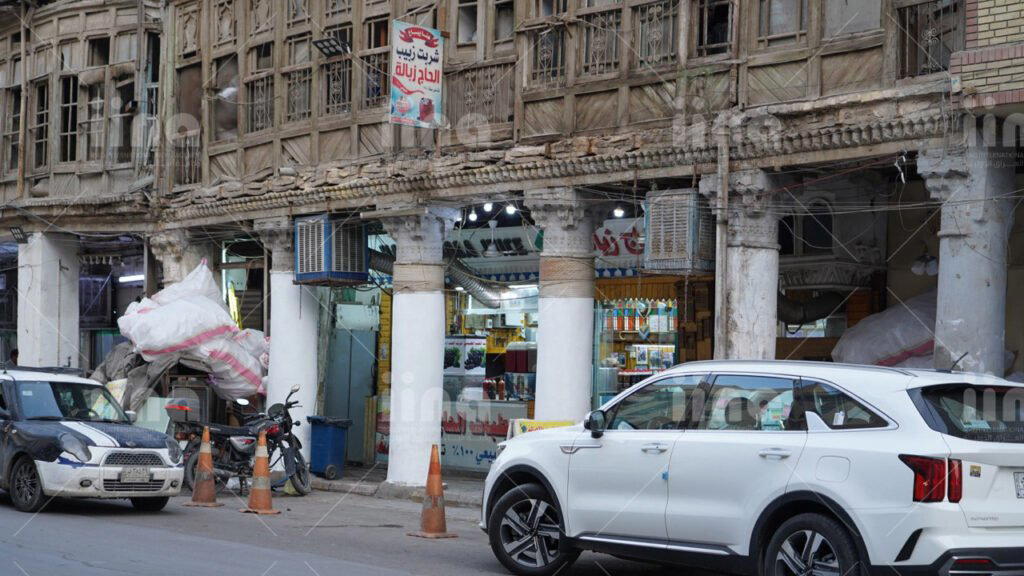
Any serious engagement with Baghdad's food scene eventually passes through the question of what kind of eating the city does at street level, as opposed to what it does in dining rooms. The street-food register is where Iraqi culinary culture is arguably most legible, because it is least mediated by hospitality conventions borrowed from elsewhere. Juice counters like Hajj Zibala Juice and neighbourhood restaurants like Darbunah operate within the same ecosystem, each serving a specific function in the daily eating life of the city. Shawarma occupies a particular niche within that system: it is faster than a sit-down meal, more substantial than a juice or snack stop, and priced to be genuinely accessible across income levels.
This accessibility dimension matters for understanding how venues like Shabab Alsaadoon fit into the wider map. Iraqi street food at this level is not a performative budget experience for visitors seeking authenticity at low cost; it is the actual food infrastructure of the city, used daily by the people who live and work in the surrounding blocks. The distinction shifts how a visitor should approach the venue: not as a curated food-tourism stop, but as an entry point into the real operating logic of a Baghdad neighbourhood.
For those building out a broader picture of Iraqi restaurant culture, Al Rahman Restaurant in Baghdad represents another angle on the city's mid-range dining, while Seasons Restaurant in Erbil offers a useful point of comparison for how northern Iraqi hospitality formats differ from the capital's approach. Further afield, QI 21 Sushi and Grills in Erbil shows how international formats have been absorbed into Iraqi city dining without displacing the local registers that venues like Shabab Alsaadoon represent.
Planning Your Visit
Practical logistics for a venue of this type in Baghdad follow the norms of the street-food category: no reservation is required or expected, the format is walk-in and counter service, and the operating rhythm is tied to the neighbourhood's daily patterns rather than structured meal periods. Lunch and early evening tend to be peak hours in districts like Alsaadoon, when office workers and local residents converge on the street-food options in the area. Visitors without a fixed itinerary in Baghdad will find this kind of venue most useful when approached as part of a wider neighbourhood walk rather than as a standalone destination requiring specific planning.
Frequently asked questions
Is Shawarma Shabab Alsaadoon a family-friendly restaurant?
The shawarma counter format in Baghdad's Alsaadoon district is broadly inclusive by nature — no dress code, no reservation, and a format that moves quickly enough to suit both solo diners and groups. Street-level eating spots of this category across Baghdad routinely serve families, couples, and solo visitors without distinction. The walk-in structure removes any barrier to entry.
Is Shawarma Shabab Alsaadoon better for a quiet night or a lively one?
Alsaadoon is one of Baghdad's busier commercial corridors, and street counters in the area tend to peak in the early evening when foot traffic from nearby offices and shops converges. This is not a venue for a quiet, slow dinner — the rotisserie counter format drives volume and pace. If atmosphere matters, come at peak hours; if speed matters, come early.
What makes Shawarma Shabab Alsaadoon worth seeking out in the Alsaadoon district specifically?
The Alsaadoon address places this counter inside one of Baghdad's historically active commercial and cultural hubs, where street-food operators compete directly for a concentrated, repeat local clientele. That kind of neighbourhood pressure tends to keep quality consistent in the shawarma category — operators who don't hold standards lose regulars fast. For visitors orienting to Baghdad's street-food culture, the Alsaadoon corridor offers one of the city's more accessible entry points.
What should I order at Shawarma Shabab Alsaadoon?
The menu centres on shawarma, which is the operative format here — meat layered and cooked on a vertical rotisserie, then served wrapped or plated. In Baghdad's street-food context, chicken and lamb are the standard rotisserie options across this category. No specific menu items are documented so ordering by the house preparation is the practical approach.
How far ahead should I plan for Shawarma Shabab Alsaadoon?
No reservation is required or available — this is a walk-in street counter operating on demand. Planning in Baghdad's street-food category means timing your visit around peak hours rather than booking weeks ahead. Arriving during the Alsaadoon evening rush is the only variable worth managing.
A Tight Comparison
| Venue | Cuisine | Price |
|---|---|---|
| Shawarma Shabab AlsaadoonThis venue — the venue you are viewing | Iraqi Shawarma | $1–10 |
| Casino Al Iraq | Middle Eastern | Not listed |
| Hajj Zibala Juice | Traditional Iraqi Grape Juice | $1–10 |
| Darbunah | Authentic Iraqi | Not listed |
Continue exploring
More in Baghdad
Restaurants in Baghdad
All restaurants in Baghdad →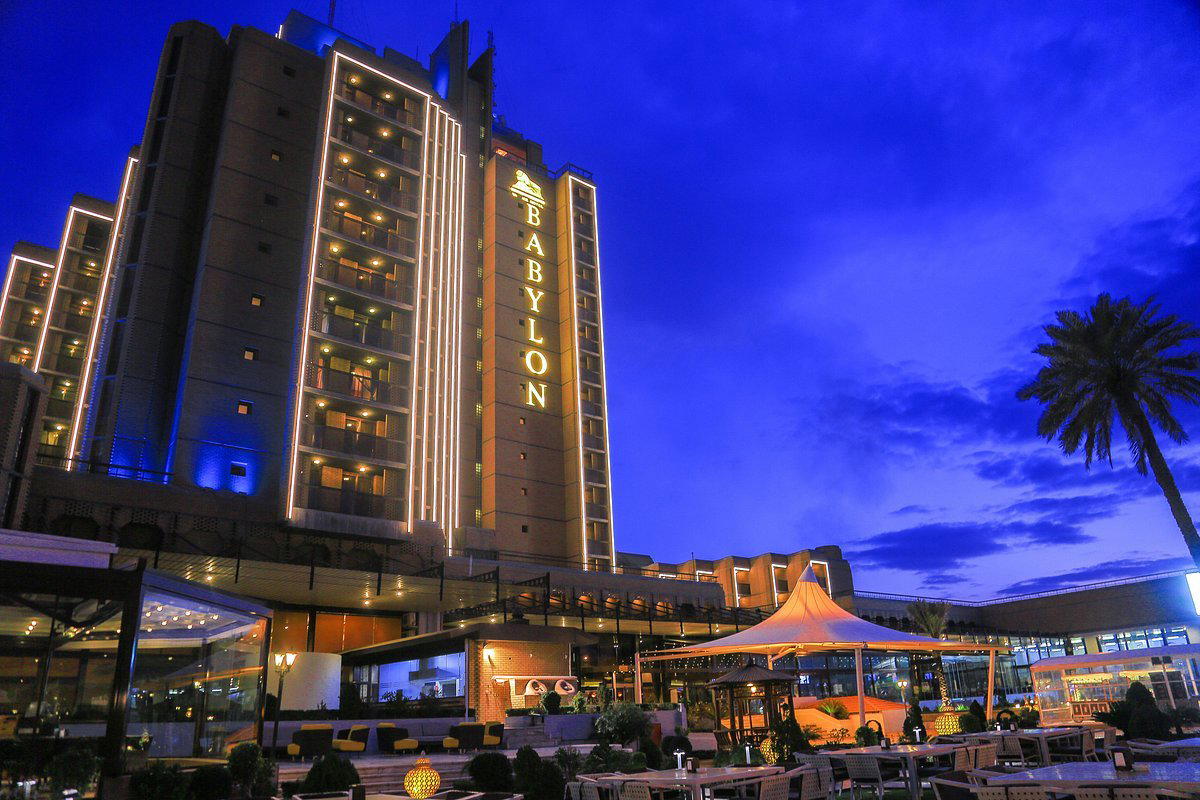
Details
- Classic
- Lively
- Solo
- Casual Hangout
- Late Night
- Standalone
- A La Carte
- Counter Dining
- Halal
Casual, street-level shawarma counter atmosphere focused on quick service rather than formal dining.