
A Michelin Plate-recognised bouchon in Lyon's old town quarter of Vieux-Lyon, Daniel et Denise Saint-Jean holds to the full register of Lyonnaise tradition: quenelles, tête de veau, cervelas lyonnais, and the kind of menu that shifts with the morning market.
Pearl is the En Primeur Club membership app — saves, bookings, and concierge access live there. Same editors, same standards.
- Address
- 36 Rue Tramassac, 69005 Lyon, France
- Phone
- +33 4 78 42 24 62
- Website
- daniel-et-denise.fr
- Directions
- Get directions
 Saves & bookings on Pearl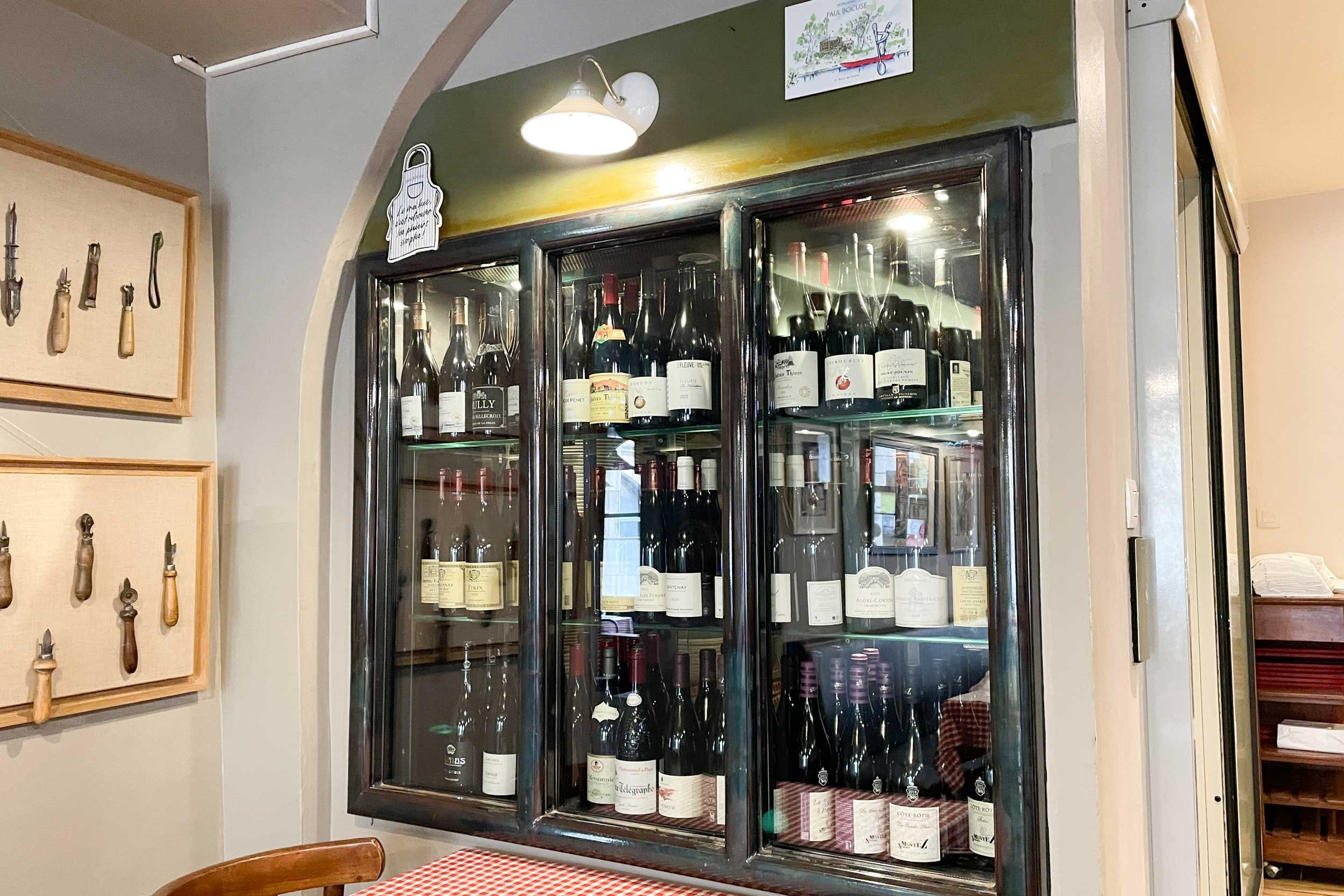
The Bouchon in Context: Vieux-Lyon and the Weight of Tradition
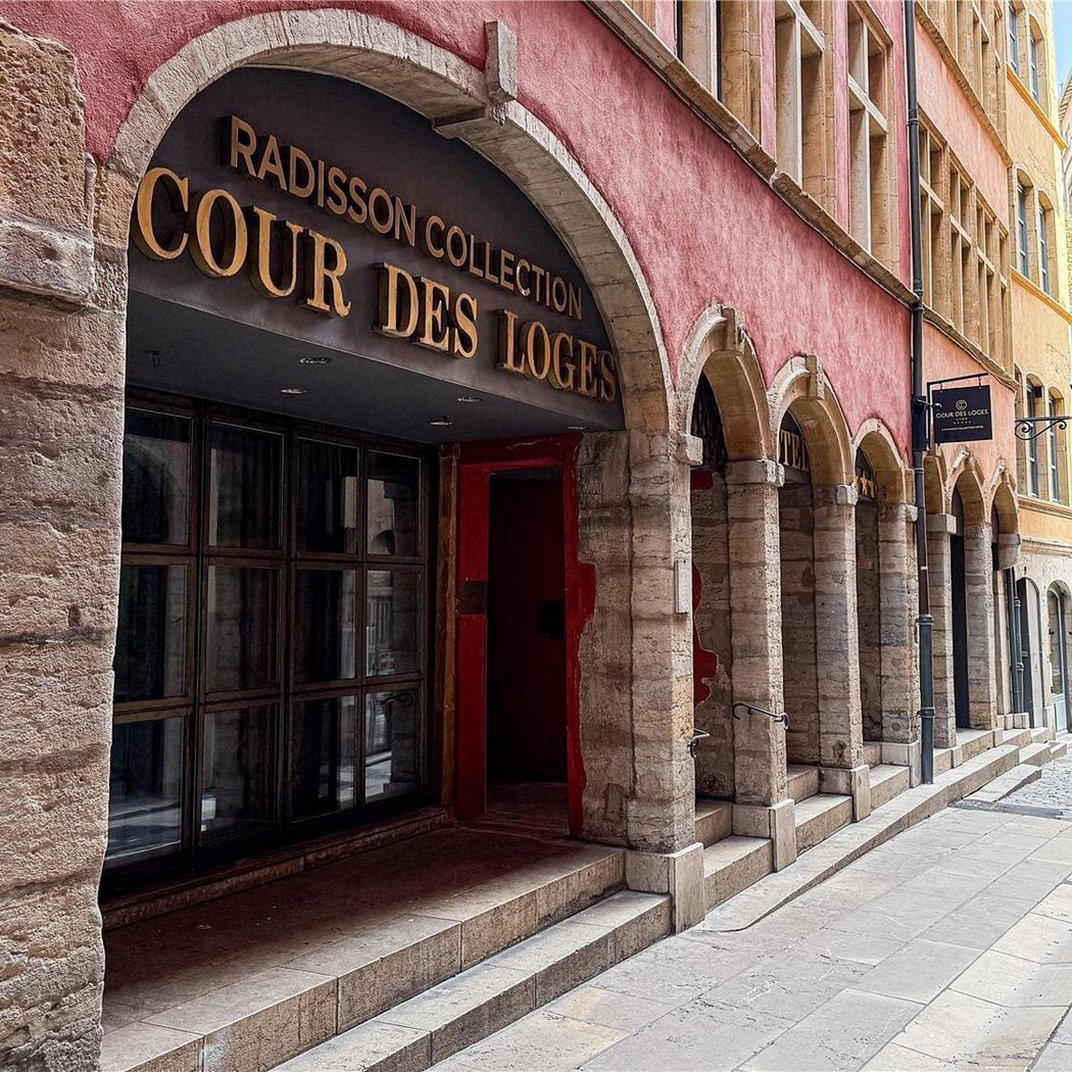
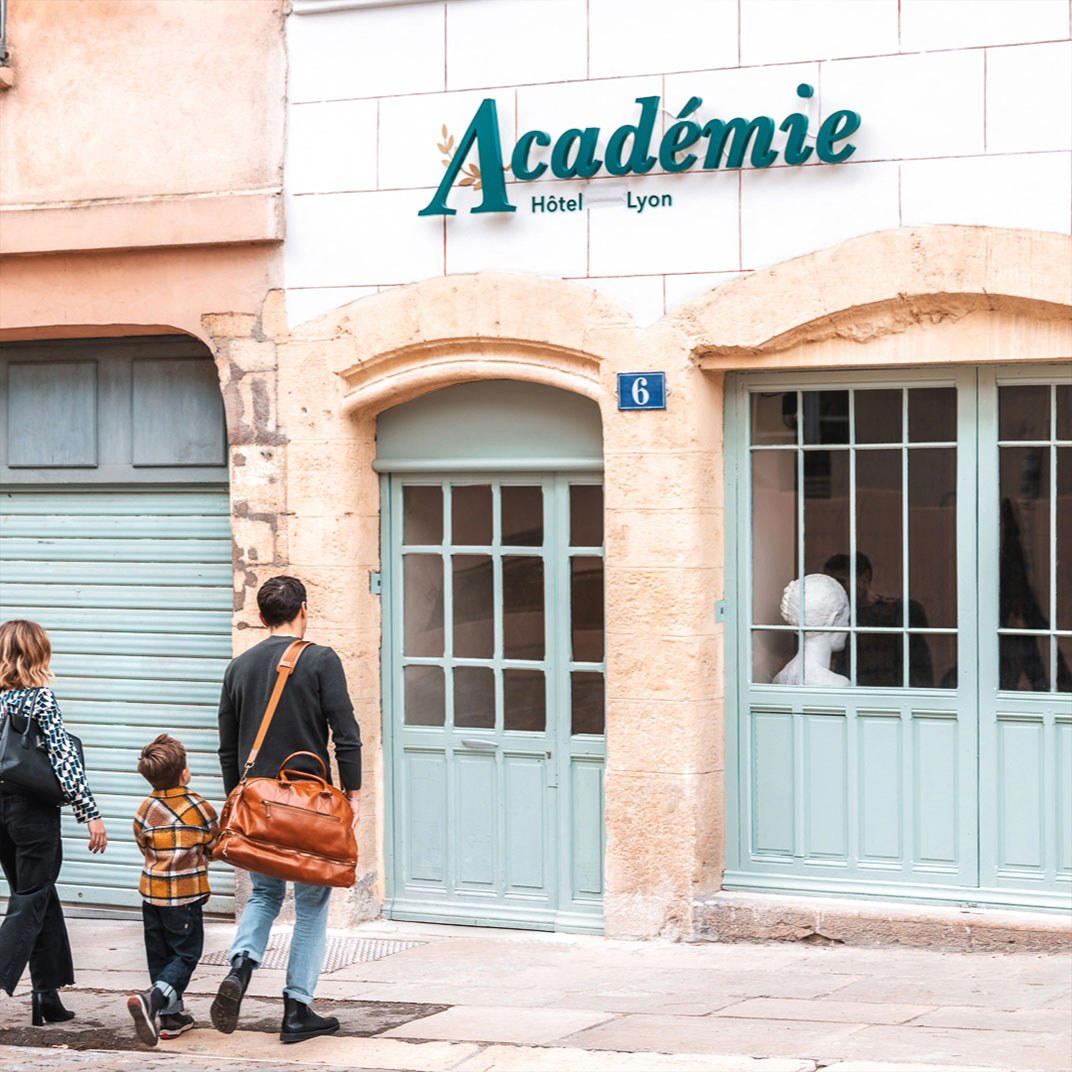
Lyon's claim to the title of France's gastronomy capital rests less on its starred restaurants than on the bouchon, the compact, canteen-spirit establishments that have served working Lyonnais since the nineteenth century. The bouchon tradition, organ meats, silk-worker portions, carafes of Beaujolais, checked tablecloths, is the city's culinary spine, and Vieux-Lyon, the Renaissance quarter that climbs toward Fourvière hill, is where its density is highest. Rue Tramassac, where Daniel et Denise Saint-Jean sits at number 36, cuts through the heart of that district, lined with traboules and ochre facades that frame the approach to lunch or dinner in a way no purpose-built dining quarter can replicate.
The broader Daniel et Denise group now runs three addresses in Lyon. The original Daniel et Denise Créqui anchors the third arrondissement, while Daniel et Denise Croix-Rousse serves the northern plateau neighbourhood. Saint-Jean is the Vieux-Lyon address, and its location shapes its clientele and rhythm in distinct ways. Tourists staying near the cathedral fill lunchtime tables; the evening service skews more local. That contrast between day and night service is where the two most different versions of this restaurant reveal themselves.
Lunch in Vieux-Lyon: When the Bouchon Works Hardest
Tables turn, menus are fixed and relatively short, and the food is designed for speed without sacrificing the kitchen's integrity. At Daniel et Denise Saint-Jean, the Michelin Plate recognition, awarded in both 2024 and 2025, suggests the cooking sits above the tourist-trap tier that the location could easily have produced.
€€ price positioning places Daniel et Denise Saint-Jean clearly within the accessible tier of serious Lyonnaise dining. For context, one arrondissement over, two-Michelin-star La Mère Brazier operates at a significantly higher spend, and creative-leaning one-star tables like Rustique or Burgundy by Matthieu represent a different format entirely. The Saint-Jean address offers a route into proper bouchon cooking without the outlay required at the upper end of Lyon's restaurant spectrum.
Lunch formula typical of serious bouchons involves two or three courses built around dishes that require extended preparation: a slow-braised offal, a housemade charcuterie board, a cold salade lyonnaise with lardons and poached egg. These are not dishes that compromise well at speed, which is why the Michelin Plate signal matters: it implies the kitchen is not cutting corners to clear covers. The lunch service here is worth treating as a main event rather than a fuel stop, particularly for visitors who arrive early enough to avoid the midday compression.
Evening Service: A Different Register
Dinner shift in Vieux-Lyon bouchons tends toward a slower pace and a more deliberate menu read. By evening, the tourist wave has partly receded, and tables are more likely to linger over the wine list and push through three full courses. The distinction matters practically: if your schedule allows flexibility, the evening service at a bouchon of this standing gives the kitchen more room, and you more space at the table.
Lyonnaise cooking in its evening register also leans harder into the dishes that define the tradition. Quenelles de brochet in sauce Nantua, gras-double with onions, tête de veau with sauce gribiche, cervelas lyonnais with truffles and pistachios: these are preparations with deep roots in the city's culinary history, and they read differently on a dinner menu than as a quick midday plate. The bouchon format, however, keeps the atmosphere from tilting toward formality. Checked tablecloths, close-set tables, and a dining room that functions as a communal space rather than a stage for theatre remain consistent across service.
For comparison, Le Garet and Cafe Comptoir Abel occupy similar territory in the city's bouchon hierarchy, each with their own neighbourhood context. Brasserie Georges represents an adjacent but distinct format: larger scale, brasserie rather than bouchon, a different set of expectations. The Saint-Jean address sits in a tighter, more intimate register than the grand brasserie model.
Lyon's Bouchon Tradition in the Wider French Context
The bouchon occupies a specific position in French culinary geography that distinguishes Lyon from Paris, Alsace, or the Atlantic coast. Where Auberge de l'Ill in Illhaeusern represents the Alsatian auberge tradition, and Bras in Laguiole anchors a distinctly Aveyron-rooted sensibility, Lyon's bouchons form a closed culinary dialect: nose-to-tail, market-driven, uninterested in international influence. The contrast with Paris's Lyonnaise exports is instructive: Aux Lyonnais in Paris translates the tradition for a capital audience, while Josephine Bouchon in London adapts it further. Neither can replicate the neighbourhood weight of sitting on Rue Tramassac in the fifth arrondissement, within walking distance of the Saône.
At the higher end of French fine dining, the contrast sharpens further. Mirazur in Menton, Troisgros in Ouches, Flocons de Sel in Megève, and Alléno Paris au Pavillon Ledoyen represent French cooking at its most technically ambitious. The bouchon operates on an entirely different axis: the ambition is fidelity to tradition, not innovation. Daniel et Denise Saint-Jean's consecutive Michelin Plate recognitions confirm that fidelity can be a sustained discipline in its own right.
Planning Your Visit
The restaurant is located at 36 Rue Tramassac in the fifth arrondissement, within Vieux-Lyon's protected Renaissance district. The address is walkable from the Vieux-Lyon metro station on Line D, which connects directly to the city centre and Part-Dieu. The price bracket sits at €€, placing it among the more accessible serious bouchon options in the city. Reservations are advisable, particularly for lunch on weekends when the Vieux-Lyon tourist corridor is at its busiest.
What Regulars Order at Daniel et Denise Saint-Jean
The dishes that define a bouchon's reputation tend to be the ones that require the technique to execute correctly and the nerve to put on a menu in an era that has largely moved on from offal. At the restaurant, the Lyonnaise canon is the program: quenelles de brochet, the city's defining dish, made from pike mousseline and typically sauced with a Nantua or écrevisses preparation; salade lyonnaise, a warm salad of frisée, lardons, croutons, and a soft-poached egg that functions as both starter and appetite calibration; cervelas lyonnais, the coarse pork sausage studded with truffles and pistachios that has no real equivalent elsewhere in French charcuterie. Tête de veau and tripe preparations complete the register. The wine service follows bouchon convention: Beaujolais crus and northern Rhône reds dominate, served in small carafes or pots lyonnais, the 46cl measure that the city has claimed as its own.
Cuisine Lens
Comparable venues nearby, for context on price, style, and recognition.
| Venue | Cuisine | Price | Awards | Notes |
|---|---|---|---|---|
| Daniel et Denise Saint-JeanThis venue — the venue you are viewing | Lyonnais Bouchon | $$$ | Michelin Plate | Not listed |
| Milprée | Creative Seasonal French Bistro | $$$ | Michelin Plate | Quartier Saxe Roosevelt |
| Maison Léa | Traditional Lyonnaise Bouchon | $$$ | Michelin Plate | Quartier Bellecour Cordeliers |
| Cinq Mains | Modern French Bistronomique | $$$ | Michelin Plate | Quartier Quartiers Anciens |
| Chez Pimousse | Modern French Tasting Menu | $$$ | Michelin Plate | Quartier Ouest des Pentes |
| Café Terroir | Modern Lyonnaise Bistro | $$$ | Michelin Plate | Quartier Bellecour Cordeliers |
Recognition history
Dated appearances from independent guides and award organizations, with the underlying list record or original source where available.
Michelin Plate
Michelin
Michelin Plate
Michelin
Michelin Plate
Michelin
Continue exploring
More in Lyon
More from Chef Joseph Viola
Browse all →
Restaurants in Lyon
Browse all →
Bars in Lyon
Browse all →
Hotels in Lyon
Browse all →
At a Glance
- Classic
- Cozy
- Elegant
- Lively
- Special Occasion
- Group Dining
- Family
- Historic Building
- Extensive Wine List
- Local Sourcing
- Street Scene
Current opening hours
- Monday
- Closed
- Tuesday
- 12–2 PM, 7–10 PM
- Wednesday
- 12–2 PM, 7–10 PM
- Thursday
- 12–2 PM, 7–10 PM
- Friday
- 12–2 PM, 7–10 PM
- Saturday
- 12–2 PM, 7–10 PM
- Sunday
- Closed
Hours can change for holidays and private events. Last verified .
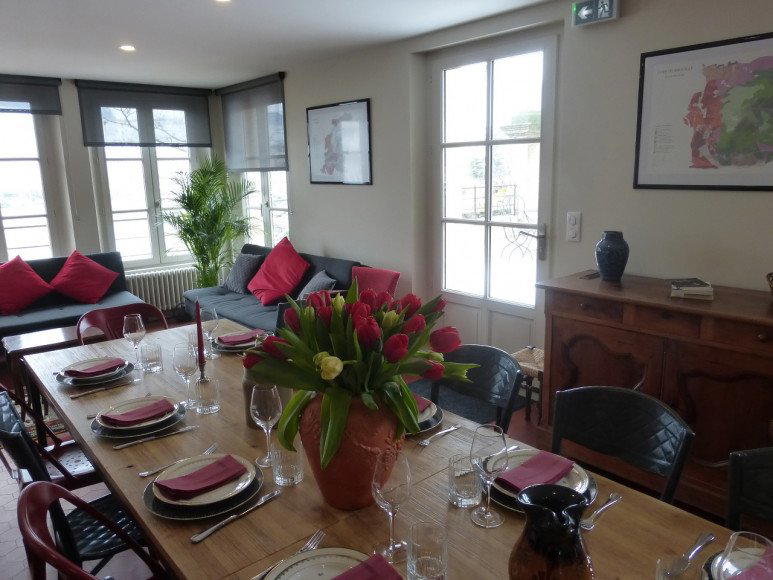
Convivial and warm with wood paneling, old paintings, zinc bar, checkered tablecloths, and copper pots evoking traditional French bistro charm.