
Michelin Plate
Our verdict
Da Noi belongs to the small-terrace, sea-facing side of Nonza dining, where the drama of Cap Corse matters as much as the plate. The draw is not a grand tasting-menu apparatus but a Corsican setting shaped by cliffs, bay views, and a food culture that tends to prize nearby produce, fish, herbs, and olive oil over metropolitan polish.

Pearl is the En Primeur Club membership app — saves, bookings, and concierge access live there. Same editors, same standards.
- Address
- Poghjulellu, Nonza, Corse, 20217, FRA
- Phone
- +33 6 49 02 74 24
- Website
- guide.michelin.com
- Directions
- Get directions
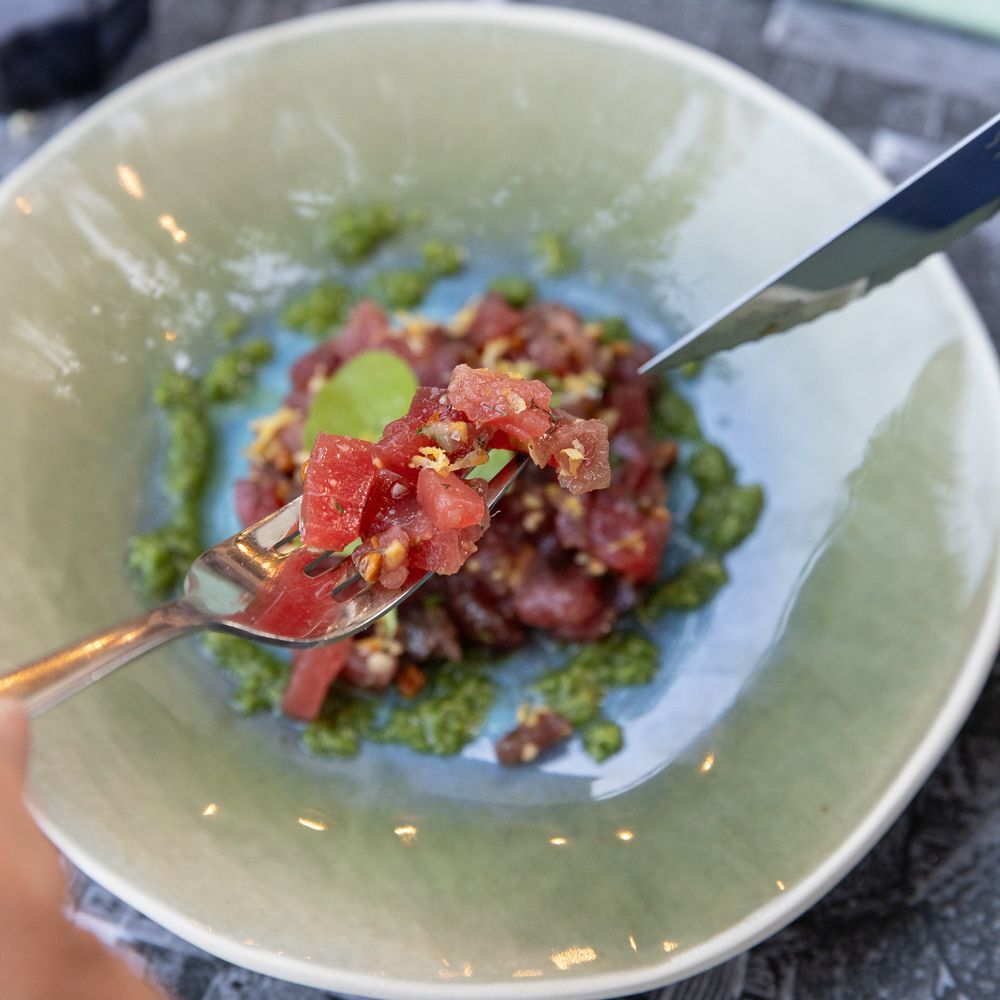
The menu
What to order
- Local fish from Centuri
- Corsican lamb dishes
- Seasonal vegetable plates
Approaching Da Noi means entering one of Corsica’s more place-conscious dining settings: Nonza, where stone, wind, and sea shape the mood before a menu appears. This is not the restaurant geography of a capital city, where a room competes through design spend and cellar depth. In Nonza, the stronger argument is proximity: to the village, the island’s seasonal produce, and the austere beauty of a place built against rock.
That setting gives Da Noi its editorial relevance. Nonza dining sits between two pressures: visitors want a memorable sense of place, while locals and repeat Corsica travelers judge a table by whether it understands the island rather than merely decorating itself with it. The stronger restaurants here avoid turning regional character into folklore. They let the terrain set the scale, then keep the experience legible.
Nonza ingredients matter more than dining-room theatre
Island dining is often misread from the outside as rustic simplicity. The better reading is scarcity managed with precision. Local cooking traditions have long depended on what travels poorly and what survives nearby: seasonal produce, herbs, oils, cheeses, cured meats, and fish handled without unnecessary ornament. In a village like Nonza, that ingredient logic carries more weight than elaborate technique.
Da Noi fits that context because the surrounding place already supplies much of the atmosphere. A restaurant in Nonza does not need to over-explain Corsica; the risk is doing too much. The more persuasive approach is restraint: let produce, clean seasoning, and the rhythm of coastal eating carry the meal. That is also where ingredient sourcing becomes the real test. On an island, provenance is not a fashionable add-on. It affects freshness, price, availability, and the shape of the menu across the year.
The nearby comparison is useful. La Sassa and Boccafine give travelers other ways to read the local dining scene. Da Noi reads closer to a place-specific Nonza experience than to an urbanized tasting-menu proposition. That does not make it less serious; it simply shifts the criteria. The question is not how many techniques appear on the plate, but whether the meal makes sense in Nonza rather than anywhere with a sea view.
Nonza rewards tables that understand scale
Nonza is small enough that restaurant choice is also a decision about tempo. The village does not behave like a larger Corsican city, where the dining scene can absorb multiple moods in one evening. Here, a table is part of the day’s architecture: arrival, a pause in the village, a meal that should not feel detached from the place around it. Da Noi’s appeal sits in that compact relationship between Nonza and plate.
This is why the ingredient question matters. Imported luxury markers can feel clumsy in Corsica when they drown out the island’s own vocabulary. Fish, herbs, vegetables, cheeses, charcuterie, and olive oil are not automatically meaningful because they are local; they become meaningful when a kitchen resists excess and lets season, supply, and terrain set the boundaries. In that frame, a modestly scaled Nonza restaurant can say more about island dining than a room chasing mainland codes.
For readers mapping a wider stay, the village works better as a focused stop than as a sprawling dining circuit. Use our full Nonza restaurants guide to compare the local tables, then build the rest of the trip through Nonza hotels, Nonza bars, Nonza wineries, and Nonza experiences. The practical point is simple: in a compact village, timing and appetite matter. Arrive with enough margin to let the setting register, rather than treating dinner as a transit stop.
How Da Noi compares beyond the village
Across France, small restaurants in destinations with a strong sense of place often split into two camps: places that trade mainly on setting, and places that use setting as context for a credible kitchen. Da Noi is best read through the second lens when the meal keeps faith with the island’s ingredient culture. That is the standard to apply here. The location may bring people in, but the plate has to justify staying.
That distinction becomes clearer when set beside broader French dining references. A polished city address operates in a different economy of service, polish, and urban expectation. Regional destinations across France show how strongly geography can steer a meal, from coastal towns to mountain villages and inland dining rooms. Even farther afield, restaurants and bars in other categories underline the same point from different angles: context changes what a good decision looks like.
The case for Da Noi is therefore not built on ceremony. It is built on fit. In Nonza, a restaurant earns attention when it understands the village, the island pantry, and the traveler’s sense of place as a single argument. For travelers who value place-specific dining over imported luxury signals, that is the reason to put it on the Nonza shortlist.
Frequently asked questions
Is Da Noi a family-friendly restaurant?
Da Noi is in Nonza, so it suits families who are comfortable with a destination meal rather than a quick stop. The setting points to a slower pace and a longer sit-down.
How would you describe the vibe at Da Noi?
The mood is shaped by Nonza itself. Da Noi suits travelers looking for a restrained, place-conscious meal rather than a theatrical dining room.
Has Da Noi won any awards?
Da Noi has received Michelin recognition with a MICHELIN Plate listing.
How do I find Da Noi?
Nonza.
Comparable Spots, Quickly
Comparable venues by cuisine and price in the same metro.
| Venue | Cuisine | Price | Awards | Notes |
|---|---|---|---|---|
| Da NoiThis venue — the venue you are viewing | Seasonal Corsican & Italian-influenced terrace restaurant | $50–100 | Michelin Plate | Not listed |
| La Sassa | Corsican-accented Mediterranean | $50–100 | 1 Michelin Star | Mediterranean Cuisine |
| Sassa | Japanese | Not listed | Not listed | Not listed |
| Boccafine | Modern Corsican Fine Dining | $50–100 | Michelin Plate | Modern Cuisine |
| La Corniche | Corsican | Not listed | Not listed | Not listed |
Recognition history
Dated appearances from independent guides and award organizations, with the underlying list record or original source where available.
Michelin Plate
Michelin
Continue exploring
More in Nonza
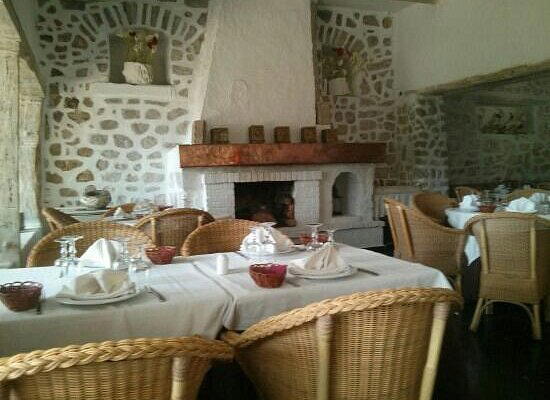
Restaurants in Nonza
Browse all →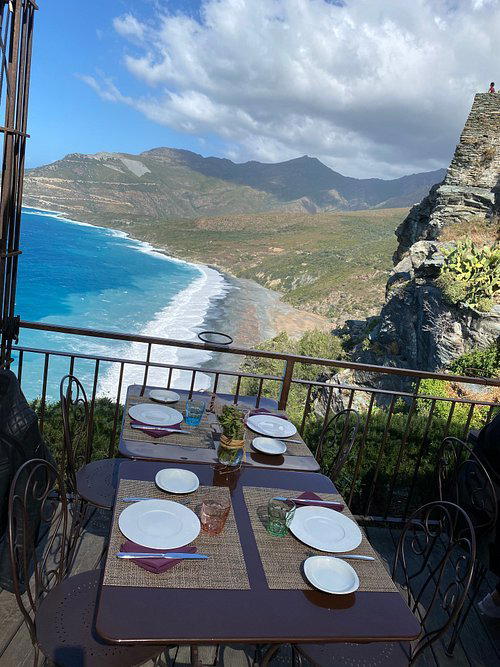
Hotels in Nonza
Browse all →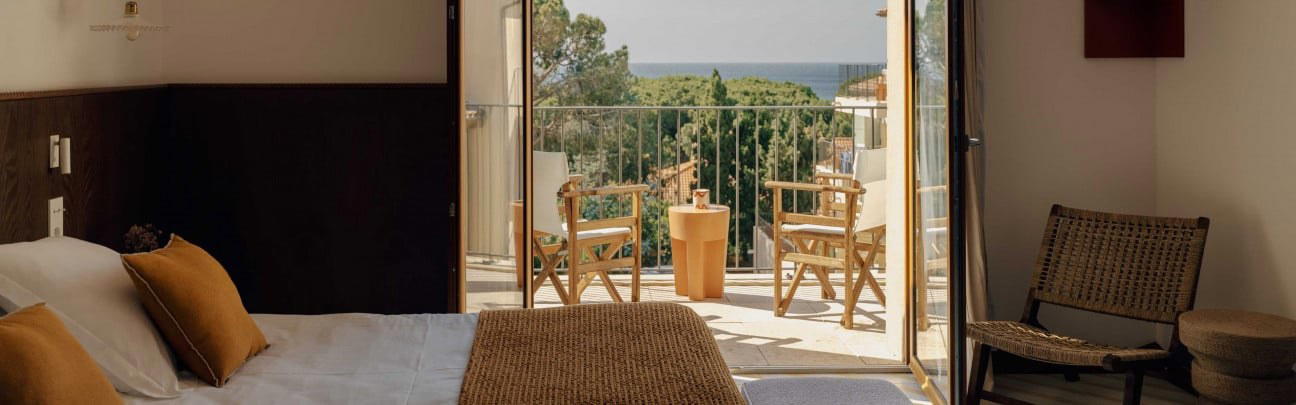
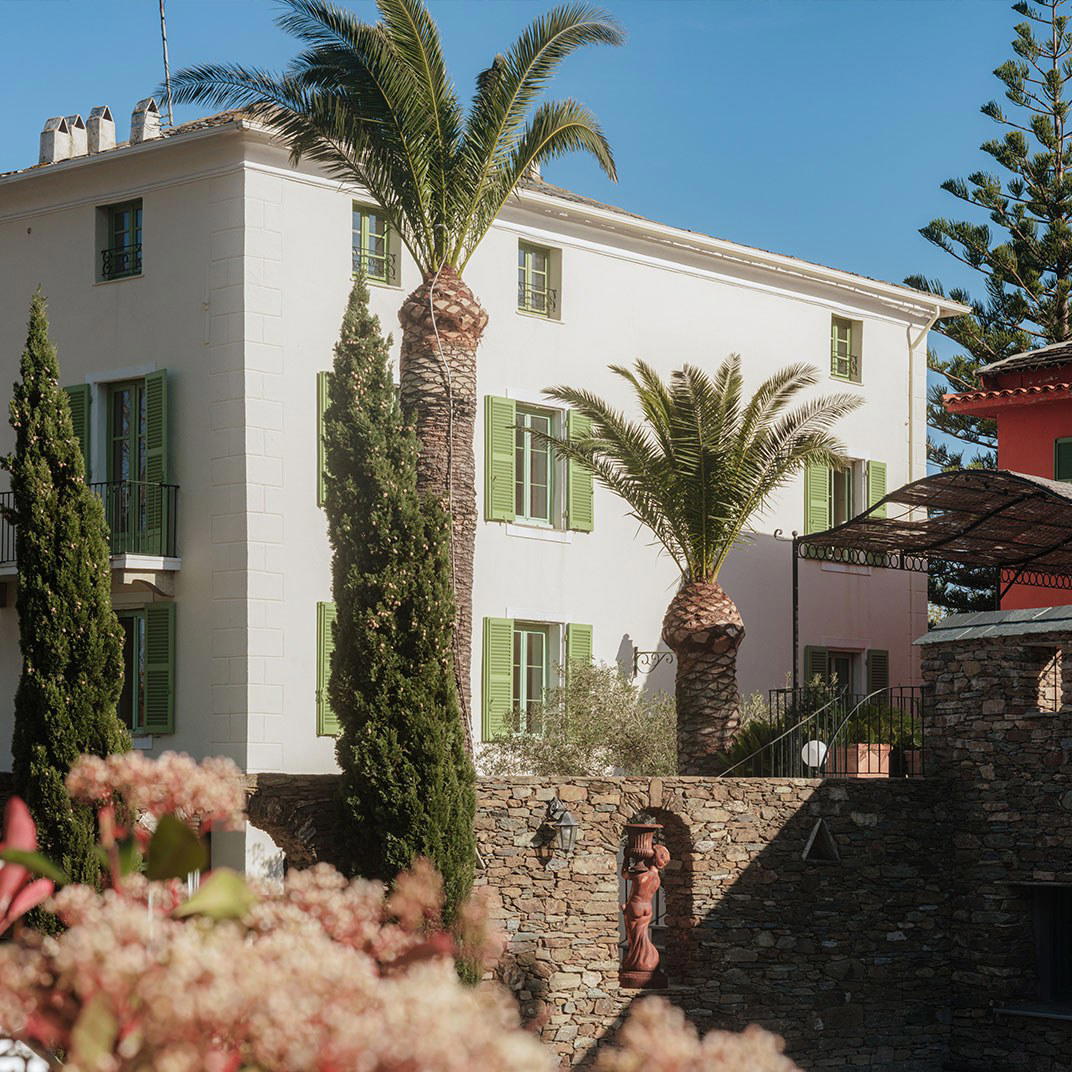
Wineries in Nonza
Browse all →
Details
- Scenic
- Cozy
- Romantic
- Rustic
- Date Night
- Special Occasion
- Group Dining
- Celebration
- Solo
- Rooftop
- Terrace
- Panoramic View
- Waterfront
- Standalone
- Extensive Wine List
- Local Sourcing
- Sustainable Seafood
- Farm To Table
- Waterfront
- Mountain
- A La Carte
- Set Menu
- Corsican Wine
- Mediterranean Wine
- Pescatarian Friendly
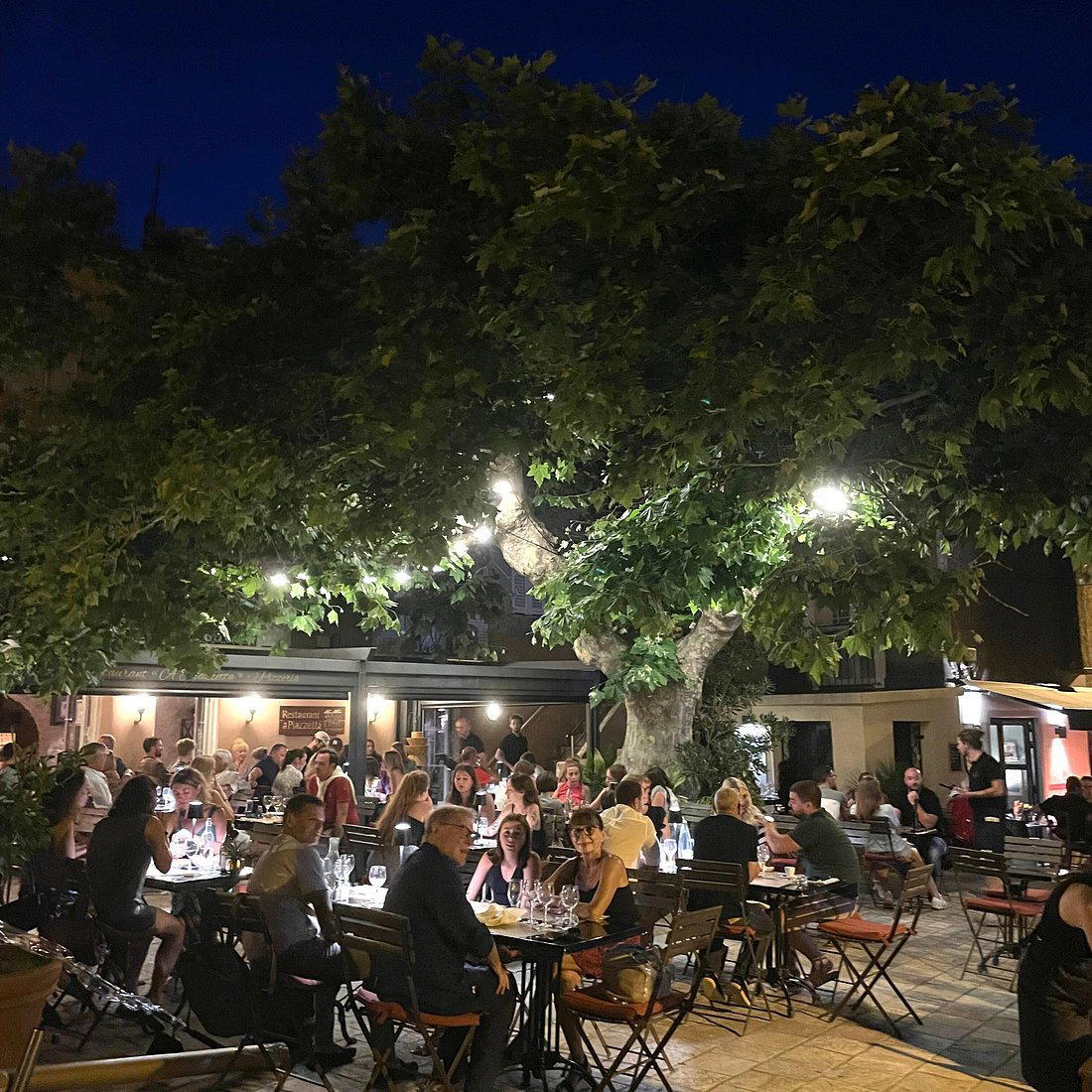
Cozy and intimate terrace setting perched above the village with far-reaching sea and village views, relaxed holiday atmosphere, warm family-style welcome, and a simple rustic design that highlights the Corsican landscape.