Cristiano Ristorante
An Italian-leaning address on High Street in Houma, Louisiana, Cristiano Ristorante draws on the Gulf South's deep larder of local seafood, produce, and Cajun-Italian culinary crosscurrents. The restaurant occupies a section of the Houma dining scene where European kitchen traditions meet the specific textures of Terrebonne Parish's coastal supply chain. It is a reference point for Italian-inflected cooking in a city more often associated with crawfish boils and gumbo.
Pearl is the En Primeur Club membership app — saves, bookings, and concierge access live there. Same editors, same standards.
- Address
- 724 High St, Houma, LA 70360
- Phone
- +19852231130
- Website
- cristianoristorante.com
- Directions
- Get directions
 Saves & bookings on Pearl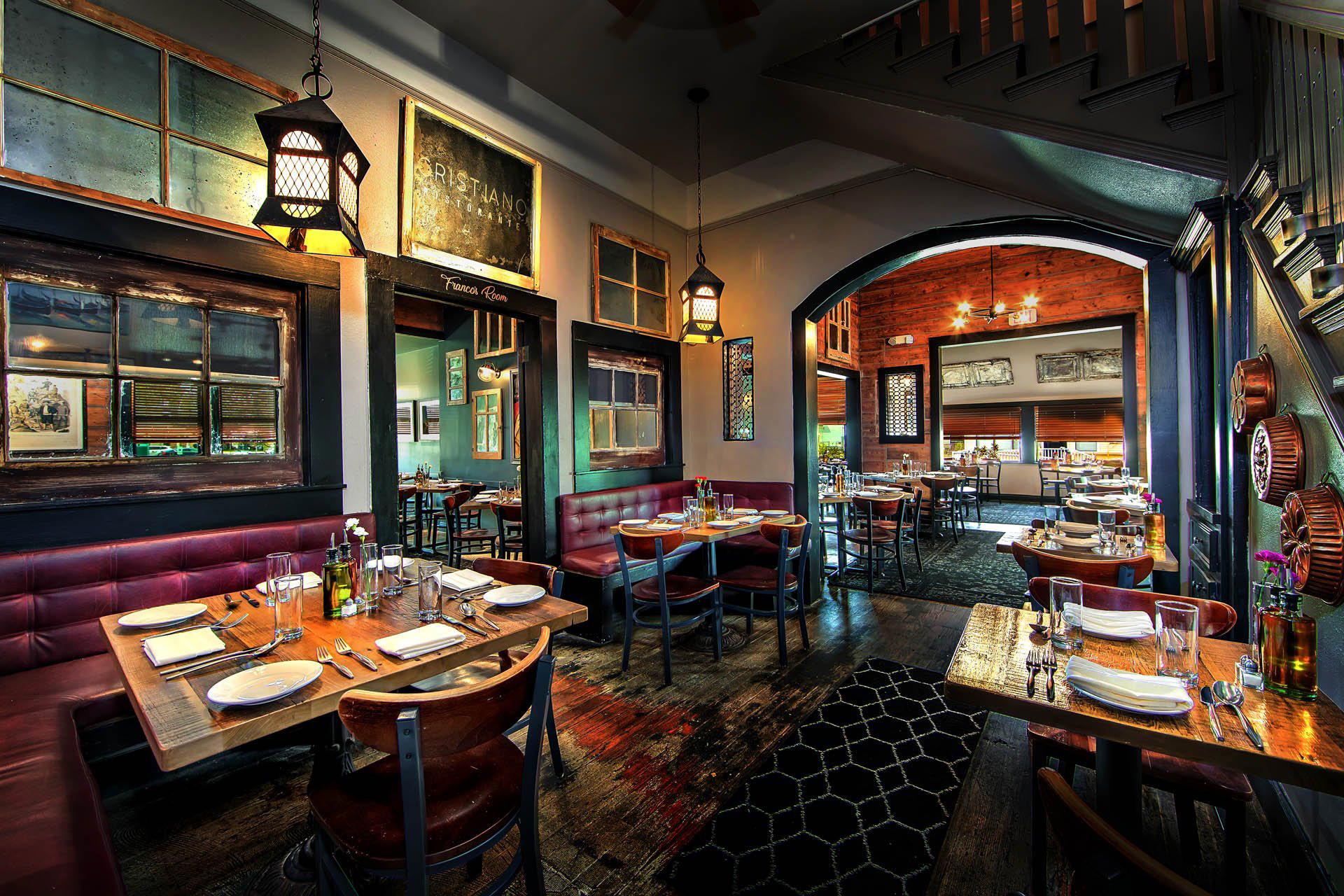
Where the Gulf Meets the Boot
Houma sits about 60 miles southwest of New Orleans on the edge of one of the most productive estuaries in North America. Terrebonne Parish's network of bayous, marshes, and shallow Gulf waters supplies blue crab, Gulf shrimp, speckled trout, and oysters at a volume and freshness that coastal cities with far larger reputations would envy. That geographic fact shapes every serious kitchen in this city, including those that arrive with European rather than Cajun frameworks. At 724 High Street, Cristiano Ristorante sits inside that context, operating as an Italian-leaning restaurant in a parish whose ingredient story is fundamentally coastal and Southern.
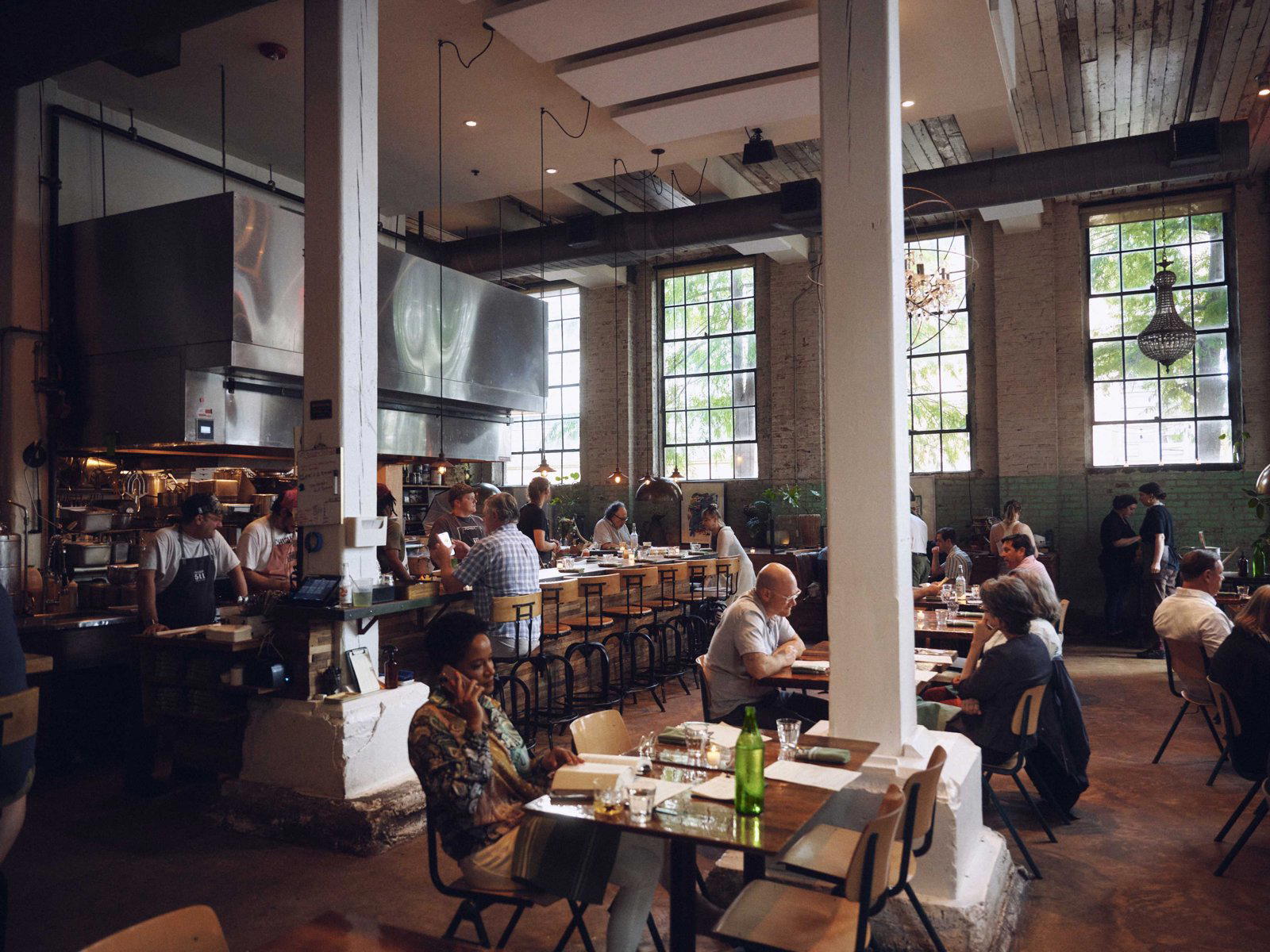
The dining room on High Street occupies a stretch of Houma that mixes local commerce with older residential blocks. There is no dramatic architectural flourish to announce the address. What the room offers instead is the particular atmosphere of a neighborhood restaurant that has settled into its place: dim enough for a dinner-hour conversation to stay contained, quiet enough that the kitchen's rhythm becomes part of the background texture of the meal. In a region where many Italian restaurants default to red-sauce familiarity, the positioning here gestures toward something more deliberate.
The Ingredient Logic of the Gulf South
Italian cooking in the American South has a longer and more tangled history than the standard narrative allows. Sicilian immigrants arrived in Louisiana in significant numbers in the late nineteenth and early twentieth centuries, many settling in New Orleans and smaller Gulf communities, where they folded local seafood into the pasta and tomato traditions they carried from home. That history left a culinary residue that still runs through the region's Italian kitchens: the instinct to treat Gulf shrimp the way a Palermitan cook might treat Mazara prawns, or to let the brininess of local oysters carry a sauce rather than masking it with cream. Restaurants working in this tradition are doing something more specific than translating a foreign cuisine for a local audience. They are drawing on a genuinely hybrid lineage.
Houma's proximity to the Gulf means that the supply chain for seafood is shorter here than at many addresses with greater culinary reputations. The shrimp available to kitchens in Terrebonne Parish come from waters that are, in some cases, a short boat ride away. That compression of distance between harvest and plate is not a marketing abstraction. It changes what a kitchen can do with protein that might arrive at a restaurant in Denver or Chicago after several days in transit. Chefs at operations like Single Thread Farm in Healdsburg and Blue Hill at Stone Barns in Tarrytown have built critical reputations largely on the argument that ingredient proximity is a form of culinary excellence. In Houma, that proximity is simply the baseline condition of operating a serious kitchen.
Italian Frameworks in a Cajun City
The decision to run an Italian-leaning kitchen in Houma rather than a Cajun or Creole one is itself an editorial position. The city has strong local vernacular in its food culture: crawfish étouffée, seafood gumbo, boudin, and cochon de lait are the registers that most visitors and residents default to. Against that backdrop, a restaurant organized around Italian technique and structure is making a specific argument about what the local larder can support when filtered through a different culinary grammar.
This dynamic plays out in other parts of the country at higher price points and visibility levels. Frasca Food and Wine in Boulder built a nationally recognized program around Friulian Italian tradition applied to Colorado ingredients. Bacchanalia in Atlanta has long used European fine dining structure as a frame for Southern produce. The difference in Houma is that the local ingredient story is already exceptional without requiring the elevation that landlocked cities need to construct. Gulf seafood does not need the same curatorial argument that Rocky Mountain produce or Georgia-grown vegetables require. It arrives with its own authority.
Italian cooking's structural affinity for seafood, particularly in its southern regional forms, makes it a logical lens for a Gulf Coast kitchen. Pasta with Gulf crab, risotto built around shrimp stock, brodetto made with whatever the morning's boat brought in: these are not category violations but extensions of a coastal Italian logic applied to a coastal American geography. Restaurants like Le Bernardin in New York City and Providence in Los Angeles demonstrate how seriously American diners will engage with seafood-forward menus when the sourcing and technique are clearly considered. Cristiano Ristorante operates in a far smaller market and at a different price register, but it occupies analogous territory within its own city's dining options.
Planning a Visit to High Street
Houma is accessible from New Orleans via US-90, a drive of roughly an hour under normal conditions. The city does not attract the volume of restaurant tourism that New Orleans commands, which means that reservations at Cristiano tend to follow local rhythms rather than the surge-and-drought patterns that affect more destination-driven addresses. Visitors coming specifically for the restaurant would do well to combine the trip with time on the bayou or in the Terrebonne Parish wetlands, where the ecological story that underlies much of what appears on Gulf South menus becomes visible at the source. For a fuller picture of where Cristiano sits within Houma's dining options, our full Houma restaurants guide maps the city's range from crawfish houses to more formal addresses. Specific booking information, hours, and current pricing are best confirmed directly with the restaurant, as these details were not available at the time of writing.
For readers building a broader Gulf South or Louisiana itinerary, the regional context expands considerably once New Orleans enters the picture. Emeril's in New Orleans represents the more high-profile end of the city's Italian-Creole continuum, while the broader American fine dining conversation includes operations like Lazy Bear in San Francisco, Smyth in Chicago, Addison in San Diego, The Inn at Little Washington, The Wolf's Tailor in Denver, Oyster Oyster in Washington D.C., ITAMAE in Miami, Atomix in New York City, The French Laundry in Napa, and Atelier Moessmer Norbert Niederkofler in Brunico that set the international benchmark for ingredient-sourcing discipline. Cristiano operates in a different register entirely, but the underlying question it answers, specifically what happens when a coherent culinary tradition meets an exceptional local supply chain, is the same one those larger reputations are built on.
How Cristiano Ristorante Houma compares with similar nearby venues.
| Venue | Cuisine |
|---|---|
| Mosca’s | Italian-Creole |
Continue exploring
More in Houma
At a Glance
- Rustic
- Elegant
- Cozy
- Date Night
- Special Occasion
- Business Dinner
- Open Kitchen
- Local Sourcing
Current opening hours
- Monday
- 11 AM–2 PM, 4–9 PM
- Tuesday
- 11 AM–2 PM, 4–9 PM
- Wednesday
- 11 AM–2 PM, 4–9 PM
- Thursday
- 11 AM–2 PM, 4–9 PM
- Friday
- 11 AM–2 PM, 4–9:30 PM
- Saturday
- 4–9:30 PM
- Sunday
- Closed
Hours can change for holidays and private events. Last verified .
Rustic with plantation shutters, distressed plank floors, and palm-shrouded patio offering bon vivant Mediterranean vibe.
Know Before You Go
- Getting there
- 724 High St, Houma, LA 70360