Comte Roger
.png)

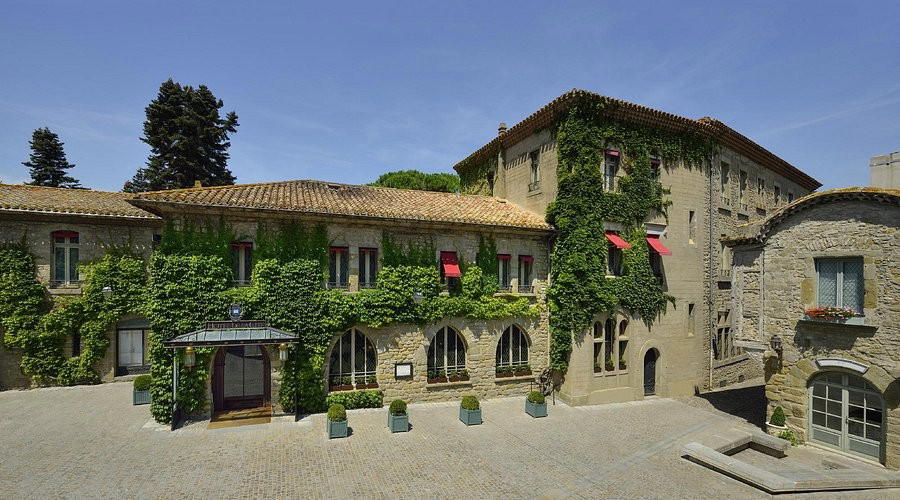
Inside the medieval walls of Carcassonne's Cité, Comte Roger has earned consecutive Opinionated About Dining rankings (Casual Europe #368 in 2024, #397 in 2025) and a Michelin Plate for cooking that puts regional sourcing at the centre: cassoulet made to count, seasonal asparagus, Lauragais lentils, Belpech poultry, and local lamb, served on a contemporary patio that reads the old stones rather than ignoring them. Open Tuesday through Saturday, €€ pricing.
 Discover on Pearl
Pearl is the En Primeur Club membership app — saves, bookings, and concierge access live there. Same editors, same standards.
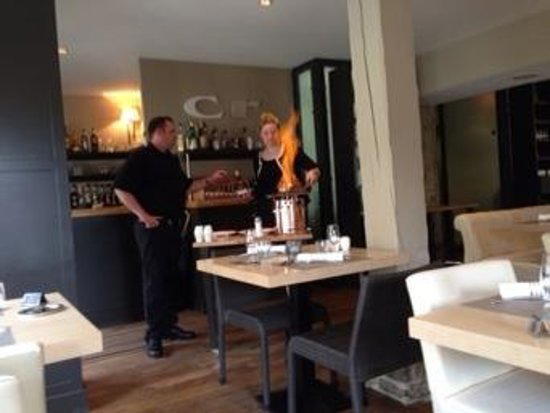
Where the Cité's Stone Walls Meet a Serious Larder
Eating inside Carcassonne's medieval Cité carries a particular pressure. The setting is theatrical enough that many restaurants in the perimeter lean on the view and coast on tourist traffic, letting the ramparts do the work that the kitchen should. Comte Roger, on the Rue du Comte Roger running through the heart of the walled city, takes the opposite approach: a sleek contemporary interior and an airy patio that acknowledge the surroundings without being consumed by them, and a menu built from a specific, accountable geography of producers.
That geographic specificity is where Comte Roger earns its place in the conversation rather than just on the map. The southern French tradition of identifying ingredients by their source — naming the lentil variety, the bird's origin, the growing region — functions here not as decoration but as the structural logic of the menu. When Lauragais lentils appear alongside Belpech poultry, or local lamb from the surrounding Aude is placed next to seasonal asparagus, the kitchen is making a claim about what the land around Carcassonne actually produces, and inviting the diner to hold it accountable.
The Cassoulet Question
Any serious treatment of Comte Roger has to settle on cassoulet first, because cassoulet is the dish through which the restaurant stakes its claim. The southern French canon around cassoulet is intensely local and fiercely argued: Castelnaudary, Carcassonne, and Toulouse each defend their own version, differing on the cuts of meat used, the type of sausage, and whether duck confit belongs in the pot at all. Carcassonne's version traditionally includes mutton or partridge in season, rather than the duck confit that Toulouse made famous. Within the walled city, cassoulet is as much a civic marker as a recipe.
Comte Roger has made cassoulet its house speciality , the dish that anchors the menu and against which everything else is measured. That is a high-stakes choice. In a city where cassoulet appears on almost every terrace, positioning it as the reason to come requires that the execution hold up under comparison. The Opinionated About Dining panel, which placed the restaurant at Casual Europe #368 in 2024 and #397 in 2025 while also noting a Michelin Plate, explicitly cited that the kitchen brings precision to the preparation. Precision in cassoulet means temperature management, the right ratio of crust to interior moisture, and restraint with fat , not the heavy, oil-pooling version that cheap imitations produce.
The Sourcing Map Behind the Menu
The ingredient sourcing at Comte Roger reads as a working map of Occitan agriculture. Lauragais lentils come from the broad plateau southwest of Carcassonne, a zone that stretches toward Castelnaudary and has produced legumes for centuries on the same clay-limestone soils. Belpech is a small commune roughly forty kilometres from the city, and Belpech poultry has regional identity in the way that certain French birds acquire specific meaning through terroir and breed. Asparagus appears seasonally, in the short window when the climate and the river valleys around the Aude make it viable. Local lamb, raised on the garrigue scrubland of the Languedoc hills, carries the herbal aromatic character that lowland lambs do not develop.
This sourcing model is consistent with the wider trajectory of serious French regional cooking, where the value of a meal is increasingly measured not by the elaborateness of technique but by the traceability of ingredients. At price point €€, Comte Roger occupies a different tier from La Table de Franck Putelat, which operates at €€€€ with two Michelin stars and a different set of ambitions, and from La Barbacane at €€€, which brings classic cuisine to the luxury hotel market. The nearest peer comparison within Carcassonne is Brasserie à 4 Temps, also traditional cuisine at €€, though Comte Roger's OAD recognition places it in a more tightly defined critical conversation. Domaine d'Auriac and La Table d'Alaïs complete the Carcassonne picture for diners building a longer itinerary.
For context across France, the emphasis on regional sourcing and disciplined traditional cooking that Comte Roger represents connects to a broader pattern. Restaurants like Auberge Grand'Maison in Mûr-de-Bretagne and Auga in Gijón operate in a similar register , traditional, place-specific, ingredient-led , while Bras in Laguiole and Auberge de l'Ill in Illhaeusern represent how far the same principles can extend when operating at greater scale and ambition. The fine-dining tier in France, represented by restaurants like Mirazur in Menton, Flocons de Sel in Megève, Troisgros in Ouches, and Alléno Paris au Pavillon Ledoyen, operates on a different axis entirely, but the foundational commitment to provenance runs through all of them.
The Setting and How It Works
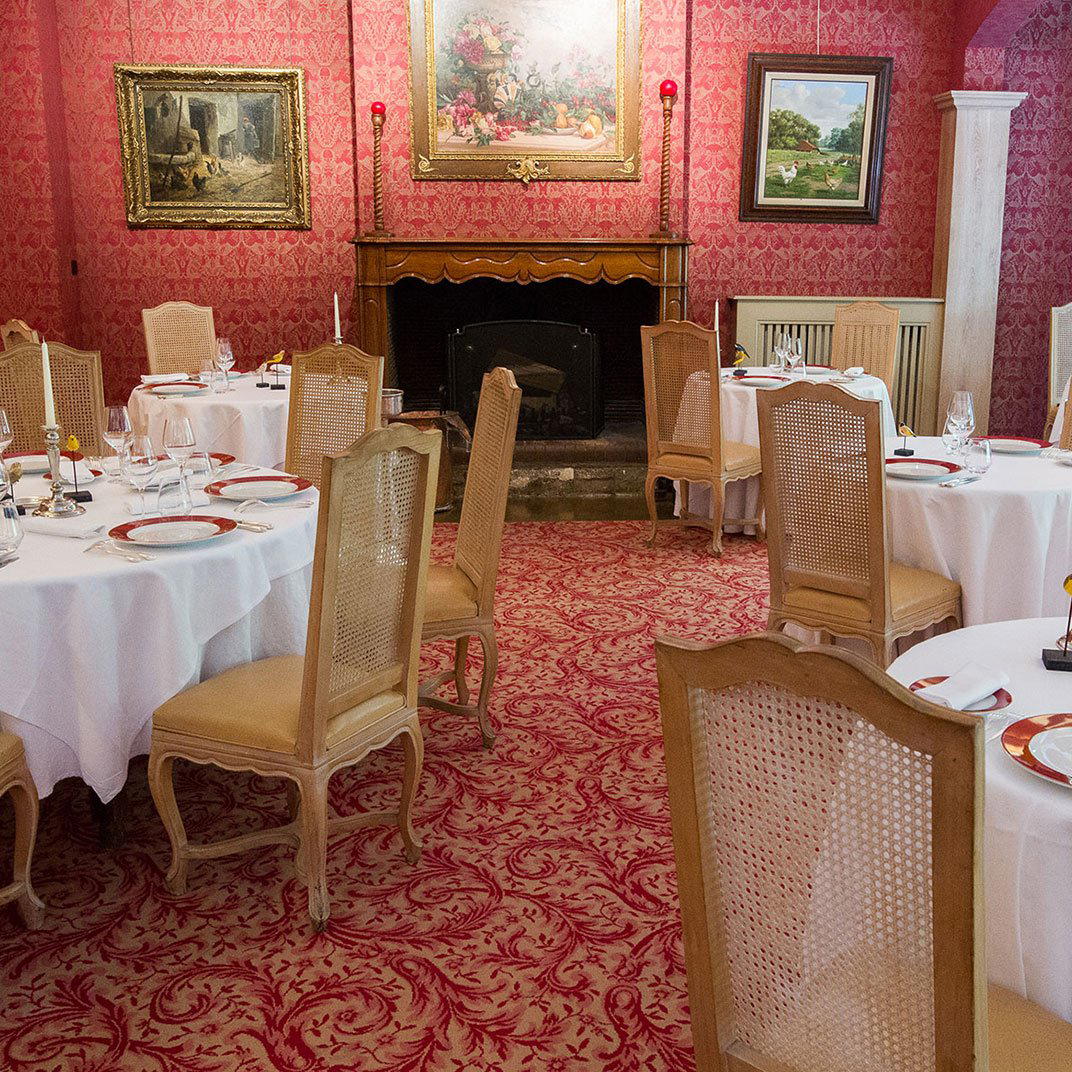
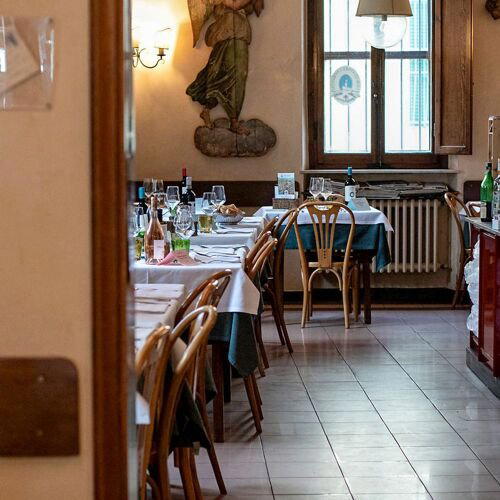
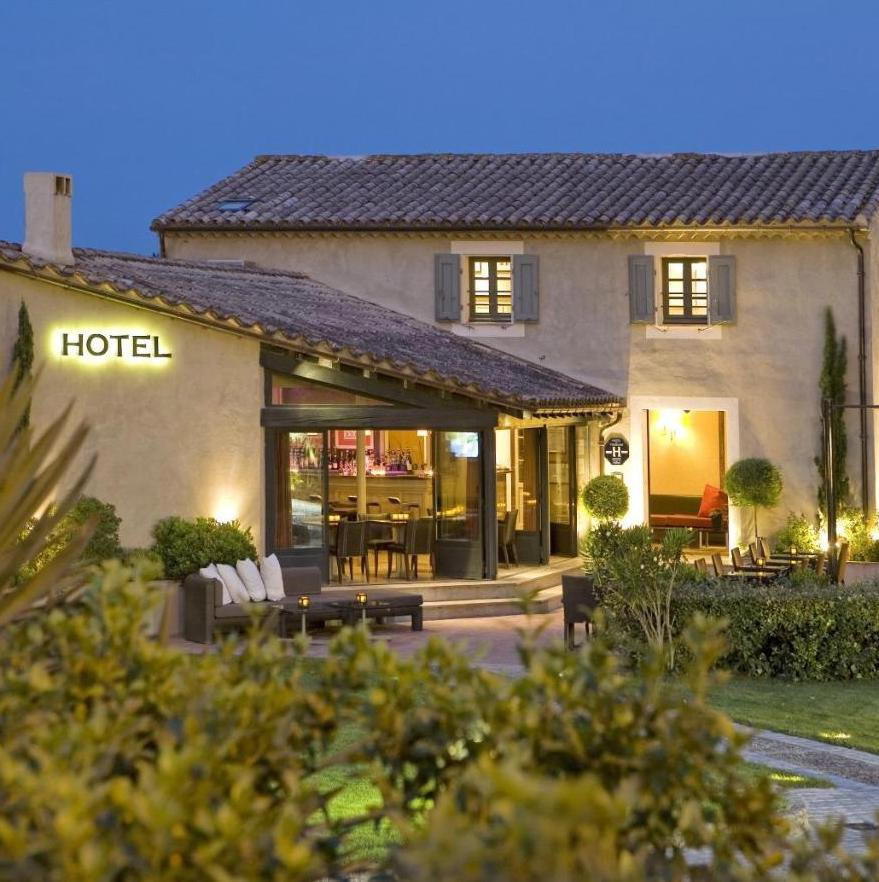
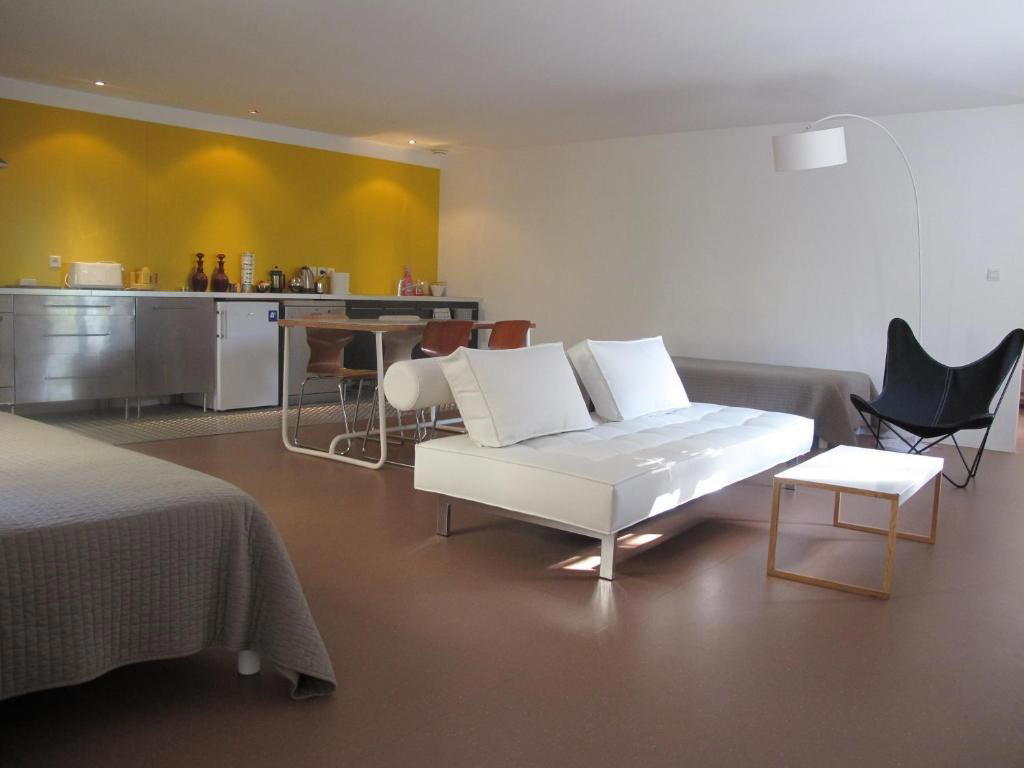
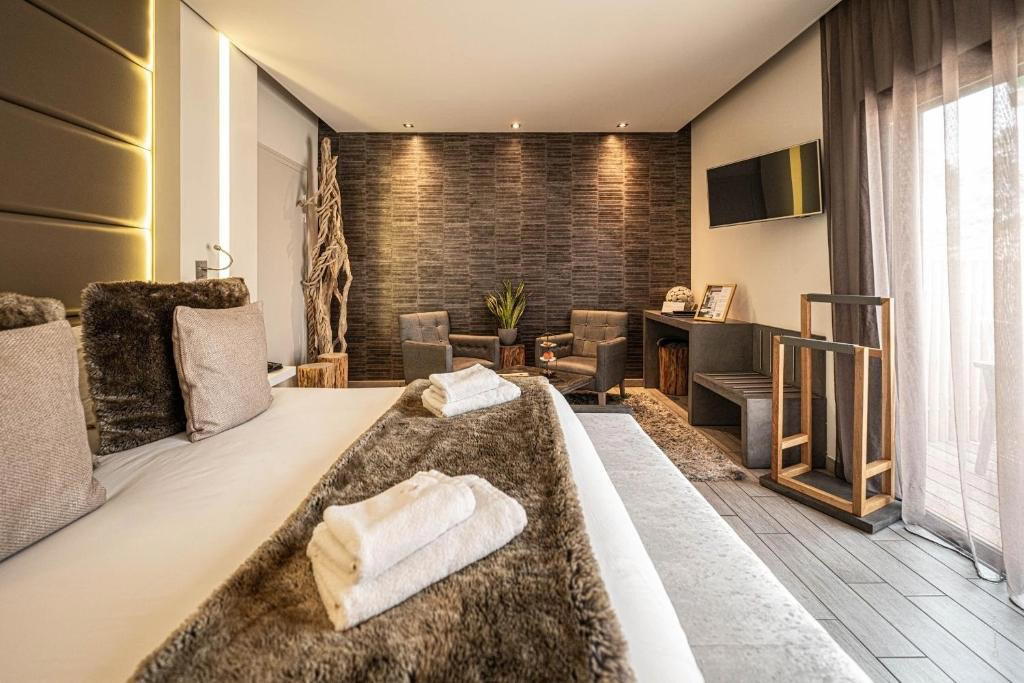
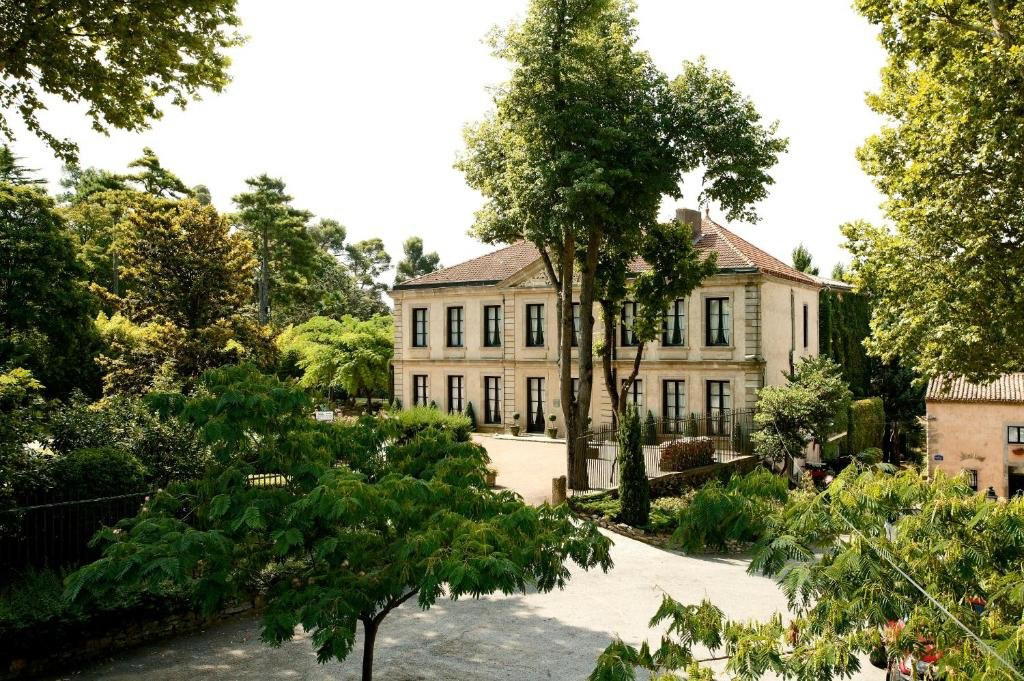
The contemporary interior design inside a medieval building is a choice that says something deliberate about how Comte Roger reads its location. The Cité draws visitors who expect heritage atmosphere, and restaurants that simply amplify that expectation risk producing a theme-park version of Occitan dining. The cleaner, more modern aesthetic at Comte Roger creates a mild friction with the stone exterior, which is more useful than the comfortable overlap of a faux-medieval dining room. The patio functions differently: open, airy, and in direct dialogue with the streetscape of the Cité, it allows the setting to register without overwhelming the food.
Chef Pierre Mesa runs the kitchen. In the critical framework of Opinionated About Dining, which tracks consistency and benchmarks against peer restaurants across Europe, the restaurant's consecutive appearances on the Casual Europe list from Recommended in 2023 through to ranked positions in 2024 and 2025, alongside a Michelin Plate, indicates a kitchen producing at a stable and acknowledged level. The Google rating of 4.5 across 1,558 reviews represents volume as well as score, suggesting a restaurant serving a high number of covers without the quality drift that often accompanies that scale in tourist-heavy locations.
Planning Your Visit
Comte Roger opens Tuesday through Saturday from 9 am to 9:30 pm, and is closed on Monday and Sunday. For visitors structuring a full Carcassonne day, this schedule allows for lunch without a dedicated evening reservation, though the patio fills during peak season and the tourist calendar around the Cité runs hot from June through August. Booking ahead for summer service is the practical move. The address is Rue du Comte Roger, inside the walled city. The €€ price range places it in accessible territory for a meal that includes the cassoulet and a glass from the Languedoc wine list. For broader trip planning, the EP Club guides to Carcassonne restaurants, hotels, bars, wineries, and experiences map the full city picture.
Price Lens
A compact peer snapshot based on similar venues we track.
| Venue | Price | Awards | Notes |
|---|---|---|---|
| Comte Roger | €€ | Opinionated About Dining Casual in Europe Ranked #397 (2025); This restaurant wi… | This venue |
| La Table de Franck Putelat | €€€€ | Michelin 2 Star | Modern Cuisine, €€€€ |
| Domaine d’Auriac | $$$ | Languedoc French, $$$ | |
| Brasserie à 4 Temps | €€ | Traditional Cuisine, €€ | |
| La Barbacane | €€€ | Classic Cuisine, €€€ | |
| Le restaurant Bernard Rigaudis | French Cuisine |
Continue exploring
More in Carcassonne
Restaurants in Carcassonne
Browse all →
At a Glance
- Elegant
- Cozy
- Romantic
- Date Night
- Special Occasion
- Celebration
- Terrace
- Historic Building
- Extensive Wine List
- Local Sourcing
- Garden
Cool contemporary dining room with sleek design and shaded garden terrace offering a cozy, elegant atmosphere.