Cølbo

1 Michelin Star
Our verdict
At Cølbo in Klingenberg am Main, chef-patron Moritz Techet runs a fixed-time, surprise-format dinner built around regional foraging, fermentation, and a strong vegetarian emphasis. The kitchen tends its own herb garden and preserves its own larder, producing technically precise multi-course menus that sit firmly within Germany's most considered modern-creative tier. Limited seats and high demand mean reservations should be secured well in advance.

Pearl is the En Primeur Club membership app, where members save venues, book tables and use the concierge.
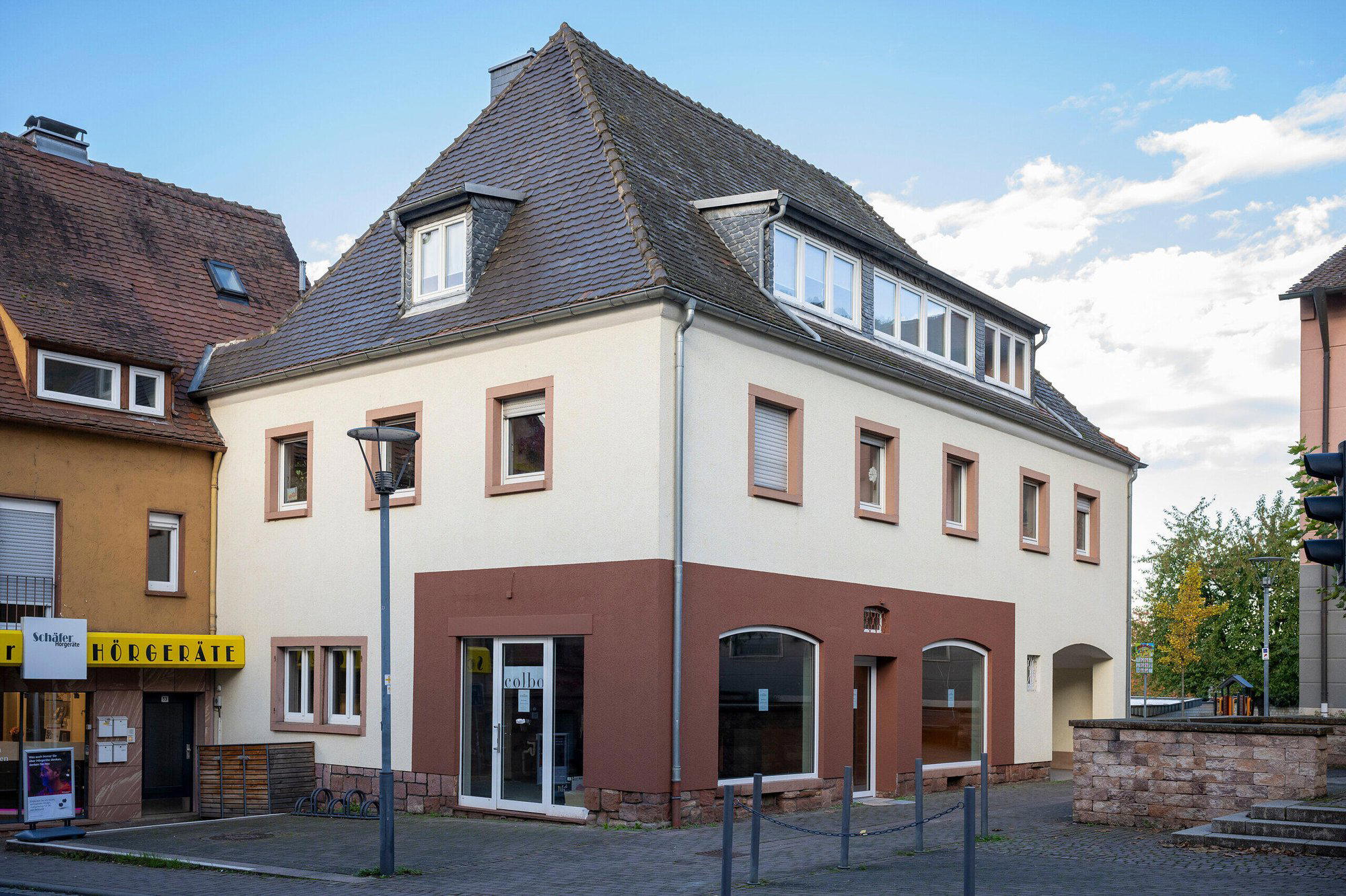
Where the Larder Begins Outside
Rathausstraße 15 sits in a small Franconian wine town on the Main, far from the urban fine-dining circuits where Germany's creative-kitchen conversation usually plays out. The interior at Cølbo strips away the usual trappings: clean lines, minimalist design, nothing decorative that isn't doing structural work. It is the kind of room where the food is meant to carry the evening without competition from the walls. At 7pm, all guests sit down together, a format that frames dinner less as a service transaction and more as a single shared event.
The Case for Regional Sourcing at This Level
Germany's most ambitious modern kitchens have spent the past decade arguing, in plate form, that the sourcing radius matters as much as the technique applied to it. At the premium creative tier, where restaurants like Aqua in Wolfsburg, Vendôme in Bergisch Gladbach, and CODA Dessert Dining in Berlin have each staked out distinct identities, the sourcing story has become as technically load-bearing as the cooking method. Cølbo takes that logic further than most. The kitchen team manages its own herb garden on site and forages for mushrooms and berries from the surrounding Spessart and Main valley terrain. Fermentation and preservation techniques extend the seasonal window and deepen flavour without importing anything the region doesn't offer.
This is worth understanding as a structural choice rather than a branding gesture. When a kitchen controls its own herb supply and forages its own forest ingredients, the menu cannot be speculative months in advance. It is, by definition, a response to what exists at that moment. The surprise format, ten courses, comprising a mix of smaller and larger dishes, is the logical outcome of that constraint. You cannot print a fixed menu when the kitchen is waiting to see what the week's forage produces.
Vegetable-Forward at Fine-Dining Depth
The emphasis on vegetarian cuisine at Cølbo places it in a specific and still-uncommon tier of the German fine-dining scene. The country's high-end tables have traditionally been protein-anchored, with the Schwarzwaldstube in Baiersbronn and Waldhotel Sonnora in Dreis representing a classical French-influenced tradition where meat and fish play the primary structural role. Restaurants that put vegetables at the centre of serious, technically demanding menus remain a smaller cohort.
Cølbo's approach is not about subtraction. The ten-course format and the described precision of execution indicate a kitchen working at the same technical register as its meat-serving peers. The difference is that the complexity comes from the ingredients themselves, fermented, preserved, foraged, rather than from premium animal proteins. For the growing number of diners who eat at this level but default to vegetarian, that positions Cølbo as one of a small number of serious options in the broader region. Compare this to the trajectory of restaurants like ES:SENZ in Grassau or JAN in Munich, both operating at comparable technical ambition with different ingredient philosophies, and the specificity of Cølbo's position becomes clearer.
Fermentation, Preservation, and the Extended Pantry
The use of fermentation and preservation at this level is worth examining beyond the obvious seasonal argument. Fermentation at a fine-dining kitchen introduces a category of flavour, acidity, funk, depth, umami built from vegetable rather than animal sources, that raw or simply cooked ingredients cannot replicate. When combined with foraged elements, the resulting flavour complexity can approach the intensity that classically trained kitchens achieve through stock reduction or aged protein. This is the technical core of what restaurants in this mode are working toward: proving that the vegetable-and-ferment pantry can carry the weight of a serious tasting menu.
That same pantry logic also runs through the beverage program. The wine pairing and non-alcoholic beverage options are described as designed to match the menu rather than operate as a separate track. In practice, non-alcoholic pairings at this level require the same sourcing discipline as the food, fermented, pressed, and reduced drinks that work with the acidity and earthiness of vegetable-forward cooking rather than against it. For diners who don't drink alcohol, this is a meaningful distinction. The quality of the non-alcoholic pairing separates kitchens that have thought through the full table experience from those that treat it as a footnote.
Service as Part of the Concept
The front-of-house at Cølbo is led by Jansý Frederiksberg, with the kitchen team assisting in explaining dishes as they arrive. That arrangement is not incidental. When chefs describe their own plates, the sourcing narrative, where the mushrooms came from, how the ferment was built, what the herb in question is and why it appears now, lands differently than when it passes through a third party. It also signals the degree to which the kitchen considers the story of each dish to be part of the dish itself. Among the German fine-dining restaurants that operate at this kind of intimacy and specificity, from Schanz in Piesport to Restaurant Haerlin in Hamburg, the direct kitchen-to-table communication model remains the exception rather than the rule. It tends to appear where format discipline and seat count allow for it. Cølbo's limited capacity makes it structurally possible in a way that larger rooms cannot replicate.
Planning Your Evening
Dinner at Cølbo runs as a single seating, beginning at 7pm for all guests simultaneously. This is not a restaurant where you choose your own start time. The format assumes everyone arrives together and moves through the menu together, which shapes the pace of the evening in ways that traditional à la carte or rolling-reservation fine dining does not. The kitchen's reliance on foraged and seasonal ingredients means the exact menu is not knowable in advance, the surprise format is genuine rather than theatrical. Moritz Techet's CV is described as considerable, and the level of technical precision across ten courses reflects a kitchen operating at a high level of rehearsal and discipline. Seats are limited and in high demand. Reservations are strongly recommended and, given the format and capacity, should be made as far ahead as your plans allow. Cølbo sits on Rathausstraße in central Klingenberg am Main, a town that rewards a slower visit, see our full Klingenberg am Main restaurants guide for broader dining context, and our Klingenberg am Main hotels guide if you're considering staying over to make the most of the evening format. You can also explore the area's bars, wineries, and experiences to build a fuller itinerary around the dinner. For comparison across Germany's wider creative-kitchen tier, the work at Victor's Fine Dining by Christian Bau in Perl and Bagatelle in Trier offers useful reference points for what serious regional fine dining looks like elsewhere in the country.
Frequently asked questions
Is Cølbo okay with children?
Cølbo runs a single, simultaneous seating at 7pm with a surprise 10-course menu and no à la carte flexibility. That format suits guests who can commit to a full tasting progression, children who are comfortable at a table for two to three hours in a minimalist, quiet dining room will be fine, but the concept is not designed around younger diners.
What should I expect atmosphere-wise at Cølbo?
The interior is minimalist and clean-lined, the design strips away ornament rather than adding it. All guests begin dinner simultaneously at 7pm, which gives the room a shared rhythm unusual in fine dining. Chefs come to the table to present their own dishes alongside front-of-house manager Jansý Frederiksberg, making the service structure feel closer to a chef's table than a conventional restaurant floor.
Does Cølbo have a Michelin star or similar recognition?
Cølbo has received recognition including: Armed with an impressive CV, chef-patron Moritz Techet presents a modern, creative concept. Diners are treated to a surprise menu comprising 10 smaller or larger courses, each one technically polished and precisely executed. The dishes are ….
What's the must-try dish at Cølbo?
The menu is a surprise, Moritz Techet's kitchen does not publish a fixed list of dishes. Across the 10 courses, the kitchen draws on its own herb garden, foraged mushrooms and berries, and fermented and preserved ingredients, with vegetarian preparations forming the backbone. Arriving with no fixed expectations is, by design, the intended way to eat here.
Comparable Spots, Quickly
Comparable venues nearby, for context on price, style, and recognition.
| Venue | Cuisine | Price | Awards | Notes |
|---|---|---|---|---|
| CølboThis venue (the venue you are viewing) | Modern Creative Vegetarian | Not listed | 1 Michelin Star | Not listed |
| Zur Schlupp | Seasonal German Fine Dining | $100–150 | Michelin Plate | Walluf |
| Schwitzer's PUR | Seasonal Casual Fine Dining | $100–150 | Michelin Plate | Kurpark |
| Nigrum | Modern International Fine Dining | $100–150 | Michelin Plate | City Center |
| H'manns | Classic German Fine Dining | Not listed | Michelin Plate | Neuleiningen |
| Villa Rothschild Grill & Health | French Contemporary Fine Dining | Not listed | Michelin Plate | Königstein im Taunus |
Recognition history
Dated appearances from independent guides and award organizations, with the underlying list record or original source where available.
Michelin 1 Star
Michelin
Full recognition history (2 entries)
Michelin Plate
Michelin · 2026 Michelin Plate
Continue exploring
More in Klingenberg am Main
Restaurants in Klingenberg am Main
All restaurants in Klingenberg am Main →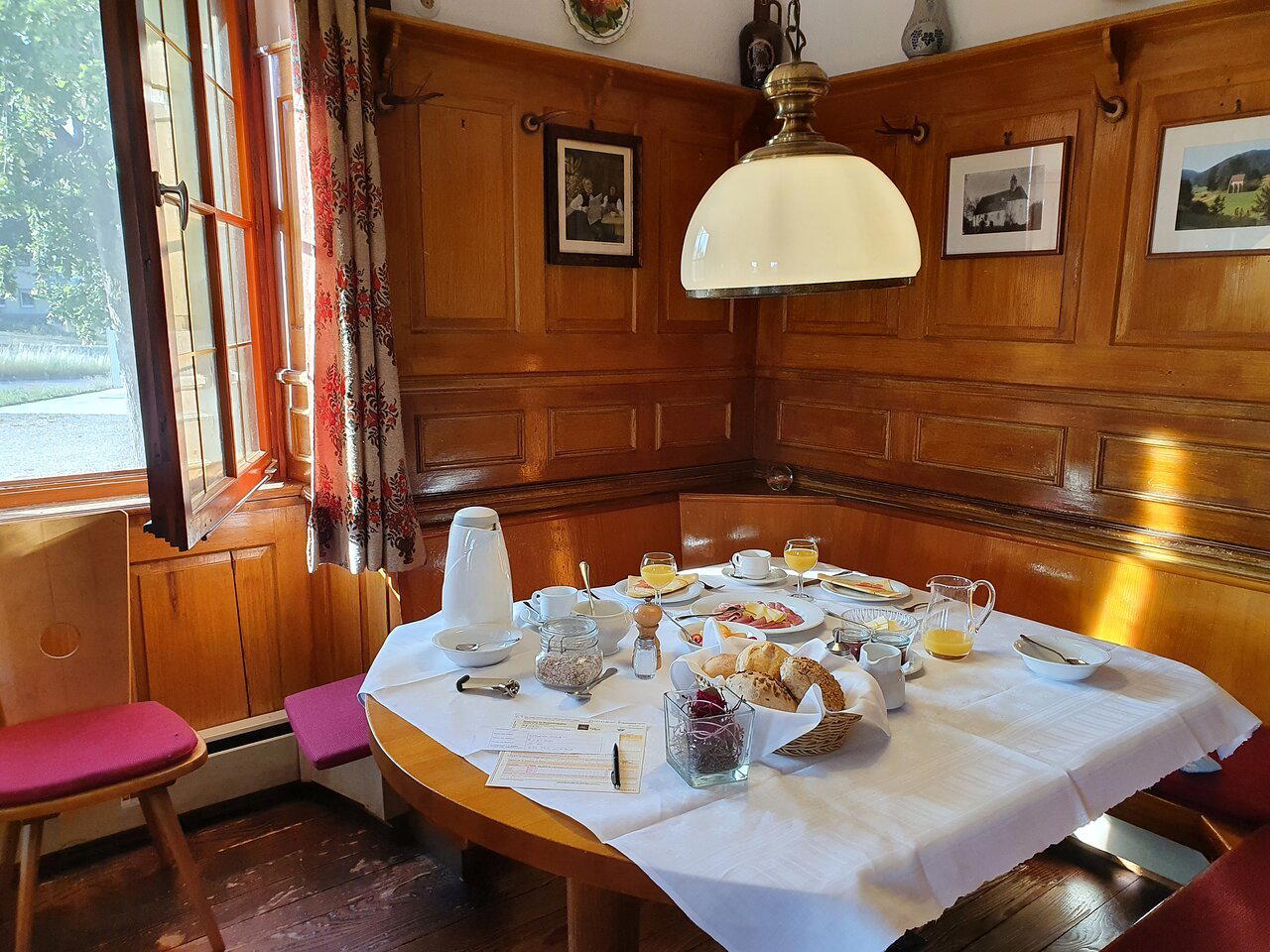
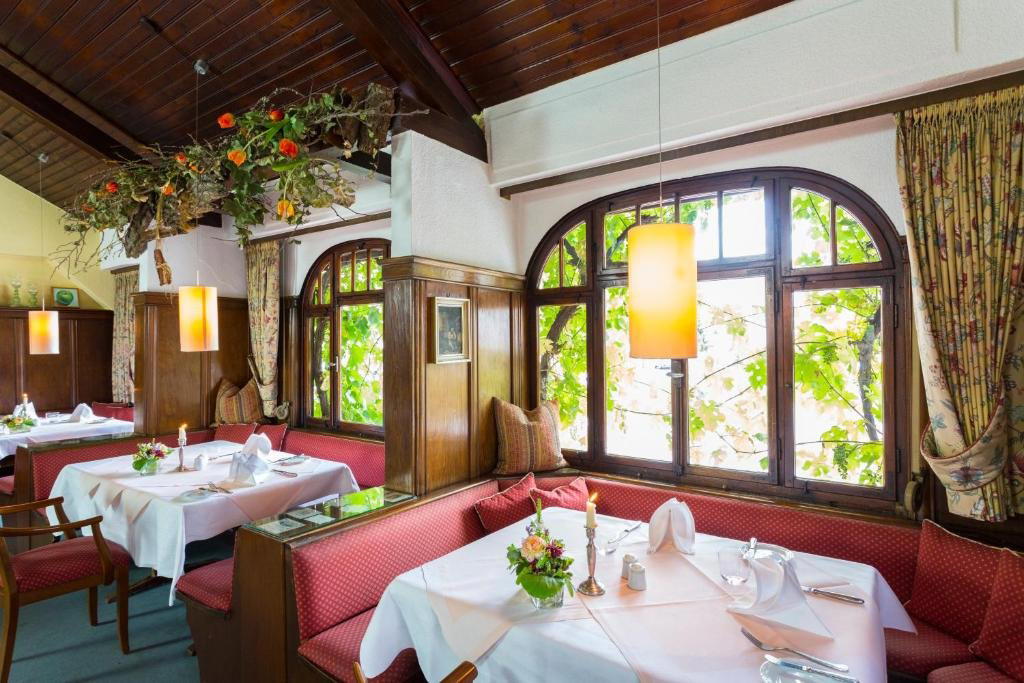
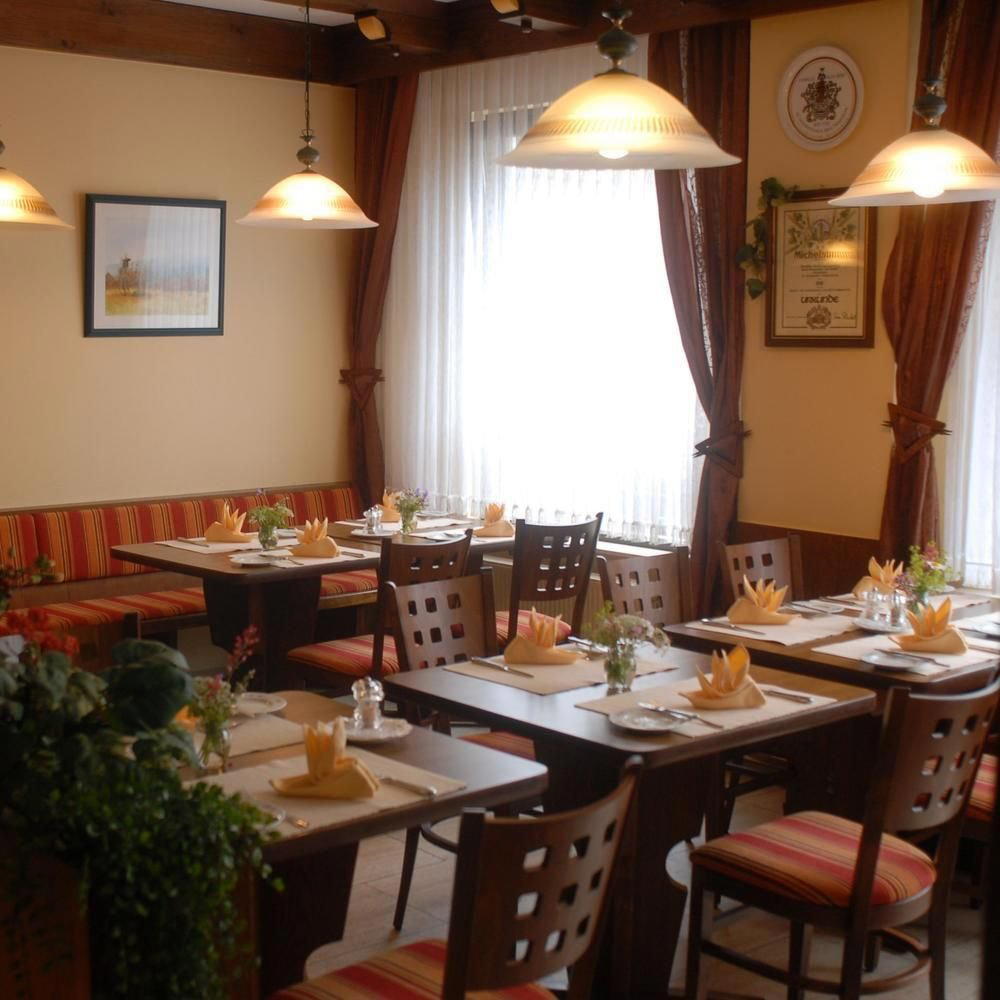
Bars in Klingenberg am Main
Browse all →
Hotels in Klingenberg am Main
Browse all →

Details
- Romantic
- Modern
- Minimalist
- Intimate
- Elegant
- Date Night
- Special Occasion
- Open Kitchen
- Extensive Wine List
- Local Sourcing
- Farm To Table
- Tasting Menu
- Vegetarian Friendly
Current opening hours
- Monday
- Closed
- Tuesday
- Closed
- Wednesday
- Closed
- Thursday
- 6:45–11 PM
- Friday
- 6:45–11 PM
- Saturday
- 6:45–11 PM
- Sunday
- 2–6 PM
Hours can change for holidays and private events. Hours as of .
Minimalist, clean-lined interior design that is extremely chic with a Scandinavian aesthetic.